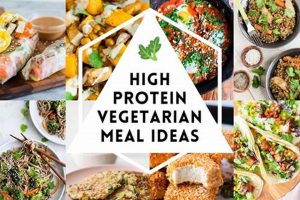
Dishes abundant in protein sourced exclusively from plant-based ingredients constitute a vital component of vegan nutrition. These meals are carefully formulated to meet the body’s amino acid requirements without including any animal products. Examples include lentil stews, tofu scrambles with black beans, quinoa bowls with edamame and nuts, and hearty vegetable curries with chickpeas.
Adequate protein intake is crucial for various bodily functions, including muscle maintenance, enzyme production, and immune system support. Historically, plant-based diets have been perceived as deficient in protein; however, a well-planned vegan diet that incorporates a variety of protein-rich plant foods can readily satisfy nutritional needs. The adoption of such meals contributes to environmental sustainability by reducing reliance on animal agriculture and promotes potential health benefits associated with plant-based eating.
The subsequent sections will delve into identifying key plant-based protein sources, crafting balanced vegan meal plans, and addressing common misconceptions surrounding protein in vegan diets. Further discussion will focus on optimal protein timing, supplementation strategies, and recipes featuring substantial protein content.
Optimizing Plant-Based Protein Consumption
The following recommendations provide actionable strategies for incorporating substantial protein into exclusively plant-derived diets. These tips facilitate adequate intake and support overall nutritional balance.
Tip 1: Prioritize Legumes: Incorporate lentils, beans, chickpeas, and peas into daily meals. These foods offer a concentrated source of protein and fiber, promoting satiety and digestive health. Examples include lentil soup, black bean burgers, and chickpea salads.
Tip 2: Emphasize Tofu and Tempeh: Utilize tofu and tempeh as versatile protein sources in stir-fries, scrambles, and grilled dishes. These soy-based products are complete proteins, containing all essential amino acids. Marinating and pressing tofu enhances flavor and texture.
Tip 3: Include Nuts and Seeds: Consume nuts and seeds, such as almonds, walnuts, chia seeds, and flaxseeds, as snacks or additions to meals. These provide protein, healthy fats, and essential nutrients. Sprinkle seeds on oatmeal or yogurt, or incorporate nuts into trail mixes.
Tip 4: Integrate Whole Grains: Select protein-rich whole grains like quinoa, amaranth, and spelt over refined grains. Quinoa, in particular, is a complete protein. Utilize these grains in salads, soups, or as a side dish.
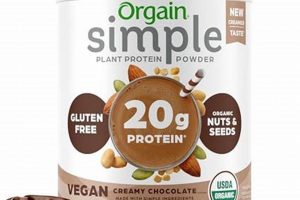
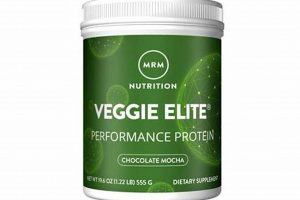
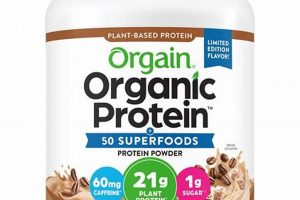
Tip 5: Consider Protein-Enriched Alternatives: Explore plant-based protein powders and fortified foods to supplement dietary intake, especially for individuals with higher protein needs. Blend protein powder into smoothies or add it to baked goods.
Tip 6: Combine Complementary Proteins: Intentionally combine plant-based foods to ensure complete amino acid profiles. Examples include rice and beans, peanut butter and whole-wheat bread, or hummus and pita bread. This approach ensures comprehensive protein intake throughout the day.
These recommendations facilitate increased protein consumption within a vegan framework. Consistent application of these strategies supports muscle maintenance, energy levels, and overall health.
The subsequent section will address common misconceptions and concerns surrounding plant-based protein adequacy.
1. Amino Acid Profiles and High Vegan Protein Meals

Amino acid profiles represent a critical consideration when constructing high vegan protein meals. Protein is composed of amino acids, some of which are considered essential because the human body cannot synthesize them and must obtain them from dietary sources. A complete protein source contains all nine essential amino acids in adequate proportions. Many individual plant-based protein sources are incomplete, meaning they are low in one or more essential amino acids. This necessitates careful meal planning to ensure all essential amino acids are consumed throughout the day.
The concept of complementary proteins is central to this approach. Combining different plant-based foods that have different limiting amino acids creates a complete protein profile. For example, beans are typically low in methionine but high in lysine, while rice is low in lysine but high in methionine. Consuming beans and rice together provides a balanced intake of these essential amino acids. Other practical examples include combining lentils with grains, nuts with legumes, or seeds with vegetables. The careful combination of plant-based protein sources is not only essential for muscle growth and repair but also for the synthesis of enzymes, hormones, and antibodies, vital for maintaining overall health and bodily functions.
In summary, understanding and intentionally addressing amino acid profiles is indispensable for formulating adequate high vegan protein meals. While no single plant food necessarily needs to contain all essential amino acids in sufficient quantities, the overall diet must provide them. This strategy involves combining diverse plant-based protein sources to create complete protein profiles, supporting optimal health and mitigating potential deficiencies. Failure to adequately consider amino acid profiles in vegan meal planning can lead to suboptimal protein utilization and compromised physiological function.
2. Protein source diversity

The incorporation of a variety of protein sources is paramount for ensuring nutritional adequacy in high vegan protein meals. Relying on a limited number of protein sources can lead to deficiencies in essential amino acids, micronutrients, and overall dietary balance. Strategic diversification addresses these concerns and optimizes the nutritional profile of plant-based diets.
- Amino Acid Completeness
Different plant-based protein sources possess varying amino acid profiles. Some are deficient in lysine, while others lack methionine or tryptophan. Integrating diverse sources, such as legumes (rich in lysine) alongside grains or nuts (rich in methionine), ensures that all essential amino acids are adequately supplied. This combinatorial approach is critical for achieving a complete protein intake. For example, combining lentils (legume) with brown rice (grain) provides a comprehensive amino acid spectrum, effectively mimicking the profile of animal-derived proteins.
- Micronutrient Provision
Beyond protein, various plant-based foods offer unique micronutrient compositions. Tofu provides iron and calcium, while nuts and seeds supply zinc and magnesium. Reliance on a single protein source may limit the intake of these vital nutrients. A diverse diet that incorporates leafy greens, fruits, and fortified foods complements the protein component, contributing to a holistic nutritional profile. For instance, a meal comprising quinoa (protein), spinach (iron), and almonds (magnesium) delivers a broader range of essential vitamins and minerals compared to solely relying on tofu or lentils.
- Digestive Health
Different protein sources contain varying fiber content and impact the gut microbiome differently. Legumes, for example, are high in fiber, promoting satiety and supporting digestive regularity. Excessive reliance on processed vegan protein sources might lack this beneficial fiber. Introducing a variety of whole plant foods, including beans, vegetables, and whole grains, optimizes gut health and supports efficient nutrient absorption. A balanced vegan meal, rich in diverse plant-based protein sources, can help maintain a healthy gut microbiome, contributing to improved digestion and overall well-being.
- Flavor and Palatability
Monotony in protein sources can lead to dietary fatigue and decreased adherence. Diversifying the protein options enhances the palatability and enjoyment of vegan meals. Incorporating tofu, tempeh, seitan, nuts, seeds, legumes, and grains in various preparations contributes to culinary creativity and long-term dietary sustainability. For example, alternating between lentil soup, tofu stir-fries, and nut-based snacks prevents dietary boredom and supports consistent adherence to a plant-based diet.
In summary, the inclusion of multiple plant-based protein sources is not merely about obtaining sufficient protein quantity but also about optimizing amino acid intake, micronutrient provision, digestive health, and palatability. A dietary strategy that prioritizes protein source diversity supports overall nutritional well-being and enhances the sustainability of a high vegan protein meal plan.
3. Meal timing optimization

Strategic distribution of protein intake throughout the day constitutes meal timing optimization and plays a crucial role in maximizing the benefits derived from high vegan protein meals. Proper timing can enhance muscle protein synthesis, improve satiety, and support metabolic function.
- Muscle Protein Synthesis (MPS)
Evenly distributing protein consumption across meals stimulates MPS more effectively than consuming the majority of protein in a single meal. Vegan protein sources, often digested more quickly than animal proteins, benefit from strategic timing to sustain MPS. For example, consuming 20-30 grams of protein at breakfast, lunch, and dinner ensures a consistent supply of amino acids for muscle repair and growth. This is especially relevant for athletes or individuals engaged in resistance training, where optimized MPS is paramount for performance and recovery.
- Satiety and Appetite Regulation
Protein has a higher satiety value compared to carbohydrates and fats. Incorporating protein-rich vegan foods into meals and snacks can enhance satiety, reduce hunger cravings, and contribute to weight management. Consuming a high-protein vegan snack, such as a handful of almonds or a small serving of edamame, between meals can stabilize blood sugar levels and prevent overeating. Distributing protein intake throughout the day supports sustained satiety and reduces the likelihood of impulsive food choices.
- Metabolic Benefits and Blood Sugar Control
Consistent protein intake can improve metabolic health by stabilizing blood sugar levels and enhancing insulin sensitivity. Consuming vegan protein sources with each meal can mitigate postprandial glucose spikes and promote more stable energy levels. For instance, pairing a carbohydrate source like quinoa with a protein source like black beans can slow the absorption of glucose into the bloodstream, preventing rapid fluctuations in blood sugar. This approach is beneficial for individuals with diabetes or those seeking to improve their metabolic health.
- Optimizing Nutrient Absorption
Consuming smaller, more frequent meals containing protein can optimize nutrient absorption. The body can efficiently process and utilize smaller quantities of protein at each sitting. Spreading protein intake across multiple meals allows for better digestion and assimilation of amino acids, particularly from plant-based sources, which can sometimes be more challenging to digest due to their fiber content. For example, consuming a protein-rich smoothie in the morning, followed by a lentil soup at lunch, and a tofu stir-fry at dinner ensures that the digestive system is not overloaded, facilitating optimal nutrient uptake.
Meal timing optimization synergistically enhances the benefits of high vegan protein meals by supporting muscle protein synthesis, promoting satiety, improving metabolic health, and optimizing nutrient absorption. Strategic distribution of plant-based protein across meals and snacks is a critical factor in maximizing the nutritional impact and health outcomes associated with a vegan diet. This approach, combined with adequate protein intake and a diverse selection of plant-based foods, supports overall well-being and promotes sustainable dietary adherence.
4. Caloric density control

Caloric density control is a fundamental consideration when constructing and managing high vegan protein meals. It involves optimizing the balance between the volume of food consumed and its associated caloric content, influencing satiety, weight management, and overall nutritional balance within a plant-based dietary framework.
- Satiety Management
Vegan protein sources often exhibit varying caloric densities. Legumes and whole grains, while protein-rich, are typically lower in caloric density due to their high fiber and water content, promoting satiety and reducing the likelihood of overconsumption. Conversely, some processed vegan protein products, such as certain protein bars or meat substitutes, can be relatively high in caloric density despite their protein content. Prioritizing lower-caloric-density protein sources allows for larger meal volumes without excessive caloric intake, aiding in satiety management and weight control.
- Weight Regulation
Effective weight management hinges on achieving a caloric deficit or maintaining a caloric balance. High vegan protein meals, if not carefully planned, can inadvertently contribute to excessive caloric intake due to the inclusion of high-fat or high-sugar ingredients. Employing caloric density control involves selecting protein-rich foods that are naturally lower in calories per unit volume and incorporating them into balanced meal plans. For instance, substituting a processed vegan burger with a homemade black bean burger significantly reduces caloric density while maintaining a substantial protein content, supporting weight regulation efforts.
- Nutrient-to-Calorie Ratio Optimization
Caloric density control facilitates the optimization of the nutrient-to-calorie ratio within vegan meals. Prioritizing nutrient-dense, low-calorie protein sources ensures that the body receives a greater proportion of essential vitamins, minerals, and phytonutrients per calorie consumed. This approach is particularly beneficial for individuals seeking to maximize their nutrient intake without exceeding their caloric needs. For example, incorporating a variety of colorful vegetables and leafy greens alongside protein-rich lentils or tofu enhances the overall nutritional value of the meal while maintaining a favorable caloric density profile.
- Portion Size and Meal Planning
Understanding caloric density informs appropriate portion sizes and facilitates effective meal planning. By selecting predominantly low-caloric-density protein sources, individuals can consume larger portions without exceeding their daily caloric targets. This strategy supports satiety, reduces cravings, and promotes long-term dietary adherence. For example, a meal consisting of a large salad with grilled tofu, quinoa, and a light vinaigrette provides substantial volume, protein, and micronutrients while remaining relatively low in calories, exemplifying the principles of caloric density control in high vegan protein meal planning.
In summary, caloric density control is an integral aspect of constructing high vegan protein meals that support satiety, weight management, and overall nutritional adequacy. By prioritizing protein-rich foods that are naturally lower in caloric density and incorporating them into balanced meal plans, individuals can effectively manage their caloric intake while ensuring adequate protein consumption and optimizing the nutrient-to-calorie ratio of their diet. This strategic approach enhances the health benefits and long-term sustainability of a vegan lifestyle.
5. Nutrient synergy benefits
The concept of nutrient synergy highlights the enhanced bioavailability and functionality of nutrients when consumed in combination, as opposed to in isolation. In the context of high vegan protein meals, understanding and leveraging these synergies is crucial for optimizing nutritional outcomes and overall health.
- Iron Absorption Enhancement with Vitamin C
Non-heme iron, the type of iron found in plant-based foods, is less readily absorbed by the body compared to heme iron from animal sources. However, concurrent consumption of vitamin C significantly enhances non-heme iron absorption. High vegan protein meals that combine iron-rich foods like lentils, spinach, or tofu with vitamin C sources such as bell peppers, broccoli, or citrus fruits maximize iron uptake. For instance, a lentil stew incorporating tomatoes and bell peppers provides both iron and vitamin C, facilitating improved iron utilization and preventing deficiency.
- Calcium and Vitamin D Synergism for Bone Health
Calcium is essential for bone health, but its absorption and utilization are dependent on adequate vitamin D levels. Many high vegan protein meals incorporate calcium-rich foods like fortified plant-based milks, tofu processed with calcium sulfate, or leafy green vegetables. Pairing these foods with exposure to sunlight or including vitamin D-fortified foods enhances calcium absorption and supports bone density. A breakfast of fortified almond milk with added chia seeds consumed alongside a 15-minute sun exposure period promotes both calcium intake and vitamin D synthesis, benefiting bone health.
- Amino Acid Complementarity and Enhanced Protein Utilization
As previously discussed, individual plant-based protein sources may be incomplete, lacking sufficient amounts of one or more essential amino acids. Combining complementary protein sources ensures a complete amino acid profile, allowing for optimal protein synthesis and utilization. High vegan protein meals that incorporate legumes, grains, nuts, and seeds create a synergistic effect, providing all essential amino acids in adequate proportions. A meal comprising quinoa, black beans, and pumpkin seeds delivers a comprehensive amino acid spectrum, supporting muscle repair, enzyme production, and overall protein-dependent bodily functions.
- Zinc Absorption Improvement with Phytase Activation
Zinc absorption from plant-based foods can be inhibited by phytic acid, a compound found in grains, legumes, and nuts. However, certain food preparation techniques, such as soaking, sprouting, or fermenting, activate phytase enzymes that break down phytic acid, improving zinc bioavailability. High vegan protein meals that incorporate sprouted grains or fermented soy products enhance zinc absorption. Soaking nuts and seeds before consumption also reduces phytic acid content, facilitating better zinc utilization from these sources. Incorporating fermented tempeh or sprouted lentils into a meal improves zinc bioavailability, supporting immune function and cellular metabolism.
By strategically combining foods to leverage nutrient synergies, high vegan protein meals can provide not only adequate protein but also enhanced micronutrient absorption and utilization. This synergistic approach optimizes the nutritional impact of plant-based diets, promoting overall health and addressing potential deficiencies associated with inadequate meal planning or limited dietary diversity.
Frequently Asked Questions
The following section addresses common inquiries and misconceptions concerning the composition and nutritional adequacy of high vegan protein meals. The information presented aims to provide clarity and evidence-based guidance for individuals seeking to optimize their plant-based protein intake.
Question 1: Is it difficult to obtain sufficient protein from exclusively plant-based sources?
Adequate protein intake is attainable through a well-planned vegan diet. The key lies in incorporating a variety of protein-rich plant foods, such as legumes, tofu, tempeh, nuts, seeds, and whole grains, in sufficient quantities. Understanding the concept of complementary proteins further facilitates meeting individual protein requirements without animal products.
Question 2: Do plant-based proteins provide all essential amino acids?
While many individual plant-based protein sources are incomplete, lacking sufficient amounts of one or more essential amino acids, consuming a diverse range of plant proteins throughout the day ensures that all essential amino acid needs are met. Combining complementary proteins, such as beans and rice, provides a complete amino acid profile.
Question 3: How much protein is required on a vegan diet?
The recommended daily protein intake for vegans is similar to that of omnivores. Generally, 0.8 grams of protein per kilogram of body weight is considered adequate for most adults. However, individuals who are highly active or engaged in resistance training may require slightly higher protein intakes.
Question 4: Are there any specific considerations for athletes consuming high vegan protein meals?
Athletes following a vegan diet should pay close attention to their protein intake, timing, and source diversity. Consuming protein-rich meals and snacks strategically throughout the day, particularly before and after workouts, can support muscle recovery and growth. Supplementation with plant-based protein powders may also be considered to meet elevated protein needs.
Question 5: Are processed vegan protein products a healthy option?
Processed vegan protein products, such as meat substitutes and protein bars, can be a convenient source of protein. However, it is crucial to scrutinize their nutritional labels for added sugars, unhealthy fats, and excessive sodium content. Prioritizing whole, unprocessed plant-based protein sources is generally recommended.
Question 6: How can one ensure adequate iron and vitamin B12 intake on a high vegan protein diet?
Iron absorption can be enhanced by consuming vitamin C-rich foods alongside iron-rich plant sources. Vitamin B12 is not naturally found in plant foods, so supplementation or consumption of fortified foods is essential for vegans to prevent deficiency.
In conclusion, the successful implementation of high vegan protein meals requires careful planning, a diverse selection of plant-based foods, and an understanding of basic nutritional principles. By addressing common misconceptions and providing practical guidance, individuals can confidently meet their protein needs and optimize their overall health on a vegan diet.
Conclusion
The preceding discussion has explored various facets of high vegan protein meals, emphasizing the importance of amino acid profiles, protein source diversity, strategic meal timing, and caloric density control. Understanding these elements is paramount for optimizing nutritional outcomes and ensuring adequate protein intake within a plant-based framework. Key strategies include combining complementary proteins, prioritizing whole, unprocessed foods, and leveraging nutrient synergies to enhance bioavailability. The information presented has addressed common misconceptions and provided practical guidance for individuals seeking to implement effective high vegan protein meal plans.
As plant-based diets gain increasing recognition for their potential health and environmental benefits, the significance of well-designed, nutritionally complete meal plans cannot be overstated. Continued research and education are crucial for refining dietary recommendations and empowering individuals to make informed choices that support long-term health and sustainability. Individuals are encouraged to consult with registered dietitians or qualified healthcare professionals for personalized guidance on optimizing their vegan dietary practices.