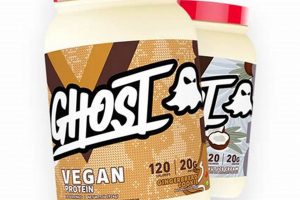
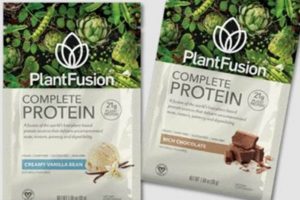
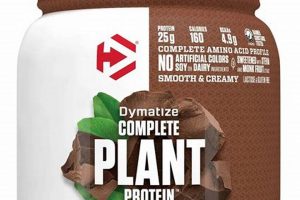
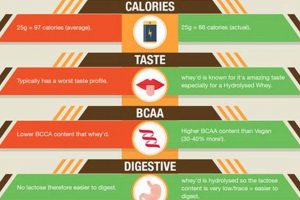
Dietary supplements offering concentrated protein derived from different sources are popular choices for individuals seeking to augment their protein intake. These supplements generally fall into two broad categories based on their origin: one derived from dairy and the other from plant-based sources. The selection between these options often depends on dietary restrictions, personal preferences, and specific health goals.
The significance of these protein supplements lies in their ability to support muscle growth and repair, aid in weight management, and contribute to overall health and wellness. Their historical context reveals a growing awareness of the role of protein in human physiology, coupled with advancements in food processing technology that allow for the efficient extraction and concentration of protein from various sources. This has led to a diverse market catering to a wide range of consumer needs.
The following sections will delve into a comparative analysis of dairy-derived and plant-based protein supplements, examining their nutritional profiles, digestibility, potential benefits, and considerations for different consumer groups. This comparison will enable informed decision-making regarding which protein supplement best aligns with individual requirements and objectives.
Considerations for Protein Supplement Selection
Choosing between different forms of protein supplements requires careful consideration of several factors. The following tips provide guidance to aid in making an informed decision.
Tip 1: Evaluate Dietary Restrictions and Allergies: Individuals with lactose intolerance or dairy allergies should opt for plant-based alternatives to avoid adverse reactions. Conversely, those with soy or gluten sensitivities should scrutinize the ingredients of vegan options.
Tip 2: Assess Protein Digestibility: Dairy-derived proteins are often considered highly digestible and bioavailable. Plant-based proteins can vary in digestibility based on their source and processing methods. Look for products with high digestibility scores.
Tip 3: Analyze Amino Acid Profiles: Complete proteins contain all nine essential amino acids. Ensure that the selected product provides an adequate amount of these essential building blocks for optimal muscle protein synthesis. Consider blending different plant-based sources to achieve a more complete amino acid profile.
Tip 4: Review Ingredient Lists and Additives: Examine the label for artificial sweeteners, fillers, and other additives. Opt for products with minimal processing and recognizable ingredients.
Tip 5: Determine Individual Protein Needs: Protein requirements vary based on activity level, body weight, and fitness goals. Calculate daily protein needs and select a supplement that complements dietary intake.
Tip 6: Compare Protein Content per Serving: Carefully check the amount of protein in each serving. Also, consider the presence of carbohydrates and fats to ensure they align with one’s dietary needs.
Tip 7: Research Brand Reputation and Third-Party Testing: Prioritize brands that conduct third-party testing for purity and potency. This helps ensure product quality and accuracy of label claims.
By carefully evaluating these factors, individuals can choose a protein supplement that aligns with their unique needs and preferences, supporting their overall health and fitness goals.
The following sections will summarize the critical differences between dairy and plant-based protein supplements.
1. Source

The foundational distinction between whey and vegan protein powders lies in their origin or “source.” Whey protein is a derivative of cow’s milk, specifically a byproduct of cheese production. This process yields a protein-rich liquid that is then processed and dried into a powdered form. The significance of this dairy origin is that it inherently carries the characteristics of animal-based protein, influencing its amino acid profile and digestibility. For instance, individuals adhering to a vegan lifestyle or those with lactose intolerance will find this source inherently unsuitable. The “source” directly determines the classification of the supplement, with the production process subsequently refining the protein content and form.
In contrast, vegan protein powders derive their protein from plant-based sources. Common examples include soy, pea, rice, hemp, and blends thereof. Each plant source contributes a unique amino acid composition, requiring careful formulation to achieve a complete amino acid profile comparable to whey. The “source” here dictates the potential allergenic properties, as soy is a known allergen for some. The method of extraction and processing from these varied plant materials also plays a crucial role in the final product’s texture, taste, and protein concentration. Therefore, understanding the “source” informs consumers about the expected protein composition, potential allergens, and suitability for specific dietary needs.
In summary, the “source” is the defining attribute differentiating whey from vegan protein supplements. This factor dictates the fundamental suitability for specific dietary constraints, influences the amino acid profile, and contributes to other characteristics such as digestibility and potential allergenic properties. Recognition of the “source” is therefore critical for consumers seeking to align supplement choices with their individual requirements and ethical considerations.
2. Amino Acids

Amino acids are the fundamental building blocks of protein, and their composition significantly differentiates whey and vegan protein powders. These organic compounds combine to form proteins, which are crucial for various physiological processes, including muscle protein synthesis, enzyme production, and immune function. The completeness of a protein source, defined by the presence of all nine essential amino acids in adequate proportions, is a key factor in evaluating its nutritional quality. Whey protein, derived from dairy, is generally considered a complete protein source, naturally containing sufficient quantities of all essential amino acids. This characteristic contributes to its popularity among athletes and individuals seeking to optimize muscle recovery and growth. Insufficient intake of essential amino acids can hinder these processes, emphasizing the importance of assessing the amino acid profile of protein supplements. For instance, leucine, an essential amino acid, plays a critical role in initiating muscle protein synthesis, and whey protein typically has a high concentration of this amino acid.
Vegan protein powders, sourced from plants, often present a different amino acid profile. While some plant-based sources, such as soy, are complete proteins, others, including pea, rice, and hemp, may be limiting in one or more essential amino acids. Lysine, methionine, and threonine are frequently the limiting amino acids in common vegan protein sources. To address this, vegan protein powders often incorporate blends of different plant sources to create a more complete amino acid profile. For example, combining rice protein, which is rich in methionine, with pea protein, which is rich in lysine, can result in a more balanced amino acid composition. The effectiveness of these blends depends on the specific proportions and the overall amino acid content. The practical implication of this understanding is that individuals relying on vegan protein powders need to be mindful of the amino acid composition and consider strategies to ensure adequate intake of all essential amino acids, either through supplementation or dietary diversity.
In summary, the amino acid profile is a critical differentiating factor between whey and vegan protein powders. Whey protein naturally provides a complete and readily available source of essential amino acids, while vegan protein powders may require careful formulation or dietary planning to achieve similar completeness. Challenges in ensuring adequate essential amino acid intake with vegan protein powders can be mitigated through strategic blending of plant sources and a focus on overall dietary diversity. This understanding is essential for individuals seeking to optimize their protein intake based on their dietary preferences and physiological needs.
3. Digestibility

Digestibility, defined as the extent to which a protein is broken down and absorbed by the body, is a critical factor influencing the effectiveness of any protein supplement. Its relevance to the choice between whey and vegan protein powders stems from the inherent differences in their composition and the physiological processes required for their breakdown. The digestibility of a protein directly impacts its bioavailability and the extent to which it can contribute to muscle protein synthesis and other essential functions.
- Enzyme Specificity
Different protein sources require specific enzymes for efficient breakdown. Whey protein, derived from dairy, is efficiently digested by proteases present in the human digestive system. Conversely, some plant-based proteins contain enzyme inhibitors that can hinder their digestion. For example, trypsin inhibitors found in soy can reduce the efficiency of protein breakdown, potentially lowering the bioavailability of amino acids. This enzyme specificity underscores the importance of considering the origin of the protein and its interaction with the digestive system.
- Fiber Content
Plant-based protein sources often contain higher amounts of fiber compared to whey protein. While fiber is beneficial for overall health, excessive fiber can interfere with protein digestion and absorption. The presence of fiber can slow down the digestive process and bind to certain amino acids, reducing their bioavailability. This effect is more pronounced in individuals with sensitive digestive systems. In the context of protein supplements, manufacturers often isolate protein from the fiber content of plant sources to improve digestibility.
- Processing Methods
The processing methods employed in the production of protein powders can significantly impact their digestibility. Whey protein isolates and hydrolysates undergo extensive processing to remove lactose and other non-protein components, resulting in a highly digestible protein source. Similarly, various techniques, such as enzymatic treatment and fermentation, are used to improve the digestibility of plant-based proteins. These methods aim to reduce the presence of enzyme inhibitors and break down complex protein structures into smaller, more readily absorbed peptides and amino acids. The choice of processing method is crucial in determining the final digestibility of both whey and vegan protein powders.
- Individual Gut Microbiome
The composition of an individual’s gut microbiome can also influence protein digestibility. The gut microbiota plays a role in breaking down complex proteins and releasing amino acids for absorption. Differences in the microbial composition can affect the efficiency with which both whey and vegan proteins are digested. For instance, individuals with a diverse and healthy gut microbiome may be better equipped to digest a wider range of protein sources, including those from plant-based sources that are typically considered less digestible. The gut microbiome represents a personalized factor that can modulate the digestive response to different protein supplements.
In conclusion, digestibility is a multifaceted attribute influenced by enzyme specificity, fiber content, processing methods, and the individual’s gut microbiome. The comparison of whey and vegan protein powders necessitates consideration of these factors to determine the efficiency of protein breakdown and absorption. While whey protein is often considered highly digestible, advancements in processing techniques have significantly improved the digestibility of plant-based proteins, making them viable alternatives for individuals seeking to optimize their protein intake. The selection of the most suitable protein supplement should therefore take into account individual digestive health and tolerance, as well as the specific characteristics of the protein source and its processing.
4. Allergens

The presence of allergens constitutes a significant consideration when selecting protein powders, particularly when comparing dairy-derived whey and plant-based vegan options. Allergens are substances that trigger an immune response in susceptible individuals, leading to a range of symptoms from mild discomfort to severe, life-threatening reactions. The protein source itself, as well as cross-contamination during manufacturing, can introduce allergens into these supplements. Understanding the potential allergenic components of both whey and vegan protein powders is crucial for informed decision-making, particularly for individuals with known allergies or sensitivities.
Whey protein, derived from milk, poses a risk to individuals with lactose intolerance or milk allergies. Lactose intolerance involves difficulty digesting lactose, a sugar found in milk, leading to gastrointestinal distress. A milk allergy, on the other hand, is an immune response to milk proteins, such as casein and whey, potentially causing skin reactions, respiratory problems, or anaphylaxis. Whey protein concentrates contain varying levels of lactose, while whey protein isolates and hydrolysates undergo processing to reduce lactose content, potentially making them more tolerable for some lactose-intolerant individuals. However, even trace amounts of milk proteins can trigger allergic reactions in highly sensitive individuals. Individuals with a confirmed milk allergy should exercise extreme caution and avoid whey protein products, opting instead for rigorously tested, dairy-free alternatives. Conversely, plant-based alternatives are not without risk. For example, soy protein, a common ingredient in vegan protein powders, is a known allergen. Other potential allergens in vegan protein powders include gluten (present in some grain-based proteins), nuts (found in certain seed or nut-based blends), and various legumes. Therefore, thorough scrutiny of product labels is essential to identify and avoid potential allergens.
In conclusion, allergens represent a critical safety consideration in the selection of protein powders. Individuals with allergies or sensitivities must carefully evaluate the ingredient lists and manufacturing processes of both whey and vegan protein products. Cross-contamination during manufacturing can introduce unintended allergens, highlighting the importance of choosing reputable brands that adhere to strict quality control measures. While whey protein poses a risk to individuals with milk allergies or lactose intolerance, vegan protein powders can contain a range of plant-based allergens. A meticulous approach to label reading and product selection, coupled with consultation with a healthcare professional or registered dietitian, can mitigate the risk of allergic reactions and ensure the safe and effective use of protein supplements.
5. Taste
The palatability, or “taste,” of protein supplements directly influences adherence to dietary regimens. This characteristic constitutes a critical, albeit subjective, factor in the comparative evaluation of whey and vegan protein powders. While nutritional content and digestibility are paramount, the sensory experience associated with consumption significantly impacts long-term use. Unfavorable taste profiles can lead to decreased compliance, negating the potential benefits derived from the supplement. The inherent properties of the source material, processing methods, and added flavorings all contribute to the final taste characteristics.
Whey protein, in its unflavored form, possesses a mildly milky taste, which many find acceptable or easily masked with other ingredients. However, the taste can vary depending on the type of whey protein. Whey protein concentrates, containing higher levels of lactose and fat, may have a more pronounced dairy flavor compared to whey protein isolates and hydrolysates, which undergo more extensive processing. The addition of artificial sweeteners, natural flavors, and other additives aims to improve palatability and offer a range of taste options. Conversely, vegan protein powders often exhibit distinct earthy or plant-like flavors, depending on the source material. Pea protein, for instance, may impart a slightly bitter or bean-like taste, while brown rice protein can have a subtle nutty flavor. Manufacturers frequently employ masking agents and flavor combinations to mitigate these inherent taste characteristics. The effectiveness of these attempts varies, and individual preferences play a significant role in the perceived palatability.
Ultimately, the impact of “taste” on protein supplement selection is profound. Individuals are more likely to consistently consume a protein powder that is palatable and enjoyable. Therefore, careful consideration of taste preferences, along with experimentation with different brands and flavors, is essential for optimizing adherence and achieving desired dietary outcomes. While nutritional content and digestibility remain paramount, the sensory experience cannot be overlooked, as it directly influences the practicality and sustainability of protein supplementation. The interplay between “taste” and individual preferences therefore dictates the success, or failure, of incorporating protein supplements into a long-term dietary strategy.
6. Cost
The economic component is an important factor that impacts the choice between whey-based and plant-based protein supplements. Price points often vary based on manufacturing processes, ingredient sourcing, and market demand. Whey protein, being a byproduct of cheese production, may benefit from existing infrastructure, potentially leading to lower production costs. Conversely, plant-based protein sources may necessitate specialized farming practices and extraction methods, impacting their economic viability. The consumer must carefully weigh the cost per serving in relation to the protein content and overall quality to make an informed purchasing decision. For instance, whey protein concentrate is often positioned as a budget-friendly option, while whey protein isolate, undergoing more refinement, may command a higher price.
Analysis of the pricing landscape reveals a diverse array of factors influencing product costs. The increasing popularity of veganism and plant-based diets has fueled demand for vegan protein powders. This increased demand can lead to higher prices, particularly for less common or more difficult-to-source plant proteins. Further complicating matters are the potential price fluctuations in agricultural commodities, which can directly affect the cost of plant-based protein supplements. Brands also differentiate their products through added ingredients, flavoring systems, and packaging, which can contribute to price premiums. A consumer comparing two seemingly similar products may observe significant price differences stemming from these factors, necessitating careful evaluation of ingredient lists and brand reputations.
In summary, cost is a decisive element in selecting between whey and vegan protein supplements. The economic landscape is shaped by supply chain efficiencies, agricultural market dynamics, and brand-specific value propositions. Consumers should assess cost per serving, critically evaluate ingredient lists, and consider brand reputation to make financially sound decisions that align with their dietary needs and budgetary constraints.
7. Bioavailability

Bioavailability, in the context of protein supplements, signifies the degree and rate at which ingested protein, specifically its constituent amino acids, are absorbed into the systemic circulation and become available for utilization within the body. It directly influences the efficacy of a protein source in supporting muscle protein synthesis, tissue repair, and other physiological processes. The inherent characteristics of both whey and vegan protein powders, coupled with individual factors such as digestive efficiency and gut health, significantly impact bioavailability. Therefore, an understanding of bioavailability is crucial for determining the optimal protein supplement for individual needs.
Whey protein is often lauded for its high bioavailability, a characteristic attributed to its rapid digestion and absorption rates. Its amino acid profile, rich in essential amino acids and branched-chain amino acids (BCAAs), particularly leucine, further enhances its effectiveness in stimulating muscle protein synthesis. Studies have demonstrated that whey protein leads to a more pronounced postprandial increase in amino acid concentrations in the bloodstream compared to some plant-based protein sources. However, factors such as processing methods and individual digestive capabilities can modulate the bioavailability of whey protein. Vegan protein powders, derived from sources such as soy, pea, rice, and hemp, exhibit variable degrees of bioavailability. Plant-based proteins often contain antinutritional factors, such as phytates and tannins, which can bind to minerals and proteins, hindering their absorption. Processing techniques, such as enzymatic treatment and fermentation, aim to mitigate these effects and enhance bioavailability. For instance, sprouted grains and legumes are often used to improve the digestibility and bioavailability of vegan protein sources. Additionally, combining different plant-based protein sources can create a more complete amino acid profile and potentially improve overall protein utilization.
In summary, bioavailability is a critical determinant of protein supplement efficacy, with whey protein generally considered to possess high bioavailability due to its rapid digestion and complete amino acid profile. Vegan protein powders, while potentially limited by antinutritional factors, can achieve comparable bioavailability through optimized processing techniques and strategic blending of different plant sources. The ideal protein supplement choice must consider individual digestive capabilities and dietary needs, with careful attention to bioavailability as a key factor in maximizing protein utilization and achieving desired health and fitness outcomes.
Frequently Asked Questions
The following section addresses common inquiries surrounding the utilization of both whey-based and plant-based protein supplements. These answers aim to clarify concerns and provide guidance for informed decision-making.
Question 1: Is whey protein inherently superior to vegan protein for muscle growth?
While whey protein’s amino acid profile and rapid digestion are advantageous, effective muscle growth can be achieved with vegan protein through strategic source combinations and adequate caloric intake. The overall protein quantity and training regimen are critical determinants.
Question 2: Are vegan protein powders less digestible than whey protein?
Traditional processing methods for certain plant-based proteins can indeed reduce digestibility. However, modern techniques like enzyme treatments and sprouting enhance the breakdown and absorption of plant proteins, mitigating this concern.
Question 3: Can individuals with lactose intolerance consume whey protein?
Whey protein isolate and hydrolysate undergo processing to reduce lactose content and may be tolerated by some. However, those with severe lactose intolerance or milk allergies should exercise caution and opt for vegan alternatives.
Question 4: Are vegan protein powders necessarily more expensive than whey protein?
The cost can fluctuate depending on ingredient sourcing and manufacturing. Certain common vegan protein sources, like soy, can be cost-competitive with whey concentrate, while specialized or blended vegan options may carry a premium.
Question 5: Do vegan protein powders provide a complete amino acid profile?
Not all single-source vegan proteins offer a complete profile. Supplementing with blended vegan protein powders, combining sources like pea, rice, and soy, is one of the effective strategy to ensure an adequate intake of all essential amino acids.
Question 6: Is cross-contamination a concern with either whey or vegan protein powders?
Yes. During manufacturing, facilities processing multiple products pose a risk of cross-contamination. Individuals with severe allergies should choose brands with rigorous testing protocols and dedicated production lines to minimize this risk.
These FAQs emphasize that the selection between protein supplements necessitates an appreciation of individual needs, dietary restrictions, and supplement characteristics. There is no universally superior option.
Protein Powder
This exploration of “protein powder whey vs vegan” highlights critical distinctions in source, amino acid profile, digestibility, allergenicity, taste, cost, and bioavailability. While whey protein offers advantages in terms of complete amino acid content and rapid absorption, vegan protein powders provide viable alternatives that cater to specific dietary needs and ethical considerations. The selection hinges on individual requirements and a thorough evaluation of these key attributes.
The ultimate decision regarding protein supplementation necessitates careful consideration of individual circumstances, including dietary restrictions, potential allergies, and personal preferences. Informed choices, guided by a comprehensive understanding of the properties of whey and vegan protein powders, contribute to optimized health outcomes and well-being. Future research may yield further insights into the long-term effects of different protein sources, refining our understanding and enabling even more personalized recommendations.