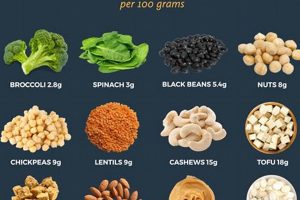
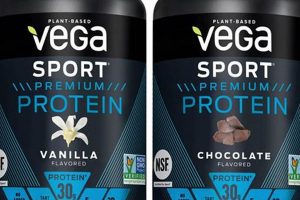
Plant-based protein sources, consumed consistently throughout an individual’s life, offer a complete nutritional profile derived exclusively from non-animal origins. Examples include combinations of legumes, grains, nuts, and seeds designed to provide all essential amino acids necessary for bodily functions and overall well-being from infancy to old age. This dietary approach contrasts with protein acquisition from animal products.
The significance of sustained plant-based protein consumption lies in its potential to support long-term health, contributing to muscle maintenance, cellular repair, and enzyme production. Historically, various cultures have thrived on predominantly plant-based diets, demonstrating the feasibility of obtaining sufficient protein through strategic food choices. A commitment to this dietary lifestyle can reduce reliance on animal agriculture, with potential environmental benefits and ethical considerations.
The subsequent sections will delve into specific considerations for individuals adopting a wholly plant-based protein intake, including optimal food combinations, supplementation strategies where necessary, and addressing potential nutritional deficiencies. Furthermore, the article will examine the role of these protein sources in specific life stages and address common misconceptions surrounding plant-based diets.
Guidance for Sustained Plant-Based Protein Consumption
The following recommendations are intended to facilitate the effective incorporation of plant-based protein sources into a lifelong dietary strategy. Implementation of these suggestions can promote optimal health outcomes and nutritional adequacy.
Tip 1: Prioritize Dietary Diversity. Consumption of a wide range of plant-based foods, including legumes, grains, nuts, seeds, vegetables, and fruits, ensures a comprehensive intake of essential nutrients and amino acids. Reliance on a limited selection of foods may increase the risk of nutritional deficiencies.
Tip 2: Strategically Combine Complementary Proteins. Certain plant-based foods, such as rice and beans, possess complementary amino acid profiles. The consumption of these foods together provides a complete protein source, fulfilling the body’s amino acid requirements more effectively.
Tip 3: Monitor Vitamin B12 Intake. Vitamin B12 is not naturally produced by plants. Therefore, supplementation or consumption of fortified foods is critical for individuals adhering to a wholly plant-based diet to prevent deficiency and associated neurological complications.
Tip 4: Ensure Adequate Iron Consumption. Plant-based sources of iron, known as non-heme iron, are less readily absorbed than heme iron from animal products. To enhance iron absorption, consume iron-rich foods in combination with vitamin C-rich foods, such as citrus fruits or bell peppers.
Tip 5: Pay Attention to Calcium Needs. Plant-based sources of calcium include fortified plant milks, tofu processed with calcium sulfate, and leafy green vegetables. Adequate calcium intake is essential for bone health, particularly during periods of growth and aging.
Tip 6: Understand Individual Protein Requirements. Protein needs vary based on age, sex, activity level, and overall health status. Consult with a registered dietitian or healthcare professional to determine individualized protein targets and ensure adequate intake.
Tip 7: Emphasize Whole, Unprocessed Foods. Prioritize the consumption of whole, minimally processed plant-based foods over highly processed vegan alternatives, which may be high in sodium, unhealthy fats, and added sugars. This approach promotes overall health and reduces the risk of chronic diseases.
Adherence to these guidelines can facilitate a nutritionally adequate and sustainable approach to plant-based protein consumption, supporting long-term health and well-being.
The following section will further examine the specific challenges and considerations associated with plant-based protein intake across different life stages.
1. Completeness of Amino Acids

The concept of amino acid completeness is paramount when considering a lifelong commitment to plant-based protein sources. Unlike animal proteins, which generally contain all essential amino acids in sufficient quantities, plant proteins often lack one or more of these building blocks, or contain them in sub-optimal amounts. Addressing this discrepancy is crucial for ensuring adequate protein synthesis and overall physiological function over the course of an individual’s life.
- Limiting Amino Acids
Certain amino acids are deemed “limiting” in specific plant-based foods. For example, legumes are often low in methionine, while grains are frequently deficient in lysine. Insufficient intake of a limiting amino acid can hinder the body’s ability to utilize other amino acids effectively, potentially impacting muscle growth, immune function, and hormone production. Understanding these limitations is the first step in crafting a nutritionally complete vegan diet.
- Protein Combining Strategies
The strategic combination of plant-based foods addresses the issue of limiting amino acids. Consuming complementary proteinsthose that provide the amino acids lacking in otherswithin a relatively short timeframe (though not necessarily in the same meal) creates a complete amino acid profile. A classic example is the combination of beans and rice, where the lysine in beans compensates for the deficiency in rice, and vice versa. This practice, known as protein combining, allows individuals to obtain all essential amino acids from plant sources alone.
- Impact on Physiological Processes
The availability of complete amino acids directly influences various physiological processes. Amino acids serve as precursors for numerous hormones, enzymes, and neurotransmitters. A deficiency in one or more essential amino acids can disrupt these processes, potentially leading to adverse health outcomes over time. Therefore, ensuring a complete amino acid intake is vital for maintaining optimal physiological function throughout life on a vegan diet.
- Considerations for Different Life Stages
Protein and amino acid requirements vary significantly across different life stages, from infancy and childhood, to adulthood and old age. Infants and children, for instance, require higher protein intakes to support growth and development. Meeting these elevated needs solely through plant-based sources necessitates careful planning and attention to ensure that all essential amino acids are adequately supplied. Similarly, older adults may require increased protein intake to combat age-related muscle loss (sarcopenia), further emphasizing the importance of complete protein sources.
In conclusion, the concept of amino acid completeness is not merely a theoretical concern but a practical imperative for individuals pursuing a lifelong vegan protein approach. Through strategic food combinations and an understanding of individual protein needs across the lifespan, a complete amino acid profile can be achieved, supporting optimal health and well-being while adhering to a plant-based dietary lifestyle.
2. Bioavailability Optimization

Bioavailability, defined as the degree to which a nutrient is absorbed and utilized by the body, is a critical consideration for those adhering to a lifelong vegan protein regimen. Plant-based foods, while rich in protein and other essential nutrients, often contain compounds that can inhibit the absorption of these nutrients. Therefore, optimizing bioavailability becomes paramount to ensuring adequate nutrient status and overall health throughout an individual’s life. Failure to address bioavailability concerns can undermine the potential benefits of plant-based proteins, leading to deficiencies and related health complications.
Several factors influence the bioavailability of nutrients in plant-based diets. Phytates, found in grains and legumes, bind to minerals such as iron, zinc, and calcium, reducing their absorption. Oxalates, present in spinach and rhubarb, can similarly inhibit calcium absorption. Tannins, found in tea and coffee, can interfere with iron absorption. However, strategies exist to mitigate these inhibitory effects. Soaking, sprouting, and fermenting grains and legumes can reduce phytate content. Consuming vitamin C-rich foods alongside iron-rich plant sources enhances iron absorption. Selecting calcium-rich plant foods with lower oxalate content, or employing cooking methods that reduce oxalate levels, can improve calcium bioavailability. Furthermore, the presence of other nutrients, such as vitamin D, can positively influence the absorption of calcium. These strategies become increasingly important as individuals rely solely on plant-based sources for their protein and micronutrient needs across their lifespan.
In conclusion, bioavailability optimization is not merely an ancillary consideration, but an integral component of a successful, lifelong vegan protein strategy. Understanding the factors that influence nutrient absorption, and implementing strategies to enhance bioavailability, is essential for ensuring adequate nutrient status and preventing deficiencies. The proactive management of bioavailability concerns contributes significantly to the long-term health and well-being of individuals committed to plant-based protein sources. While plant-based diets can provide ample protein and nutrients, maximizing their absorption is crucial for sustained health benefits.
3. Individual Protein Needs
The nexus between individual protein requirements and a lifetime commitment to vegan protein sources is a critical determinant of long-term health outcomes. Varied physiological states, activity levels, and age-related changes dictate the quantity and quality of protein necessary to maintain optimal bodily functions. A one-size-fits-all approach is inadequate; therefore, understanding and addressing these individualized needs forms the bedrock of a successful, sustainable plant-based dietary strategy. Failure to adequately meet individual protein demands, even with a meticulously planned vegan diet, can result in adverse consequences, including muscle loss, impaired immune function, and hormonal imbalances.
Practical examples underscore the significance of this connection. An endurance athlete adhering to a vegan diet requires a significantly higher protein intake compared to a sedentary individual following the same dietary pattern. Similarly, older adults often experience a decline in muscle mass (sarcopenia) and require increased protein consumption to mitigate this loss. Pregnant and lactating women also have elevated protein needs to support fetal development and milk production. Simply adopting a vegan lifestyle without adjusting protein intake to accommodate these physiological demands is insufficient and potentially detrimental. Furthermore, the bioavailability of protein from plant sources, as previously discussed, necessitates careful consideration when calculating individual protein requirements. Adjustments may be needed to account for potential differences in absorption compared to animal-based protein sources.
In conclusion, individual protein needs are not an extraneous factor but an intrinsic component of a lifetime vegan protein approach. Recognizing the influence of physiological state, activity level, and age on protein requirements is essential for tailoring a plant-based diet that supports optimal health throughout life. Ignoring these individualized needs can negate the potential benefits of a vegan diet and lead to adverse health consequences. Accurate assessment and proactive adjustments are paramount to ensuring a sustainable and nutritionally adequate plant-based protein strategy.
4. Nutritional Synergies
The concept of nutritional synergies constitutes a foundational element in the successful implementation of a lifelong vegan protein strategy. This principle underscores the interconnectedness of nutrients, highlighting how their combined effects surpass the sum of their individual contributions. Understanding and leveraging these synergies is crucial for optimizing health outcomes when relying solely on plant-based protein sources for an entire lifetime.
- Vitamin C and Iron Absorption
Non-heme iron, the form of iron found in plant-based foods, exhibits lower bioavailability compared to heme iron from animal sources. However, the concurrent consumption of vitamin C significantly enhances non-heme iron absorption. Vitamin C acts as a reducing agent, converting ferric iron (Fe3+) to ferrous iron (Fe2+), the form more readily absorbed by the intestinal cells. Examples include pairing iron-rich lentils with vitamin C-rich bell peppers or spinach. This synergy is essential for preventing iron deficiency, a common concern among vegans.
- Calcium and Vitamin D
Calcium is vital for bone health and numerous physiological functions. Vitamin D plays a crucial role in facilitating calcium absorption in the intestines. While some plant-based foods contain calcium, vitamin D deficiency can hinder its effective utilization. Fortified plant-based milks, coupled with sunlight exposure or vitamin D supplementation, exemplify this synergy. Maintaining adequate vitamin D levels is critical for ensuring calcium absorption and supporting bone density throughout life.
- Prebiotics and Probiotics for Gut Health
The gut microbiome plays a significant role in nutrient absorption, immune function, and overall health. Prebiotics, such as fiber from fruits, vegetables, and whole grains, serve as food for beneficial gut bacteria (probiotics). A healthy gut microbiome enhances the digestion and absorption of nutrients, including amino acids from plant-based proteins. Consuming a diet rich in both prebiotics and probiotics fosters a synergistic relationship that promotes optimal gut health and nutrient utilization.
- Omega-3 Fatty Acids and Anti-Inflammatory Compounds
Plant-based sources of omega-3 fatty acids, such as flaxseeds, chia seeds, and walnuts, provide alpha-linolenic acid (ALA), a precursor to EPA and DHA. While the conversion of ALA to EPA and DHA is often limited, consuming these foods in conjunction with anti-inflammatory compounds, such as those found in colorful fruits and vegetables, can enhance the overall health benefits. The synergistic effect of omega-3s and anti-inflammatory compounds contributes to cardiovascular health, brain function, and inflammation reduction, all of which are essential for long-term well-being.
These synergistic relationships exemplify the importance of a holistic approach to nutrition within the context of a lifelong vegan protein strategy. Focusing solely on protein intake without considering the interactions between nutrients can limit the effectiveness of the diet. By strategically combining foods to leverage these synergies, individuals can maximize nutrient absorption and utilization, thereby promoting optimal health and well-being throughout their lives on a plant-based diet.
5. Long-Term Sustainability

The long-term sustainability of a dietary pattern is inextricably linked to its feasibility and impact on both individual health and the environment. A dietary approach, regardless of its theoretical benefits, cannot be considered viable if it compromises ecological integrity or individual well-being over extended periods. In the context of a “lifetime vegan protein” strategy, sustainability encompasses environmental, economic, and nutritional dimensions. Environmental sustainability addresses the ecological footprint of food production, encompassing factors such as land use, water consumption, greenhouse gas emissions, and biodiversity. Economic sustainability pertains to the affordability and accessibility of plant-based protein sources. Nutritional sustainability centers on the ability to meet long-term nutrient requirements without reliance on unsustainable practices or excessive supplementation.
Adopting a “lifetime vegan protein” approach presents both opportunities and challenges in terms of long-term sustainability. Plant-based agriculture, in many instances, requires less land and water compared to animal agriculture, resulting in a smaller environmental footprint. However, the sustainability of specific plant-based foods depends on factors such as farming practices, transportation distances, and processing methods. For example, the production of certain plant-based protein isolates may involve energy-intensive processes that negate some of the environmental benefits. Similarly, reliance on imported plant-based foods can increase transportation-related emissions. To enhance the long-term sustainability of a vegan protein strategy, it is imperative to prioritize locally sourced, sustainably grown, and minimally processed plant-based foods. Furthermore, promoting diversified cropping systems and agroecological practices can enhance soil health and biodiversity, contributing to the resilience of plant-based food production systems. An example of this is the increased popularity and viability of regenerative agriculture practices. These practices improve water retention, reduce the need for artificial fertilizers, and increase carbon sequestration in soil, resulting in overall more sustainable plant based food systems.
Ultimately, the long-term sustainability of a “lifetime vegan protein” strategy hinges on a holistic approach that considers both environmental and nutritional factors. While plant-based diets often offer significant environmental advantages, careful planning is essential to ensure nutritional adequacy and minimize unintended ecological consequences. By prioritizing sustainably sourced, minimally processed plant-based foods, promoting diversified cropping systems, and addressing potential nutritional deficiencies, individuals can contribute to a more sustainable and ethical food system while supporting their long-term health and well-being. Addressing both environmental impact and nutrition guarantees the sustainability of “lifetime vegan protein” strategies.
Frequently Asked Questions Regarding Lifetime Vegan Protein
The following section addresses common inquiries and concerns pertaining to the adoption and maintenance of a plant-based protein intake strategy throughout an individual’s life. The information provided aims to clarify misconceptions and offer evidence-based guidance.
Question 1: Is it possible to obtain sufficient protein from plant-based sources to meet the needs of all life stages?
Yes, it is indeed possible. However, meticulous planning and an understanding of nutritional principles are essential. Strategic combinations of plant-based foods, such as legumes, grains, nuts, and seeds, provide a complete amino acid profile. Individual protein requirements vary based on age, activity level, and physiological state, necessitating personalized dietary adjustments.
Question 2: What are the potential health risks associated with a long-term vegan diet lacking in adequate protein?
Insufficient protein intake, regardless of dietary source, can lead to muscle loss (sarcopenia), impaired immune function, hormonal imbalances, and increased susceptibility to infections. In children, inadequate protein consumption can hinder growth and development. Careful monitoring of protein intake and addressing potential deficiencies are crucial for mitigating these risks.
Question 3: Does a “lifetime vegan protein” strategy require supplementation?
While a well-planned plant-based diet can provide most essential nutrients, vitamin B12 supplementation or consumption of fortified foods is generally necessary, as vitamin B12 is not naturally produced by plants. In certain cases, vitamin D, iron, or omega-3 fatty acid supplementation may also be warranted, particularly for individuals with specific dietary restrictions or underlying health conditions. Routine monitoring of nutrient status can help identify and address potential deficiencies.
Question 4: Are plant-based protein sources as bioavailable as animal-based proteins?
The bioavailability of certain nutrients, including iron and zinc, can be lower in plant-based foods due to the presence of phytates and other compounds that inhibit absorption. However, strategies such as soaking, sprouting, and fermenting grains and legumes can reduce phytate content and enhance bioavailability. Consuming vitamin C-rich foods alongside iron-rich plant sources can also improve iron absorption. Attention to these factors is essential for optimizing nutrient status.
Question 5: How does a lifelong commitment to plant-based protein sources affect athletic performance?
A well-planned vegan diet can support athletic performance at all levels. Meeting the elevated protein needs of athletes requires careful attention to protein intake and timing, as well as ensuring adequate intake of other essential nutrients, such as iron, zinc, and creatine. With proper planning, athletes can achieve optimal performance while adhering to a plant-based dietary lifestyle.
Question 6: What are the environmental implications of widespread adoption of plant-based protein sources?
A shift towards plant-based diets has the potential to significantly reduce the environmental impact of food production. Plant-based agriculture generally requires less land and water, generates fewer greenhouse gas emissions, and contributes less to deforestation compared to animal agriculture. However, the sustainability of specific plant-based foods depends on factors such as farming practices, transportation distances, and processing methods. Prioritizing locally sourced, sustainably grown, and minimally processed plant-based foods can further enhance the environmental benefits.
In summary, the successful adoption of a “lifetime vegan protein” strategy necessitates careful planning, a thorough understanding of nutritional principles, and attention to individual needs. By addressing potential challenges and implementing evidence-based strategies, individuals can reap the health and environmental benefits of a plant-based diet while ensuring long-term nutritional adequacy.
The following section will present case studies illustrating practical applications of the principles discussed in this article.
Conclusion
This exploration of “lifetime vegan protein” has emphasized several critical factors. Strategic food combinations, individual protein need assessments, and bioavailability considerations are paramount for sustained health. Vitamin B12 supplementation remains a consistent recommendation. Sustainability through mindful sourcing and minimal processing requires ongoing evaluation. Meeting these demands offers the possibility of a healthy future.
A commitment to this dietary choice demands diligence and informed decision-making. The significance of a well-executed “lifetime vegan protein” strategy lies not only in individual well-being, but also in its potential contribution to a more sustainable and ethical food system. Further research and ongoing education will be necessary to optimize the benefits and address the challenges associated with this dietary path.