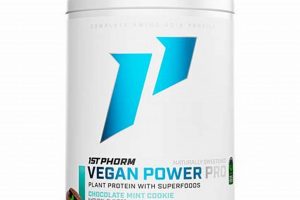
Plant-based protein supplements, formulated without the artificial sweetener stevia, represent a growing segment within the health and wellness market. These products offer individuals adhering to vegan diets, or those seeking alternatives to animal-derived proteins, a convenient method for increasing protein intake. They commonly derive their protein from sources such as peas, brown rice, soy, hemp, or combinations thereof.
The significance of these supplements lies in their ability to support muscle growth and repair, aid in weight management, and contribute to overall dietary balance. The absence of stevia is particularly appealing to individuals sensitive to its aftertaste or those preferring unsweetened options. Historically, protein supplementation relied heavily on dairy-based products; however, increasing awareness of ethical and environmental concerns, coupled with dietary restrictions, has fueled the demand for plant-based alternatives.
Subsequent discussion will delve into the various protein sources utilized in these formulations, examine the potential health advantages, and explore factors to consider when selecting a suitable product. This includes evaluating the amino acid profile, assessing the ingredient list for potential allergens or additives, and understanding the role of third-party certifications.
Guidance on Selecting Plant-Based Protein Supplements Free of Stevia
The following recommendations are intended to assist in the informed selection of a plant-based protein supplement that does not contain stevia, thereby ensuring product suitability for individual dietary needs and preferences.
Tip 1: Source Verification. Prioritize supplements with clearly identified and traceable protein sources, such as pea protein isolate, brown rice protein concentrate, or hemp seed protein. Transparency regarding origin and processing methods enhances consumer confidence in product quality.
Tip 2: Amino Acid Profile Assessment. Examine the product’s amino acid profile to ensure it provides a comprehensive array of essential amino acids. While individual plant-based proteins may be incomplete, combinations often provide a more balanced amino acid composition.
Tip 3: Ingredient List Scrutiny. Meticulously review the ingredient list for hidden sweeteners or artificial additives. Common alternatives to stevia include monk fruit extract, erythritol, and xylitol. If a truly unsweetened product is desired, the ingredient list should contain only the protein source and, potentially, natural flavoring.
Tip 4: Allergen Awareness. Consider potential allergens. Soy is a common ingredient in some plant-based protein supplements. Individuals with soy allergies should seek out products derived from alternative sources such as pea or rice.
Tip 5: Third-Party Certification Verification. Seek out products with third-party certifications, such as NSF International or Informed-Sport. These certifications indicate that the product has been independently tested for contaminants and that the label accurately reflects the contents.
Tip 6: Flavoring Considerations. Opt for unflavored varieties to avoid potential taste preferences or sensitivities. Unflavored protein powder allows for greater flexibility in customizing the flavor profile through the addition of fruits, vegetables, or other natural ingredients.
Tip 7: Digestive Tolerance Evaluation. Introduce new protein supplements gradually to assess individual digestive tolerance. Some individuals may experience gastrointestinal discomfort from certain plant-based proteins, particularly if consumed in large quantities.
Proper evaluation of product sourcing, ingredient composition, and third-party validation ensures the selected plant-based protein supplement, free of stevia, aligns with dietary goals and preferences.
The subsequent section will discuss the potential health benefits associated with incorporating this supplement type into a balanced diet.
1. Protein Source

The protein source fundamentally defines a vegan protein powder lacking stevia. The selection of a protein source such as pea, brown rice, soy, hemp, or combinations thereof directly influences the product’s amino acid profile, digestibility, and potential allergenicity. The choice dictates the supplement’s nutritional value and suitability for different individuals. For instance, a pea protein isolate offers a high concentration of protein and is generally well-tolerated but may be lower in certain amino acids compared to a blend of rice and soy protein. The effectiveness of the supplement in supporting muscle growth and repair, a primary reason for consumption, is directly tied to the quality and completeness of the protein provided by the chosen source.
Consider the example of an athlete seeking a plant-based protein source post-workout. A blend of brown rice and pea protein might be preferred over a single-source hemp protein due to the more comprehensive amino acid profile. Conversely, an individual with soy allergies would need to avoid soy-based protein powders and opt for alternatives. Manufacturers often combine different protein sources to create a more balanced amino acid profile. The practical significance of understanding the protein source lies in ensuring the consumer selects a product that aligns with their individual dietary needs, preferences, and potential sensitivities. Furthermore, the environmental impact associated with different protein sources varies, influencing the sustainability of the chosen product.
In summary, the protein source represents the cornerstone of any vegan protein powder without stevia. Its selection impacts the nutritional value, allergenicity, and suitability of the supplement for diverse individuals. Thorough evaluation of the protein source allows consumers to make informed choices that effectively support their dietary goals while aligning with their individual health requirements and ethical considerations. Recognizing the fundamental importance of protein source ensures the effectiveness and appropriateness of vegan protein supplementation.
2. Amino Acid Profile

The amino acid profile of a vegan protein supplement devoid of stevia is a critical determinant of its nutritional value and biological efficacy. The profile dictates the supplement’s ability to support protein synthesis, muscle repair, and overall health maintenance.
- Essential Amino Acid Content
Essential amino acids, those that cannot be synthesized by the human body, must be obtained through dietary sources. A complete vegan protein source must provide adequate quantities of all nine essential amino acids: histidine, isoleucine, leucine, lysine, methionine, phenylalanine, threonine, tryptophan, and valine. Deficiencies in one or more of these amino acids can limit protein synthesis. For example, a rice protein isolate may be relatively low in lysine, necessitating its combination with a lysine-rich source such as pea protein to create a more complete profile.
- Branched-Chain Amino Acids (BCAAs)
Branched-chain amino acids (BCAAs), specifically leucine, isoleucine, and valine, play a pivotal role in muscle protein synthesis and recovery. Leucine, in particular, is a key trigger for the mTOR pathway, which regulates muscle growth. Vegan protein powders with a high BCAA content are often favored by athletes and individuals engaged in resistance training. For example, a soy protein isolate typically possesses a naturally high BCAA content, making it an attractive option for muscle recovery.
- Digestibility and Bioavailability
The digestibility and bioavailability of amino acids influence the extent to which the body can absorb and utilize them. Factors such as processing methods, the presence of antinutritional factors, and individual digestive capacity can affect amino acid absorption. For instance, sprouted brown rice protein may exhibit improved digestibility compared to non-sprouted varieties. Ensuring optimal digestibility maximizes the benefits derived from the amino acid profile.
- Complementary Protein Blending
Many single-source vegan protein powders are incomplete, meaning they lack sufficient quantities of one or more essential amino acids. Complementary protein blending involves combining different plant-based protein sources to create a more complete amino acid profile. A common example is the combination of rice protein (low in lysine) with pea protein (high in lysine) to achieve a more balanced amino acid composition, mimicking that of animal-based proteins. This strategy ensures the supplement provides a wider range of essential amino acids.
The considerations above highlights the significance of the amino acid profile in determining the quality and effectiveness of a vegan protein powder excluding stevia. By carefully evaluating these facets, consumers can make informed decisions regarding product selection to meet their specific nutritional needs and fitness goals. The interplay between these aspects emphasizes that a holistic assessment of the amino acid profile is paramount in vegan protein supplementation.
3. Sweetener Alternatives

The formulation of vegan protein powder without stevia necessitates careful consideration of alternative sweetening agents or the complete omission thereof. This choice directly impacts the product’s palatability and suitability for individuals with specific taste preferences or sensitivities. The selection of a sweetener alternative must align with consumer expectations and maintain the product’s integrity.
- Monk Fruit Extract
Derived from the monk fruit, this extract offers a sweetness intensity significantly higher than sucrose. It is often perceived as having a clean taste profile with minimal aftertaste, making it a suitable alternative. However, some individuals may still detect a slight bitterness or lingering sweetness. Its use in plant-based protein supplements allows for a reduction in overall sugar content while maintaining acceptable flavor. A practical example would be a protein powder utilizing monk fruit to enhance palatability without contributing significantly to the glycemic load, appealing to individuals monitoring blood sugar levels.
- Erythritol
Erythritol, a sugar alcohol, provides approximately 70% of the sweetness of sucrose with negligible caloric content. It is generally well-tolerated, although excessive consumption may lead to gastrointestinal distress in some individuals. Erythritol possesses a cooling sensation in the mouth, which can be advantageous or disadvantageous depending on the desired flavor profile. In vegan protein powders, erythritol can be combined with other sweeteners to create a balanced sweetness level. For instance, a protein powder might blend erythritol with monk fruit to mitigate any potential aftertaste from either sweetener alone.
- Xylitol
Xylitol, another sugar alcohol, offers a sweetness comparable to sucrose. It is often used in dental products due to its purported benefits for oral health. However, xylitol is highly toxic to dogs and should be handled with caution in households with pets. While it can be used in plant-based protein supplements, its potential toxicity to animals warrants careful consideration and clear labeling. A specific instance might involve a protein powder explicitly stating “Keep away from pets” due to its xylitol content.
- Unsweetened Variants
The complete omission of sweeteners represents a valid alternative. Unsweetened plant-based protein powders offer versatility, allowing individuals to customize the flavor profile through the addition of fruits, spices, or other ingredients. This approach caters to consumers seeking maximum control over their dietary intake and avoiding any potential sensitivities to artificial or natural sweeteners. A practical application involves an individual blending an unsweetened pea protein powder with berries and almond milk to create a personalized post-workout shake.
The selection of sweetener alternatives, or the deliberate choice to offer an unsweetened product, significantly influences the market positioning and consumer appeal of vegan protein powders without stevia. Understanding the properties and potential implications of each option is paramount in formulating products that meet diverse needs and preferences. The examples provided illustrate how these sweeteners can be strategically incorporated to enhance palatability while addressing concerns related to health, safety, and individual sensitivities.
4. Ingredient Purity

Ingredient purity is a paramount concern within the realm of plant-based protein supplements lacking stevia. Consumers actively seeking these products often prioritize health consciousness and are particularly attuned to the quality and composition of the ingredients. The absence of artificial sweeteners like stevia further amplifies the focus on the purity of the remaining components.
- Heavy Metal Contamination
The presence of heavy metals such as lead, arsenic, cadmium, and mercury poses a significant threat to the safety and purity of vegan protein powders. These contaminants can be unintentionally introduced during the cultivation of plant-based protein sources or through manufacturing processes. Stringent testing protocols are essential to ensure that heavy metal levels remain within safe limits. For example, brown rice protein, a common ingredient, is known to accumulate arsenic from the soil. Therefore, rigorous testing is crucial to confirm the safety of brown rice-based protein powders. Failure to address heavy metal contamination can lead to adverse health effects and erode consumer trust.
- Pesticide Residue
Pesticides used in agriculture can leave residues on plant-based protein sources, compromising the purity of the final product. Organic certification provides a degree of assurance regarding pesticide use, but it is not always foolproof. Independent testing for pesticide residues is necessary to verify the absence of harmful chemicals. For instance, soy-based protein powders may be susceptible to pesticide contamination if derived from non-organic soybeans. Transparent sourcing practices and comprehensive testing are critical for mitigating this risk.
- Microbial Contamination
Microbial contamination, including bacteria, mold, and yeast, can occur during manufacturing or storage, impacting the safety and quality of vegan protein powders. Proper hygiene practices, controlled manufacturing environments, and effective packaging are essential to prevent microbial growth. Testing for microbial contaminants is a standard quality control measure. For example, inadequate drying processes can lead to mold growth in pea protein. Regular monitoring and adherence to strict sanitation standards are paramount in ensuring product safety.
- Undeclared Allergens
The presence of undeclared allergens, such as gluten or soy, can pose a serious risk to individuals with allergies or sensitivities. Cross-contamination during manufacturing is a common cause of undeclared allergens. Thorough cleaning of equipment and segregation of allergenic materials are essential to prevent cross-contamination. Clear labeling and allergen testing are critical for protecting consumers with food allergies. For example, a protein powder labeled as “gluten-free” should undergo testing to confirm the absence of gluten above a specified threshold.
Addressing ingredient purity is critical for plant-based protein supplements free of stevia. Through rigorous sourcing protocols, stringent testing, and transparent labeling, manufacturers can instill confidence in consumers and deliver products that genuinely promote health and well-being. The examples mentioned underscore the necessity of proactive measures to minimize contamination and safeguard the integrity of vegan protein powders.
5. Digestive Impact
The digestive impact of plant-based protein supplements, particularly those formulated without stevia, represents a crucial aspect for consumers. The absence of stevia, an artificial sweetener known to cause digestive discomfort in some individuals, shifts focus to the inherent digestibility of the protein sources themselves. The type of protein, the presence of fiber, and individual physiological factors all contribute to the overall digestive experience.
Undesirable digestive effects commonly associated with plant-based protein supplements include bloating, gas, abdominal cramping, and altered bowel habits. These effects can be attributed to several factors. Some plant-based proteins, such as those derived from legumes, naturally contain high levels of oligosaccharides, which are complex carbohydrates that the human digestive system struggles to break down efficiently. This malabsorption leads to fermentation in the colon, resulting in gas production. Furthermore, the fiber content in certain protein powders, while beneficial for overall health, can exacerbate digestive discomfort if consumed in excessive amounts or if the individual is not accustomed to a high-fiber diet. For example, a consumer unaccustomed to consuming large quantities of pea protein, known for its high fiber content, may experience bloating and flatulence. Individual sensitivities to specific plant-based proteins also play a role. Some individuals may exhibit an intolerance to soy protein, regardless of its formulation. Moreover, underlying gastrointestinal conditions, such as irritable bowel syndrome (IBS), can amplify digestive sensitivities to even the most well-tolerated protein sources. Therefore, the digestive impact significantly affects consumer satisfaction and adherence to a protein supplementation regimen.
Effective management of digestive impact necessitates a multifaceted approach. Gradual introduction of the protein supplement allows the digestive system to adapt. Careful consideration of the protein source, with awareness of potential sensitivities, is essential. Choosing protein isolates, which have undergone processing to remove some of the fiber and oligosaccharides, can improve digestibility. Enzyme supplementation, specifically enzymes that aid in the breakdown of complex carbohydrates, may alleviate digestive distress. Hydration plays a crucial role in preventing constipation associated with high-fiber intake. Ultimately, understanding and mitigating the digestive impact of plant-based protein supplements lacking stevia is critical for optimizing tolerance and realizing the intended benefits of protein supplementation.
6. Flavor Options
The range of flavor options available in the domain of plant-based protein powders formulated without stevia significantly influences consumer acceptance and long-term adherence to a protein supplementation regimen. The deliberate omission of stevia, often due to its perceived aftertaste or potential for digestive distress, necessitates the utilization of alternative flavoring strategies to enhance palatability. Flavoring impacts not only the immediate sensory experience but also the versatility of the product in culinary applications. For instance, an unflavored protein powder can be seamlessly integrated into smoothies, baked goods, or savory dishes, whereas a strongly flavored variant may be less adaptable. The selection of flavorings should ideally align with natural or minimally processed ingredients to maintain the product’s commitment to health-conscious consumers.
Flavor options in these protein powders commonly encompass natural fruit extracts, cocoa powder, vanilla bean powder, and spices such as cinnamon or nutmeg. The choice of flavoring agent directly affects the perceived sweetness, aroma, and overall sensory profile. For example, a protein powder flavored with natural cocoa powder may offer a richer, more decadent experience, while a vanilla-flavored option provides a milder, more adaptable taste. Some manufacturers may also utilize blends of flavorings to create unique and complex taste profiles. The inclusion of specific flavorings can cater to different consumer preferences and dietary needs. Unsweetened or lightly flavored options cater to individuals who prefer to control the sweetness level themselves or who wish to avoid added sugars. Furthermore, the stability and compatibility of the flavoring agents with the protein matrix are critical considerations. Certain flavorings may interact with the protein, leading to undesirable changes in texture or taste over time.
Ultimately, flavor options represent a crucial component of the success of plant-based protein powders formulated without stevia. The selection of appropriate flavorings can enhance palatability, increase versatility, and cater to diverse consumer preferences. While the absence of stevia presents a challenge in achieving optimal sweetness, the strategic utilization of natural and minimally processed flavorings can create products that are both nutritious and enjoyable. Challenges remain in maintaining flavor stability and ensuring compatibility with the protein matrix, but these can be addressed through careful formulation and rigorous quality control measures. The availability of a diverse and appealing range of flavor options contributes significantly to the widespread adoption and long-term sustainability of plant-based protein supplementation.
7. Dietary Compatibility

The selection of plant-based protein supplements devoid of stevia necessitates careful consideration of dietary compatibility, driven by the increasing prevalence of dietary restrictions and specific health concerns. The absence of stevia broadens the potential consumer base, yet underscores the importance of addressing other common allergens and sensitivities. Individuals with conditions such as celiac disease, soy allergies, or sensitivities to specific legumes require products meticulously formulated to exclude these ingredients. Failure to address dietary compatibility can result in adverse reactions, limiting the product’s appeal and potential health benefits. A vegan protein powder, irrespective of its protein source or the omission of stevia, becomes unusable for individuals if it inadvertently contains gluten through cross-contamination or includes soy despite a consumer’s soy allergy. This cause-and-effect relationship emphasizes the significance of ingredient sourcing and manufacturing processes.
The importance of dietary compatibility as a component of vegan protein powder lacking stevia is exemplified by the rise in gluten-free certifications and dedicated allergen-free manufacturing facilities. These initiatives aim to ensure that products are safe for individuals with specific dietary needs. Consider a scenario where a consumer with celiac disease consumes a plant-based protein powder marketed as healthy but unknowingly contains trace amounts of gluten due to cross-contamination during manufacturing. This exposure can trigger an immune response, leading to digestive discomfort and potential long-term health complications. Conversely, a product bearing a “Certified Gluten-Free” label provides assurance to consumers, enabling them to confidently incorporate the protein powder into their diet without risking adverse reactions. This practical significance highlights the responsibility of manufacturers to prioritize dietary compatibility and transparently communicate ingredient information.
Ultimately, dietary compatibility constitutes a crucial determinant of the overall value and accessibility of vegan protein powder formulated without stevia. Addressing common allergens and sensitivities expands the potential market and ensures that the product delivers genuine health benefits to a wider range of individuals. Challenges remain in maintaining ingredient purity and preventing cross-contamination, but these can be mitigated through rigorous testing, transparent labeling, and dedicated manufacturing practices. The future success of this product category hinges on the industry’s commitment to prioritizing dietary compatibility and fostering consumer trust through verifiable measures.
Frequently Asked Questions
The following section addresses common inquiries concerning plant-based protein supplements formulated without stevia, providing concise and evidence-based responses.
Question 1: Are plant-based protein sources nutritionally complete without animal products?
Individual plant-based protein sources may be incomplete, lacking sufficient amounts of one or more essential amino acids. However, strategic combination of different plant proteins, such as rice and pea protein, can provide a complete amino acid profile comparable to animal-derived proteins. Supplement labels should clearly indicate the amino acid composition.
Question 2: How does the absence of stevia affect the taste and formulation of these supplements?
The omission of stevia necessitates the use of alternative sweeteners like monk fruit or erythritol, or the creation of unsweetened products. The choice affects taste and palatability. Formulations require careful balancing to ensure acceptable flavor profiles without relying on artificial sweeteners.
Question 3: Are vegan protein powders without stevia suitable for individuals with allergies?
Suitability depends on the specific ingredients. Products containing soy, gluten, or other common allergens are unsuitable for those with corresponding sensitivities. Thoroughly examine the ingredient list and seek products with allergen-free certifications. Cross-contamination during manufacturing remains a potential concern.
Question 4: How do plant-based protein sources compare to whey protein in terms of muscle growth and recovery?
While whey protein is often considered the gold standard, plant-based protein sources can effectively support muscle growth and recovery when consumed in adequate amounts and with a complete amino acid profile. Leucine content is particularly important for stimulating muscle protein synthesis.
Question 5: What are the potential digestive issues associated with vegan protein powders?
Some plant-based protein sources, such as legumes, contain oligosaccharides that can cause bloating and gas. Individual tolerance varies. Introducing the supplement gradually and considering enzyme supplementation can mitigate digestive discomfort.
Question 6: What certifications should consumers look for to ensure product quality and purity?
Third-party certifications, such as NSF International, Informed-Sport, or Certified Vegan, provide assurance regarding product quality, purity, and adherence to labeling claims. These certifications verify that the product has been independently tested for contaminants and that the ingredients match the label.
In conclusion, the suitability of plant-based protein supplements formulated without stevia hinges on careful evaluation of the protein source, ingredient list, and individual dietary needs.
The subsequent section will delve into the practical application of these supplements in various dietary regimens.
Conclusion
The preceding discussion has explored various facets of plant-based protein supplements formulated without stevia. These supplements present a viable option for individuals adhering to vegan diets, managing specific health conditions, or simply seeking alternatives to animal-derived proteins and artificial sweeteners. Key considerations include protein source, amino acid profile, sweetener alternatives, ingredient purity, digestive impact, flavor options, and dietary compatibility. The proper selection of these supplements requires careful assessment of individual needs and preferences, along with a thorough understanding of product characteristics and potential implications.
The continued evolution of the market for vegan protein powder devoid of stevia hinges on transparency, rigorous testing, and a commitment to meeting diverse consumer needs. Further research into the long-term health effects of plant-based protein supplementation, combined with advancements in ingredient sourcing and manufacturing practices, will be crucial in maximizing the benefits and minimizing the potential risks associated with these products. Ultimately, informed decision-making remains paramount in integrating these supplements into a balanced and healthy lifestyle.