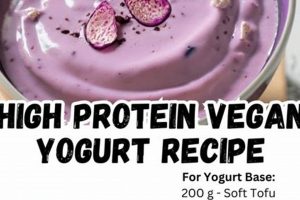
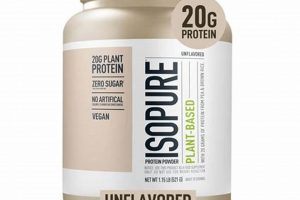
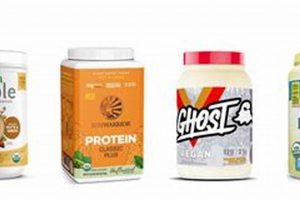
The selection of plant-based nutritional supplements offered by Protein Works caters to individuals adhering to vegan dietary principles. This range includes protein powders, snacks, and other formulations crafted without animal-derived ingredients. These products provide a source of protein derived from sources such as peas, soy, brown rice, and hemp, enabling vegans to meet their protein requirements effectively. A specific example would be a pea protein isolate powder intended for post-workout recovery.
Adopting a diet that excludes animal products presents unique challenges in achieving optimal macronutrient intake, particularly protein. Plant-based protein sources often exhibit lower bioavailability and incomplete amino acid profiles compared to animal proteins. Formulations designed for vegan diets address these limitations by combining multiple plant-based proteins to ensure a complete amino acid profile and enhanced digestibility. Historically, access to diverse and palatable vegan protein options has been limited, but advancements in food technology have significantly expanded the availability and quality of these products.
The subsequent sections will delve into the specific formulations available, analyze their nutritional profiles, and discuss their applications in supporting various fitness goals and dietary needs. Attention will also be given to the sourcing and sustainability of the ingredients used in these specialized products.
Optimizing Plant-Based Nutrition
The following recommendations aim to maximize the benefits derived from incorporating plant-based protein supplements into a vegan dietary regimen. These tips address common challenges and provide guidance on strategic implementation for optimal results.
Tip 1: Prioritize Complete Protein Sources: Ensure adequate intake of all essential amino acids. Combine complementary plant proteins such as legumes and grains, or opt for blends specifically formulated to provide a complete amino acid profile.
Tip 2: Consider Protein Timing: Distribute protein intake evenly throughout the day, particularly around periods of physical activity. Consume a serving of plant-based protein within one hour post-exercise to facilitate muscle recovery and growth.
Tip 3: Monitor Digestibility and Absorption: Plant-based proteins may exhibit lower digestibility compared to animal-based counterparts. Consider incorporating digestive enzymes or sprouted grains to enhance nutrient absorption.
Tip 4: Fortify with Micronutrients: Vegan diets may require strategic supplementation of certain micronutrients, such as vitamin B12, iron, and omega-3 fatty acids. Select protein supplements that are fortified with these essential nutrients or supplement separately.
Tip 5: Evaluate Ingredient Sourcing: Prioritize products sourced from sustainable and ethical suppliers. Investigate the origin of ingredients to minimize environmental impact and ensure responsible production practices.
Tip 6: Individualize Dosage and Frequency: Protein requirements vary based on factors such as activity level, age, and overall health status. Consult with a registered dietitian or qualified healthcare professional to determine appropriate dosage and frequency of supplementation.
Strategic application of these recommendations can significantly enhance the efficacy of plant-based protein supplementation, contributing to improved health outcomes and enhanced athletic performance.
The following sections will provide further details on specific product characteristics and their integration within a balanced vegan dietary plan.
1. Complete Amino Acid Profiles

Attaining a complete amino acid profile is critical for individuals adhering to a vegan diet, and it is a primary consideration in the formulation of plant-based protein supplements. A complete protein source contains adequate amounts of all nine essential amino acids, which the human body cannot synthesize and must obtain from dietary sources. The efficacy of plant-based protein supplements hinges on their ability to provide these essential building blocks for protein synthesis.
- Essential Amino Acid Deficiencies
Plant-based protein sources often lack one or more essential amino acids, rendering them incomplete proteins when consumed in isolation. For instance, legumes are typically low in methionine, while grains may be deficient in lysine. Failure to address these deficiencies can hinder muscle protein synthesis and overall physiological function.
- Protein Blending Strategies
Supplement manufacturers employ protein blending strategies to overcome limitations of individual plant-based sources. Combining complementary proteins, such as pea protein (rich in lysine) and rice protein (rich in methionine), can create a complete amino acid profile comparable to animal-derived proteins. These blends are formulated to ensure optimal ratios of essential amino acids.
- Bioavailability Considerations
Beyond amino acid composition, bioavailability influences the effectiveness of plant-based protein. Certain plant compounds can inhibit protein digestion and absorption. Processing techniques, such as enzymatic hydrolysis or fermentation, can improve bioavailability, making amino acids more readily available for utilization by the body.
- Impact on Muscle Protein Synthesis
The ultimate goal of consuming protein supplements is to stimulate muscle protein synthesis, which is crucial for muscle repair, growth, and maintenance. A complete amino acid profile, coupled with adequate caloric intake and resistance training, is essential for maximizing muscle protein synthesis rates. Plant-based protein supplements can effectively support muscle growth and recovery when formulated to deliver a full complement of essential amino acids.
The development of plant-based supplements with complete amino acid profiles represents a significant advancement in vegan nutrition. These formulations enable individuals to meet their protein needs effectively while adhering to ethical and environmental considerations. The integration of protein blending strategies and bioavailability enhancement techniques demonstrates a commitment to optimizing the nutritional value of plant-based protein sources. Continued research and development in this area are essential to further refine and improve the effectiveness of vegan protein supplements.
2. Bioavailability Enhancement

Bioavailability enhancement is a critical consideration within the context of plant-based protein supplementation. The inherent characteristics of plant proteins often necessitate specific processing and formulation strategies to optimize nutrient absorption and utilization within the body. These enhancements are crucial to ensuring that individuals adhering to vegan diets can effectively meet their protein requirements.
- Enzymatic Hydrolysis
Enzymatic hydrolysis involves the use of enzymes to break down protein molecules into smaller peptides and amino acids. This process can improve the digestibility and absorption rate of plant-based proteins. For example, hydrolysis of pea protein isolates results in a higher concentration of free amino acids, which are more readily absorbed by the intestinal lining. Supplement manufacturers employ enzymatic hydrolysis to increase the bioavailability of their plant-based protein products.
- Sprouting and Fermentation
Sprouting and fermentation are traditional food processing techniques that can enhance the bioavailability of nutrients in plant-based foods. Sprouting activates enzymes that break down anti-nutritional factors, such as phytic acid, which can inhibit the absorption of minerals and proteins. Fermentation introduces beneficial microorganisms that can improve protein digestibility and release essential amino acids. Incorporating sprouted or fermented ingredients into plant-based protein supplements can significantly improve their nutritional value.
- Micronization and Particle Size Reduction
Micronization involves reducing the particle size of protein powders to enhance their solubility and dispersibility in water. Smaller particle sizes increase the surface area available for digestion, leading to improved absorption. Supplement manufacturers utilize micronization techniques to produce finer, more easily digestible plant-based protein powders. This process minimizes gastrointestinal discomfort and maximizes nutrient uptake.
- Addition of Digestive Enzymes
Plant-based proteins can be more challenging to digest compared to animal-based proteins due to their complex structures and the presence of anti-nutritional factors. The addition of digestive enzymes, such as protease and amylase, can aid in the breakdown of proteins and carbohydrates, improving nutrient absorption. Supplement manufacturers often include digestive enzyme blends in their plant-based protein products to enhance their overall digestibility and bioavailability.
The application of these bioavailability enhancement strategies is integral to the formulation of effective plant-based protein supplements. By addressing the inherent limitations of plant proteins, these techniques ensure that individuals following vegan diets can achieve optimal protein intake and support their overall health and fitness goals. Continued innovation in this area is essential for further improving the nutritional value and efficacy of plant-based protein products.
3. Sustainable Sourcing

The connection between sustainable sourcing and plant-based protein production stems from the inherent environmental impacts associated with agriculture. Unsustainable agricultural practices, such as deforestation, excessive water usage, and the application of synthetic fertilizers and pesticides, can degrade ecosystems and contribute to climate change. Plant-based diets, including those supplemented with vegan protein products, are often promoted as more environmentally friendly than diets reliant on animal products. However, the environmental footprint of plant-based products is contingent upon the sourcing and production methods employed. Therefore, sustainable sourcing becomes a critical component of any plant-based protein offering that seeks to genuinely minimize environmental impact. A real-life example is the sourcing of pea protein: Peas grown using regenerative agriculture practices can sequester carbon in the soil, reduce the need for synthetic inputs, and enhance biodiversity, creating a stark contrast to conventionally grown peas that may contribute to soil degradation and water pollution. The practical significance lies in the fact that consumer perceptions of plant-based products are increasingly tied to their sustainability credentials; a product marketed as “vegan” but derived from unsustainable sources risks alienating environmentally conscious consumers and undermining the broader goals of promoting ethical and environmentally responsible food systems.
Analyzing the specific ingredients used in plant-based protein supplements reveals further implications. For instance, soy protein, a common ingredient, can be associated with deforestation in regions like the Amazon if not sourced responsibly. Palm oil, often used as a binding agent or emulsifier, poses similar risks to biodiversity and ecosystem integrity when sourced from unsustainable plantations. Practical applications include companies implementing robust traceability systems to ensure that their ingredients originate from certified sustainable sources, such as those adhering to the Roundtable on Sustainable Palm Oil (RSPO) standards or similar certifications for soy and other commodities. Furthermore, supporting local or regional producers can reduce transportation emissions and contribute to the economic viability of sustainable farming communities. Transparency in sourcing practices, including detailed information about the origin and production methods of ingredients, builds consumer trust and fosters accountability within the supply chain.
In conclusion, the link between sustainable sourcing and plant-based protein is undeniable. A commitment to vegan principles must extend beyond the avoidance of animal products to encompass responsible environmental stewardship throughout the entire supply chain. Challenges remain in ensuring transparency and traceability, particularly in complex global supply networks. However, by prioritizing sustainable sourcing practices, plant-based protein producers can not only minimize their environmental impact but also contribute to the creation of a more resilient and equitable food system. The broader theme underscores the need for a holistic approach to sustainability, one that considers the interconnectedness of environmental, social, and ethical factors in food production and consumption.
4. Dietary Versatility

Dietary versatility, in the context of plant-based protein options, signifies the adaptability of a protein source to accommodate a spectrum of dietary needs, preferences, and restrictions beyond the simple avoidance of animal products. The relevance of this concept to plant-based protein offerings is multifaceted, as it dictates the product’s potential market reach and its ability to seamlessly integrate into diverse lifestyles.
- Accommodating Allergies and Intolerances
Plant-based protein sources offer inherent advantages for individuals with common allergies and intolerances associated with animal-derived proteins, such as dairy or egg allergies. However, the versatility extends to addressing sensitivities to other common allergens. For example, a product may be formulated without soy, gluten, or nuts, broadening its appeal to individuals with multiple dietary restrictions. The implication is that plant-based options can cater to a larger segment of the population compared to those limited by common allergens.
- Meeting Specific Macronutrient Goals
Dietary versatility also encompasses the ability to adjust the macronutrient profile of a protein supplement to align with specific dietary goals, such as weight loss, muscle gain, or maintenance. Some individuals may require a higher protein-to-carbohydrate ratio, while others may prioritize a lower fat content. Plant-based protein formulations can be manipulated to meet these varying needs through the selection of different protein sources and the addition or removal of other macronutrients. This adaptability enhances their applicability in a wider range of dietary strategies.
- Integration into Various Meal Formats
A versatile protein source can be incorporated into a diverse range of meal formats, including shakes, smoothies, baked goods, and savory dishes. The texture, flavor, and solubility of the protein powder influence its ability to seamlessly blend into different culinary applications. For example, a neutral-flavored protein isolate can be easily added to both sweet and savory recipes without altering the overall taste profile. This ease of integration promotes adherence to dietary plans and encourages creative meal preparation.
- Adapting to Different Lifestyles and Activity Levels
Dietary needs vary significantly based on an individual’s lifestyle, activity level, and overall health status. Athletes, for example, require a higher protein intake to support muscle recovery and growth. Plant-based protein supplements can be adapted to meet these increased demands by providing a concentrated source of protein that can be easily consumed before or after workouts. Similarly, individuals with sedentary lifestyles can benefit from a lower-calorie, protein-rich supplement to maintain satiety and support healthy body composition. This adaptability to diverse lifestyles enhances the utility and appeal of plant-based protein sources.
These facets collectively illustrate that dietary versatility is a pivotal attribute of plant-based protein options. By accommodating allergies, meeting macronutrient goals, seamlessly integrating into various meal formats, and adapting to different lifestyles, these protein sources can effectively cater to a broad spectrum of dietary needs and preferences. Further consideration should be given to bioavailability and complete amino acid profiles in line with dietary versatility.
5. Ethical Considerations
Ethical considerations form a cornerstone of the “protein works vegan” concept, acting as both a catalyst and a guiding principle in its development and adoption. The fundamental premise behind veganism is the reduction of animal suffering and exploitation, extending to all aspects of consumption, including nutritional supplements. Therefore, the demand for vegan protein sources is inherently linked to ethical objections to the treatment of animals within the food industry. This connection acts as a driving force, compelling individuals to seek alternatives that align with their moral values. Conversely, the availability of high-quality, effective vegan protein products empowers individuals to adhere to their ethical commitments without compromising their nutritional needs or fitness goals. A real-life example is the growing awareness of the conditions in dairy farms, which has spurred many consumers to switch to vegan protein powders derived from plant sources like peas or rice. The practical significance lies in the increasing consumer scrutiny of ingredient sourcing and manufacturing processes, with ethical concerns directly influencing purchasing decisions and brand loyalty. A company offering “protein works vegan” products must demonstrate a genuine commitment to ethical sourcing and production methods to resonate with its target market.
Further ethical considerations extend beyond animal welfare to encompass environmental sustainability and social justice. The production of animal-based protein often carries a significantly higher environmental footprint compared to plant-based alternatives, contributing to deforestation, greenhouse gas emissions, and water pollution. Therefore, the choice of “protein works vegan” products can be viewed as a means of reducing one’s environmental impact and supporting more sustainable agricultural practices. Furthermore, ethical concerns may extend to the labor conditions within the supply chain, with consumers increasingly seeking products that are produced under fair and equitable conditions. For example, choosing “protein works vegan” supplements that are certified fair trade ensures that farmers and workers in developing countries receive fair compensation and are protected from exploitation. Practical applications include companies implementing transparent supply chain practices, conducting ethical audits of their suppliers, and supporting initiatives that promote sustainable agriculture and fair labor practices. These actions demonstrate a commitment to ethical principles beyond the simple avoidance of animal products.
In conclusion, ethical considerations are intrinsically intertwined with the “protein works vegan” philosophy. The desire to reduce animal suffering, minimize environmental impact, and support social justice are key drivers behind the demand for plant-based protein alternatives. Challenges remain in ensuring transparency and accountability throughout the supply chain, particularly in verifying the ethical claims of suppliers and manufacturers. However, by prioritizing ethical sourcing, production, and marketing practices, companies offering “protein works vegan” products can not only meet the growing demand for plant-based nutrition but also contribute to a more ethical and sustainable food system. The broader theme underscores the increasing importance of ethical consumerism and the role of businesses in aligning their practices with the values of their customers.
Frequently Asked Questions
The following section addresses common inquiries regarding plant-based protein supplements. The information is intended to provide clarity and inform decision-making.
Question 1: Are plant-based proteins as effective as animal-based proteins for muscle growth?
Plant-based proteins can be equally effective for muscle growth when consumed in sufficient quantities and when the amino acid profile is complete. Combining different plant sources, such as legumes and grains, or utilizing blended protein powders, ensures the provision of all essential amino acids necessary for muscle protein synthesis.
Question 2: Do plant-based protein powders taste different from whey protein?
Plant-based protein powders often possess a distinct flavor profile compared to whey protein, which is derived from dairy. The taste can vary depending on the specific plant source, with some powders having a more earthy or nutty flavor. Flavoring and sweetening agents are frequently added to improve palatability.
Question 3: Are plant-based protein powders suitable for individuals with allergies?
Plant-based protein powders can be a suitable alternative for individuals with dairy or egg allergies. However, it is essential to carefully review the ingredient list for potential allergens such as soy, gluten, or nuts. Products labeled as “allergen-free” should be prioritized for individuals with known sensitivities.
Question 4: How does the digestibility of plant-based protein compare to animal-based protein?
Plant-based proteins may exhibit lower digestibility compared to animal-based proteins due to the presence of fiber and anti-nutritional factors. Processing techniques, such as enzymatic hydrolysis or fermentation, can improve digestibility. Individuals experiencing gastrointestinal discomfort may benefit from incorporating digestive enzymes.
Question 5: Are plant-based protein supplements more sustainable than animal-based options?
Plant-based protein supplements generally have a lower environmental impact compared to animal-based alternatives. The production of animal protein requires significantly more land, water, and energy resources. Sustainable sourcing practices, such as responsible farming and reduced transportation, further minimize the environmental footprint of plant-based options.
Question 6: How much plant-based protein should be consumed daily?
Protein requirements vary depending on factors such as age, activity level, and overall health status. A general recommendation is to consume 0.8 grams of protein per kilogram of body weight daily. Athletes and individuals engaged in intense physical activity may require higher intakes, ranging from 1.2 to 2.0 grams per kilogram of body weight.
Plant-based protein supplements can be an effective and ethical choice for individuals seeking to meet their protein requirements while adhering to a vegan lifestyle. Informed selection and proper utilization are key to maximizing the benefits.
The subsequent sections will further explore specific applications of plant-based protein supplements within various dietary and fitness contexts.
Protein Works Vegan
This exploration has detailed the multifaceted aspects of protein solutions adhering to vegan principles. Key points include the necessity of complete amino acid profiles, strategies for bioavailability enhancement, the significance of sustainable sourcing, the adaptability of plant-based protein to diverse dietary needs, and the underlying ethical considerations driving consumer choices. These elements collectively define the landscape of plant-based protein supplementation.
The ongoing evolution of food technology and increasing awareness of ethical and environmental issues suggest continued growth in the adoption of plant-based protein sources. Further research and development are warranted to optimize the nutritional profile and sustainability of these products, ensuring they effectively support the health and well-being of individuals pursuing vegan lifestyles. The future of protein supplementation lies in innovative solutions that prioritize both human and planetary health.