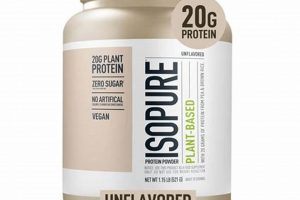
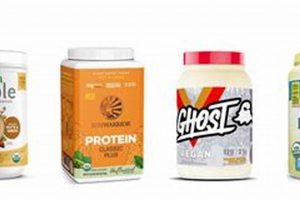
Plant-based nutritional supplements acquired in substantial quantities offer a cost-effective and sustainable solution for individuals seeking to augment their protein intake. These products, derived entirely from non-animal sources, cater to those adhering to vegetarian, vegan, or dairy-free dietary regimens. A common example includes formulations blending pea, brown rice, and chia seed proteins to achieve a complete amino acid profile.
Procuring such supplements in large quantities presents several advantages. The primary benefit lies in reduced cost per serving compared to smaller packages, leading to significant long-term savings. Furthermore, it decreases packaging waste, contributing to environmentally conscious consumption. Historically, access to diverse and palatable plant-based protein sources was limited; however, advancements in food technology have broadened the availability and improved the taste and texture of these concentrated protein supplements.
Subsequent sections will delve into a comparative analysis of various plant-derived protein sources, examining their nutritional profiles and suitability for different dietary needs. Additionally, guidance on optimal storage practices and strategies for incorporating these supplements into daily routines will be provided. The article will also address common misconceptions surrounding plant-based protein and offer evidence-based recommendations for maximizing its benefits.
Guidance on Utilizing Substantial Quantities of Plant-Derived Protein Supplements
The following recommendations aim to optimize the use of concentrated plant-based protein acquired in large volumes. Proper handling and storage are crucial to maintain product quality and maximize its intended benefits.
Tip 1: Secure Appropriate Storage: Upon receipt, transfer the protein supplement to an airtight container. Locate it in a cool, dry, and dark environment, shielded from direct sunlight and temperature fluctuations. This minimizes degradation and clumping.
Tip 2: Implement Batch Testing: Before fully integrating the product into the diet, conduct a small-scale trial. This assists in identifying potential digestive sensitivities or allergic reactions to the specific blend of plant proteins.
Tip 3: Adhere to Expiration Dates: Despite purchasing in bulk, meticulously observe the expiration date printed on the packaging. Consume the product before this date to ensure optimal nutritional value and safety.
Tip 4: Optimize Protein Distribution: Rather than consuming a large single serving, distribute protein intake throughout the day. This approach supports consistent amino acid availability for muscle protein synthesis and satiety.
Tip 5: Accurately Measure Servings: Utilize a calibrated scoop or kitchen scale to precisely measure each serving. Avoid estimating, as variations can impact caloric intake and protein goals.
Tip 6: Rotate Flavors Strategically: If procuring multiple flavors, establish a rotation schedule to prevent flavor fatigue. This enhances long-term adherence to protein supplementation.
Tip 7: Monitor Protein Intake Regularly: Periodically assess overall protein consumption from all dietary sources, including the supplement. Adjust serving sizes as needed to align with individual fitness goals and activity levels.
By adhering to these guidelines, individuals can effectively manage and benefit from acquiring plant-derived protein supplements in significant quantities, ensuring product longevity, dietary adherence, and optimal results.
The concluding section of this article will summarize the key findings and offer a final perspective on the role of these concentrated protein sources in a balanced and sustainable diet.
1. Cost Efficiency

Acquiring plant-based protein supplements in substantial quantities, often referred to as purchasing in “bulk,” directly impacts the overall cost per serving. This cost efficiency is a primary driver for consumers seeking to integrate vegan protein sources into their diets regularly.
- Reduced Unit Cost
The fundamental principle behind bulk purchasing is a decrease in the unit cost of the product. Suppliers typically offer discounted rates for larger orders, translating to lower expenses per serving of protein. This benefit is particularly relevant for individuals with high protein requirements, such as athletes or those following specific dietary regimens.
- Minimization of Packaging Expenses
Bulk packaging reduces the proportional cost associated with individual containers. While a large container might cost slightly more than a small one, it holds significantly more product, thereby lowering the relative expense of packaging materials per unit of protein. This also contributes to environmental sustainability through reduced waste.
- Decreased Shipping Frequency
Purchasing protein in bulk lessens the need for frequent reordering and shipping. This not only saves on shipping costs directly but also reduces the indirect costs associated with order processing, such as time spent searching for products and completing online transactions. Moreover, fewer shipments contribute to a smaller carbon footprint.
- Economies of Scale in Manufacturing
Bulk orders enable manufacturers to achieve economies of scale, which can translate into cost savings passed on to the consumer. Larger production runs reduce per-unit manufacturing expenses, potentially lowering the overall price of the protein supplement.
The cumulative effect of these factors makes purchasing plant-based protein in bulk a financially prudent decision for many consumers. By capitalizing on reduced unit costs, minimizing packaging expenses, decreasing shipping frequency, and leveraging economies of scale, individuals can effectively manage their dietary budgets while consistently meeting their protein needs. This is particularly advantageous when compared to purchasing smaller, more frequent quantities of the same product over an extended period.
2. Environmental Impact
The environmental ramifications of concentrated plant-based protein consumption, particularly when acquired in substantial quantities, represent a complex interplay of resource utilization, agricultural practices, and supply chain logistics. Sourcing protein from plant origins, in contrast to animal-derived sources, generally necessitates less land, water, and energy inputs per unit of protein produced. For example, the cultivation of peas, a common component in vegan protein formulations, typically has a lower carbon footprint compared to livestock farming due to reduced methane emissions and land conversion requirements. The implications of “bulk” purchases extend to packaging waste; larger containers, while initially requiring more material, can reduce the overall amount of packaging per serving compared to individually packaged smaller units. This contributes to a decrease in landfill burden and resource consumption associated with packaging manufacturing and disposal.
Furthermore, the choice of plant-based ingredients significantly influences the environmental footprint. Soy protein, despite its widespread use, has been linked to deforestation and habitat loss in certain regions, particularly in South America, where soybean cultivation is often associated with clearing land for agricultural expansion. Conversely, alternative protein sources such as hemp, chia, or brown rice may have a smaller environmental impact due to lower fertilizer requirements, reduced water usage, or cultivation in less ecologically sensitive areas. Transportation also contributes to the overall environmental impact. Optimizing supply chains and sourcing ingredients locally can mitigate greenhouse gas emissions associated with long-distance transport. Life cycle assessments are increasingly employed to evaluate the comprehensive environmental footprint of plant-based protein products, encompassing cultivation, processing, packaging, transportation, and waste management.
In conclusion, while the adoption of plant-based protein sources generally presents a more sustainable alternative to animal agriculture, a nuanced understanding of ingredient sourcing, packaging strategies, and transportation logistics is crucial for minimizing the environmental impact of “bulk vegan protein powder.” Consumers and manufacturers alike bear a responsibility to prioritize sustainable practices, promoting transparency in supply chains, and supporting environmentally conscious agricultural methods to ensure the long-term viability of plant-based protein production.
3. Nutritional Completeness

Assessing the nutritional completeness of plant-based protein supplements acquired in bulk is paramount, as individual plant proteins may lack certain essential amino acids. This necessitates careful formulation to ensure a balanced amino acid profile comparable to complete animal proteins.
- Amino Acid Profiling and Blending
Plant-derived proteins often exhibit deficiencies in specific essential amino acids. For instance, pea protein is typically low in methionine and cysteine, while rice protein may be deficient in lysine. To achieve nutritional completeness, manufacturers commonly blend multiple plant protein sources. Combining pea and rice protein, for example, creates a complementary amino acid profile that addresses these individual deficiencies. The resulting blend provides all nine essential amino acids in sufficient quantities to support protein synthesis and other physiological functions.
- Bioavailability Considerations
Beyond amino acid composition, the bioavailability of these amino acids is crucial. Bioavailability refers to the extent to which nutrients are absorbed and utilized by the body. Certain plant-based proteins may contain compounds that inhibit protein digestion or amino acid absorption. Processing techniques, such as enzymatic hydrolysis, can enhance bioavailability by breaking down complex proteins into smaller, more readily absorbed peptides. Supplement manufacturers may also add digestive enzymes to their formulations to further improve protein digestion and absorption.
- Vitamin and Mineral Fortification
Plant-based diets can sometimes be lower in certain vitamins and minerals, such as vitamin B12, vitamin D, iron, and calcium. While protein supplements are primarily intended to provide protein, some manufacturers fortify their products with these essential micronutrients to enhance their overall nutritional value. This is particularly relevant for individuals following strict vegan diets who may be at risk of nutrient deficiencies. Fortification can help bridge nutritional gaps and ensure adequate intake of essential vitamins and minerals.
- Protein Digestibility Corrected Amino Acid Score (PDCAAS)
The PDCAAS is a widely used method for evaluating protein quality based on both amino acid composition and digestibility. It assigns a score from 0 to 1, with a score of 1 indicating a complete and highly digestible protein source. While PDCAAS is a useful tool, it has limitations, particularly for assessing protein quality in mixed diets. However, it provides a standardized metric for comparing the nutritional value of different protein sources and ensuring that plant-based protein blends meet minimum quality standards. Manufacturers often use PDCAAS to optimize their formulations and demonstrate the nutritional completeness of their products.
Addressing these multifaceted aspects of nutritional completeness is essential when evaluating “bulk vegan protein powder.” Careful attention to amino acid profiles, bioavailability, vitamin/mineral content, and protein quality scores ensures that the supplement effectively supports overall health and meets the specific dietary needs of the consumer.
4. Ingredient Sourcing

The origin of constituents within concentrated plant-based protein supplements procured in substantial quantities represents a critical factor influencing ethical considerations, environmental sustainability, and final product quality. Transparent and responsible sourcing practices are paramount to ensure integrity throughout the supply chain.
- Geographical Origin and Traceability
The geographical origin of ingredients significantly impacts environmental and ethical considerations. Soy protein sourced from regions with high rates of deforestation carries a substantially different impact than pea protein cultivated in areas with sustainable agricultural practices. Traceability mechanisms, employing technologies such as blockchain, are increasingly implemented to verify the source of raw materials and ensure compliance with environmental and labor standards.
- Agricultural Practices and Certifications
The agricultural methods employed in the cultivation of plant-based protein sources have direct implications for soil health, water usage, and biodiversity. Organic certifications, such as USDA Organic or European Union Organic, indicate adherence to stringent standards regarding pesticide use, synthetic fertilizer application, and genetically modified organisms. Similarly, certifications related to sustainable farming practices, such as those promoting regenerative agriculture, ensure responsible resource management.
- Fair Labor Standards and Ethical Treatment
The welfare of workers involved in the cultivation and processing of plant-based protein ingredients is a fundamental ethical consideration. Fair Trade certifications guarantee that producers receive equitable compensation for their products and that workers are provided with safe working conditions and fair labor practices. Audits and certifications from organizations focused on labor rights and ethical sourcing provide assurance that supply chains are free from exploitation and forced labor.
- Genetic Modification and Non-GMO Verification
The use of genetically modified organisms (GMOs) in plant-based protein supplements is a contentious issue for many consumers. Non-GMO Project verification ensures that ingredients have been rigorously tested and verified to be free from genetic modification. Transparent labeling practices allow consumers to make informed choices based on their preferences regarding GMOs.
The considerations outlined above collectively underscore the importance of scrutinizing ingredient sourcing when evaluating concentrated plant-based protein supplements acquired in bulk. Proactive engagement with manufacturers regarding their sourcing policies, coupled with diligent review of certifications and labels, empowers consumers to make informed decisions aligned with their ethical and environmental values.
5. Digestibility
The ease with which the human body can break down and absorb nutrients from concentrated plant-based protein supplements significantly influences their efficacy. The digestibility of “bulk vegan protein powder” is a multifactorial characteristic determined by the source of protein, processing methods employed, and individual physiological factors.
- Protein Source and Fiber Content
Different plant protein sources possess varying inherent digestibility characteristics. Legumes, such as peas and beans, contain higher levels of fiber than other sources, which can slow digestion. While fiber promotes gut health, excessive amounts can impede protein absorption. The proportion of each protein source within a blend influences the overall digestibility of the supplement. Examples include soy, which is often well-digested, and hemp, which may cause digestive discomfort in some individuals due to its fiber and fat content. Adjusting the protein source ratio can mitigate digestive issues.
- Processing Methods and Enzyme Activity
Processing techniques, such as enzymatic hydrolysis, can significantly enhance the digestibility of plant proteins. Hydrolysis breaks down complex protein structures into smaller peptides, facilitating easier absorption. Conversely, inadequate processing may result in undigested protein fractions reaching the colon, potentially causing bloating, gas, or other gastrointestinal distress. The addition of digestive enzymes, such as protease, can further aid protein breakdown, particularly for individuals with impaired digestive function. Selecting supplements with evidence of enhanced processing techniques and enzyme supplementation is crucial for optimizing digestion.
- Presence of Anti-nutritional Factors
Many plant-based protein sources contain anti-nutritional factors, such as phytates and tannins, which can interfere with nutrient absorption. These compounds bind to minerals and proteins, reducing their bioavailability. Proper processing methods, such as soaking, sprouting, or fermentation, can reduce the levels of these anti-nutritional factors, improving overall nutrient absorption and digestibility. Evaluating the processing methods employed by manufacturers and selecting supplements that have undergone appropriate anti-nutritional factor reduction is essential for maximizing the benefits of “bulk vegan protein powder”.
- Individual Gut Microbiome and Digestive Health
Individual variations in gut microbiome composition and digestive health influence protein digestion and tolerance. Individuals with compromised gut health or specific sensitivities may experience digestive issues when consuming certain plant proteins. Identifying and addressing underlying digestive problems, such as enzyme deficiencies or gut dysbiosis, can improve protein digestion and overall tolerance. Probiotic supplementation and dietary modifications can positively influence gut health and enhance protein digestion in individuals experiencing digestive issues with “bulk vegan protein powder”.
These factors underscore the necessity for informed selection and careful consideration of individual physiological responses to “bulk vegan protein powder”. Opting for blends with optimized protein sources, enhanced processing techniques, and minimal anti-nutritional factors, while also addressing individual digestive health, is paramount for maximizing the benefits and minimizing potential adverse effects.
6. Shelf Life
The longevity of concentrated plant-based protein supplements procured in substantial quantities represents a crucial determinant of product value and usability. Prolonged storage without degradation is essential to ensure consistent nutritional quality and consumer safety.
- Impact of Storage Conditions
Storage conditions directly influence the shelf life of these products. Exposure to elevated temperatures, humidity, and direct sunlight accelerates degradation processes, including oxidation of fats and denaturation of proteins. Proper storage in a cool, dry, and dark environment mitigates these effects, extending the usable lifespan of the supplement. Vacuum-sealed or nitrogen-flushed packaging further reduces oxygen exposure, thereby slowing down oxidation.
- Role of Ingredient Stability
The inherent stability of constituent ingredients determines the overall shelf life. Ingredients with high lipid content, such as flaxseed or hemp protein, are more susceptible to rancidity than those with lower fat levels. Antioxidants, whether naturally occurring or added, can retard lipid oxidation. The selection of inherently stable protein sources and the inclusion of antioxidants contribute to a longer shelf life.
- Packaging Material and Barrier Properties
The packaging material serves as a barrier against environmental factors that promote degradation. High-barrier packaging, such as multi-layered films or airtight containers, effectively restricts oxygen and moisture permeation. The integrity of the packaging is paramount; compromised packaging compromises the shelf life of the product. Routine inspection of packaging for damage, such as tears or punctures, is necessary to maintain product quality.
- Expiration Dates and Product Testing
Expiration dates represent an estimate of the period during which the product retains its optimal quality. These dates are determined through stability testing, which involves monitoring changes in chemical composition, microbial growth, and sensory attributes over time. Adherence to expiration dates is crucial to ensure product safety and efficacy. While the product may remain safe for consumption beyond the expiration date, its nutritional value and sensory qualities may be diminished.
Understanding these factors is critical for consumers purchasing “bulk vegan protein powder.” Careful consideration of storage practices, ingredient composition, packaging integrity, and expiration dates enables informed decisions that maximize product usability and minimize waste. Furthermore, manufacturers have a responsibility to employ appropriate processing techniques, packaging materials, and stability testing protocols to ensure the extended shelf life of their products.
Frequently Asked Questions Regarding Bulk Vegan Protein Powder
This section addresses common inquiries concerning concentrated plant-based protein supplements acquired in substantial quantities. Information provided is intended to clarify potential uncertainties and facilitate informed consumption.
Question 1: Does acquiring plant-based protein in bulk compromise its nutritional integrity over time?
Proper storage is paramount. Storing the supplement in a cool, dry, dark environment, within an airtight container, mitigates degradation. Adherence to the expiration date is also crucial to ensure optimal nutritional value. Purchasing from reputable suppliers with rigorous quality control measures further safeguards against nutrient loss during storage.
Question 2: Are there specific plant protein combinations that provide a complete amino acid profile?
Yes. Certain combinations, such as pea protein and rice protein, offer a complementary amino acid profile, addressing individual deficiencies. Pea protein is typically low in methionine and cysteine, while rice protein may be deficient in lysine. Blending these sources creates a complete protein, providing all nine essential amino acids.
Question 3: How can potential digestive issues associated with concentrated plant protein be minimized?
Digestive enzymes, added to the supplement or taken separately, can enhance protein breakdown. Choosing protein sources with lower fiber content or undergoing processing methods that reduce anti-nutritional factors, such as phytates, may also alleviate digestive discomfort. A gradual increase in dosage allows the digestive system to adapt.
Question 4: What certifications indicate ethical and sustainable sourcing of plant-based protein ingredients?
Certifications such as USDA Organic, Fair Trade, and Non-GMO Project Verified offer assurances regarding agricultural practices, labor standards, and genetic modification. Transparency in ingredient sourcing is also critical; manufacturers should readily provide information regarding the origin and processing of their ingredients.
Question 5: Can the use of “bulk vegan protein powder” adequately support muscle protein synthesis in athletes?
Yes, provided that the supplement offers a complete amino acid profile and is consumed in sufficient quantities to meet individual protein requirements. Timing protein intake strategically, such as post-exercise, can further optimize muscle protein synthesis. Monitoring progress and adjusting intake as needed is crucial.
Question 6: What is the optimal serving size and frequency for consuming substantial quantities of plant-based protein?
Serving size and frequency are contingent upon individual protein needs, activity levels, and dietary goals. A general recommendation is to distribute protein intake throughout the day, consuming approximately 20-40 grams of protein per serving. Consulting with a registered dietitian or qualified healthcare professional can provide personalized guidance.
In summary, informed decisions regarding “bulk vegan protein powder” necessitate careful consideration of storage practices, ingredient sourcing, amino acid profiles, digestive health, and individual protein requirements.
The concluding section will provide a final summary of key considerations and insights related to the integration of these supplements into a balanced dietary regimen.
Conclusion
This article has explored various facets of concentrated plant-based protein supplements acquired in substantial quantities. Key considerations encompass nutritional completeness achieved through strategic protein blending, environmental ramifications influenced by ingredient sourcing and packaging practices, digestibility affected by processing methods and individual physiology, and product longevity contingent upon storage conditions. The economic benefits of bulk purchasing, stemming from reduced unit costs and packaging expenses, must be balanced against the need for responsible consumption and waste management.
The informed integration of “bulk vegan protein powder” into a dietary regimen necessitates a comprehensive understanding of these interconnected factors. Ongoing research and development within the food science and agricultural sectors are poised to further enhance the nutritional value, sustainability, and accessibility of plant-based protein sources. Vigilance regarding product quality, ethical sourcing, and individual dietary needs remains paramount for maximizing the potential benefits of these supplements while mitigating potential risks.