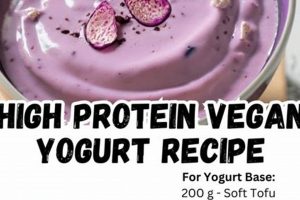
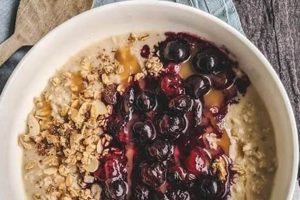
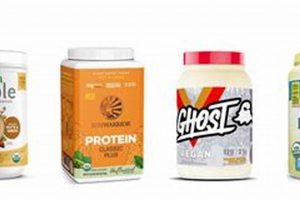
Plant-based alternatives to traditional dairy products have seen significant growth, with yogurt being a prominent example. These alternatives, formulated without animal products, now often incorporate enhanced protein content to appeal to health-conscious consumers. These yogurts are manufactured using plant-derived ingredients like soy, almond, coconut, or pea protein isolates, offering a dairy-free option with a protein profile comparable to conventional yogurt.
The appeal of plant-based yogurts with increased protein stems from various factors. Individuals seeking vegan or vegetarian diets appreciate these options as a complete protein source. Increased protein intake supports muscle building, satiety, and overall metabolic health, aligning with broader health and wellness trends. Historically, plant-based yogurts were perceived as lower in protein compared to their dairy counterparts. Fortifying these yogurts with protein addresses this concern, enhancing their nutritional value and market appeal.
The subsequent analysis will delve into specific production methods, ingredient sourcing, nutritional comparisons, and market trends pertaining to these protein-rich, plant-based yogurt alternatives. Furthermore, it will examine the sustainability aspects and the challenges associated with formulating such products to achieve optimal taste, texture, and nutritional profile.
Tips for Selecting and Using High-Protein Plant-Based Yogurt
The following tips offer guidance on selecting and incorporating protein-enriched, plant-derived yogurt alternatives into a balanced diet. Consideration should be given to individual dietary needs and preferences when applying these recommendations.
Tip 1: Assess Protein Content per Serving: Scrutinize the nutrition facts label to determine the protein content per serving. Aim for options with at least 5-10 grams of protein to maximize the benefits of increased protein intake.
Tip 2: Evaluate the Ingredient List: Prioritize options with recognizable and minimally processed ingredients. Be mindful of added sugars, artificial sweeteners, and excessive additives, which can diminish the product’s overall health value.
Tip 3: Consider the Source of Plant-Based Protein: Different plant sources offer varying amino acid profiles. Options containing soy protein isolate or pea protein tend to be more complete protein sources compared to solely almond or coconut-based products.
Tip 4: Explore Flavor and Texture Varieties: Plant-based yogurts come in a range of flavors and textures. Experiment to find options that align with individual palates. Some brands utilize thickening agents to mimic the creamy texture of dairy yogurt.
Tip 5: Incorporate into Balanced Meals: Utilize these yogurts as a versatile component of balanced meals. Consume with fruits, granola, nuts, or seeds to enhance the nutritional profile and satiety.
Tip 6: Observe Digestive Tolerance: Some individuals may experience digestive discomfort from certain plant-based ingredients. Monitor individual tolerance and adjust consumption accordingly.
Tip 7: Check for Fortification: Many plant-based yogurts are fortified with essential vitamins and minerals, such as Vitamin B12 and calcium. Evaluate the fortification profile to supplement any dietary deficiencies.
By carefully evaluating protein content, ingredients, and individual tolerance, individuals can effectively incorporate high-protein, plant-based yogurt into their diets to support various health and wellness goals. These tips encourage mindful selection and utilization of these products to derive maximum nutritional benefits.
The concluding section will summarize the key advantages and considerations discussed throughout this article, further reinforcing the informed integration of protein-rich, plant-based yogurt alternatives.
1. Plant-Based Sources

The foundation of “protein vegan yogurt” lies inherently in its plant-based origins. The specific plant sources utilized directly determine the yogurt’s nutritional composition, flavor profile, texture, and overall suitability as a dairy alternative. Ingredients such as soy, almond, coconut, oats, peas, and various seeds serve as the primary building blocks, each contributing distinct characteristics. For instance, soy-based options often provide a higher protein content naturally, while coconut-based versions offer a creamier texture due to their higher fat content. Pea protein isolates are frequently incorporated to augment the protein levels in formulations where the base ingredient is naturally lower in protein, such as almond or oat yogurt. Therefore, the selection and combination of plant-based sources represent a fundamental determinant of the final product’s quality and attributes.
The choice of plant-based sources also significantly impacts the environmental sustainability of “protein vegan yogurt” production. Different crops have varying water and land usage requirements. Soy production, for example, is often associated with deforestation and concerns regarding genetically modified organisms, while almond cultivation raises questions about water consumption in arid regions. In contrast, oat and pea crops are generally considered more sustainable alternatives, requiring less water and exhibiting lower environmental footprints. Consequently, responsible sourcing and transparent supply chains become crucial considerations for manufacturers aiming to align their products with environmentally conscious consumer preferences. Brands are increasingly emphasizing the origin and processing methods of their plant-based ingredients to address these concerns and differentiate themselves in the market.
In summary, the selection of plant-based sources is not merely a technical consideration in the production of “protein vegan yogurt” but a defining factor with wide-ranging implications. It dictates the product’s nutritional profile, sensory characteristics, sustainability footprint, and overall market positioning. A thorough understanding of these interconnections is essential for both manufacturers seeking to develop high-quality and responsible products and consumers aiming to make informed dietary choices. The ongoing innovation in plant-based ingredient technology continues to expand the possibilities and refine the characteristics of “protein vegan yogurt,” leading to a more diverse and sophisticated product landscape.
2. Protein Enhancement

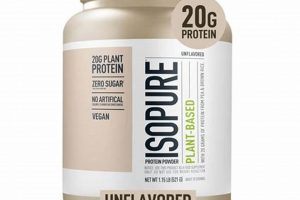
Protein enhancement is a critical component in the development and marketing of “protein vegan yogurt.” While traditional dairy-based yogurts naturally possess a significant protein content, plant-based alternatives often require supplementation to achieve comparable nutritional profiles. This enhancement directly addresses a perceived nutritional disadvantage, broadening the appeal of plant-based yogurts to consumers prioritizing high protein intake for muscle building, weight management, or overall health benefits. The practice of protein enhancement, therefore, is not merely an optional addition, but rather a necessary step to position these products competitively within the yogurt market. For example, brands commonly add pea protein isolate, soy protein isolate, or fava bean protein to their base recipes (e.g., almond milk, coconut milk) to increase the protein content to levels comparable to, or even exceeding, traditional Greek yogurt.
The methods of protein enhancement vary, and the choice of protein source significantly affects the final product’s taste, texture, and nutritional value. Isolates, concentrates, and textured vegetable proteins are frequently employed. Pea protein, derived from yellow split peas, has gained popularity due to its relatively neutral flavor and high bioavailability. Soy protein, while effective, may raise concerns among consumers regarding allergens or genetically modified organisms. The incorporation of these protein sources can present formulation challenges, potentially affecting the yogurt’s smoothness, stability, and overall sensory experience. Manufacturers often experiment with different combinations and processing techniques to minimize any adverse effects on the product’s palatability. Furthermore, the sourcing and processing of these protein additives can influence the product’s sustainability footprint, adding another layer of complexity to the protein enhancement strategy.
In conclusion, protein enhancement is integral to the success of “protein vegan yogurt.” It allows plant-based alternatives to compete effectively with dairy yogurts in terms of nutritional value, expanding their market reach and appealing to a wider consumer base. However, the choice of protein source, the method of enhancement, and the resulting impact on taste, texture, and sustainability require careful consideration. Future innovations in plant-based protein technology will likely play a crucial role in further optimizing the characteristics and appeal of “protein vegan yogurt,” potentially overcoming the remaining challenges associated with protein enhancement.
3. Dairy Alternative

The concept of “Dairy Alternative” forms a central pillar in understanding the market positioning and consumer appeal of “protein vegan yogurt.” As a category, “dairy alternative” encompasses a diverse range of products designed to replicate the sensory and nutritional attributes of traditional dairy items while excluding animal-derived ingredients. Protein-fortified vegan yogurts directly target consumers seeking to replace conventional yogurt in their diets for various reasons, including ethical considerations, health concerns (such as lactose intolerance or milk allergies), and environmental awareness.
- Addressing Dietary Restrictions and Preferences
A primary function of dairy alternatives, including protein vegan yogurt, is to cater to individuals with specific dietary restrictions or preferences. Lactose intolerance affects a significant portion of the global population, necessitating the availability of lactose-free options. Veganism, driven by ethical beliefs, also necessitates the exclusion of all animal products. Dairy alternatives provide viable substitutes, enabling individuals to adhere to their dietary choices without sacrificing taste or texture. Protein vegan yogurt extends this benefit by incorporating added protein, addressing a common concern that plant-based diets may lack sufficient protein intake.
- Health and Wellness Considerations
Dairy alternatives are often perceived as healthier options compared to their dairy counterparts, although this perception is not always universally accurate. Some dairy alternatives may contain lower levels of saturated fat and cholesterol, which can be beneficial for cardiovascular health. Conversely, they may also contain added sugars or artificial sweeteners to enhance palatability. The inclusion of protein in vegan yogurt formulations further enhances their nutritional profile, providing essential amino acids for muscle building and repair. However, consumers should carefully examine nutrition labels to ensure that the product aligns with their specific health goals.
- Environmental Sustainability
The environmental impact of dairy production has become a growing concern. Dairy farming contributes significantly to greenhouse gas emissions, water pollution, and land degradation. Dairy alternatives, in many cases, have a lower environmental footprint compared to dairy production. However, the specific environmental impact varies depending on the source of the plant-based ingredients used. For example, almond milk production has been criticized for its high water consumption in arid regions. Protein vegan yogurt, utilizing plant-based ingredients and excluding dairy, can be a more sustainable option compared to traditional yogurt, provided that the ingredients are sourced responsibly.
- Replicating Sensory Attributes
A key challenge in developing successful dairy alternatives is replicating the taste, texture, and overall sensory experience of traditional dairy products. Yogurt, in particular, possesses a unique creamy texture and tangy flavor that can be difficult to mimic using plant-based ingredients. Protein vegan yogurt formulations often incorporate thickening agents, stabilizers, and flavorings to achieve a palatable and appealing product. The success in replicating these sensory attributes directly influences consumer acceptance and adoption of dairy alternatives. Ongoing innovations in food technology and ingredient sourcing are continually improving the sensory qualities of protein vegan yogurt, making it a more compelling alternative to traditional dairy yogurt.
In summary, the role of “Dairy Alternative” in the context of “protein vegan yogurt” is multifaceted. It addresses dietary needs, caters to health and wellness concerns, offers a potentially more sustainable option, and strives to replicate the sensory experience of traditional dairy. By understanding these facets, consumers can make informed choices about incorporating protein vegan yogurt into their diets, and manufacturers can develop products that effectively meet the diverse needs and preferences of the evolving market.
4. Nutritional Profile

The nutritional profile of “protein vegan yogurt” is a pivotal factor influencing its market acceptance and perceived health benefits. Analyzing this profile requires careful consideration of macronutrient composition, micronutrient content, and the presence of additives or processing aids. A comprehensive understanding of these elements allows for a nuanced comparison with traditional dairy yogurt and other plant-based alternatives.
- Macronutrient Composition: Protein, Carbohydrates, and Fats
Macronutrients dictate the primary caloric content and contribute significantly to satiety. Protein content, often enhanced in vegan yogurts, is a key selling point. The sources of carbohydrates, including added sugars, impact the glycemic index and metabolic response. Fat content, derived from ingredients like coconut or nuts, influences texture and flavor. A balanced macronutrient ratio is essential for optimal health benefits. For example, a “protein vegan yogurt” with high protein and low added sugar aligns with ketogenic diets, while one with higher fat and moderate protein caters to those seeking satiety.
- Micronutrient Content: Vitamins and Minerals
Micronutrients, though present in smaller quantities, play vital roles in various physiological processes. Calcium, vitamin B12, and vitamin D are often added to “protein vegan yogurt” to mimic the nutritional benefits of dairy yogurt. Iron, zinc, and magnesium may also be present, depending on the plant-based ingredients used. The bioavailability of these micronutrients is crucial; some plant-based compounds can inhibit absorption. Fortification strategies aim to address potential deficiencies, ensuring that “protein vegan yogurt” provides a comprehensive nutrient profile. For example, the addition of Vitamin B12 addresses a common deficiency in vegan diets.
- Fiber Content and Gut Health
The fiber content of “protein vegan yogurt” is primarily derived from plant-based ingredients such as oats, nuts, or seeds. Fiber contributes to digestive health by promoting regularity and supporting a healthy gut microbiome. Different types of fiber, such as soluble and insoluble fiber, offer distinct benefits. Soluble fiber can help lower cholesterol levels, while insoluble fiber adds bulk to the stool. Including fiber-rich ingredients in “protein vegan yogurt” not only enhances its nutritional value but also contributes to its potential prebiotic effects, promoting the growth of beneficial gut bacteria. The addition of inulin to protein vegan yogurt also contributes to the prebiotic effect.
- Additives and Processing Aids: Impact on Nutritional Value
Additives and processing aids are often used in “protein vegan yogurt” to improve texture, stability, and shelf life. Thickeners, such as guar gum or xanthan gum, can create a creamier consistency. Preservatives, such as potassium sorbate, prevent spoilage. Artificial sweeteners may be added to reduce sugar content. While these ingredients serve functional purposes, their potential impact on nutritional value should be considered. Excessive use of additives can detract from the overall healthfulness of the product. Careful selection and minimal use of additives are essential for maintaining a positive nutritional profile. The decision to use or not to use additives is driven from the impact on consumer choices.
In conclusion, the nutritional profile of “protein vegan yogurt” is a complex interplay of macronutrients, micronutrients, fiber content, and the presence of additives. A comprehensive understanding of these factors is essential for consumers seeking to make informed dietary choices and for manufacturers aiming to develop products that offer both nutritional value and sensory appeal. Comparing the nutritional profile of “protein vegan yogurt” with traditional dairy yogurt and other plant-based alternatives allows for a more nuanced assessment of its potential health benefits and suitability for various dietary needs.
5. Market Trends

Market trends exert a considerable influence on the development and adoption of “protein vegan yogurt.” The increasing consumer demand for plant-based alternatives, driven by factors such as health consciousness, ethical considerations, and environmental awareness, has spurred the growth of the vegan yogurt market as a whole. This overarching trend directly impacts the formulation and marketing of “protein vegan yogurt” as manufacturers seek to capitalize on the expanding consumer base. For example, the rise in flexitarian diets has prompted many individuals to incorporate more plant-based options into their meals, creating a larger market for products like “protein vegan yogurt.” Simultaneously, the growing emphasis on high-protein diets, fueled by fitness enthusiasts and health-conscious consumers, necessitates the protein enhancement aspect of these yogurts. Without aligning with these prevailing market trends, “protein vegan yogurt” would likely remain a niche product with limited appeal.
The importance of market trends is further exemplified by the ongoing innovation in flavors, textures, and packaging within the “protein vegan yogurt” sector. Manufacturers are constantly adapting their offerings to meet evolving consumer preferences. For instance, the introduction of exotic fruit flavors, creamy textures mimicking dairy yogurt, and convenient single-serving packaging reflects an effort to appeal to a wider audience. Moreover, the increasing availability of “protein vegan yogurt” in mainstream grocery stores, as opposed to solely health food stores, demonstrates the growing acceptance and demand for these products. The rise of e-commerce has also facilitated the wider distribution and accessibility of “protein vegan yogurt,” further contributing to its market growth. This adoption of new market strategies ensures the sustained success of the product.
In summary, market trends are not merely external factors influencing “protein vegan yogurt” but are integral determinants of its viability and evolution. The sustained growth of the vegan market, the emphasis on high-protein diets, and the ever-changing consumer preferences regarding flavors, textures, and convenience all shape the development and marketing of these products. Manufacturers who effectively monitor and respond to these market trends are more likely to succeed in the increasingly competitive landscape of the plant-based food industry. The connection between “market trends” and “protein vegan yogurt” underscores the need for continuous innovation and adaptation to meet the evolving needs and desires of consumers.
6. Production Methods
The characteristics of “protein vegan yogurt” are intrinsically linked to its production methods. These methods directly influence the product’s texture, stability, nutritional profile, and overall sensory appeal. The production process typically involves several key stages, including ingredient sourcing, base preparation, protein addition, fermentation (or acid addition for non-fermented varieties), homogenization, pasteurization (or equivalent heat treatment), cooling, and packaging. Each stage contributes uniquely to the final product, and deviations in any step can significantly impact the quality and characteristics of the yogurt. For example, the type of plant-based milk used as the base (e.g., almond, soy, coconut) necessitates adjustments in homogenization and stabilization techniques to achieve a desirable creamy texture. Furthermore, the method of protein additionwhether through the incorporation of protein isolates, concentrates, or textured vegetable proteinsaffects the dispersibility, solubility, and potential for off-flavors in the final product.
Fermentation, if employed, plays a pivotal role in developing the characteristic tangy flavor and thickened texture of yogurt. However, fermenting plant-based milks presents distinct challenges compared to dairy milk due to differences in carbohydrate composition and the absence of lactose. Starter cultures suitable for plant-based substrates must be carefully selected to ensure efficient fermentation and the desired flavor development. Alternatively, some “protein vegan yogurts” rely on direct acidification using food-grade acids such as lactic acid or citric acid to achieve the tart flavor profile, bypassing the fermentation step entirely. This approach offers advantages in terms of process control and consistency but may result in a slightly different sensory experience compared to fermented products. The level of heat treatment during pasteurization or sterilization is also critical, influencing the product’s shelf life, microbial safety, and potential for protein denaturation. Over-processing can lead to undesirable changes in texture and flavor, while insufficient heat treatment can compromise food safety.
In conclusion, the production methods employed in manufacturing “protein vegan yogurt” are fundamental determinants of its quality, characteristics, and overall success. Careful selection of ingredients, optimization of processing parameters, and adherence to stringent quality control measures are essential for producing a product that meets consumer expectations and delivers both nutritional benefits and sensory satisfaction. The interplay between production methods and final product attributes highlights the importance of process innovation and continuous improvement in the “protein vegan yogurt” industry. The optimization of these manufacturing processes is critical for the continued success and expansion of the market.
Frequently Asked Questions about Protein Vegan Yogurt
This section addresses common inquiries surrounding protein vegan yogurt, providing objective and factual answers to assist consumers in making informed decisions.
Question 1: What distinguishes protein vegan yogurt from conventional dairy yogurt?
Protein vegan yogurt excludes all animal-derived ingredients, utilizing plant-based sources such as soy, almond, coconut, or pea protein as its base. Conventional dairy yogurt is produced from cow’s milk.
Question 2: Is protein vegan yogurt nutritionally equivalent to dairy yogurt?
The nutritional profiles vary. Protein vegan yogurt often requires fortification to match the calcium, vitamin B12, and protein levels found in dairy yogurt. Consumers should review nutrition labels carefully.
Question 3: How is protein content enhanced in vegan yogurt?
Protein enhancement typically involves adding plant-based protein isolates, such as soy protein isolate, pea protein isolate, or brown rice protein, to the yogurt base.
Question 4: Does protein vegan yogurt contain probiotics?
Some, but not all, protein vegan yogurts contain live and active cultures (probiotics). Products containing probiotics will typically state this on the packaging.
Question 5: What are the potential allergens associated with protein vegan yogurt?
Common allergens include soy, nuts (almond, coconut), and seeds. Individuals with known allergies should carefully review the ingredient list before consumption.
Question 6: How should protein vegan yogurt be stored to maintain freshness?
Protein vegan yogurt should be stored in the refrigerator at temperatures below 40F (4C). Adhere to the “use by” or “best before” date indicated on the packaging.
In summary, protein vegan yogurt provides a plant-based alternative to traditional dairy yogurt, offering varying nutritional profiles and requiring careful consideration of ingredients and storage guidelines.
The following section will delve into potential future trends and innovations in the protein vegan yogurt market.
Conclusion
The exploration of “protein vegan yogurt” reveals a complex interplay of factors driving its increasing prominence in the food industry. Ingredient sourcing, nutritional enhancements, production methods, and alignment with prevailing market trends all contribute to its formulation and consumer acceptance. Addressing dietary restrictions, catering to health and wellness objectives, and offering sustainable alternatives are core elements of its market positioning. While not inherently superior to traditional dairy yogurt in all aspects, protein vegan yogurt presents a viable option for consumers seeking plant-based alternatives with enhanced protein content.
Continued research and development are necessary to optimize the nutritional profiles, improve the sensory attributes, and enhance the sustainability of protein vegan yogurt. As consumer preferences evolve and technological advancements emerge, the future of this category hinges on the industry’s ability to innovate responsibly and transparently. A commitment to quality, nutritional integrity, and environmental stewardship will be crucial in solidifying its role in the broader food landscape.