A blended beverage formulated with plant-based protein sources, fruits, vegetables, and often supplementary nutrients such as vitamins, minerals, and fiber. This concoction aims to provide a complete nutritional profile in a single, easily consumed form. For instance, a blend of pea protein, spinach, banana, almond milk, and flax seeds represents such a product.
Its significance lies in offering a convenient and efficient means to meet daily nutritional requirements, particularly protein intake, for individuals adhering to a plant-based diet. Advantages include streamlined meal preparation, ease of digestion for some individuals, and the potential to deliver a concentrated dose of essential micronutrients. Historically, the rise of such products parallels the increasing popularity of veganism and the growing demand for readily available, nutritionally balanced meal replacements.
The subsequent sections will delve into specific aspects, including ingredient selection, nutritional considerations, potential health benefits, and practical applications within a balanced dietary regimen. Further exploration will address common concerns and provide guidelines for optimal consumption.
Enhancing the Nutritional Profile
Optimizing the nutritional value requires a strategic approach to ingredient selection and blending techniques.
Tip 1: Prioritize Whole Food Ingredients: Base mixtures on unprocessed fruits, vegetables, and legumes to maximize micronutrient content and fiber intake.
Tip 2: Diversify Protein Sources: Combine protein sources like pea protein, hemp seeds, and chia seeds to achieve a more complete amino acid profile.
Tip 3: Incorporate Healthy Fats: Add sources of essential fatty acids, such as flax seeds, chia seeds, or avocado, to support hormone production and nutrient absorption.
Tip 4: Adjust Liquid Base According to Dietary Needs: Opt for unsweetened plant-based milk alternatives or water to control sugar content and caloric density.
Tip 5: Fortify with Superfoods: Enhance the nutritional content by incorporating ingredients like spirulina, maca powder, or acai berry.
Tip 6: Consider Probiotic Additions: Enhance gut health by including probiotic powders or fermented ingredients to the composition.
Tip 7: Account for Individual Caloric Needs: Adjust portion sizes and ingredient ratios to align with specific energy requirements and fitness goals.
Strategic formulation allows the blend to serve as a versatile and adaptable tool for optimizing nutritional intake.
The concluding section will summarize key considerations and offer guidance for seamless integration into daily dietary practices.
1. Plant-Based Protein

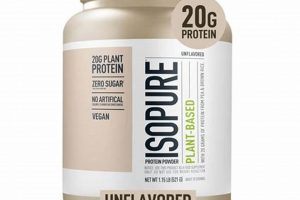
Plant-based protein constitutes a foundational element in the creation of a nutritionally complete vegan smoothie. The inclusion of protein sources like pea protein, brown rice protein, or hemp seeds directly addresses the need for adequate protein intake in individuals adhering to a plant-based diet. Inadequate protein consumption can lead to muscle loss, impaired immune function, and hormonal imbalances. Therefore, the presence of a sufficient quantity of plant-derived protein in a single serving aims to mitigate these potential deficiencies. For example, a smoothie containing 20-30 grams of plant protein can serve as a convenient meal replacement, contributing significantly to the daily protein requirements.
The source and quality of plant-based protein within the beverage influences its effectiveness. Different sources offer varying amino acid profiles; combining multiple sources can provide a more complete amino acid spectrum, mimicking the profile found in animal-derived proteins. Furthermore, the digestibility and bioavailability of the protein play a crucial role. Processing methods can impact protein absorption; opting for minimally processed protein sources is typically preferable. The addition of digestive enzymes to the mix can improve protein digestion.
In summary, the plant-based protein component of a vegan smoothie is not merely an ingredient, but a cornerstone of its nutritional value. It allows for meeting the protein requirements of a vegan diet in a convenient form. Careful selection of sources and consideration of processing methods are essential to maximizing protein bioavailability. This integration addresses the common challenge of protein adequacy in plant-based dietary regimes.
2. Micronutrient Delivery

Micronutrient delivery constitutes a fundamental advantage offered by plant-based smoothies. Their formulation often facilitates concentrated consumption of vitamins, minerals, and antioxidants that might otherwise be challenging to obtain in adequate quantities through a standard vegan diet.
- Vitamin Abundance
Smoothies can incorporate fruits and vegetables rich in essential vitamins such as Vitamin C, Vitamin A, and various B vitamins. For example, spinach and kale contribute Vitamin K, while berries supply potent antioxidants like Vitamin C. This is crucial for immune function, vision, and overall cellular health, effectively bridging potential nutritional gaps prevalent in restrictive diets.
- Mineral Availability
The inclusion of ingredients like leafy greens, seeds, and nuts introduces vital minerals, including iron, calcium, magnesium, and zinc. These minerals are essential for bone health, nerve function, and enzyme activity. Iron, often a concern in vegan diets, can be sourced from spinach and fortified plant-based milks, improving overall mineral intake.
- Antioxidant Concentration
Berries, dark leafy greens, and even spices such as turmeric and ginger, introduce a range of antioxidants. These compounds combat oxidative stress and inflammation within the body, potentially reducing the risk of chronic diseases. The concentrated delivery of antioxidants in a smoothie provides a readily accessible means of supporting cellular protection.
- Synergistic Effects
The blending process can enhance the bioavailability of certain micronutrients. For example, combining vitamin C-rich fruits with iron-containing greens can improve iron absorption. The emulsification of fats from nuts or seeds can also enhance the absorption of fat-soluble vitamins. This synergistic effect maximizes the nutritional impact of the individual ingredients.
The strategic selection and combination of plant-based ingredients within such formulations allow for efficient and effective micronutrient delivery. These combinations can help address common nutritional inadequacies and promote optimal health within the context of a vegan dietary regimen. This approach serves as a readily accessible method of addressing potential micronutrient deficiencies.
3. Caloric Efficiency

Caloric efficiency, in the context of the subject matter, refers to the ratio of nutritional benefit derived from a specific caloric intake. A well-formulated product maximizes this efficiency, providing a substantial array of macronutrients and micronutrients while maintaining a reasonable caloric density. This is achieved by strategically selecting nutrient-rich, low-calorie ingredients such as leafy greens, berries, and certain plant-based protein sources. For instance, a smoothie with 300 calories that delivers 25 grams of protein, a significant portion of daily fiber requirements, and a spectrum of vitamins and minerals demonstrates high caloric efficiency. Conversely, a smoothie with the same caloric count but primarily composed of high-sugar fruits and minimal protein would be considered less efficient.
The practical significance of caloric efficiency is multifaceted. For individuals aiming to manage their weight, consuming nutrient-dense foods is paramount for satiety and sustained energy levels, minimizing the likelihood of overeating. For athletes or those with increased energy demands, a calorically efficient option can provide the necessary fuel without excessive bulk, aiding performance and recovery. Moreover, in cases where appetite is reduced due to illness or other factors, a product of this nature can ensure adequate nutrient intake within a limited caloric allowance. The blending process allows for the creation of compact, easily digestible meals that are lower in calories but high in nutrient value.
In summation, caloric efficiency stands as a crucial parameter in the design and utilization of the subject at hand. It enables the attainment of nutritional adequacy while addressing caloric control, catering to a diverse range of dietary needs and objectives. While the specific ingredients and proportions dictate the ultimate caloric efficiency, the underlying principle emphasizes the optimization of nutrient intake relative to caloric consumption. Recognizing and prioritizing this aspect is essential for leveraging the full potential of such blended concoctions within a balanced dietary framework.
4. Digestive Support
Digestive support is a critical consideration when evaluating the utility of plant-based blended beverages. The composition of these blends can significantly influence gastrointestinal function, either promoting or hindering digestion based on ingredient selection and preparation methods.
- Fiber Content
The presence of dietary fiber, primarily from fruits, vegetables, seeds, and legumes, plays a pivotal role in regulating bowel movements and fostering a healthy gut microbiome. Fiber adds bulk to the stool, facilitating efficient waste elimination and preventing constipation. For instance, a beverage containing flax seeds or chia seeds will provide a substantial amount of soluble fiber, which can also promote satiety and regulate blood sugar levels. Insufficient fiber can lead to digestive discomfort and long-term gastrointestinal issues.
- Enzyme Activity
Certain fruits, such as pineapple and papaya, contain natural digestive enzymes like bromelain and papain, respectively. These enzymes aid in the breakdown of proteins and other complex molecules, potentially easing the digestive process, particularly for individuals with compromised digestive function. The inclusion of these fruits can enhance nutrient absorption and reduce bloating or indigestion often associated with consuming large quantities of plant-based protein.
- Probiotic Introduction
Probiotics, beneficial microorganisms that support gut health, can be directly added to the liquid mixture or derived from fermented ingredients like kefir or yogurt alternatives. These organisms contribute to a balanced gut flora, enhancing immunity, reducing inflammation, and improving nutrient absorption. The inclusion of probiotics can be particularly beneficial for individuals with a history of digestive issues or those undergoing antibiotic treatment.
- Ingredient Intolerances
The selection of ingredients must account for potential individual intolerances or sensitivities. Common culprits include certain types of fiber, such as fructans found in some fruits and vegetables, or specific plant-based proteins that may trigger allergic reactions. The use of easily digestible ingredients, like cooked vegetables or sprouted grains, can minimize the risk of adverse digestive responses. Awareness of individual dietary needs is crucial in formulating a product that promotes, rather than hinders, digestive well-being.
The digestive impact of such mixtures is a complex interplay of fiber content, enzymatic activity, probiotic presence, and ingredient selection. While offering the potential to enhance digestive function through targeted ingredient choices, careful consideration must be given to individual tolerances and sensitivities to ensure optimal gastrointestinal health. A well-designed concoction can serve as a valuable tool for supporting digestion, while a poorly formulated blend may exacerbate existing digestive issues.
5. Ingredient Synergy
Ingredient synergy, in the context of plant-based blended beverages, refers to the enhanced biological activity resulting from the combination of multiple ingredients that exceeds the sum of their individual effects. This phenomenon is central to optimizing the nutritional profile and health benefits of a nutritionally complete vegan smoothie. The careful selection and combination of components can potentiate nutrient absorption, bioavailability, and overall physiological impact. For example, the co-ingestion of vitamin C-rich fruits, such as strawberries, alongside iron-containing greens, like spinach, significantly enhances iron absorption, mitigating the bioavailability challenges associated with non-heme iron sources typically found in plant-based diets.
The practical application of this understanding extends to various facets of smoothie formulation. The inclusion of healthy fats, such as those present in avocado or flax seeds, alongside fat-soluble vitamins (A, D, E, K) improves their absorption in the digestive tract. Furthermore, specific combinations can exert synergistic antioxidant effects, where different antioxidants work together to neutralize free radicals more effectively than any single antioxidant alone. A blend incorporating blueberries, raspberries, and kale, for instance, provides a diverse array of antioxidants that protect against oxidative stress and inflammation. Proper awareness of these interactions allows for the creation of a product that is more than just a collection of individual nutrients; it is a holistic, synergistic nutritional source.
In conclusion, ingredient synergy represents a crucial element in the design and optimization of any nutritionally complete vegan smoothie. By understanding and strategically applying the principles of nutrient interaction, it becomes possible to create a more potent and bioavailable product. Challenges remain in fully elucidating all potential synergistic interactions, but current knowledge provides a solid foundation for formulating blends that maximize nutritional impact. The focus on synergy ensures that the end product delivers benefits beyond those achievable with isolated nutrients, reinforcing the holistic approach to plant-based nutrition.
6. Dietary Customization
The inherent flexibility of a vegan protein smoothie platform facilitates extensive dietary customization, rendering it adaptable to a diverse range of individual needs and preferences. This adaptability is a direct consequence of the modular nature of the preparation, where ingredients can be readily substituted or adjusted to align with specific dietary restrictions, allergies, or health goals. For instance, individuals with soy allergies can opt for protein sources such as pea protein or hemp seeds instead of soy protein isolates. Similarly, those managing diabetes can prioritize low-glycemic fruits and vegetables while minimizing high-sugar components, thereby mitigating potential blood sugar spikes.
The strategic modification of ingredients allows for targeted nutritional interventions. Individuals seeking to increase their iron intake can incorporate dark leafy greens like spinach and kale. Those focusing on enhanced digestive health can add probiotic powders or fermented ingredients. The caloric density and macronutrient ratios can also be adjusted to support weight management goals, whether that involves creating a higher-protein, lower-carbohydrate beverage or vice versa. Furthermore, taste preferences can be readily accommodated through the selection of various fruits, spices, and natural sweeteners, ensuring adherence to dietary plans without compromising palatability. Real-world examples include athletes adjusting macronutrient ratios to support muscle recovery or individuals with digestive disorders customizing ingredients to minimize gastrointestinal distress.
In summation, dietary customization represents a central advantage of utilizing the vegan protein smoothie concept. Its adaptable nature allows individuals to tailor the nutritional profile to meet their specific requirements, preferences, and health objectives. This adaptability fosters long-term adherence to dietary plans and supports personalized nutritional strategies. The potential for ingredient substitution and modification addresses a broad spectrum of dietary needs and contributes to its efficacy as a customizable tool for achieving optimal health within a plant-based framework.
7. Convenient Consumption

Convenient consumption represents a primary driver behind the adoption of a nutritionally complete vegan protein smoothie. Its value stems from streamlining nutrient intake, mitigating challenges associated with meal preparation and dietary adherence within demanding lifestyles. Individuals facing time constraints or limited access to diverse food options benefit significantly from a readily available, pre-portioned source of macronutrients and micronutrients. The reduction in meal preparation time translates directly to increased efficiency and the likelihood of consistently meeting nutritional requirements, particularly for those adhering to vegan dietary restrictions.
The impact extends beyond mere time savings. A pre-prepared blend eliminates the need for extensive grocery shopping, ingredient sourcing, and complex meal planning, lowering barriers to entry for individuals seeking to adopt or maintain a vegan lifestyle. For example, an athlete requiring a post-workout protein boost can quickly consume a pre-blended beverage, expediting muscle recovery. Similarly, a busy professional can utilize a smoothie as a breakfast replacement, ensuring adequate nutrient intake despite time limitations. The reduced cognitive load associated with meal planning translates to improved dietary consistency and long-term adherence.
In essence, convenience is not simply an added benefit but a crucial factor driving the utility of a nutritionally complete vegan protein smoothie. It addresses a fundamental need for readily accessible nutrition within modern lifestyles. This ease of consumption overcomes practical obstacles, fostering dietary adherence and supporting the attainment of nutritional goals. The connection between convenience and nutritional optimization strengthens the role of smoothies as a valuable tool within a balanced dietary approach.
Frequently Asked Questions
The following addresses common inquiries and misconceptions regarding the formulation and utilization of plant-based blended beverages designed to deliver comprehensive nutrition.
Question 1: What constitutes a nutritionally complete plant-based protein smoothie?
It encompasses a blended beverage formulated with a plant-derived protein source, fruits, vegetables, and often supplementary nutrients, aiming to provide a balanced macronutrient and micronutrient profile in a single serving.
Question 2: Are commercially available options preferable to homemade formulations?
The choice depends on individual needs and circumstances. Commercial options offer convenience, while homemade versions allow for customized ingredient selection and control over additives. Careful evaluation of ingredient lists is essential for both.
Question 3: Can these smoothies adequately replace entire meals?
In certain scenarios, such as time constraints or appetite limitations, it can serve as a meal replacement. However, reliance on smoothies to replace all meals is generally discouraged due to the potential displacement of whole foods and the importance of varied dietary sources.
Question 4: Are there potential drawbacks to excessive consumption?
Excessive consumption can lead to an imbalanced nutrient intake, potentially displacing other essential food groups. Overconsumption of fruit can also contribute to excessive sugar intake.
Question 5: How does one ensure adequate protein content within a plant-based blend?
The inclusion of protein-rich ingredients such as pea protein isolate, hemp seeds, chia seeds, or nut butter is essential. A target range of 20-30 grams of protein per serving is generally considered adequate for meal replacement purposes.
Question 6: What considerations should be given to individuals with allergies or dietary sensitivities?
Careful scrutiny of ingredient lists is essential to avoid potential allergens or irritants. Common allergens include soy, nuts, and certain fruits. Ingredient substitutions may be necessary to accommodate individual sensitivities.
The information provided serves as a general overview and does not constitute medical advice. Consultation with a registered dietitian or healthcare professional is recommended for personalized dietary guidance.
The subsequent section will address practical considerations for integrating such formulations into a comprehensive dietary strategy.
Conclusion
The preceding exploration of the all in one vegan protein smoothie underscores its multifaceted nature. It represents a concentrated source of nutrients, a convenient meal replacement option, and a customizable tool for supporting diverse dietary needs. From plant-based protein delivery to micronutrient abundance, the benefits are contingent upon informed ingredient selection and mindful consumption. The synergistic potential and digestive considerations demand careful attention to detail.
Ultimately, the all in one vegan protein smoothie stands as a viable strategy for enhancing nutritional intake within the parameters of a plant-based lifestyle. Further research and individual experimentation will undoubtedly refine optimal formulations and utilization practices. However, its inherent adaptability and ease of consumption ensure its continued relevance in the evolving landscape of dietary approaches.