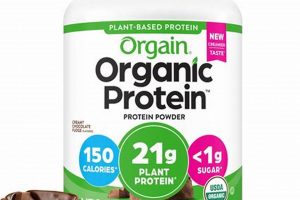
A plant-derived nutritional supplement, devoid of added flavoring, provides concentrated protein sourced from vegan-friendly ingredients. Examples include isolates from pea, rice, soy, or combinations thereof, processed to minimize taste impact while maximizing protein content. These products offer a versatile base for dietary supplementation.
Its value lies in its adaptability. It can enhance protein intake without altering the intended flavor profile of meals or beverages. Historically, individuals seeking plant-based protein sources often faced limited options with strong, inherent flavors. This unflavored alternative broadened the appeal and accessibility of vegan protein supplements, supporting muscle growth, repair, and overall nutritional needs across diverse populations and dietary preferences.
The subsequent sections will delve into the selection criteria, applications in various dietary contexts, potential benefits, and considerations for effective integration into a balanced nutritional plan, providing a comprehensive understanding of this adaptable protein source.
Guidance on Utilizing Unflavored Plant-Based Protein Supplements
The following tips provide practical guidance for incorporating unflavored plant-based protein supplements into a balanced diet, maximizing their benefits while minimizing potential drawbacks.
Tip 1: Blend with Purpose. Integrate the supplement into smoothies or shakes containing fruits, vegetables, and other flavoring agents to mask any residual taste and enhance overall palatability. This approach allows for precise control over the final flavor profile.
Tip 2: Fortify Culinary Creations. Add the supplement to baked goods, soups, or sauces to increase the protein content of these dishes. Ensure thorough mixing to prevent clumping and maintain a consistent texture.
Tip 3: Consider Texture. Some varieties may impart a slightly grainy texture. Experiment with different brands and sources to identify one that best suits individual preferences and culinary applications.
Tip 4: Monitor Dosage. Adhere to recommended serving sizes to avoid digestive discomfort or potential nutrient imbalances. Protein requirements vary based on individual factors such as activity level and overall dietary intake.
Tip 5: Prioritize Hydration. Increase water consumption when incorporating the supplement into the diet. Adequate hydration supports protein digestion and absorption, minimizing potential gastrointestinal issues.
Tip 6: Combine Protein Sources. Consider combining different plant-based protein sources to ensure a complete amino acid profile. Complementing pea protein with rice protein, for example, can enhance the nutritional value of the supplement.
Tip 7: Evaluate for Allergens. Carefully review the ingredient list to identify potential allergens, such as soy or gluten, particularly for individuals with sensitivities or intolerances.
Effective integration of this protein source requires careful consideration of flavor masking, texture management, and dosage control. By following these guidelines, individuals can effectively enhance their protein intake while maintaining dietary enjoyment and nutritional balance.
The subsequent sections will conclude the discussion, summarizing key findings and offering final considerations for choosing and using unflavored plant-based protein supplements.
1. Versatility

The versatility of flavorless vegan protein powder stems from its inherent adaptability, allowing for integration into various dietary regimens and culinary applications without imposing unwanted flavors. This characteristic significantly broadens its usability compared to flavored alternatives.
- Culinary Applications
This extends to incorporation within baked goods, such as muffins or pancakes, where it increases protein content without altering the expected taste. It is also applicable to savory dishes, including soups and sauces, offering a protein boost without conflicting with the intended flavor profile. This extends beyond mere taste, influencing texture and mouthfeel in certain applications.
- Dietary Integration
It can be used within specialized diets, such as those designed for weight management, muscle gain, or specific health conditions. Its tasteless nature allows it to be incorporated into meal replacements, smoothies, and other protein-enhanced beverages without compromising the desired taste or sweetness. This adaptability is particularly valuable for individuals with sensory sensitivities or dietary restrictions.
- Nutritional Supplementation
It provides a neutral base for creating personalized protein supplements. Individuals can customize their intake by adding it to a variety of foods and drinks. This contrasts with flavored powders, which limit the range of compatible pairings. This adaptability facilitates tailored nutritional strategies.
- Textural Modifications
While primarily valued for its flavor neutrality, it also contributes to textural modification in certain recipes. It can add body to smoothies or thicken sauces without imparting any competing flavors. However, it is essential to consider the specific protein source and its impact on the final texture of the product.
In conclusion, the multifaceted versatility of flavorless vegan protein powder makes it a valuable component in diverse culinary and nutritional applications. Its adaptability allows it to seamlessly integrate into various dietary regimens and recipes without impacting the overall taste or sensory experience, offering a level of customization and control that is not typically available with flavored protein supplements.
2. Protein Source

The protein source fundamentally defines the characteristics and suitability of a flavorless vegan protein powder. The selection of a specific plant-based protein isolate whether from pea, rice, soy, hemp, or other sources directly influences the powder’s amino acid profile, digestibility, texture, and potential allergenicity. For instance, pea protein is relatively high in lysine but lower in methionine, whereas rice protein exhibits the opposite profile. Consequently, combinations of protein sources are often employed to achieve a more complete amino acid composition. The protein source also dictates the extraction and processing methods used, which can affect the final product’s purity and solubility. For example, soy protein isolates undergo extensive processing to remove inherent flavors and anti-nutritional factors.
Understanding the relationship between the protein source and the final product is critical for consumers with specific dietary needs or sensitivities. Individuals with soy allergies must avoid soy protein isolates, while those seeking to minimize carbohydrate intake may prefer isolates over concentrates, as the former typically contains a higher protein concentration. Furthermore, the environmental impact associated with different protein sources varies significantly. Pea and hemp proteins are often touted as more sustainable options compared to soy, due to lower water and land usage. This knowledge empowers consumers to make informed choices aligned with their ethical and environmental considerations.
In summary, the protein source is not merely an ingredient but the cornerstone of a flavorless vegan protein powder. It dictates the powder’s nutritional value, allergenic potential, environmental footprint, and suitability for various dietary applications. A thorough understanding of this connection enables consumers and formulators to optimize their choices based on specific needs and preferences, ensuring effective and responsible utilization of this versatile protein supplement.
3. Flavor Neutrality

Flavor neutrality is a defining characteristic and primary functional attribute of a flavorless vegan protein powder. The deliberate absence of added or inherent flavors is not merely a marketing claim but a critical feature that directly influences the product’s utility and applicability. This neutrality allows the powder to be seamlessly integrated into a diverse range of food and beverage preparations without competing with or altering the intended flavor profiles. The cause of this neutrality lies in the careful selection of raw ingredients and the implementation of specific processing techniques designed to minimize or eliminate flavor-active compounds. For example, specialized filtration and purification methods are employed to remove inherent flavors often associated with plant-based protein sources, such as the earthy notes found in some pea protein isolates or the beany undertones present in certain soy protein products.
The importance of flavor neutrality in a flavorless vegan protein powder is multifaceted. It broadens the product’s application range, permitting its incorporation into both sweet and savory recipes without causing undesirable flavor clashes. It facilitates precise control over the final flavor profile of the dish or beverage, empowering users to customize the taste according to their preferences. Furthermore, it is particularly valuable for individuals with sensory sensitivities or specific dietary restrictions who may find flavored protein powders unpalatable or unsuitable. For instance, a flavorless powder can be added to a smoothie containing delicate fruit flavors without overpowering the intended taste, or it can be incorporated into a savory soup without introducing an unwelcome sweetness. Real-life examples extend to clinical nutrition settings, where flavorless protein powders are used to fortify meals for patients with compromised appetites or taste alterations, ensuring adequate protein intake without exacerbating sensory aversions.
In summary, flavor neutrality is an essential and indispensable characteristic of a flavorless vegan protein powder. It is not simply an absence of flavor but a carefully engineered attribute that confers significant practical advantages. This neutrality enhances the product’s versatility, facilitates precise flavor control, and expands its applicability across a broad spectrum of culinary and nutritional contexts. Challenges in maintaining true flavor neutrality often involve subtle variations in raw material quality and the effectiveness of processing techniques, requiring rigorous quality control measures. However, the benefits of achieving this neutrality far outweigh the challenges, solidifying its position as a defining feature of this protein supplement category.
4. Ingredient Purity

Ingredient purity represents a critical attribute of flavorless vegan protein powder, directly influencing its nutritional value, safety, and overall suitability for consumption. The absence of extraneous substances ensures the product delivers the intended benefits without introducing potentially harmful contaminants or unwanted additives.
- Absence of Heavy Metals
Heavy metals, such as lead, arsenic, cadmium, and mercury, can accumulate in plants from contaminated soil or water. Their presence in a protein powder, even in trace amounts, poses health risks over time. Reputable manufacturers implement rigorous testing protocols to ensure that heavy metal concentrations remain well below established safety limits. This safeguards consumers from potential neurological and developmental effects.
- Minimization of Pesticide Residue
Pesticides used during crop cultivation can persist in the final protein powder. Organic farming practices and stringent washing processes are employed to minimize pesticide residue. Testing for a wide range of pesticides ensures compliance with regulatory standards and reduces the risk of exposure to endocrine disruptors and other harmful chemicals.
- Control of Microbial Contamination
Microbial contamination, including bacteria, mold, and yeast, can compromise the safety and quality of protein powder. Proper sanitation during manufacturing, pasteurization, and regular microbial testing are essential to prevent the growth of harmful microorganisms. This minimizes the risk of foodborne illness and ensures the product remains safe for consumption throughout its shelf life.
- Restriction of Artificial Additives
Flavorless vegan protein powders are typically free from artificial sweeteners, colors, and preservatives. The avoidance of these additives aligns with the preferences of consumers seeking a clean and natural product. It also minimizes the risk of allergic reactions or adverse effects associated with certain artificial ingredients.
The multifaceted concept of ingredient purity is paramount in the production and consumption of flavorless vegan protein powder. By prioritizing the absence of heavy metals, pesticide residue, microbial contamination, and artificial additives, manufacturers can deliver a product that is not only effective in providing plant-based protein but also safe and beneficial for long-term health. This commitment to purity reinforces consumer trust and contributes to the overall credibility of the vegan protein supplement market.
5. Dietary Flexibility
Dietary flexibility, in the context of flavorless vegan protein powder, refers to the product’s capacity to integrate seamlessly into diverse eating patterns and accommodate varied nutritional requirements. This adaptability stems from its flavor neutrality and plant-based composition, rendering it suitable for individuals with specific dietary restrictions, preferences, or health objectives.
- Adaptation to Vegetarian and Vegan Diets
The powder aligns inherently with vegetarian and vegan dietary principles, providing a concentrated source of plant-based protein for individuals excluding animal products. It can supplement protein intake without compromising ethical or dietary commitments. For example, vegans often utilize this protein source to meet increased protein demands during athletic training or periods of growth.
- Compatibility with Allergen-Restricted Diets
Depending on the specific protein source (e.g., rice, pea, hemp), the powder can accommodate individuals with common food allergies or sensitivities, such as those related to dairy, soy, or gluten. Consumers must verify the ingredient list and manufacturing practices to ensure the absence of cross-contamination. This facilitates protein supplementation for individuals with limited dietary options.
- Integration into Low-Carbohydrate and Ketogenic Diets
Flavorless vegan protein powder, particularly isolates, typically contains minimal carbohydrates, rendering it compatible with low-carbohydrate and ketogenic diets. It can contribute to satiety and support muscle preservation without significantly impacting blood glucose levels. Individuals following these diets can incorporate the powder into shakes, smoothies, or recipes to enhance protein intake without exceeding carbohydrate limits.
- Use in Specialized Medical Diets
In clinical settings, flavorless vegan protein powder can be utilized to fortify meals or beverages for patients with specific medical conditions or nutritional deficiencies. Its neutral taste and plant-based origin make it suitable for individuals with compromised appetites, taste alterations, or digestive issues. Healthcare professionals can tailor protein supplementation to meet individual patient needs without altering the palatability of prescribed diets.
These facets highlight the significant contribution of flavorless vegan protein powder to enhancing dietary flexibility. Its capacity to conform to a range of dietary needs, from ethical vegetarianism to medical nutrition therapy, underscores its value as a versatile and adaptable protein source. The powder’s ability to address diverse nutritional requirements while minimizing potential allergens or unwanted flavors positions it as a valuable tool for promoting individual health and well-being.
Frequently Asked Questions
This section addresses common inquiries and concerns related to flavorless vegan protein powder, providing factual and objective information to facilitate informed decision-making.
Question 1: What are the primary sources of protein in flavorless vegan protein powder?
Common protein sources include pea protein isolate, brown rice protein isolate, soy protein isolate, hemp protein, and blends thereof. The specific source influences the amino acid profile and digestibility of the powder.
Question 2: How does flavorless vegan protein powder differ from flavored varieties?
The key distinction lies in the absence of added flavors, sweeteners, and artificial ingredients. This allows for greater versatility in culinary applications and avoids potential flavor clashes with existing recipes.
Question 3: Is flavorless vegan protein powder truly tasteless?
While marketed as flavorless, some individuals may detect subtle inherent tastes from the protein source. Rigorous processing aims to minimize these flavors, but complete neutrality cannot always be guaranteed.
Question 4: How can flavorless vegan protein powder be effectively incorporated into a diet?
The powder can be seamlessly added to smoothies, baked goods, soups, and sauces to increase protein content without altering the intended flavor profile. Proper mixing is essential to prevent clumping.
Question 5: Are there any potential drawbacks to using flavorless vegan protein powder?
Potential drawbacks include subtle inherent tastes, textural changes in recipes, and the possibility of allergic reactions to specific protein sources (e.g., soy). Reading the ingredient list carefully is recommended.
Question 6: How should the quality of flavorless vegan protein powder be assessed?
Assess quality by examining the protein source, amino acid profile, third-party certifications (e.g., NSF, Informed-Sport), and the absence of heavy metals, pesticides, and artificial additives.
In summary, flavorless vegan protein powder offers a versatile and convenient means of supplementing plant-based protein intake. Careful consideration of the protein source, potential allergens, and manufacturing practices is essential for optimal utilization.
The subsequent section will provide concluding remarks and practical recommendations regarding the selection and utilization of flavorless vegan protein powder.
Flavorless Vegan Protein Powder
The preceding analysis has elucidated the multifaceted characteristics of flavorless vegan protein powder. Its versatility, protein source, flavor neutrality, ingredient purity, and contribution to dietary flexibility collectively define its utility in diverse nutritional contexts. Understanding these factors is crucial for informed decision-making regarding its selection and application.
The potential benefits of this supplement are contingent upon careful consideration of individual needs and preferences, with a focus on optimizing both nutritional intake and dietary satisfaction. While offering a convenient and adaptable protein source, its responsible and informed integration into a balanced dietary plan remains paramount.