The practice of preparing plant-based meals in advance, with a focus on substantial protein content and simplified preparation methods, addresses nutritional needs and lifestyle demands. For example, a large batch of lentil stew cooked on Sunday provides multiple servings of protein-rich, readily available lunches throughout the work week, minimizing daily cooking time.
This approach offers significant advantages. Time efficiency is a primary benefit, reducing daily meal preparation burden. Maintaining a balanced diet becomes more attainable, as pre-planned meals can be designed to meet specific nutritional requirements. Historically, advancements in food storage and awareness of plant-based protein sources have fueled the growth of this strategy.
Further exploration of this concept reveals a variety of protein sources, recipes, and organizational techniques. Understanding these elements is crucial for effective implementation and long-term adherence to a plant-based dietary regimen.
Effective Strategies for Efficient, Protein-Rich Plant-Based Meal Preparation
Optimizing the preparation of plant-based, protein-focused meals requires strategic planning and execution. The following guidelines enhance efficiency and ensure adequate protein intake.
Tip 1: Batch Cooking Legumes. Legumes, such as lentils, chickpeas, and beans, serve as cost-effective and versatile protein sources. Prepare large batches and store in individual containers for use in various dishes throughout the week. For example, cooked chickpeas can be used in salads, hummus, or roasted as a snack.
Tip 2: Utilizing Tofu and Tempeh. Tofu and tempeh are complete protein sources readily available for quick incorporation into meals. Marinate tofu overnight for enhanced flavor and then bake, stir-fry, or add to scrambles. Tempeh can be steamed and crumbled into sauces or used as a meat substitute in sandwiches.
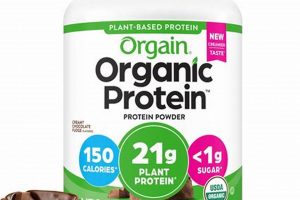
Tip 3: Incorporating Protein Powders. Plant-based protein powders, such as soy, pea, or brown rice protein, provide a convenient protein boost to smoothies, oatmeal, or baked goods. Select unflavored options to minimize artificial additives.
Tip 4: Strategic Vegetable Selection. While not primary protein sources, certain vegetables, such as spinach, broccoli, and asparagus, contribute significantly to overall protein intake. Include these in ample quantities in meal preparations.
Tip 5: Advance Grain Preparation. Quinoa, brown rice, and farro are high in protein and fiber. Cook these grains in advance and store them for quick additions to salads, bowls, or side dishes.
Tip 6: Pre-Portioned Containers. Divide prepared ingredients into individual containers for easy grab-and-go meals. Label containers with contents and preparation dates to maintain freshness.
Tip 7: Freezing for Extended Storage. Fully prepared meals or individual components can be frozen for longer storage. Soups, stews, and cooked grains freeze well and provide options for future meals.
Implementing these strategies facilitates efficient meal preparation and supports consistent protein intake on a plant-based diet. Prioritization of planning and preparation contributes significantly to dietary success.
With these strategies in mind, the subsequent sections address specific recipes suitable for high-protein, plant-based meal preparation.
1. Ingredient Selection

Ingredient selection constitutes a foundational element of successful, high-protein plant-based meal preparation. The protein content of a plant-based meal is directly determined by the ingredients chosen; therefore, prioritizing protein-rich options is essential. The difference between a nutritionally deficient and a balanced plant-based meal often lies solely in the initial ingredient choices. For example, opting for quinoa over white rice substantially increases the protein content of a given dish, directly contributing to the meal’s overall nutritional value. Careful consideration of protein sources is not merely a preference, but a determinant of meal quality.
Beyond direct protein quantity, ingredient selection also affects the variety of amino acids consumed. Plant-based proteins are often incomplete, meaning they lack one or more of the essential amino acids. Combining different protein sources, such as lentils and brown rice, ensures a more complete amino acid profile, supporting muscle repair and overall health. Similarly, incorporating nuts, seeds, and soy products enhances the nutritional complexity and completeness of the meal. Understanding the nutritional profiles of various plant-based ingredients facilitates informed decision-making.
Strategic ingredient selection is indispensable for effective, high-protein plant-based meal preparation. By prioritizing protein-rich sources and complementary ingredients, individuals can maximize the nutritional benefits and simplify the dietary planning process. Overlooking this critical aspect can compromise the nutritional adequacy of the meal, undermining the intended goals. Therefore, diligent attention to ingredient selection serves as the cornerstone of achieving protein-focused, plant-based dietary objectives.
2. Recipe Simplification
Recipe simplification directly influences the feasibility and sustainability of preparing high-protein, plant-based meals in advance. Complex recipes, with numerous steps and exotic ingredients, often deter consistent preparation. Conversely, streamlined recipes encourage regular meal preparation due to their reduced time investment and accessibility of ingredients. The cause-and-effect relationship is clear: simplified recipes increase the likelihood of consistent meal preparation, while complicated recipes decrease it. Simplified recipes are an essential component for the practical implementation of preparing protein rich, plant-based meals.
One-pot meals exemplify recipe simplification in practice. A lentil soup requiring only the addition of chopped vegetables and spices to a single pot eliminates the need for multiple pans and complicated cooking techniques. Similarly, pre-marinated tofu that can be baked or pan-fried with minimal active cooking time contributes to efficient meal preparation. The practical significance of recipe simplification lies in its ability to remove barriers to entry, making protein-rich, plant-based meal preparation accessible to a wider audience, regardless of cooking skill or time constraints.
In summary, recipe simplification facilitates easier and more consistent preparation of protein-rich plant-based meals. While nutritional considerations remain paramount, simplifying the cooking process is essential for long-term adherence. Challenges remain in balancing simplicity with nutritional diversity, but the principle of streamlining recipes provides a foundation for promoting accessible and sustainable plant-based dietary habits.
3. Batch Preparation

Batch preparation constitutes a cornerstone of efficient, high-protein plant-based meal planning, directly enabling the production of multiple servings in a single cooking session. This method addresses the time constraints often cited as barriers to consistent adherence to plant-based dietary regimens. The efficacy of a plant-based meal strategy is significantly enhanced through the systematic application of batch preparation techniques.
- Time Optimization
Batch preparation minimizes daily cooking time by consolidating meal preparation into dedicated sessions. For instance, preparing a large quantity of lentil stew on a weekend afternoon can provide several days’ worth of protein-rich lunches. This strategy frees up valuable time during the week, reducing the burden of daily meal creation.
- Ingredient Efficiency
Purchasing ingredients in bulk often results in cost savings. Batch preparation allows for the efficient utilization of these ingredients, preventing spoilage and maximizing value. Preparing a large batch of tofu scramble, for example, utilizes an entire block of tofu, minimizing waste and streamlining ingredient usage.
- Consistent Nutritional Intake
Batch preparation facilitates precise control over macronutrient composition. Planning and executing meals in advance ensures consistent protein intake, supporting muscle maintenance and overall health. This contrasts with ad hoc meal decisions, which may result in inadequate protein consumption.
- Reduced Decision Fatigue
The act of deciding what to eat each day contributes to mental fatigue. Batch preparation eliminates the need for daily meal planning, reducing decision fatigue and promoting adherence to dietary goals. Meals are readily available, mitigating the temptation to opt for less healthy alternatives.
The strategic application of batch preparation techniques enhances the practicality and sustainability of high-protein plant-based meal plans. The cumulative benefits of time optimization, ingredient efficiency, consistent nutritional intake, and reduced decision fatigue contribute significantly to long-term dietary success.
4. Proper Storage

Proper storage constitutes an indispensable element in the successful execution of any plan involving pre-prepared, protein-rich, plant-based meals. Inadequate storage practices compromise food safety, reduce nutritional value, and negate the time-saving benefits of meal preparation. Therefore, understanding and implementing appropriate storage methods is paramount.
- Temperature Control
Maintaining consistent, low temperatures inhibits bacterial growth and prolongs the shelf life of prepared foods. Refrigeration at or below 40F (4C) is essential for most cooked plant-based meals. Freezing at 0F (-18C) further extends storage duration, effectively halting microbial activity. For instance, a lentil stew stored at room temperature may spoil within hours, while refrigeration extends its usability to several days, and freezing to several months.
- Container Selection
The type of container used for storage directly affects food preservation. Airtight containers minimize exposure to oxygen, which contributes to spoilage. Glass or BPA-free plastic containers are preferred over cheaper alternatives, which may leach harmful chemicals into the food. The use of appropriate containers ensures both food safety and preservation of flavor and texture.
- Portioning and Labeling
Dividing meals into individual portions before storage allows for easy retrieval and prevents unnecessary thawing and refreezing, which degrades food quality. Clear labeling with the date of preparation is crucial for tracking storage duration and preventing consumption of expired food. This system supports efficient meal retrieval and minimizes food waste.
- Understanding Food-Specific Considerations
Different types of plant-based foods require specific storage protocols. Cooked grains, for instance, should be cooled rapidly before refrigeration to prevent bacterial growth. Delicate vegetables, such as spinach, benefit from proper moisture control to prevent wilting. Understanding these nuances optimizes the shelf life and quality of each ingredient.
The implementation of proper storage techniques safeguards the nutritional integrity and palatability of pre-prepared, protein-rich, plant-based meals. Neglecting these considerations compromises the benefits of meal preparation, potentially leading to foodborne illness and unnecessary waste. Adhering to these guidelines ensures that the effort invested in meal preparation yields consistent, safe, and nutritious results.
5. Nutritional Balance
Achieving nutritional balance is not merely a desired outcome, but a fundamental requirement for the effective implementation of plant-based meal preparation, particularly when emphasizing high protein intake. The intentional selection and combination of ingredients are critical to ensure the consumption of a complete range of essential nutrients. Failure to prioritize nutritional balance undermines the health benefits associated with plant-based diets, potentially leading to deficiencies in key vitamins, minerals, and amino acids. For example, a diet consisting solely of processed vegan protein sources, while high in protein, may lack essential micronutrients and fiber.
The integration of diverse plant-based protein sources, such as legumes, grains, nuts, seeds, and vegetables, contributes to a more comprehensive nutritional profile. Furthermore, careful attention should be paid to incorporating sources of vitamins B12, D, and omega-3 fatty acids, which are not readily available in most plant-based foods and may require supplementation. A practical application of this understanding involves planning meals that include fortified plant-based milk, nutritional yeast (for B vitamins), and flax seeds or walnuts (for omega-3s). Such strategic additions ensure a balanced nutrient intake, maximizing the health benefits of the diet.
In conclusion, nutritional balance is inextricably linked to the success of a high-protein, plant-based meal preparation strategy. Strategic planning, incorporating a variety of protein sources and micronutrient-rich foods, is essential to prevent deficiencies and optimize health outcomes. Challenges remain in ensuring consistent adherence to balanced eating, but the systematic incorporation of nutritional considerations into meal planning is a prerequisite for a sustainable and healthful dietary pattern.
6. Time Management

Effective time management is a central determinant of success in adhering to a regimen of easily prepared, high-protein, plant-based meals. The allocation of dedicated time blocks for planning, shopping, preparation, and storage directly influences the feasibility of maintaining such a diet over the long term. Without deliberate time management, the perceived convenience of readily available, less-healthy options can undermine adherence to dietary goals.
- Meal Planning and Scheduling
The proactive scheduling of meal planning sessions is fundamental. Designating a specific time each week to identify recipes, assess available ingredients, and create a shopping list streamlines the entire process. This preliminary step minimizes impulsive food choices and ensures that all necessary components are readily available when preparation begins. For example, allocating one hour each Sunday to plan the week’s meals can save several hours later.
- Batch Cooking and Efficient Preparation Techniques
Time management principles dictate optimizing cooking sessions through batch preparation. Cooking large quantities of staples, such as lentils, quinoa, or roasted vegetables, at once significantly reduces daily cooking time. Employing efficient preparation techniques, such as pre-chopping vegetables or using multi-cookers, further enhances time savings. The application of these strategies transforms meal preparation from a daily chore into a manageable, periodic task.
- Strategic Grocery Shopping
Efficient grocery shopping involves creating a detailed list, organizing the list by store layout, and avoiding impulse purchases. Shopping during off-peak hours minimizes congestion and reduces time spent in the store. Utilizing online grocery services with delivery or pickup options provides an additional layer of time savings. The implementation of these tactics ensures that shopping contributes to, rather than detracts from, overall time efficiency.
- Designated Storage and Cleanup Procedures
Implementing organized storage procedures, such as labeling containers and arranging pre-portioned meals, minimizes retrieval time. Establishing a routine for immediate cleanup after meal preparation prevents the accumulation of clutter and simplifies future cooking sessions. Designating specific areas for ingredients and prepared meals enhances efficiency and reduces the likelihood of food waste.
In conclusion, strategic time management is pivotal for integrating easily prepared, high-protein, plant-based meals into a sustainable lifestyle. The allocation of time for planning, efficient preparation, strategic shopping, and organized storage directly impacts the feasibility and success of adhering to such a dietary regimen. Without deliberate time management, the perceived convenience of alternative options can undermine adherence to dietary goals.
Frequently Asked Questions
The following addresses common inquiries regarding the preparation of simple, plant-based meals that prioritize high protein content.
Question 1: What are the primary sources of protein in plant-based meal preparation?
Legumes, including lentils, beans, and chickpeas, constitute significant protein sources. Tofu, tempeh, and edamame, derived from soybeans, offer complete protein profiles. Additionally, grains such as quinoa and amaranth contribute protein to plant-based meals. Nuts and seeds provide supplementary protein, as well as essential fats.
Question 2: How can one ensure adequate protein intake on a plant-based diet?
Strategic planning is essential. Combining various protein sources throughout the day ensures a complete amino acid profile. Monitoring protein intake and adjusting portion sizes accordingly maintains sufficiency. Supplementation with plant-based protein powders may be considered, but whole food sources are generally preferred.
Question 3: Is it more expensive to prepare high-protein plant-based meals?
The cost-effectiveness of plant-based meals depends on ingredient selection and purchasing habits. Legumes and grains are generally inexpensive. Purchasing in bulk and preparing meals from scratch can reduce costs compared to pre-packaged vegan products. Seasonal produce also offers cost savings.
Question 4: How long can prepared plant-based meals be safely stored?
Proper storage is critical. Refrigerated meals are typically safe for consumption within 3-4 days. Frozen meals can be stored for several months. Utilizing airtight containers and labeling with preparation dates maintains food safety. Thawing frozen meals in the refrigerator is recommended to prevent bacterial growth.
Question 5: What are some examples of easy, high-protein vegan meals suitable for preparation in advance?
Lentil soup, tofu stir-fries, quinoa salads with chickpeas, and black bean burgers are suitable examples. These meals can be prepared in large batches and stored for later consumption. Recipe variations accommodate diverse tastes and dietary preferences.
Question 6: What considerations are necessary for individuals with specific dietary needs or restrictions (e.g., gluten intolerance, soy allergies)?
Modifications to recipes are essential. Gluten-free grains, such as quinoa and brown rice, replace wheat-based products. Soy-free alternatives, such as hemp seeds and sunflower seeds, provide protein for individuals with soy allergies. Careful ingredient selection addresses specific dietary requirements.
Adhering to these principles facilitates the successful preparation of high-protein, plant-based meals, contributing to overall health and well-being.
The subsequent sections detail specific recipes tailored to high-protein, plant-based meal preparation.
Easy Vegan Meal Prep High Protein
This exposition has detailed the essential facets of “easy vegan meal prep high protein,” emphasizing ingredient selection, recipe simplification, batch preparation, proper storage, nutritional balance, and time management. Successful implementation of these strategies yields efficient and nutritious plant-based meals, optimized for protein intake and convenience. The presented information underscores the practicality and accessibility of integrating high-protein, plant-based diets into contemporary lifestyles.
Consistent application of these principles can contribute to improved dietary adherence and enhanced health outcomes. Continued exploration and refinement of plant-based meal preparation techniques remain crucial for advancing sustainable and nutritious eating habits. The long-term benefits of informed dietary choices warrant ongoing commitment to accessible resources and practical guidance in the realm of plant-based nutrition.
![Fuel Up: Best Vegan Wafer Protein Bars [Delicious!] | Discover Delicious Vegan Food, Beauty Swaps, and Zero-Waste Tips for a Greener Life](https://thisvegangirl.com/wp-content/uploads/2026/05/th-325-300x200.jpg "Fuel Up: Best Vegan Wafer Protein Bars [Delicious!] Discover Delicious Vegan Food, Beauty Swaps, and Zero-Waste Tips for a Greener Life")