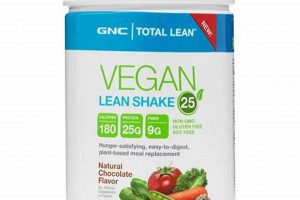
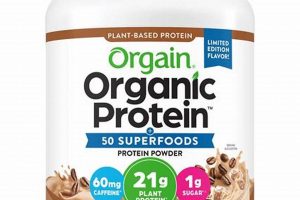
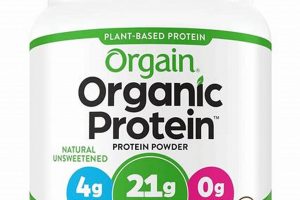
The act of creating plant-based protein supplements at home offers an alternative to commercially produced products. This involves sourcing ingredients such as legumes, seeds, and grains, processing them through methods like grinding and blending, and potentially adding flavorings or sweeteners. A common example includes combining ground pumpkin seeds, brown rice protein, and cocoa powder to create a chocolate-flavored protein boost.
Producing protein supplements from scratch allows for greater control over ingredients, potentially reducing exposure to additives or allergens. It can also present a more cost-effective solution for individuals with specific dietary needs or preferences. Historically, such practices were common before the widespread availability of commercial supplements, with individuals relying on whole food sources to meet their protein requirements.
Subsequent sections will detail the various plant-based protein sources suitable for homemade supplements, discuss optimal blending and flavoring techniques, and provide guidelines for proper storage and consumption to maximize nutritional benefits.
Considerations for Homemade Plant-Based Protein Supplements
The following guidelines address essential factors in the preparation of plant-based protein supplements at home, designed to optimize nutritional value and ensure safe consumption.
Tip 1: Source High-Quality Ingredients: The nutritional profile of the final product is directly dependent on the quality of the initial ingredients. Opt for organic, non-GMO legumes, seeds, and grains to minimize exposure to pesticides and genetically modified organisms.
Tip 2: Prioritize Protein Combinations: Combining different plant-based protein sources can improve the amino acid profile. For example, combining brown rice protein (low in lysine) with pea protein (rich in lysine) creates a more complete protein source.
Tip 3: Control Particle Size: Achieving a fine powder consistency is crucial for palatability and digestibility. A high-powered blender or grinder is essential to break down fibrous materials and prevent a gritty texture.
Tip 4: Incorporate Natural Sweeteners and Flavorings: Avoid artificial sweeteners and flavorings. Instead, use natural alternatives such as dates, maple syrup, or stevia to enhance the taste. Flavorings like cocoa powder, cinnamon, or vanilla extract can also improve palatability.
Tip 5: Conduct Thorough Blending: Ensure all ingredients are thoroughly mixed to create a homogenous blend. Inadequate mixing can result in uneven distribution of nutrients and flavorings.
Tip 6: Implement Proper Storage: Store the finished protein powder in an airtight container in a cool, dry place away from direct sunlight. This will help prevent degradation and maintain freshness.
Tip 7: Monitor for Allergens: Be mindful of potential allergens, particularly if preparing supplements for individuals with sensitivities. Common allergens include soy, nuts, and seeds. Ensure all ingredients are clearly labeled.
Adhering to these guidelines can help ensure the production of a nutritious, palatable, and safe plant-based protein supplement. Careful attention to ingredient sourcing, processing techniques, and storage practices is essential for maximizing the benefits of this alternative.
The final section will address potential challenges and offer solutions for troubleshooting common issues encountered during the production of homemade protein supplements.
1. Ingredient bioavailability

Ingredient bioavailability is a crucial factor when creating plant-based protein supplements. This refers to the proportion of ingested protein that is absorbed and utilized by the body. While plant-based sources can provide ample protein, their bioavailability may differ compared to animal-derived proteins due to factors such as fiber content, presence of antinutrients (e.g., phytates, tannins), and the protein’s structure. Therefore, careful consideration of ingredient selection and processing is essential to maximize protein absorption. For example, soaking or sprouting legumes and grains before processing can reduce antinutrient content, potentially increasing bioavailability. Different protein sources have different amino acid compositions. Combining different vegan sources can produce a supplement with a more complete profile of essential amino acids.
When pursuing plant-based protein supplements at home, specific steps can enhance bioavailability. Milling the ingredients finely helps break down plant cell walls, improving digestion. Fermentation, as seen in some soy-based products, can further increase protein availability. Furthermore, some research suggests that consuming plant-based protein in conjunction with certain enzymes or other nutrients may facilitate absorption. The selection and combination of ingredients plays a vital role in achieving a balanced amino acid profile as well as maximizing protein digestibility and uptake. If not accounted for, the homemade supplement may be nutritionally incomplete, which means the supplement may only contain certain amino acids, but may lack the other important amino acids to make it an all encompassing protein source.
In summary, bioavailability represents a key consideration in crafting plant-based protein supplements from scratch. Optimizing this aspect requires careful ingredient selection, appropriate processing techniques to minimize antinutrients, and strategic combination of different plant sources to achieve a complete amino acid profile. Overlooking bioavailability could compromise the nutritional value of the homemade protein powder, thus understanding and implementing strategies to enhance it is crucial for maximizing the benefits of plant-based protein consumption.
2. Amino acid profiles

The creation of plant-based protein supplements necessitates careful attention to amino acid profiles. Plant-based protein sources frequently exhibit incomplete amino acid profiles, meaning they may be deficient in one or more essential amino acids. Essential amino acids cannot be synthesized by the human body and must be obtained through dietary intake. A deficiency in even one essential amino acid can limit protein synthesis and hinder various physiological processes. Therefore, when developing homemade vegan protein supplements, it is crucial to combine different plant-based protein sources to ensure a complete and balanced amino acid profile.
An example illustrates this principle effectively: rice protein is generally low in lysine, while pea protein is rich in lysine. By combining these two protein sources, a more complete amino acid profile is achieved. Similarly, combining legumes (such as lentils or chickpeas) with grains (such as oats or quinoa) can improve the overall amino acid composition of the resulting supplement. Formulating a vegan protein powder without considering amino acid profiles can result in a product that fails to adequately support protein synthesis and muscle repair, potentially negating the intended benefits of supplementation. It is important to look at combining a variety of plant sources. The combination of these various vegan protein sources will help to create a more balanced supplement with the right amino acids.
In summary, the amino acid profile is a pivotal consideration in formulating effective plant-based protein supplements at home. Strategic combination of different plant-based protein sources is essential to address potential deficiencies and ensure a complete and balanced amino acid intake. Failure to address this aspect can compromise the nutritional value and efficacy of the homemade protein powder. Consumers need to consider this when they are planning to make their own vegan protein supplement.
3. Processing techniques

Processing techniques represent a critical determinant of the quality and usability of plant-based protein supplements created at home. The effectiveness of grinding, milling, and blending directly impacts the final product’s texture, digestibility, and overall palatability. For instance, inadequate grinding of seeds or grains can result in a gritty texture, reducing consumer acceptance. Conversely, optimized milling can yield a fine powder that mixes more easily with liquids and is more readily digested. The chosen processing method also influences the preservation of nutrients. Overheating during processing, such as through excessive grinding speeds, can degrade heat-sensitive vitamins and amino acids. Thus, controlling temperature and processing time is essential for maintaining nutritional integrity.
Different plant-based protein sources necessitate specific processing adjustments. Legumes, for example, may require pre-treatment such as soaking or sprouting to reduce antinutrient content before grinding. Seeds with high oil content, like flax or sunflower seeds, can benefit from cold-milling techniques to prevent oil oxidation and maintain flavor. Furthermore, the equipment employed significantly affects the processing outcome. A high-powered blender or grain mill is generally necessary to achieve the desired particle size for protein powders. The utilization of inferior equipment may lead to inconsistent results and a subpar product. A real-world example of the effects processing has on a product is when a supplement maker does not correctly follow manufacturing guidelines, it could create a product that clumps when mixing it.
In summary, processing techniques are inextricably linked to the success of plant-based protein supplement creation at home. Careful selection and execution of these techniques directly influence the texture, digestibility, nutritional value, and overall quality of the final product. Attention to detail during processing is essential for optimizing the benefits of homemade vegan protein supplements and addressing potential challenges associated with ingredient characteristics and equipment limitations. Those who want to produce homemade supplements, needs to take into account the type of equipment, grinding and milling times, and ingredient quality.
4. Flavor optimization

Flavor optimization constitutes a critical aspect of plant-based protein supplement creation. The inherent taste profiles of many plant-based protein sources, such as legumes, seeds, and grains, are often described as earthy, bitter, or bland, posing a significant challenge to product palatability. Consequently, effective flavor optimization is essential to ensure consumer acceptance and consistent consumption. Failure to address the flavor inadequacies of these base ingredients can lead to a product that, despite its nutritional value, is unappealing and ultimately unused. Real-world examples include consumers rejecting protein powders with a strong “beany” taste from poorly processed soy or a gritty texture from improperly milled brown rice.
Flavor optimization strategies for plant-based protein supplements encompass a range of techniques. Natural sweeteners, such as dates, maple syrup, or stevia, can mask undesirable flavors and enhance overall sweetness. The addition of flavor extracts, such as vanilla or almond, can impart pleasant aromas and tastes that complement the base ingredients. Moreover, the inclusion of spices like cinnamon or cocoa powder can contribute both flavor complexity and potential health benefits. A practical application involves combining pea protein, known for its distinct vegetal flavor, with cocoa powder and a natural sweetener to create a chocolate-flavored protein powder that is more palatable. It is important for those who make supplements to understand consumer preference, or the supplement will likely be rejected.
In summary, flavor optimization is inextricably linked to the success of plant-based protein supplements. Overcoming the inherent flavor challenges of plant-based ingredients through strategic use of sweeteners, extracts, and spices is crucial for producing a palatable and consumer-friendly product. Ignoring the importance of flavor optimization can negate the potential benefits of the supplement by limiting its acceptance and consistent use. Therefore, flavor considerations should be central to the development process. A lot of planning should go into flavor optimization, as the other components of the supplements will be pointless if not consumed.
5. Storage stability

Storage stability is a critical consideration in the context of plant-based protein supplement production at home. It refers to the ability of the finished product to maintain its quality, nutritional value, and safety over an extended period. Factors affecting storage stability include oxidation, moisture absorption, microbial growth, and enzymatic activity. Degradation in any of these areas can compromise the supplement’s effectiveness and safety, rendering it unsuitable for consumption.
- Lipid Oxidation
Plant-based protein sources, particularly seeds and nuts, often contain unsaturated fats susceptible to oxidation. Oxidation leads to rancidity, off-flavors, and a reduction in nutritional value, specifically the degradation of essential fatty acids and fat-soluble vitamins. For example, flaxseed meal incorporated into a homemade protein powder is prone to oxidation, resulting in a fishy odor and diminished health benefits if not properly stored. The type of ingredients will play a large part in the quality and shelf life of the final product.
- Moisture Absorption
Protein powders are hygroscopic, meaning they readily absorb moisture from the environment. Excessive moisture content can lead to clumping, caking, and the promotion of microbial growth, including molds and bacteria. A homemade protein blend containing ingredients like dried fruits or sprouted grains may be particularly vulnerable to moisture absorption. Proper storage in airtight containers is essential to minimize moisture exposure.
- Microbial Contamination
Homemade protein powders, lacking the sterilization processes common in commercial production, are at a higher risk of microbial contamination. Spores of molds and bacteria can be present in raw ingredients or introduced during processing. Moisture and warmth exacerbate microbial growth, leading to spoilage and potential health hazards. Ensuring clean equipment and dry storage conditions is crucial for minimizing microbial risks.
- Enzymatic Activity
Enzymes present in plant-based ingredients can remain active even after processing, leading to gradual degradation of proteins, carbohydrates, and fats. Enzymatic activity can cause changes in texture, flavor, and nutritional content. For instance, protease enzymes can break down proteins, reducing their bioavailability. Heat treatment, such as roasting seeds before grinding, can denature enzymes and improve storage stability. It is important to ensure the powder remains at a desirable state for consumption.
These considerations highlight the importance of implementing appropriate storage strategies to maintain the quality and safety of homemade plant-based protein supplements. Proper storage methods, including airtight containers, cool and dry environments, and the incorporation of ingredients with inherent stability, are crucial for maximizing shelf life and preserving the nutritional benefits of these products.
6. Cost effectiveness

The economic advantage represents a primary motivation for individuals undertaking the creation of plant-based protein supplements at home. Commercially produced vegan protein powders often carry a premium price due to manufacturing processes, marketing expenses, and distribution costs. By sourcing raw ingredients and processing them independently, consumers may achieve significant cost savings. The degree of savings depends on factors such as ingredient selection, purchasing volume, and the availability of processing equipment. For instance, bulk purchasing of legumes, grains, and seeds from wholesale suppliers can substantially reduce the per-serving cost of the final protein supplement.
The selection of specific plant-based protein sources also influences cost-effectiveness. Common and readily available ingredients, such as oats, brown rice, and lentils, are typically less expensive than more specialized protein isolates or blends. Furthermore, the ability to control ingredient ratios allows for optimization based on both nutritional needs and budgetary constraints. A practical example includes substituting a portion of a costly protein isolate with a less expensive, whole-food protein source to reduce overall expenses while maintaining a satisfactory amino acid profile. The ability to control what sources make up the protein powder, and where these sources come from contributes significantly to the overall cost effectiveness.
In conclusion, cost-effectiveness stands as a significant driver for the adoption of the practice. By bypassing commercial channels and leveraging economies of scale through bulk purchasing, consumers may realize substantial savings. Careful ingredient selection and recipe optimization further enhance the economic benefits. These factors collectively contribute to the appeal of creating plant-based protein supplements as a financially viable alternative to commercially available products. The initial purchase of equipment will pay itself off over time, and the money saved from bulk purchasing of ingredients also adds to the cost effectiveness.
Frequently Asked Questions
The following addresses common inquiries regarding the creation of plant-based protein supplements from raw ingredients, providing guidance on nutritional considerations, safety protocols, and practical aspects of formulation.
Question 1: What are the primary advantages of creating plant-based protein supplements independently as opposed to purchasing commercially available products?
Independent production offers greater control over ingredients, potentially minimizing exposure to additives, allergens, or genetically modified organisms. It also allows for cost optimization through bulk sourcing and recipe customization to meet specific dietary needs.
Question 2: Are there specific plant-based protein sources that are inherently superior for homemade supplements?
No single plant-based protein source is universally superior. Optimal formulation involves combining multiple sources to achieve a complete amino acid profile. Examples include combining rice protein with pea protein or legumes with grains to address potential deficiencies in essential amino acids.
Question 3: What precautions should be taken to prevent microbial contamination during the processing and storage of homemade protein supplements?
Maintaining clean equipment is essential. Ingredients should be stored in airtight containers in a cool, dry environment to minimize moisture absorption and inhibit microbial growth. Roasting seeds or grains prior to grinding can also reduce microbial loads and enhance stability.
Question 4: How does one ensure adequate protein bioavailability from plant-based sources in homemade supplements?
Processing techniques such as soaking, sprouting, or fermenting ingredients prior to grinding can reduce antinutrient content and improve protein digestibility. Milling ingredients finely also aids in breaking down cell walls and enhancing absorption.
Question 5: What are effective strategies for improving the flavor of plant-based protein supplements without compromising nutritional value?
Natural sweeteners like dates or maple syrup, along with flavor extracts such as vanilla or almond, can mask undesirable flavors. The addition of spices like cinnamon or cocoa powder can also contribute both flavor complexity and potential health benefits.
Question 6: How can the shelf life of homemade plant-based protein supplements be maximized?
Proper storage in airtight containers, minimization of moisture exposure, and the inclusion of inherently stable ingredients are crucial. Also, preventing lipid oxidation by protecting supplements from exposure to heat, light, and air is also important for an increased shelf life.
Careful attention to these details will enhance the production, quality, and overall effectiveness of the plant-based supplement.
The next article section offers a recipe for vegan protein powder, and it involves ingredients you may not have.
Vegan Protein Powder DIY
This exploration of vegan protein powder DIY has highlighted key factors in producing a nutritionally sound and palatable supplement. Considerations span from ingredient sourcing and amino acid balancing to processing techniques, flavor optimization, storage stability, and cost management. The degree to which these elements are addressed directly influences the viability of homemade alternatives to commercially available products.
Ultimately, the decision to engage in vegan protein powder DIY necessitates a commitment to both research and meticulous execution. While the potential for cost savings and ingredient control is evident, the process demands a thorough understanding of nutritional principles and food safety protocols. Continued investigation and adherence to established best practices will be crucial in determining the long-term success and overall value of this approach.