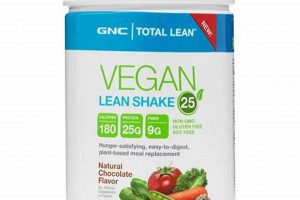
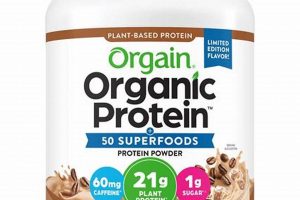
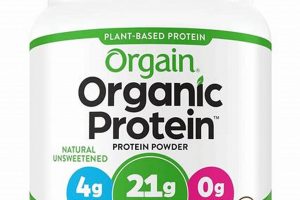
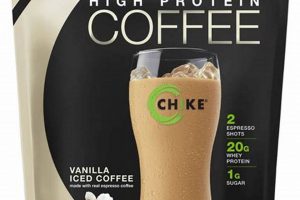
A beverage combining brewed coffee with plant-based protein sources provides an alternative to traditional protein shakes for individuals seeking both caffeination and increased protein intake. Examples include blending coffee with pea protein isolate, brown rice protein, or soy protein, often incorporating non-dairy milk like almond or oat milk for enhanced flavor and texture.
Its significance lies in offering a convenient way to supplement protein consumption, particularly appealing to those adhering to plant-based diets. The combination can potentially enhance exercise recovery, promote satiety, and provide a sustained energy boost. Historically, combining protein supplementation with coffee represents a relatively recent trend, driven by growing awareness of plant-based nutrition and the desire for efficient, multi-functional food and beverage options.
The subsequent sections will delve into the nutritional profile of this beverage, explore its potential applications in various dietary regimens, and address considerations for its preparation and consumption.
Guidance on Plant-Based Protein Infused Coffee Beverages
The following guidelines aim to provide insights for maximizing the benefits and mitigating potential drawbacks associated with incorporating a plant-based protein source into coffee consumption.
Tip 1: Select a compatible plant-based protein. Pea protein and brown rice protein often exhibit milder flavor profiles compared to soy protein, potentially blending more seamlessly with coffee’s inherent taste.
Tip 2: Consider the protein concentration. Adjust the protein powder quantity based on individual protein requirements and desired beverage consistency. Excessive protein can alter the texture and taste negatively.
Tip 3: Employ cold-brewing techniques. Cold-brewed coffee typically possesses lower acidity compared to hot-brewed varieties, which may enhance palatability when combined with plant-based protein sources.
Tip 4: Incorporate complementary flavors strategically. Vanilla extract, cinnamon, or unsweetened cocoa powder can mask any residual bitterness or off-flavors from the protein powder.
Tip 5: Opt for a high-quality protein source. Third-party tested protein powders ensure purity and accuracy of nutritional information, minimizing the risk of contamination or mislabeling.
Tip 6: Monitor digestive response. Plant-based protein powders can sometimes cause gastrointestinal distress in susceptible individuals. Begin with a small serving and gradually increase as tolerance permits.
The judicious application of these guidelines can facilitate the successful integration of plant-based protein into coffee beverages, enabling individuals to derive the intended nutritional benefits while minimizing potential drawbacks.
The subsequent section will explore potential applications of these beverages in specific dietary contexts and address considerations for optimizing their nutritional impact.
1. Plant-based protein source

The selection of the plant-based protein source constitutes a fundamental determinant of the nutritional profile and overall characteristics of any vegan protein coffee. The protein source directly impacts the amino acid composition, flavor profile, and digestibility of the resulting beverage. For example, soy protein isolate, derived from soybeans, provides a complete amino acid profile, mimicking that of animal-based proteins, making it a suitable choice for individuals prioritizing muscle protein synthesis. In contrast, pea protein, while possessing a relatively neutral flavor, is not a complete protein and requires strategic combination with other plant-based sources to ensure adequate intake of all essential amino acids. The selection, therefore, is a primary driver of the drink’s nutritional efficacy.
Furthermore, the chosen protein source exerts a noticeable influence on the sensory experience of the coffee beverage. Brown rice protein, for instance, may impart a slightly gritty texture and earthy flavor, necessitating the addition of masking agents or complementary flavorings such as cinnamon or cocoa powder. Conversely, certain processed forms of pea protein exhibit improved solubility and flavor neutrality, facilitating seamless integration into the coffee base. Practical application demands careful consideration of these sensory attributes to achieve an acceptable and palatable product. Individuals with allergies or sensitivities must also ensure the chosen protein source aligns with their dietary needs and restrictions, further emphasizing its significance as a core component of the beverage.
In conclusion, the plant-based protein source is an instrumental ingredient in formulating effective and palatable vegan protein coffee. Its selection dictates the amino acid composition, textural properties, and flavor nuances of the final product. Thorough understanding of the attributes associated with various plant-based protein sources empowers informed decision-making, enabling individuals to tailor the beverage to their specific nutritional goals, dietary constraints, and taste preferences. Ignoring this critical element can lead to suboptimal results in terms of nutritional impact and consumer satisfaction.
2. Amino Acid Profile

The amino acid profile of plant-based protein is a critical determinant of the nutritional value of vegan protein coffee. Insufficient intake of essential amino acids, those which the human body cannot synthesize, impairs numerous physiological processes, including muscle protein synthesis, enzyme production, and hormone regulation. Therefore, the choice of protein source directly influences the effectiveness of vegan protein coffee as a dietary supplement. For example, a coffee drink relying solely on a protein source deficient in lysine may compromise its ability to support muscle recovery after exercise. Conversely, a combination of protein sources strategically selected to complement each other’s amino acid profiles creates a more complete and effective protein supplement.
The effectiveness of vegan protein coffee for meeting protein requirements and supporting overall health is directly linked to the quality of the protein’s amino acid composition. Supplementing with a beverage that lacks sufficient quantities of specific essential amino acids may lead to an imbalance that hinders the body’s ability to utilize other amino acids effectively. For instance, a coffee containing only brown rice protein, relatively low in lysine, might require supplementation with other lysine-rich plant sources like legumes to ensure adequate protein utilization. This understanding enables individuals to customize their beverage formulation, selecting protein sources that align with their specific amino acid needs and dietary objectives. The knowledge impacts product development, influencing the blending of multiple plant protein sources to achieve a more complete and balanced amino acid profile, thus optimizing the coffee’s overall nutritional impact.
In summary, the amino acid profile serves as a pivotal attribute dictating the overall nutritional contribution of vegan protein coffee. By carefully evaluating the amino acid composition of various plant-based protein sources and combining them judiciously, it is possible to formulate a beverage that effectively meets protein needs, promotes muscle recovery, and supports overall health. Ignoring the amino acid profile undermines the potential benefits of vegan protein coffee, turning it into a suboptimal nutritional choice. Therefore, its understanding constitutes a key factor in optimizing this beverage for specific dietary goals.
3. Caffeine impact

Caffeine, a central nervous system stimulant, is an inherent component of coffee, and its presence significantly influences the physiological effects of a beverage containing plant-based protein. Caffeine’s primary action involves blocking adenosine receptors in the brain, which reduces feelings of fatigue and promotes alertness. In the context of vegan protein coffee, this stimulant effect can be synergistic with the benefits of protein, potentially enhancing focus and energy levels for a sustained period. An example is individuals consuming this combination before workouts, leveraging both the protein for muscle support and the caffeine for increased performance and reduced perceived exertion. Understanding this interaction informs optimal timing of consumption based on desired outcomes.
Furthermore, caffeine can affect appetite and metabolism, which may be relevant for individuals using vegan protein coffee as part of a weight management strategy. Caffeine can suppress appetite in some individuals, potentially aiding in calorie control. Additionally, it can modestly increase metabolic rate, although this effect is typically small. The addition of protein further contributes to satiety, creating a combination that can be more effective for managing hunger than either caffeine or protein alone. Practical application involves mindful consumption, considering individual sensitivity to caffeine and its potential impact on sleep patterns. Individuals sensitive to caffeine should monitor their intake and avoid consumption close to bedtime to prevent sleep disturbances.
In summary, caffeine’s presence in vegan protein coffee contributes significantly to its overall effects, influencing energy levels, focus, appetite, and metabolism. Individual responses to caffeine vary considerably, necessitating a personalized approach to consumption. While the combination of caffeine and plant-based protein offers potential benefits, awareness of potential drawbacks, such as sleep disturbances or digestive discomfort, is crucial. The practical significance of understanding caffeine’s impact lies in optimizing the beverage’s consumption to align with individual needs and tolerance levels, thereby maximizing benefits while minimizing potential adverse effects.
4. Flavor compatibility
Flavor compatibility constitutes a pivotal aspect of formulating palatable vegan protein coffee beverages. Plant-based proteins often possess inherent flavor profiles that may clash with the characteristic taste of coffee, leading to an unappetizing final product. The selection of a protein source that complements, rather than clashes with, coffee’s flavor notes is therefore a primary determinant of consumer acceptance. For example, the earthy undertones of some brown rice protein powders can be mitigated by incorporating complementary flavors such as cocoa or cinnamon, effectively masking the less desirable attributes. Conversely, using a protein source with a strong, distinct flavor, such as some varieties of unflavored soy protein, may necessitate more aggressive flavoring strategies, potentially compromising the overall quality and authenticity of the coffee beverage.
Strategies to enhance flavor compatibility include employing flavor masking agents, such as vanilla extract or natural sweeteners, and selecting coffee varieties that inherently complement the chosen protein source. Roasting profiles of coffee beans can also influence compatibility; darker roasts often exhibit bolder flavors that can better mask the off-notes of certain plant-based proteins. Practical applications demand careful experimentation with different combinations of protein sources, flavorings, and coffee varieties to achieve an optimal flavor profile. The use of sensory evaluation techniques, such as blind taste tests, can further refine the formulation process, ensuring that the final product meets consumer expectations regarding taste and palatability. Ingredient quality is also an important factor as higher quality protein and coffee ingredients will offer better overall flavor.
In summary, flavor compatibility is a critical factor influencing the success of vegan protein coffee formulations. The careful selection of protein sources, strategic use of flavoring agents, and consideration of coffee variety and roasting profile are all essential components of creating a palatable beverage. Challenges remain in masking the inherent flavors of some plant-based proteins, necessitating ongoing research and development in flavoring technologies. Ultimately, understanding and addressing flavor compatibility are crucial for achieving widespread consumer acceptance of vegan protein coffee as a viable and enjoyable dietary option.
5. Digestibility
Digestibility represents a critical factor influencing the efficacy and consumer acceptance of vegan protein coffee. The inherent properties of plant-based protein sources and their interaction with coffee’s components can either promote or hinder the digestive process. Incomplete digestion results in reduced nutrient absorption, potentially negating the intended benefits of protein supplementation. Moreover, undigested protein reaching the colon may undergo fermentation by gut bacteria, leading to gastrointestinal distress, including bloating, gas, and abdominal discomfort. For example, individuals with sensitivities to certain legumes may experience digestive issues following consumption of vegan protein coffee containing pea protein, unless it is processed in a specific way to break down some complex carbohydrates. This negative experience then works to counter the positive aspects the coffee drink has to offer.
The method of protein processing significantly impacts its digestibility. Protein isolates, which undergo extensive processing to remove carbohydrates and fats, are generally more digestible than protein concentrates. Hydrolyzed proteins, which are pre-digested through enzymatic action, offer further enhanced digestibility, potentially minimizing gastrointestinal side effects. Furthermore, the combination of coffee’s caffeine and acidity with certain plant-based proteins can exacerbate digestive issues in susceptible individuals. For instance, combining highly acidic coffee with soy protein may trigger discomfort in those prone to acid reflux. Therefore, selecting protein sources and coffee varieties with lower acidity and opting for protein isolates or hydrolyzed forms can improve digestibility and reduce the risk of adverse reactions. Lactose-free milk such as almond milk, coconut milk, or oat milk also play a vital role in lessening the likelihood of digestive issues.
In conclusion, digestibility is not merely a desirable attribute of vegan protein coffee but a fundamental determinant of its effectiveness and tolerability. Strategic selection of protein sources, careful consideration of processing methods, and awareness of potential interactions between protein and coffee components are crucial for optimizing digestibility and mitigating the risk of gastrointestinal distress. Future research should focus on identifying and developing plant-based protein sources with inherently high digestibility and minimal allergenic potential. This advancement is vital to promoting widespread adoption of vegan protein coffee as a sustainable and effective protein supplementation option.
6. Mixing consistency

The mixing consistency of the end product directly correlates with the overall palatability and consumer acceptance of plant-based protein-infused coffee. Inadequate mixing results in clumps of undissolved protein powder, creating an undesirable textural experience. This grittiness not only detracts from the drinking experience but can also hinder digestibility. For instance, a poorly mixed protein coffee may lead to a consumer perceiving the product as low-quality, irrespective of its nutritional benefits, thus impacting repeat purchases. The cause stems from protein powders, particularly plant-based varieties, exhibiting variable solubility depending on factors such as particle size, processing method, and inherent protein structure. Therefore, achieving a homogenous mixture is not merely an aesthetic concern but a fundamental prerequisite for delivering a satisfactory and effective beverage.
Various techniques can mitigate mixing challenges. Utilizing a blender, either countertop or immersion, effectively disperses protein particles throughout the liquid. Agitation, especially in conjunction with warm or hot coffee, aids in protein dissolution. Employing protein isolates, which possess finer particle sizes and enhanced solubility compared to protein concentrates, presents another avenue for improvement. Cold-brew coffee, while often lower in acidity, may require more vigorous mixing due to the lower temperature. The practical application involves carefully selecting protein powders known for their good solubility, employing appropriate mixing equipment, and adjusting the mixing duration to ensure complete protein dispersion. Ingredient order also matters: liquids should be added before solids.
In summary, achieving optimal mixing consistency is a crucial factor in formulating acceptable plant-based protein coffee. This aspect influences palatability, digestibility, and overall consumer satisfaction. Challenges persist due to the inherent variability in protein powder solubility, but these can be addressed through careful product formulation, appropriate mixing techniques, and informed consumer choices. The practical significance lies in the potential for translating nutritional benefits into a commercially viable and enjoyable beverage, thereby promoting greater adoption of plant-based protein sources within the broader coffee market.
Frequently Asked Questions
The following questions address common inquiries regarding the formulation, benefits, and considerations associated with consuming coffee fortified with plant-based protein.
Question 1: What constitutes “vegan protein coffee” precisely?
It refers to a beverage combining brewed coffee with a plant-derived protein source. Examples include using pea protein isolate, brown rice protein concentrate, or soy protein powder, often mixed with non-dairy milk alternatives like almond or oat milk.
Question 2: What are the potential advantages of consuming vegan protein coffee?
Potential benefits include a convenient method for supplementing protein intake, particularly advantageous for individuals adhering to plant-based diets. The combination may enhance exercise recovery, promote satiety, and provide a sustained energy boost.
Question 3: Which plant-based protein sources are best suited for use in coffee?
Pea protein and brown rice protein are often preferred due to their relatively neutral flavor profiles. Soy protein is a viable option but may impart a more distinct taste. The selected protein source should exhibit good solubility and minimal grittiness.
Question 4: Are there any potential drawbacks associated with consuming vegan protein coffee?
Potential drawbacks include digestive discomfort, particularly for individuals sensitive to certain plant-based proteins. Additionally, some protein powders may impart an undesirable flavor to the coffee. Excessive caffeine intake is another consideration.
Question 5: How can optimal mixing consistency be achieved?
Achieving optimal mixing consistency necessitates using a blender or shaker bottle. Warming the coffee slightly can also aid in protein dissolution. Selecting protein isolates, known for their enhanced solubility, is recommended.
Question 6: How much protein should be added to coffee?
The optimal amount of protein depends on individual protein requirements and dietary goals. A typical serving may contain 15-25 grams of protein. Starting with a smaller amount and gradually increasing as tolerated is advisable.
In summary, vegan protein coffee offers a convenient way to supplement protein intake for individuals following plant-based diets. Careful consideration of protein source, flavor compatibility, and potential digestive issues is essential for optimizing the beverage’s palatability and benefits.
The subsequent section explores practical considerations for incorporating vegan protein coffee into various dietary regimens.
Conclusion
This exploration has elucidated the complexities surrounding vegan protein coffee, examining its nutritional composition, flavoring considerations, and digestive implications. A comprehensive understanding of plant-based protein sources, amino acid profiles, and caffeine interactions is paramount for successful formulation and consumption. The significance of flavor compatibility and achieving optimal mixing consistency cannot be understated.
Ultimately, the responsible and informed integration of vegan protein coffee into dietary regimens necessitates careful attention to individual needs and tolerances. Continued research and development are essential to refining plant-based protein sources and optimizing their compatibility with coffee beverages. Future success hinges on balancing nutritional efficacy with palatability and consumer satisfaction, ensuring its viability as a sustainable and beneficial dietary option.