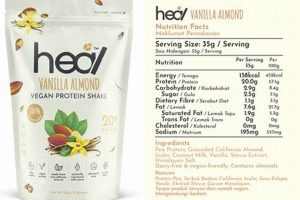
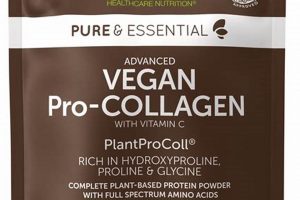
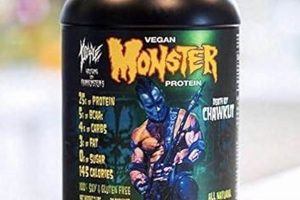
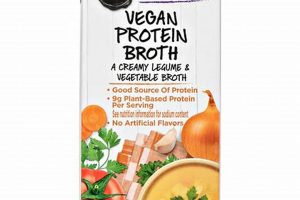
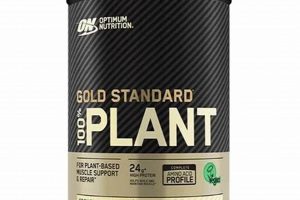
Plant-based protein beverages offer a convenient and efficient way to supplement dietary protein intake for individuals adhering to a vegan lifestyle. These drinks are formulated using protein sources derived exclusively from plants, such as soy, peas, rice, hemp, or combinations thereof. For example, a commercially available product might feature pea protein isolate, brown rice protein concentrate, and added vitamins and minerals to create a nutritionally complete and readily consumable source of protein.
The increasing popularity of plant-based diets has fueled the demand for effective and palatable vegan protein options. These beverages support muscle recovery after exercise, contribute to satiety, and assist in meeting daily protein requirements, particularly for those with active lifestyles or specific dietary needs. Historically, obtaining sufficient protein on a vegan diet was perceived as challenging; however, advances in food technology have made it easier to formulate protein-rich products from plant sources, offering a vital nutritional tool for vegans.
The following sections will delve into specific plant-based protein sources used in these beverages, examine their nutritional profiles and potential health benefits, and discuss considerations for choosing the optimal product based on individual needs and preferences.
Considerations for Plant-Based Protein Beverage Selection
Optimizing the selection of plant-based protein beverages requires careful evaluation of ingredients, nutritional content, and individual dietary needs. The following points offer guidance in making informed choices.
Tip 1: Evaluate Protein Source Diversity: Blends of multiple plant protein sources (e.g., pea, brown rice, hemp) can provide a more complete amino acid profile compared to single-source products. This is due to varying amino acid compositions across different plant proteins. Aim for beverages listing multiple protein isolates or concentrates.
Tip 2: Assess Protein Content Per Serving: Determine the desired protein intake per serving based on individual activity level and dietary requirements. Products typically range from 15 to 30 grams of protein per serving. Verify accuracy by scrutinizing the nutrition facts panel and comparing across brands.
Tip 3: Examine Added Sugar Content: Many commercially available beverages contain added sugars to enhance palatability. Opt for products with minimal added sugars or those using natural, low-glycemic sweeteners like stevia or monk fruit. High sugar intake negates some health benefits of the protein.
Tip 4: Review Ingredient List for Allergens and Additives: Individuals with allergies or sensitivities (e.g., soy, gluten, nuts) must carefully examine the ingredient list. Minimize intake of artificial colors, flavors, and preservatives by selecting products with simple, recognizable ingredients.
Tip 5: Consider Fortification with Vitamins and Minerals: Some plant-based protein beverages are fortified with essential vitamins and minerals that may be lacking in a vegan diet, such as vitamin B12, vitamin D, iron, and calcium. Assess individual needs and choose accordingly.
Tip 6: Evaluate Digestibility and Bioavailability: Factors like processing methods and ingredient combinations can influence protein digestibility. Opt for hydrolyzed or sprouted protein sources, which may be easier to digest. Experiment with different brands to determine individual tolerance.
Tip 7: Check for Third-Party Certifications: Look for certifications such as vegan, non-GMO, or organic to ensure the product meets specific standards regarding ingredient sourcing and manufacturing processes. These certifications provide an additional layer of quality assurance.
Prioritizing informed ingredient evaluation, protein content assessment, and consideration of potential allergens ensures optimal selection. These strategies enable consumers to maximize the benefits of plant-based protein beverages in achieving their nutritional goals.
The subsequent sections will address potential drawbacks or limitations and offer strategies for integration into a comprehensive dietary plan.
1. Protein source variety

Protein source variety is a critical determinant of the nutritional value of plant-based protein beverages. Given that individual plant proteins exhibit incomplete amino acid profiles, relying on a single source may result in deficiencies in essential amino acids. A blend of plant proteins, such as pea, brown rice, and hemp, mitigates this risk by combining complementary amino acid compositions. This combination strategy ensures that the beverage provides a more comprehensive range of essential amino acids, crucial for muscle protein synthesis and overall health. For example, a product containing solely pea protein might be relatively low in methionine, whereas brown rice protein can help to compensate for this deficiency.
The practical implication of understanding protein source variety extends to consumer decision-making. Individuals seeking to optimize their dietary protein intake through plant-based beverages should prioritize products that explicitly list multiple protein sources on the ingredient label. Furthermore, manufacturers often highlight the amino acid profile or PDCAAS (Protein Digestibility Corrected Amino Acid Score) of their blended protein products as a selling point, indicating a focus on nutritional completeness. Ignoring protein source diversity can inadvertently lead to inadequate intake of specific amino acids, potentially impacting muscle growth and overall well-being.
In summary, protein source variety is a fundamental aspect of evaluating vegan protein beverages. Ensuring a diverse array of plant proteins within a single product addresses the inherent limitations of individual plant-based sources, facilitating a more balanced and complete amino acid intake. This awareness empowers consumers to make informed choices, maximizing the nutritional benefits derived from plant-based protein supplementation and avoiding potential amino acid deficiencies associated with single-source options. The challenge lies in promoting wider consumer education regarding the importance of protein source diversity within the context of vegan nutrition.
2. Amino acid profile

The amino acid profile of protein beverages targeted toward vegan consumers is of paramount importance due to the variable composition of plant-based protein sources. Unlike animal-derived proteins, which generally contain complete and readily digestible amino acid profiles, individual plant proteins often exhibit limitations in one or more essential amino acids. This characteristic necessitates careful formulation and informed consumption to ensure adequate nutritional intake. For example, pea protein, a common ingredient, is relatively low in methionine, while rice protein may be limited in lysine. The consequence of relying solely on protein beverages with incomplete amino acid profiles can lead to suboptimal muscle protein synthesis and potential amino acid deficiencies, particularly in individuals with high protein demands.
Manufacturers of vegan protein drinks address these limitations through several strategies. One prevalent approach involves blending multiple plant protein sources to create a more complete amino acid profile. Products containing combinations of pea, rice, hemp, and soy proteins aim to compensate for the individual amino acid limitations of each source. Another strategy focuses on supplementing individual essential amino acids, such as lysine or methionine, directly into the beverage formulation. The practical significance of understanding amino acid profiles is evident in the informed purchasing decisions made by vegan athletes or individuals with specific dietary needs. These consumers typically scrutinize nutrition labels, comparing amino acid compositions across different product offerings to ensure their requirements are met.
In summary, the amino acid profile represents a critical determinant of the nutritional efficacy of vegan protein beverages. The variability in amino acid composition among plant-based protein sources necessitates careful consideration of product formulation and informed consumer choices. Addressing amino acid limitations through blending or supplementation strategies ensures that these beverages can effectively support muscle protein synthesis and overall health for individuals adhering to a vegan lifestyle. The challenge lies in effectively communicating the importance of amino acid profiles to a broader consumer base, enabling more informed and nutritionally sound dietary decisions.
3. Added sugar content

The presence and quantity of added sugars in plant-based protein beverages significantly impact their nutritional value and suitability for health-conscious consumers. While these drinks are often marketed as health supplements, the inclusion of excessive added sugars can negate some of their intended benefits. The following points outline key facets of this concern.
- Impact on Glycemic Response
The addition of sugars, such as sucrose, glucose, or high-fructose corn syrup, elevates the glycemic index of these beverages. This elicits a rapid rise in blood glucose levels, potentially counteracting the intended benefits of protein, such as sustained satiety and stable energy levels. Individuals with insulin resistance or diabetes must be particularly mindful of this effect.
- Influence on Caloric Density
Added sugars contribute empty calories, increasing the caloric density of the beverage without providing significant nutritional value. Frequent consumption of high-sugar protein drinks can contribute to weight gain and hinder efforts to maintain a healthy body composition. This is particularly relevant for individuals using these beverages as meal replacements or post-workout recovery drinks.
- Potential for Inflammatory Effects
High sugar intake is associated with increased systemic inflammation. This can counteract the anti-inflammatory properties of certain plant-based ingredients and potentially exacerbate inflammatory conditions. For individuals seeking protein beverages to support recovery and reduce inflammation, the presence of added sugars presents a significant drawback.
- Influence on Gut Microbiome
Excessive sugar consumption can negatively impact the composition and function of the gut microbiome. This can disrupt digestive health and potentially impair the absorption of nutrients, including protein. A balanced gut microbiome is essential for overall health, and high sugar intake can compromise this balance.
The inclusion of added sugars in plant-based protein beverages warrants careful scrutiny. While some level of sweetness may enhance palatability, consumers should prioritize products with minimal or no added sugars and consider alternative sweeteners, such as stevia or monk fruit, that do not elicit the same glycemic and metabolic effects. The overall goal is to select plant-based protein drinks that effectively supplement dietary protein intake without compromising broader health objectives.
4. Ingredient transparency
Ingredient transparency is a critical factor in the selection and consumption of plant-based protein beverages. The vegan designation necessitates the absence of animal-derived components; however, a lack of transparency regarding ingredient sourcing and processing can obscure the true nature of the product. Consumers must be able to readily identify all ingredients, their origins, and any potential allergens or additives. For example, terms like “natural flavors” or “vegetable oil” can mask the presence of non-vegan or undesirable substances, such as dairy derivatives or highly processed oils. The absence of clear, detailed labeling undermines consumer trust and hinders informed decision-making. Consequently, ingredient transparency functions as a cornerstone of ethical and health-conscious vegan consumption, directly impacting the perceived and actual value of plant-based protein drinks.
Furthermore, ingredient transparency facilitates a better understanding of the nutritional profile and potential health effects of these beverages. Complete ingredient lists allow consumers to assess the quality and quantity of protein sources, added sugars, artificial sweeteners, and other additives. This information enables individuals to make informed choices based on their specific dietary needs and preferences. For instance, consumers with soy allergies require clear labeling to avoid soy-based protein isolates. Similarly, individuals seeking to minimize added sugar intake benefit from transparent disclosure of sugar content and the types of sweeteners used. The practical application of this transparency manifests in increased consumer awareness and the ability to effectively manage their dietary intake through informed product selection. Reputable brands typically prioritize ingredient transparency, providing detailed information on their packaging and websites to foster consumer trust.
In summary, ingredient transparency serves as an essential safeguard for vegan consumers seeking plant-based protein beverages. It enables informed decision-making, promotes ethical sourcing practices, and facilitates a deeper understanding of nutritional content. The challenge lies in establishing standardized labeling regulations that mandate comprehensive disclosure of all ingredients and processing methods, ensuring that ingredient transparency becomes the industry norm, rather than an exception. Addressing this challenge would strengthen consumer trust and support the continued growth of the plant-based protein beverage market.
5. Vitamin fortification

Vitamin fortification of plant-based protein beverages is a strategic approach to address potential micronutrient deficiencies commonly associated with vegan diets. This process involves adding specific vitamins to these drinks, aiming to enhance their nutritional profile and provide a more comprehensive source of essential nutrients for consumers.
- Addressing Common Deficiencies
Vegan diets may lack sufficient amounts of certain vitamins, particularly vitamin B12, which is primarily found in animal products. Plant-based protein beverages are often fortified with vitamin B12 to provide a reliable source for individuals adhering to vegan lifestyles. Similarly, vitamin D fortification helps compensate for limited sun exposure and the scarcity of vitamin D in plant-based foods.
- Enhancing Nutritional Completeness
Beyond addressing deficiencies, vitamin fortification aims to enhance the overall nutritional completeness of these beverages. For example, the addition of iron can help meet the increased iron needs of women, while calcium fortification supports bone health. The strategic inclusion of vitamins aims to transform these drinks from simple protein sources into more comprehensive nutritional supplements.
- Bioavailability Considerations
The effectiveness of vitamin fortification depends on the bioavailability of the added nutrients. Factors such as the form of the vitamin (e.g., methylcobalamin vs. cyanocobalamin for vitamin B12) and the presence of other ingredients that may inhibit absorption must be considered. Manufacturers often select vitamin forms that exhibit higher bioavailability to maximize their nutritional impact.
- Regulatory Compliance and Labeling
Vitamin fortification is subject to regulatory guidelines that specify the permissible levels of added vitamins and require accurate labeling. Manufacturers must adhere to these regulations to ensure product safety and provide consumers with transparent information about the vitamin content of their beverages. Compliance with these standards is essential for maintaining consumer trust and confidence in the nutritional claims made by manufacturers.
Vitamin fortification plays a pivotal role in augmenting the nutritional value of plant-based protein beverages, addressing potential micronutrient gaps inherent in vegan diets. By strategically incorporating essential vitamins, these drinks can serve as a more reliable and comprehensive source of nutrients, supporting the health and well-being of vegan consumers.
6. Digestibility factors
Digestibility factors significantly influence the nutritional effectiveness of plant-based protein beverages. The composition of these drinks often includes plant-derived proteins that, due to inherent structural properties and the presence of antinutritional factors, may exhibit lower digestibility compared to animal-based proteins. Consequently, the degree to which the body can efficiently break down and absorb the protein from these beverages directly affects their ability to support muscle protein synthesis, satiety, and overall nutritional goals. For example, the presence of trypsin inhibitors in soy protein, if not properly processed, can impede protein digestion. Effective processing methods, such as heat treatment or enzymatic hydrolysis, are crucial to mitigate these inhibitory effects and enhance protein bioavailability.
The inclusion of specific ingredients and processing techniques further mediates the digestibility of vegan protein beverages. Some manufacturers employ methods such as fermentation or sprouting to improve protein digestibility by reducing the concentration of antinutritional factors and partially breaking down complex proteins. Additionally, the incorporation of digestive enzymes, such as proteases, can facilitate protein breakdown in the digestive tract, further enhancing absorption. Practical applications include the formulation of protein drinks with hydrolyzed proteins, which are pre-digested into smaller peptides, thereby bypassing some of the enzymatic requirements of digestion. Consumers with compromised digestive function or those seeking to maximize protein absorption may particularly benefit from products formulated with these considerations.
In summary, digestibility factors represent a critical determinant of the nutritional value of plant-based protein beverages. Addressing these factors through strategic processing techniques, careful ingredient selection, and the potential addition of digestive enzymes is essential for optimizing protein bioavailability and ensuring that these drinks effectively contribute to overall health and dietary goals. The challenge lies in promoting greater awareness of these digestibility considerations among consumers and encouraging manufacturers to prioritize formulations that enhance protein absorption and minimize the impact of antinutritional factors.
7. Certification verification

Certification verification serves as a crucial mechanism for ensuring the integrity and authenticity of plant-based protein beverages marketed to vegan consumers. Given the potential for misrepresentation and the complexity of ingredient sourcing, third-party certifications provide a layer of assurance that products meet specific standards.
- Vegan Certification
Vegan certification confirms the complete absence of animal-derived ingredients in the product formulation and manufacturing processes. Organizations such as Vegan Action and The Vegan Society offer recognized certifications, verifying that ingredients, processing aids, and final products align with established vegan criteria. This certification addresses the primary concern of vegan consumers, ensuring alignment with their dietary principles. For example, a protein drink bearing the Vegan Action logo has undergone rigorous scrutiny to confirm the absence of dairy, eggs, honey, or other animal-based components.
- Non-GMO Certification
Non-GMO certification indicates that the ingredients used in the protein drink are not genetically modified. Organizations like the Non-GMO Project verify that products meet specific criteria for avoiding genetically engineered organisms. This certification is particularly relevant to plant-based protein sources such as soy and corn, which are often genetically modified. Consumers concerned about the potential health and environmental impacts of GMOs often seek out Non-GMO Project Verified protein drinks.
- Organic Certification
Organic certification ensures that the protein drink is produced using organic farming practices, which prohibit the use of synthetic pesticides, herbicides, and fertilizers. The USDA Organic seal signifies compliance with federal organic standards. This certification is relevant to plant-based protein sources such as pea protein and brown rice protein. Consumers who prioritize environmental sustainability and reduced exposure to synthetic chemicals often seek out organic-certified protein drinks.
- Gluten-Free Certification
Gluten-free certification confirms that the protein drink contains less than a specified threshold of gluten, typically 20 parts per million. Organizations like the Gluten-Free Certification Organization (GFCO) provide recognized certifications. This certification is relevant for consumers with celiac disease or gluten sensitivity. Given that some plant-based protein drinks may contain gluten-containing ingredients or be processed in facilities that also handle gluten, gluten-free certification provides assurance for sensitive individuals.
Certification verification provides a valuable tool for vegan consumers seeking assurance about the composition and production methods of plant-based protein beverages. By recognizing and prioritizing products with reputable third-party certifications, consumers can make more informed and ethical purchasing decisions, aligning their dietary choices with their values and health needs.
Frequently Asked Questions About Plant-Based Protein Beverages
The following questions address common inquiries and concerns regarding plant-based protein beverages, providing clarity on their nutritional aspects and practical applications.
Question 1: Are plant-based protein beverages nutritionally complete?
Nutritional completeness varies depending on the specific formulation. Some beverages contain a complete amino acid profile, while others may be limited in certain essential amino acids. Blends of multiple plant protein sources typically offer a more comprehensive amino acid composition. Reading the nutrition label is essential to assess the specific amino acid profile and identify any potential deficiencies.
Question 2: How do plant-based protein beverages compare to whey protein in terms of muscle protein synthesis?
Whey protein is often considered a gold standard for muscle protein synthesis due to its rapid digestibility and high leucine content. However, plant-based protein sources, when consumed in sufficient quantities and appropriately combined, can stimulate comparable muscle protein synthesis. Supplementation with leucine or essential amino acids may further enhance the anabolic response.
Question 3: Do plant-based protein beverages cause digestive issues such as bloating or gas?
Some individuals may experience digestive discomfort when consuming plant-based protein beverages due to the presence of fibers or antinutritional factors. Choosing products with hydrolyzed proteins or digestive enzymes may improve digestibility. Starting with smaller servings and gradually increasing intake can also help mitigate digestive issues.
Question 4: Are plant-based protein beverages suitable for individuals with allergies?
Plant-based protein beverages may contain common allergens such as soy, nuts, or gluten. Individuals with allergies must carefully review the ingredient list to identify and avoid potential allergens. Products labeled “allergen-free” or “produced in a dedicated facility” offer an added layer of assurance.
Question 5: What is the optimal timing for consuming plant-based protein beverages?
The optimal timing depends on individual goals and preferences. Consuming a protein beverage post-workout can aid in muscle recovery. It can also be used as a meal replacement or supplement to increase daily protein intake. Spreading protein intake throughout the day is generally recommended for maximizing muscle protein synthesis.
Question 6: Can plant-based protein beverages contribute to weight gain?
While protein itself is not inherently fattening, excessive caloric intake from any source, including protein beverages, can contribute to weight gain. Choosing beverages with minimal added sugars and monitoring overall calorie intake is crucial for managing weight. Plant-based protein beverages can also support weight management by promoting satiety and helping to preserve lean muscle mass during calorie restriction.
Plant-based protein beverages offer a versatile and convenient means of supplementing protein intake for individuals following vegan or plant-based diets. Informed consumption, based on an understanding of their nutritional composition and potential effects, enables individuals to effectively integrate these beverages into a balanced dietary regimen.
The subsequent section will explore considerations for integrating plant-based protein beverages into a comprehensive dietary plan.
Protein Drinks Vegan
The preceding examination of protein drinks vegan underscores the multifaceted nature of these products. Considerations ranging from protein source diversity and amino acid profiles to added sugar content and certification verification significantly influence nutritional value. A nuanced understanding of these factors is essential for individuals seeking to integrate plant-based protein beverages effectively into their dietary regimens. Prudent selection, guided by informed assessment of ingredients and nutritional information, is paramount to optimizing benefits and mitigating potential drawbacks.
Continued research and development in the realm of plant-based protein sources hold promise for further enhancing the nutritional profile and digestibility of these beverages. As the demand for sustainable and ethical food options grows, a commitment to transparency, rigorous testing, and consumer education will be crucial in ensuring that protein drinks vegan serve as a valuable tool in supporting health and wellness objectives.