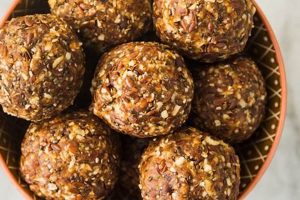
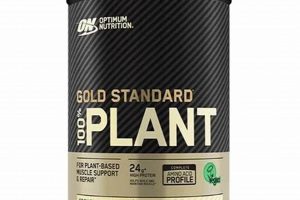
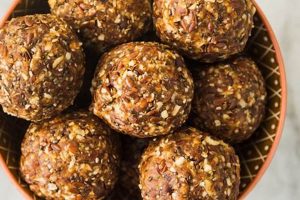
High-protein, plant-based nutrition that promotes tissue repair and growth is achievable through strategic dietary choices. These meals are formulated using ingredients derived exclusively from plant sources and are designed to provide a substantial quantity of amino acids, the building blocks of protein. Examples include lentil stews, tofu scrambles, and quinoa bowls incorporating seeds, nuts, and vegetables.
Sufficient protein intake is vital for supporting physical strength and muscular development, particularly during periods of resistance training. Historically, misconceptions surrounding the ability of vegan diets to support these needs have been prevalent. However, with careful planning and appropriate food selection, plant-based diets can effectively meet and even exceed the protein requirements for individuals engaged in strenuous physical activity, offering benefits such as reduced inflammation and improved cardiovascular health.
The following sections will delve into specific plant-based protein sources, meal planning strategies, and considerations for optimizing nutrient absorption to maximize muscle building potential.
Strategies for Plant-Based Muscle Development
The following guidelines are designed to optimize protein intake and support muscle growth through exclusively plant-based nutrition. These recommendations are based on scientific principles of nutrition and exercise physiology.
Tip 1: Prioritize Complete Protein Sources: Focus on foods containing all nine essential amino acids. Quinoa, soy products (tofu, tempeh, edamame), and chia seeds are considered complete protein sources.
Tip 2: Combine Incomplete Proteins: When relying on incomplete protein sources, strategically combine foods to ensure a full complement of amino acids. Examples include pairing legumes (beans, lentils) with grains (rice, oats) or nuts and seeds.
Tip 3: Increase Protein Intake: Individuals engaged in muscle building activities require a higher protein intake than sedentary individuals. Aim for a daily intake of 1.6-2.2 grams of protein per kilogram of body weight.
Tip 4: Distribute Protein Intake Evenly: Consume protein-rich meals and snacks throughout the day to maintain a consistent supply of amino acids for muscle protein synthesis. Aim for 20-40 grams of protein per meal.
Tip 5: Optimize Post-Workout Nutrition: Following resistance training, consume a source of protein and carbohydrates within a reasonable timeframe (e.g., 30-60 minutes). This aids in muscle recovery and growth.
Tip 6: Incorporate Protein-Rich Snacks: Between meals, consume snacks such as nuts, seeds, protein bars (with careful label review for ingredient quality), or edamame to supplement protein intake.
Tip 7: Consider Protein Supplementation: If meeting protein needs through whole foods is challenging, consider using plant-based protein powders (e.g., soy, pea, rice protein) to supplement the diet.
Consistent application of these strategies, combined with a well-structured resistance training program, facilitates muscle development on a plant-based diet.
The final section will provide sample meal plans and address common concerns regarding plant-based protein consumption.
1. Amino acid profiles

The amino acid composition of plant-based proteins is a primary determinant of their efficacy in promoting muscle protein synthesis. Unlike animal-derived proteins, which are typically considered “complete” due to containing adequate proportions of all nine essential amino acids, individual plant-based protein sources may be “incomplete,” meaning they are limiting in one or more essential amino acids. Lysine, methionine, and threonine are common limiting amino acids in plant-based diets. For example, grains are often low in lysine, while legumes can be lower in methionine. Inadequate intake of essential amino acids directly impedes the body’s ability to build and repair muscle tissue, thereby diminishing the potential for muscle hypertrophy, even with sufficient total protein consumption.
Achieving optimal amino acid profiles within plant-based meals necessitates strategic food combinations. Complementary protein pairing involves consuming different plant-based protein sources together to provide a more balanced amino acid profile. A classic example is the combination of beans and rice, where the lysine deficiency in rice is compensated by the lysine-rich beans, and the methionine deficiency in beans is complemented by the rice. Similarly, combining grains, legumes, nuts, and seeds throughout the day can ensure a complete amino acid intake. Understanding the amino acid profiles of various plant-based foods and applying this knowledge to meal planning is crucial for formulating effective vegan diets that support muscle growth.
In summary, careful attention to amino acid profiles is essential when designing high-protein, plant-based meals for muscle building. Strategic food combining addresses potential amino acid limitations in individual plant-based sources, ensuring the availability of all essential amino acids necessary for muscle protein synthesis. This approach, combined with sufficient total protein intake and resistance training, is critical for maximizing muscle development on a vegan diet. Addressing potential shortfalls through diverse food choices or targeted supplementation remains crucial for sustained progress.
2. Caloric surplus

Muscle hypertrophy requires a state of positive energy balance, commonly referred to as a caloric surplus. This means that the individual must consume more calories than they expend. In the context of high-protein, plant-based nutrition aimed at muscle building, a caloric surplus provides the necessary energy to support the energy-intensive processes of muscle protein synthesis and tissue repair. Without adequate energy intake, the body may catabolize existing muscle tissue for fuel, negating the benefits of a high-protein diet. For example, an athlete consuming sufficient protein from plant sources but failing to meet their overall caloric needs may find it challenging to gain muscle mass, irrespective of their training regimen. The presence of a caloric surplus, therefore, is foundational to achieving muscle growth, enabling the efficient utilization of dietary protein.
Achieving a caloric surplus on a vegan diet necessitates careful planning and food selection. Plant-based foods often have lower caloric densities compared to animal products, meaning a larger volume of food is required to meet energy demands. Incorporating calorie-dense, nutrient-rich foods such as nuts, seeds, avocados, and healthy oils is crucial. Strategies for increasing caloric intake include adding nut butter to smoothies, incorporating olive oil into salad dressings, and consuming larger portions of grains and legumes. Furthermore, tracking caloric intake through diet logging applications or working with a registered dietitian can help ensure that the caloric surplus is sufficient to support muscle growth while minimizing unwanted fat gain. The composition of the caloric surplus is also important, with an emphasis on complex carbohydrates for energy and healthy fats for hormonal support and nutrient absorption.
In summary, a caloric surplus is an indispensable component of high-protein, plant-based diets designed for muscle building. It provides the energy required for muscle protein synthesis and tissue repair, enabling the body to effectively utilize dietary protein for growth. Meeting caloric needs on a vegan diet may require strategic food choices and careful planning to ensure adequate energy intake from nutrient-dense sources. Failure to achieve a caloric surplus can hinder muscle growth and potentially lead to muscle catabolism. Therefore, prioritizing caloric intake alongside protein consumption is essential for maximizing muscle development potential on a plant-based diet.
3. Meal timing

Strategic distribution of plant-based protein intake throughout the day significantly influences muscle protein synthesis and overall muscle growth. Meal timing, therefore, becomes a critical component of a high-protein vegan approach to muscle building. Consuming protein at regular intervals, rather than concentrating intake in a single meal, maintains a consistent supply of amino acids in the bloodstream. This steady availability supports the ongoing process of muscle repair and growth. For instance, a vegan athlete consuming 80 grams of protein daily might experience better results by dividing it into four 20-gram servings compared to consuming the entire amount in a single post-workout meal. Optimal meal timing strategies enhance the efficiency with which the body utilizes plant-based proteins for muscle anabolism.
Post-exercise protein consumption represents a particularly crucial aspect of meal timing. Resistance training stimulates muscle protein breakdown and enhances muscle sensitivity to amino acids. Consuming a plant-based protein source within a reasonable timeframe (typically 30-60 minutes) after exercise maximizes muscle protein synthesis and accelerates recovery. This post-workout meal should ideally contain a combination of protein and carbohydrates to replenish glycogen stores and further stimulate muscle protein synthesis. A practical example would be a smoothie consisting of plant-based protein powder, fruit, and plant-based milk. Adherence to this principle optimizes the anabolic response to exercise and contributes to greater muscle growth over time.
In summary, meal timing is not merely a supplemental consideration, but an integral aspect of maximizing muscle growth on a high-protein vegan diet. Consistent protein distribution throughout the day, coupled with strategically timed post-workout nutrition, optimizes amino acid availability and enhances muscle protein synthesis. Challenges may include logistical difficulties in preparing and consuming frequent meals, but the benefits of optimized meal timing for muscle development outweigh these practical concerns. This approach, when integrated with appropriate training and overall dietary strategies, contributes significantly to achieving muscle-building goals on a plant-based regimen.
4. Protein Sources

The selection of appropriate protein sources is fundamental to the efficacy of high-protein vegan meals designed for muscle building. The type and quantity of protein ingested directly influence muscle protein synthesis, the physiological process by which muscle tissue is repaired and constructed. Without sufficient intake of plant-based foods rich in protein, it is challenging to achieve the necessary amino acid availability required for muscle hypertrophy. For instance, an individual relying solely on low-protein vegetables would likely be unable to meet the protein demands of a muscle-building program, regardless of overall caloric intake or training intensity.
Diverse plant-based protein sources, each with varying amino acid profiles, must be strategically incorporated to ensure the consumption of all essential amino acids. Legumes (lentils, beans, peas), soy products (tofu, tempeh, edamame), grains (quinoa, brown rice), nuts, and seeds each contribute significantly to overall protein intake. Combining these sources within meals compensates for individual amino acid deficiencies and provides a more complete amino acid profile. Practical examples include lentil stews with brown rice, tofu scrambles with whole-wheat toast, and quinoa bowls with mixed nuts and seeds. The deliberate inclusion of these foods, in appropriate quantities, directly impacts the potential for muscle growth and repair.
In conclusion, the strategic selection and combination of plant-based protein sources are indispensable for creating high-protein vegan meals that effectively support muscle building. A nuanced understanding of amino acid profiles, combined with consistent consumption of diverse protein-rich foods, is critical for achieving optimal results. Overreliance on single protein sources or inadequate protein intake can significantly hinder muscle development, highlighting the direct cause-and-effect relationship between protein sources and muscle hypertrophy within a vegan dietary framework.
5. Nutrient absorption

Effective nutrient absorption is a critical determinant of success in high-protein vegan diets designed for muscle building. Irrespective of the quantity or quality of protein consumed, insufficient absorption impedes amino acid uptake and subsequent muscle protein synthesis. Factors influencing nutrient absorption, such as gut health, digestive enzyme activity, and the presence of anti-nutritional factors in plant-based foods, necessitate careful consideration. For instance, phytic acid, present in grains and legumes, can bind to minerals and reduce their bioavailability. If dietary modifications are not implemented to mitigate this binding effect, even a meticulously planned high-protein vegan meal might yield suboptimal muscle-building results.
Strategies to enhance nutrient absorption in plant-based diets include soaking, sprouting, and fermenting grains and legumes. These processes reduce the levels of anti-nutritional factors and improve the digestibility of plant-based proteins. Combining plant-based protein sources with foods rich in vitamin C can enhance iron absorption, a particularly relevant consideration for individuals adhering to vegan diets. Furthermore, addressing any underlying digestive issues, such as inflammatory bowel disease or enzyme deficiencies, is crucial for optimizing nutrient absorption. Supplementation with digestive enzymes may be warranted in specific cases, under the guidance of a healthcare professional. Proper food preparation techniques and addressing individual digestive needs directly influence the bioavailability of amino acids and other essential nutrients, thereby impacting muscle growth potential.
In summary, nutrient absorption is an indispensable aspect of high-protein vegan meals for muscle building. Dietary strategies, such as soaking, sprouting, and food combining, combined with addressing individual digestive health concerns, contribute to enhanced bioavailability of amino acids and other nutrients. Neglecting this aspect, irrespective of the protein content of vegan meals, will inevitably limit muscle protein synthesis and hinder the achievement of muscle-building goals. Maximizing nutrient absorption is, therefore, a foundational principle for optimizing muscle development on a plant-based regimen, necessitating a comprehensive approach that considers both dietary composition and individual physiological factors.
6. Resistance training
Resistance training serves as the indispensable stimulus that initiates muscle protein synthesis, the process by which muscle fibers adapt and grow in response to stress. Without resistance training, the consumption of high-protein vegan meals alone is insufficient to elicit significant muscle hypertrophy. Resistance training creates micro-tears within muscle fibers, signaling the body to repair and rebuild the damaged tissue. This repair process requires amino acids derived from dietary protein. Therefore, resistance training acts as the catalyst, transforming dietary protein into muscle mass. A practical example illustrates this principle: an individual consuming a high-protein vegan diet but engaging in only minimal physical activity will likely experience minimal muscle growth compared to an individual following the same diet while consistently performing resistance exercises. The adaptive response of muscle tissue to mechanical stress is the foundational element that necessitates and justifies the strategic consumption of protein.
The specific type, intensity, and volume of resistance training directly influence the protein requirements and, consequently, the composition of high-protein vegan meals. Higher-intensity training regimens, characterized by heavier loads and lower repetitions, typically elicit a greater degree of muscle damage and necessitate a higher protein intake for optimal recovery and growth. Conversely, lower-intensity, higher-repetition training may require a slightly lower protein intake. Periodization, a training strategy involving systematic variations in training volume and intensity, further complicates protein needs, requiring adjustments to meal plans to align with the specific demands of each training phase. Furthermore, the timing of protein consumption in relation to resistance training sessions plays a critical role in maximizing muscle protein synthesis, emphasizing the importance of pre- and post-workout meals or snacks.
In summary, resistance training and high-protein vegan meals operate synergistically to promote muscle building. Resistance training provides the stimulus for muscle growth, while high-protein vegan meals provide the necessary building blocks. The effectiveness of this combination is contingent upon the precise programming of the resistance training regimen and the meticulous planning of dietary protein intake. Overcoming challenges such as accurately assessing protein needs based on training intensity and optimizing nutrient timing requires a deep understanding of exercise physiology and nutrition. Therefore, resistance training is not merely an adjunct but an integral and inseparable component of any high-protein vegan strategy aimed at achieving significant muscle hypertrophy and strength gains.
Frequently Asked Questions
This section addresses common inquiries and misconceptions regarding the formulation and implementation of high-protein vegan diets specifically designed to support muscle hypertrophy.
Question 1: Can a plant-based diet genuinely provide sufficient protein for muscle growth comparable to an omnivorous diet?
A well-planned plant-based diet, incorporating diverse protein sources like legumes, soy, grains, nuts, and seeds, can absolutely meet and exceed the protein requirements for muscle growth. Strategic food combining and adequate caloric intake are crucial. The onus is on meticulous dietary planning, rather than an inherent limitation of plant-based foods.
Question 2: Are plant-based proteins considered “incomplete,” and if so, how does this impact muscle protein synthesis?
Many individual plant-based protein sources are indeed “incomplete,” meaning they are low in one or more essential amino acids. However, consuming a variety of plant-based proteins throughout the day, a strategy known as complementary protein pairing, ensures the intake of all essential amino acids necessary for muscle protein synthesis.
Question 3: What are the most effective plant-based protein sources for maximizing muscle growth?
Effective plant-based sources include soy products (tofu, tempeh, edamame), lentils, beans, quinoa, and hemp seeds. The key lies not just in the quantity of protein but also in the amino acid profile and bioavailability of these sources. Incorporating a diverse range of these foods optimizes the anabolic response.
Question 4: How does one address the potential for nutrient deficiencies, specifically iron and vitamin B12, when following a high-protein vegan diet for muscle building?
Iron deficiency can be mitigated by consuming iron-rich plant foods like lentils and spinach alongside vitamin C-rich foods to enhance absorption. Vitamin B12 supplementation is typically necessary, as it is not reliably found in plant-based foods. Consult a healthcare professional for personalized recommendations.
Question 5: Is it necessary to consume protein supplements on a high-protein vegan diet to achieve optimal muscle growth?
While not strictly necessary, plant-based protein supplements (e.g., soy, pea, rice protein) can be a convenient way to increase protein intake, particularly for individuals with high protein demands or limited time for meal preparation. Supplements should complement, not replace, whole food sources.
Question 6: What are the key considerations regarding meal timing and nutrient partitioning when implementing high-protein vegan meals for muscle building?
Distributing protein intake evenly throughout the day, with a focus on consuming protein within a reasonable timeframe after resistance training, optimizes muscle protein synthesis. Carbohydrate intake should be strategically timed around workouts to replenish glycogen stores and further enhance the anabolic response.
In summary, achieving optimal muscle growth on a high-protein vegan diet requires a comprehensive understanding of protein sources, amino acid profiles, nutrient absorption, and strategic meal timing, coupled with a well-structured resistance training program.
The subsequent section will provide sample meal plans illustrating the practical application of these principles.
High-Protein Vegan Meals for Muscle Building
The preceding exploration illuminates the multifaceted approach required to leverage high-protein vegan meals for muscle building effectively. Success hinges on a precise understanding of amino acid profiles, strategic food combinations, optimized nutrient absorption, and the synergistic relationship with resistance training. The informed application of these principles transforms a seemingly restrictive dietary framework into a potent anabolic strategy.
The pursuit of muscle hypertrophy on a plant-based regimen necessitates a commitment to evidence-based practices and a rejection of unsubstantiated claims. The information presented serves as a foundation for informed decision-making. Further research and individual experimentation remain crucial for optimizing personalized nutritional strategies. The potential benefits of high-protein vegan meals for muscle building extend beyond mere physique enhancement, encompassing ethical considerations and potential health advantages, warranting continued investigation and application.