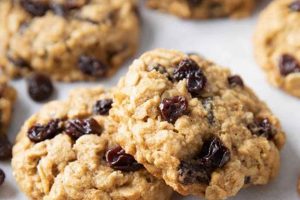
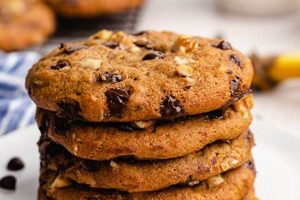
This specific type of edible treat represents a confluence of dietary considerations. It is characterized by the absence of animal-derived ingredients and gluten-containing grains. Such a product aims to cater to individuals with vegan lifestyles, gluten sensitivities or intolerances, and those seeking alternative baking options. The formulation typically involves substituting traditional ingredients like butter, eggs, and wheat flour with plant-based alternatives and gluten-free flours, respectively.
The significance of this product stems from its inclusivity and potential health benefits. It allows individuals with specific dietary restrictions to enjoy a traditionally indulgent treat without compromising their principles or well-being. Furthermore, its increasing popularity reflects a broader trend toward plant-based eating and awareness of gluten-related disorders. Historically, the development of suitable ingredient replacements has been a key driver in making such specialized desserts widely accessible.
The following sections will explore ingredient alternatives commonly employed, examine the challenges and solutions involved in replicating the texture and flavor of conventional recipes, and consider the nutritional profile and potential health implications of this increasingly popular food item.
Tips for Working with Vegan Gluten-Free Cookie Dough
Achieving optimal results when preparing this specific dessert requires careful attention to ingredient selection and baking techniques. The following tips are designed to guide bakers in producing a palatable and texturally satisfying final product.
Tip 1: Selecting Gluten-Free Flour Blends: Different gluten-free flour blends possess varying starch and protein compositions. Opt for a blend specifically formulated for baking, containing a mix of flours such as rice flour, tapioca starch, and potato starch. This promotes a more cohesive and less grainy texture.
Tip 2: Employing Binding Agents: The absence of gluten necessitates the use of binding agents to hold the dough together. Common options include flaxseed meal mixed with water (flax egg), chia seeds, or psyllium husk. These ingredients create a gel-like consistency that mimics the binding properties of gluten.
Tip 3: Utilizing Plant-Based Butter Alternatives: Select a high-quality vegan butter alternative, ensuring it contains a sufficient fat content. The fat contributes to the dough’s richness and prevents excessive dryness. Refrigerate the butter alternative before use to maintain a cool dough temperature.
Tip 4: Adjusting Liquid Content: Gluten-free flours often absorb liquid differently than wheat flour. Monitor the dough’s consistency and adjust the liquid content (e.g., plant-based milk) as needed. The dough should be moist but not overly sticky.
Tip 5: Chilling the Dough: Chilling the prepared dough for at least 30 minutes prior to baking is crucial. This allows the ingredients to fully hydrate and prevents excessive spreading during baking, resulting in a more structured cookie.
Tip 6: Baking at a Lower Temperature: Consider baking at a slightly lower temperature (e.g., 325F or 160C) to promote even cooking and prevent the cookies from becoming overly browned or crispy around the edges.
Tip 7: Monitoring Baking Time: Due to variations in ovens and ingredient combinations, carefully monitor the baking time. The cookies are done when the edges are lightly golden brown and the centers appear set but slightly soft. They will continue to firm up as they cool.
By adhering to these recommendations, bakers can enhance the likelihood of achieving a desirable outcome, producing a delicious and texturally pleasing dessert that caters to both vegan and gluten-free dietary requirements.
The subsequent sections will address potential challenges faced during the preparation of this specific dessert and provide detailed solutions for overcoming them.
1. Ingredient Substitutions

The creation of a product without animal-derived ingredients and gluten necessitates a strategic approach to ingredient substitutions. The success of such an endeavor hinges on the ability to replicate the functionality and sensory attributes of traditional ingredients using plant-based and gluten-free alternatives.
- Flour Replacement
Wheat flour, the standard in conventional baking, is typically replaced with a blend of gluten-free flours such as rice flour, tapioca starch, and almond flour. The specific ratio of these flours is crucial, impacting the final product’s texture and structure. An insufficient or improper blend can result in a crumbly or overly dense cookie.
- Fat Substitution
Butter, a key contributor to flavor and texture, is commonly replaced with plant-based butter alternatives or oils such as coconut oil or olive oil. These substitutes must be carefully selected to ensure a similar fat content and melting point, affecting the spread and tenderness of the resulting cookie. The fat content is vital to prevent excessive dryness.
- Egg Replacement
Eggs act as a binder and emulsifier in traditional recipes. Common vegan alternatives include flaxseed meal mixed with water (a “flax egg”) or applesauce. These substitutes provide moisture and binding properties, but they may also impact the cookie’s overall structure and chewiness. An inaccurate substitution may lead to a brittle or excessively soft cookie.
- Sweetener Adjustments
While traditional sweeteners like granulated sugar can often be used, some recipes may require adjustments to liquid sweeteners like maple syrup or agave nectar. These substitutions can alter the moisture content and baking time, potentially impacting the overall texture and browning of the cookie.
The careful consideration of these ingredient substitutions is fundamental to achieving a palatable and structurally sound product. The selection process involves balancing the functional properties of each substitute to ensure that the final result mimics the desired characteristics of a conventional cookie while adhering to both vegan and gluten-free dietary restrictions.
2. Texture Optimization

Achieving a desirable texture in baked goods, particularly in vegan and gluten-free formulations, presents a significant challenge. The absence of gluten and animal-derived products necessitates careful manipulation of alternative ingredients to mimic the mouthfeel and structural integrity of conventional products. Successful texture optimization is crucial for consumer acceptance and overall product quality.
- Starch Selection and Modification
Starches play a pivotal role in determining the texture of baked goods. Different starches, such as tapioca, potato, and cornstarch, possess varying gelatinization temperatures and water-binding capacities. Modification techniques, including pre-gelatinization or enzymatic treatment, can further alter starch functionality, impacting the dough’s viscosity and the final product’s crumb structure. The specific starch blend directly influences the chewiness, tenderness, and overall cohesiveness of the cookie.
- Hydrocolloid Incorporation
Hydrocolloids, such as xanthan gum, guar gum, and cellulose gum, are commonly employed to compensate for the lack of gluten’s structural network. These ingredients increase viscosity and improve water retention, preventing excessive dryness and promoting a more cohesive dough. The appropriate concentration of hydrocolloids is critical; excessive use can result in a gummy or rubbery texture, while insufficient amounts may lead to a crumbly and fragile cookie.
- Fat Content and Type
The type and quantity of fat significantly influence the texture. Solid fats, such as coconut oil or vegan butter alternatives, contribute to a more tender and crumbly texture by interfering with gluten network formation (in conventional recipes) and providing lubrication. Liquid oils, on the other hand, tend to result in a chewier texture. The optimal fat content is crucial for achieving a balance between tenderness and structural integrity, preventing excessive spreading during baking and maintaining a desirable mouthfeel.
- Moisture Management
Maintaining adequate moisture levels is paramount for preventing dryness and promoting a soft, pliable texture. Humectants, such as glycerin or sorbitol, can be incorporated to retain moisture and prevent staling. However, the water activity of the cookie must be carefully controlled to inhibit microbial growth and ensure product safety. Balancing moisture content is vital for extending shelf life and maintaining the desired texture over time.
The interplay between these facets of texture optimization dictates the overall sensory experience of the product. Mastery of these techniques allows for the creation of vegan and gluten-free treats that rival the texture of their conventional counterparts, broadening their appeal and satisfying a wider range of consumer preferences.
3. Flavor Balancing

Flavor balancing within vegan gluten-free cookie dough is a critical element dictating the final product’s palatability and consumer acceptance. The absence of traditional ingredients, such as butter (providing richness and a particular fatty note) and wheat flour (contributing a subtle, nutty characteristic), necessitates strategic flavor adjustments to compensate for these losses. Furthermore, the inclusion of alternative flours like almond flour or coconut flour introduces their own distinct flavor profiles, which must be carefully managed to avoid overpowering the intended cookie flavor. Incorrect flavor balance results in a product that is either bland, has an undesirable aftertaste, or possesses an overwhelming single-note flavor, all leading to a less enjoyable sensory experience.
The implementation of flavor enhancers, such as vanilla extract, ground spices (cinnamon, nutmeg), or citrus zest, serves as a common method for achieving flavor equilibrium. For instance, adding a pinch of sea salt can amplify the sweetness and mitigate any perceived bitterness from certain gluten-free flours. The use of high-quality plant-based butter alternatives can restore some of the missing richness, while carefully selected extracts can contribute depth and complexity. Furthermore, ingredient pairing plays a significant role; the combination of dark chocolate and almond flour, for example, can create a complementary flavor profile that masks the inherent taste of the almond flour. Real-world examples include recipes that utilize a blend of maple syrup and molasses to mimic the depth of flavor found in traditional brown sugar cookies or those that incorporate roasted nuts to add both texture and a complementary flavor element.
Achieving optimal flavor balancing in this context presents ongoing challenges due to the variability in ingredient quality and individual taste preferences. However, a thorough understanding of the flavor profiles of alternative ingredients, coupled with careful experimentation and adjustment, is essential for creating a satisfying and appealing product. In summary, flavor balancing is not merely a superficial aspect but a fundamental pillar in crafting a vegan gluten-free cookie dough that successfully replicates the sensory pleasure of its conventional counterpart. Its omission or misapplication can drastically reduce the products overall quality and marketability.
4. Dietary Suitability

Dietary suitability is a paramount characteristic of vegan gluten-free cookie dough. The very existence of this food item hinges upon its capacity to meet specific dietary needs and restrictions. The absence of animal products renders it suitable for individuals adhering to a vegan lifestyle. Concurrently, the exclusion of gluten-containing ingredients ensures its compatibility with individuals diagnosed with celiac disease, non-celiac gluten sensitivity, or wheat allergies. The connection between these dietary restrictions and the food product is causal; the product exists to fulfill a demand arising from these dietary constraints.
The importance of dietary suitability extends beyond merely accommodating restrictions. It directly influences product accessibility and market reach. Veganism and gluten intolerance are increasingly prevalent, creating a significant consumer base actively seeking suitable food options. For example, grocery stores now dedicate entire sections to gluten-free and vegan products, demonstrating the growing demand. Furthermore, accurate labeling and clear communication regarding ingredient composition are essential to maintain consumer trust and prevent adverse reactions. A mislabeled product containing undeclared allergens, such as trace amounts of gluten, can have serious health consequences for sensitive individuals. Dietary suitability, therefore, transcends a simple product feature; it is a fundamental responsibility.
In conclusion, dietary suitability is inextricably linked to vegan gluten-free cookie dough. Its importance stems from its ability to meet the needs of specific consumer groups, its influence on market viability, and its ethical implications related to consumer safety and transparency. Challenges remain in ensuring consistent ingredient sourcing and accurate labeling practices, but a continued focus on dietary suitability is crucial for the sustained success and responsible production of this increasingly popular food item.
5. Baking Parameters
Baking parameters exert a profound influence on the final quality and characteristics of vegan gluten-free cookie dough. Unlike conventional cookie dough reliant on gluten’s structural properties and animal-derived fats for texture, this specific formulation necessitates a precise calibration of baking time, temperature, and method to compensate for the absence of these key components. The interplay between these parameters directly affects the cookie’s spread, rise, browning, and overall texture. Insufficient baking time may result in a doughy, undercooked center, while excessive baking can lead to a dry, crumbly product. The baking temperature must be carefully controlled to prevent excessive spreading, particularly in the absence of gluten’s binding properties. The choice of baking sheet material and the presence of parchment paper also impact heat distribution and the final cookie texture. For example, a darker baking sheet absorbs more heat, potentially leading to over-browning on the bottom of the cookie. The cause-and-effect relationship is clear: each adjustment to a baking parameter directly impacts the final outcome of the vegan gluten-free cookie.
Further considerations involve the specific ingredients employed within the dough. Different gluten-free flour blends, plant-based butter alternatives, and egg replacers exhibit varying heat tolerances and reactions during the baking process. A recipe utilizing a high proportion of almond flour may require a lower baking temperature to prevent excessive browning, while a recipe incorporating a flax egg might necessitate a longer baking time to ensure proper setting. Accurate oven calibration is also crucial; variations in oven temperature can significantly impact the results, even when all other parameters are meticulously controlled. Recipes often provide guidelines, such as “bake until edges are golden brown,” but visual cues should be interpreted with caution, as color development can vary depending on the type of sweetener used. Practical application of this understanding requires careful observation during the baking process and iterative adjustments to the baking parameters based on the specific dough composition and oven characteristics.
In summary, baking parameters are integral to the successful preparation of vegan gluten-free cookie dough. The complex interplay between time, temperature, method, and ingredient composition necessitates a thorough understanding of their individual and collective effects. While recipe guidelines provide a starting point, the baker must be prepared to adapt and refine the baking parameters based on visual cues and the specific characteristics of the dough. Challenges remain in achieving consistent results due to variations in ingredient quality and oven performance, but careful attention to detail and a willingness to experiment are essential for mastering the art of baking this specialized dessert.
6. Shelf Stability

Shelf stability, in the context of vegan gluten-free cookie dough, refers to the product’s ability to maintain its desired sensory and physicochemical properties over a defined period under specified storage conditions. The connection is crucial because it directly affects product viability, consumer safety, and economic considerations. The absence of gluten and animal-derived ingredients alters the intrinsic factors that contribute to shelf life in conventional cookie doughs, creating distinct challenges. For example, the replacement of butter with plant-based oils can influence rancidity rates, while the use of gluten-free flours may impact water activity and microbial growth. The importance lies in preventing spoilage, maintaining texture and flavor, and ensuring that the product remains safe for consumption throughout its intended shelf life. Without adequate shelf stability, the product’s distribution, storage, and consumer appeal are severely limited. A real-life example would be a vegan gluten-free cookie dough product that, due to improper formulation or packaging, develops off-flavors or becomes moldy within a week, rendering it unsalable and potentially harmful.
Further analysis reveals that water activity (Aw) is a critical factor governing shelf stability. Vegan gluten-free formulations often contain higher levels of moisture due to the humectant properties of some gluten-free flours and egg replacers. Elevated Aw promotes microbial growth, particularly mold and yeast, which leads to spoilage. Controlling Aw through ingredient selection, formulation adjustments, and proper packaging is essential. Practical applications include incorporating ingredients with low Aw, such as certain types of starches, and utilizing moisture-barrier packaging materials. Additionally, the inclusion of preservatives, both natural and synthetic, can inhibit microbial growth and extend shelf life. However, the use of preservatives must be carefully balanced against consumer preferences for clean-label products. Research and development efforts are frequently focused on identifying natural preservatives, such as plant extracts or fermented ingredients, that can effectively inhibit microbial growth without compromising the product’s “vegan” and “gluten-free” claims. Furthermore, modified atmosphere packaging (MAP), which alters the gas composition within the package, can be employed to reduce oxidation and microbial activity.
In conclusion, shelf stability is an indispensable component of vegan gluten-free cookie dough. Its achievement requires a multi-faceted approach that addresses ingredient selection, formulation, processing, and packaging. The challenges associated with maintaining shelf stability in these specialized formulations are significant, but overcoming them is crucial for ensuring product safety, consumer satisfaction, and economic viability. Continuous research and development, along with stringent quality control measures, are necessary to ensure that these products meet the expectations of consumers and regulatory requirements. The broader theme of food preservation and safety is inextricably linked to shelf stability, underscoring its importance in the production of vegan gluten-free cookie dough.
Frequently Asked Questions about Vegan Gluten-Free Cookie Dough
This section addresses common inquiries regarding the composition, preparation, and characteristics of a specific dessert designed for individuals with dietary restrictions.
Question 1: Is it inherently healthier than conventional cookie dough?
The nutritional profile varies depending on the specific ingredients used. While it eliminates animal products and gluten, the levels of sugar, fat, and calories can be comparable to conventional cookie dough. A detailed review of the ingredient list and nutritional information is recommended.
Question 2: What are the primary challenges in replicating the texture of traditional cookie dough?
The absence of gluten, a protein that provides structure and elasticity, presents a significant challenge. Gluten-free flours often lack the binding properties of wheat flour, resulting in a crumbly or dry texture. This necessitates the use of binding agents and careful adjustments to liquid content.
Question 3: How does the baking process differ from that of conventional cookies?
Baking temperatures and times may require adjustments due to the altered composition. Gluten-free flours and egg replacements can affect browning and cooking rates. Monitoring the cookies closely and making adjustments as needed is advised.
Question 4: Can this dough be frozen for later use?
Yes, it can typically be frozen. However, it is advisable to wrap the dough tightly to prevent freezer burn. Thawing in the refrigerator before baking is recommended to ensure even cooking.
Question 5: What are common ingredient substitutions used in this formulation?
Wheat flour is typically replaced with a blend of gluten-free flours, such as rice flour, tapioca starch, and almond flour. Butter is often substituted with plant-based butter alternatives or coconut oil. Eggs are commonly replaced with flaxseed meal mixed with water or applesauce.
Question 6: Does it have a different taste compared to regular cookie dough?
The flavor profile can differ depending on the specific ingredients used. Gluten-free flours and plant-based alternatives may impart unique flavors. The addition of extracts, spices, and other flavorings can help to enhance the overall taste and compensate for any perceived differences.
In conclusion, while this particular treat is formulated to accommodate specific dietary restrictions, understanding its unique characteristics and baking requirements is essential for achieving optimal results.
The following section will explore potential variations and creative adaptations of this versatile dessert.
Conclusion
The preceding analysis has explored various facets of vegan gluten free cookie dough, ranging from ingredient substitutions and texture optimization to dietary suitability and shelf stability. Each of these elements plays a critical role in the successful formulation and production of this specialized food product, impacting its sensory characteristics, nutritional profile, and consumer appeal.
The information presented serves as a comprehensive resource for bakers, food scientists, and individuals seeking a deeper understanding of the challenges and opportunities associated with creating vegan gluten free cookie dough. Further research and innovation are necessary to overcome existing limitations and fully realize the potential of this increasingly prevalent dessert option. Continued refinement of ingredient combinations and processing techniques will contribute to improved product quality and expanded availability for consumers with specific dietary needs.