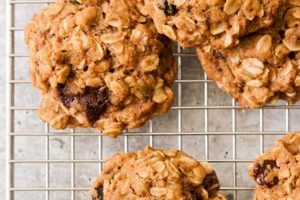
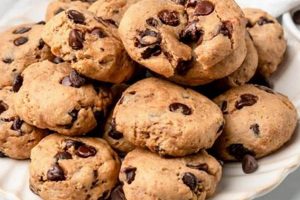
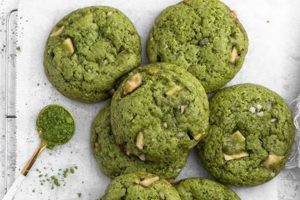
A plant-based alternative to traditional cookie dough, this product replaces common animal-derived ingredients, such as butter and eggs, with plant-based substitutes. For example, vegan butter alternatives derived from oils like coconut or shea, and binding agents like applesauce or flaxseed meal, are utilized to achieve a similar texture and consistency to conventional recipes.
This type of dough offers several advantages, catering to individuals adhering to vegan dietary restrictions or those seeking to reduce their consumption of animal products. It also addresses concerns related to allergies or intolerances to dairy or eggs. Furthermore, its production can contribute to a smaller environmental footprint compared to traditional cookie dough manufacturing.
This article will explore the composition, preparation, shelf-life considerations, and baking techniques specific to plant-based cookie doughs. It will also examine popular variations, common challenges in formulation, and methods for achieving optimal flavor and texture.
Tips for Working with Plant-Based Cookie Dough
Achieving optimal results with this product requires attention to specific details during preparation and baking. The following tips will help ensure successful outcomes.
Tip 1: Ingredient Temperature. Maintain consistent ingredient temperatures. Cold vegan butter alternatives, for instance, require sufficient softening to cream properly with sugar, mimicking the process with dairy butter.
Tip 2: Binding Agents. Incorporate binding agents appropriately. Overuse of ingredients like applesauce can lead to a gummy texture, while insufficient binding may result in crumbly dough.
Tip 3: Chilling the Dough. Chill the dough for an adequate duration. A minimum of 30 minutes allows the plant-based fats to solidify, preventing excessive spreading during baking.
Tip 4: Oven Temperature Calibration. Verify oven temperature accuracy. Variations in oven calibration can significantly impact baking time and overall cookie texture. An oven thermometer is recommended.
Tip 5: Baking Time Adjustment. Reduce baking time slightly compared to traditional recipes. Plant-based doughs can sometimes brown more quickly due to the sugar content in some vegan butter alternatives. Monitor closely during the final minutes of baking.
Tip 6: Cooling Process. Allow cookies to cool completely on the baking sheet before transferring them to a wire rack. Plant-based cookies tend to be more delicate when warm and require gentle handling.
Tip 7: Storage. Store baked cookies in an airtight container to maintain freshness and prevent drying out. The absence of certain preservatives common in commercially produced dough necessitates careful storage.
By carefully considering these factors, bakers can successfully navigate the nuances of plant-based cookie dough and create delicious, high-quality treats.
The subsequent sections of this article will delve into specific recipes and troubleshoot common issues encountered when working with plant-based cookie dough.
1. Ingredients

The selection and precise measurement of ingredients are paramount in achieving a desirable outcome with plant-based sugar cookie dough. The absence of traditional animal-derived components necessitates strategic substitutions to replicate the textural and flavor characteristics of conventional formulations.
- Plant-Based Butter Alternatives
These fats, typically derived from coconut, shea, or blends of plant oils, replace dairy butter. Their fat content and melting points significantly influence the spread and texture of the baked cookie. For example, formulations with a high coconut oil content may result in a crispier, more brittle cookie due to the rapid melting of the fat during baking.
- Sugar Type and Ratio
The type and quantity of sugar, whether granulated, powdered, or brown, directly impact sweetness, moisture retention, and browning. Brown sugar, for instance, contributes a molasses flavor and enhances the cookie’s chewiness, while powdered sugar yields a more tender crumb. Achieving the correct sugar-to-fat ratio is critical for preventing excessive spreading.
- Binding Agents
Ingredients like applesauce, flaxseed meal mixed with water (flax egg), or commercially available egg replacers serve as binders in place of eggs. These components contribute moisture and structure to the dough. The amount and type of binding agent used influence the final texture; an overabundance can lead to a gummy consistency, while insufficient binding may result in a dry, crumbly cookie.
- Flour Type
The choice of flour, whether all-purpose, pastry, or a gluten-free blend, affects the cookie’s structure and texture. All-purpose flour provides a balance of gluten development, while pastry flour results in a more tender cookie due to its lower protein content. Gluten-free blends require careful consideration to ensure adequate binding and avoid a gritty texture. The hydration properties of different flours also need adjustment.
The interplay between these ingredients dictates the overall quality of the vegan sugar cookie. Understanding their individual roles and adjusting their proportions based on desired characteristics is crucial for achieving consistent and satisfactory results. Experimentation with ingredient ratios and types may be necessary to achieve the perfect cookie.
2. Texture
Texture is a defining characteristic of any cookie, including plant-based variations. Achieving a desirable texture in vegan sugar cookies requires careful attention to ingredient selection and baking techniques, as the absence of animal products necessitates adjustments to traditional methods.
- Impact of Fat Source on Texture
The type of plant-based fat used significantly impacts the cookie’s texture. Coconut oil, for instance, tends to produce crispier cookies due to its high saturated fat content and low melting point. Shea butter, on the other hand, contributes a softer, more chewy texture. Blends of plant-based fats can be used to achieve intermediate textures. The fat’s ability to create air pockets during creaming is also a crucial factor.
- Influence of Binding Agents on Crumb Structure
Binding agents like applesauce, flaxseed meal, or commercial egg replacers influence the internal structure, or crumb, of the cookie. Excessive use of these agents can result in a dense, gummy texture, while insufficient binding leads to a crumbly cookie that lacks cohesion. The proportion of binding agent must be carefully balanced with other ingredients.
- Role of Flour in Gluten Development
The gluten content of the flour plays a vital role in texture. All-purpose flour provides a moderate amount of gluten, resulting in a balanced texture. Pastry flour, with its lower protein content, yields a more tender, delicate cookie. Gluten-free flour blends require careful selection to avoid a grainy or dry texture. Overmixing can develop gluten excessively, leading to a tough cookie.
- Baking Time and Temperature’s Effect on Firmness
The baking time and temperature determine the cookie’s final firmness and chewiness. Underbaking results in a soft, doughy texture, while overbaking produces a hard, brittle cookie. Accurate oven calibration and careful monitoring of the baking process are essential for achieving the desired texture. Cookies continue to firm as they cool, so consideration must be given to the carry-over baking process.
Mastering the interplay of these textural factors is key to producing high-quality plant-based sugar cookies. Understanding how each ingredient and process contributes to the overall sensory experience allows for precise control over the cookie’s final texture, enabling bakers to create a variety of desirable outcomes.
3. Sweetness

Sweetness is a primary attribute of sugar cookies, influencing their overall palatability and consumer acceptance. In the context of plant-based sugar cookie dough, achieving the desired level and quality of sweetness requires careful consideration due to the altered ingredient profile compared to traditional recipes.
- Sugar Type and Impact on Sweetness Profile
The selection of sugar, whether granulated, cane, beet, or alternative sweeteners, significantly alters the cookie’s sweetness profile. Granulated sugar provides a clean, straightforward sweetness, while brown sugar imparts a more complex flavor profile with notes of molasses. Alternative sweeteners, such as agave or maple syrup, introduce distinct flavors that can complement or detract from the intended cookie flavor. The perceived sweetness is also influenced by the Maillard reaction during baking.
- Sugar Concentration and Its Influence on Dough Properties
The quantity of sugar used not only determines the cookie’s overall sweetness but also affects dough properties such as spread and moisture retention. High sugar concentrations can lead to excessive spreading during baking, resulting in thin, crispy cookies. Conversely, insufficient sugar may result in a dry, crumbly texture. Sugar also contributes to the dough’s ability to bind ingredients together.
- The Role of Sweetness Enhancers and Flavor Maskers
Plant-based sugar cookie dough formulations may incorporate sweetness enhancers or flavor maskers to optimize the sensory experience. Sweetness enhancers, such as certain natural extracts, can amplify the perceived sweetness without increasing the overall sugar content. Flavor maskers are used to mitigate any undesirable off-flavors that may arise from plant-based butter alternatives or binding agents. These additives require careful titration to avoid creating an artificial or unbalanced flavor profile.
- Balancing Sweetness with Other Flavor Components
Achieving a harmonious flavor profile in plant-based sugar cookies requires balancing sweetness with other flavor components, such as vanilla extract, almond extract, or citrus zest. These flavorings can complement the sweetness and add depth and complexity to the overall taste. The ratio of sweetness to other flavors must be carefully considered to avoid overpowering or underwhelming the palate.
The nuances of sweetness in plant-based sugar cookie dough extend beyond mere sugar content. The interplay between sugar type, concentration, flavor enhancers, and other flavor components is critical in crafting a satisfying and well-balanced cookie. The successful manipulation of these factors ultimately dictates the perceived quality and enjoyment of the final product.
4. Spread
Spread, referring to the degree to which cookie dough flattens during baking, is a critical characteristic influencing the texture and aesthetic appeal of plant-based sugar cookies. The absence of traditional binding agents like eggs and the altered fat composition in plant-based alternatives necessitates careful control over factors affecting dough spread.
- Fat Composition and Melting Point
The type of plant-based fat significantly impacts spread. Fats with lower melting points, such as coconut oil, tend to result in greater spread compared to those with higher melting points, like refined shea butter. The solid fat content at room temperature also influences the dough’s ability to retain its shape prior to baking. Excessive spread can lead to thin, brittle cookies, while insufficient spread results in dense, underbaked cookies. The correct ratio of saturated to unsaturated fats is crucial for controlling the consistency of the bake.
- Sugar-to-Fat Ratio
An imbalance in the sugar-to-fat ratio can dramatically affect spread. Excess sugar, particularly in the form of granulated sugar, draws moisture from the dough and promotes spreading during baking. Conversely, insufficient sugar can lead to a drier dough that resists spreading. The use of powdered sugar, with its added cornstarch, can help to mitigate excessive spread by absorbing excess moisture. Precise measurement and careful consideration of sugar type are essential for managing spread.
- Hydration Levels and Binding Agents
The amount of liquid in the dough, contributed by binding agents like applesauce or flaxseed meal, influences spread. Overhydration weakens the dough’s structure and increases spread, while underhydration results in a dry, crumbly dough that resists spreading. The careful calibration of liquid ingredients and the strategic use of binding agents, such as tapioca starch or cornstarch, can help to control spread by absorbing excess moisture and providing structural integrity. The specific choice of binding agent impacts the overall moisture content and subsequently alters the bake outcome.
- Dough Temperature and Chilling Time
Dough temperature directly influences spread. Warmer dough spreads more readily than chilled dough. Chilling the dough allows the plant-based fats to solidify, inhibiting excessive spread during baking. Adequate chilling time, typically ranging from 30 minutes to several hours, is critical for managing spread and achieving a desired cookie shape. The chilling process allows for a more controlled bake, preventing rapid and uncontrolled spreading when the cookie sheet first hits the oven.
In summary, managing spread in plant-based sugar cookie dough necessitates a comprehensive understanding of ingredient interactions and environmental factors. By carefully controlling fat composition, sugar-to-fat ratios, hydration levels, and dough temperature, bakers can achieve consistent and desirable results, producing plant-based sugar cookies with optimal texture and appearance. A keen awareness of these factors is paramount for consistent high-quality outcomes, especially in commercial scale baking or sensitive flavor profile cookies.
5. Baking Time

The relationship between baking time and plant-based sugar cookie dough is critical for achieving the desired texture, color, and structural integrity. Due to the absence of animal products and the unique properties of plant-based alternatives, standard baking times for traditional sugar cookies may not be directly applicable. Inadequate baking time can result in a doughy, undercooked center, while excessive baking can lead to a dry, brittle cookie. Real-life examples demonstrate that variances in oven calibration, humidity, and ingredient temperature all affect the ideal baking time.
Factors influencing baking time include the specific plant-based butter alternative used, the ratio of wet to dry ingredients, and the thickness of the cookie dough. Plant-based fats with lower melting points may cause the cookies to spread more quickly, necessitating a shorter baking time to prevent over-browning. Moreover, the inclusion of binding agents like applesauce or flaxseed meal can affect moisture retention, potentially requiring adjustments to the baking duration. A thin sugar cookie may only require a 8 minute bake time. These practical considerations emphasize the need for careful monitoring and iterative adjustments to recipe parameters.
In conclusion, precise management of baking time is essential for producing high-quality plant-based sugar cookies. The optimal baking time is not a fixed value but rather a variable dependent on a multitude of factors. Success requires meticulous observation of the dough during baking, a calibrated oven, and a willingness to adapt based on visual cues and prior experience. Mastery of this aspect ensures the consistent delivery of plant-based sugar cookies with ideal texture and flavor.
6. Flavor

Flavor, as a critical attribute of any food product, is paramount in plant-based sugar cookie dough. The absence of traditional dairy butter and eggs necessitates careful consideration of alternative ingredients to replicate and, in some cases, enhance the desired taste profile. Plant-based butter alternatives, for instance, can introduce subtle but noticeable flavor nuances derived from sources like coconut, shea, or olive oil. Similarly, egg replacements, such as applesauce or flaxseed meal, may impart a distinctive background flavor that influences the overall sensory experience. Real-life examples demonstrate that the choice of plant-based ingredients can significantly alter the perceived flavor, ranging from a subtle coconut undertone to a more pronounced fruity or nutty essence. Therefore, a thorough understanding of ingredient-flavor interactions is essential for formulating plant-based sugar cookies that meet consumer expectations.
The intentional layering of flavors becomes increasingly important in this context. Vanilla extract, almond extract, citrus zest, or spices can be strategically employed to complement or mask any inherent off-flavors arising from the plant-based substitutes. For example, a robust vanilla extract can effectively mask a slight coconut flavor derived from coconut oil-based butter alternatives. Furthermore, the Maillard reaction, a chemical process occurring during baking, contributes to flavor development. Careful control of baking time and temperature can optimize this reaction, leading to the formation of desirable caramel-like flavors. The addition of a pinch of salt can help to further balance the cookie’s sweetness and other flavors for an impactful taste.
In conclusion, achieving optimal flavor in plant-based sugar cookie dough requires a deep understanding of ingredient interactions and the judicious use of flavor enhancers and maskers. Challenges lie in replicating the nuanced flavors of traditional dairy-based recipes while mitigating potential off-flavors from plant-based substitutes. By carefully considering these factors, bakers can create plant-based sugar cookies that deliver a satisfying and flavorful experience, broadening their appeal to a wider consumer base. The practical implication of mastering this aspect is a direct increase in product acceptance and market success.
7. Storage

Effective storage methods directly influence the quality and longevity of plant-based sugar cookie dough and baked cookies. The absence of traditional preservatives commonly found in commercially produced, non-vegan doughs necessitates careful attention to storage protocols to prevent spoilage, maintain texture, and preserve flavor. Improper storage can lead to a range of detrimental effects, including dryness, hardening, loss of flavor, and the potential for microbial growth. For instance, leaving plant-based sugar cookie dough at room temperature for extended periods can accelerate the breakdown of fats, resulting in an oily and unpalatable product. Similarly, improperly sealed baked cookies may become stale due to moisture loss.
Appropriate storage techniques vary depending on whether the dough is raw or baked. Raw plant-based sugar cookie dough typically benefits from refrigeration or freezing. Refrigeration slows down enzymatic activity and microbial growth, extending the dough’s shelf life for several days. For longer-term storage, freezing is recommended, which effectively halts microbial activity and preserves the dough’s quality for several weeks or months. Baked cookies, on the other hand, are best stored in airtight containers at room temperature to maintain their texture and prevent them from drying out. In humid environments, adding a piece of bread to the container can help absorb excess moisture and prevent the cookies from becoming soft. An example of successful implementation involves a small bakery that extended the shelf life of their baked vegan cookies from 3 days to 7 days by switching to airtight containers.
In conclusion, the effective storage of plant-based sugar cookie dough and baked cookies is a critical component of maintaining product quality and safety. Implementing appropriate storage techniques, such as refrigeration, freezing, and the use of airtight containers, can significantly extend shelf life and prevent undesirable changes in texture and flavor. Understanding the science behind these methods and adapting them to specific environmental conditions is essential for both home bakers and commercial producers seeking to deliver high-quality plant-based baked goods. A comprehensive storage plan is thus as important as the recipe to ensure customer satisfaction and minimise food waste.
Frequently Asked Questions
This section addresses common inquiries regarding the preparation, properties, and handling of plant-based sugar cookie dough.
Question 1: What distinguishes plant-based sugar cookie dough from traditional formulations?
The primary distinction lies in the replacement of animal-derived ingredients, such as dairy butter and eggs, with plant-based alternatives. These substitutes aim to replicate the textural and functional properties of their conventional counterparts.
Question 2: Can plant-based sugar cookie dough be stored in the freezer?
Yes, freezing is an acceptable method for long-term storage. Wrap the dough tightly in plastic wrap, then place it in an airtight container. Frozen plant-based sugar cookie dough can typically be stored for up to two months without significant quality degradation.
Question 3: Why does plant-based sugar cookie dough sometimes spread excessively during baking?
Excessive spreading can occur due to several factors, including the use of plant-based fats with low melting points, an imbalance in the sugar-to-fat ratio, or insufficient chilling of the dough prior to baking. Addressing these factors can help mitigate excessive spread.
Question 4: What are common binding agents used in plant-based sugar cookie dough?
Common binding agents include applesauce, flaxseed meal mixed with water (flax egg), and commercially available vegan egg replacers. The choice of binding agent can impact the final texture of the cookie.
Question 5: Is it necessary to adjust baking times when using plant-based sugar cookie dough?
Yes, adjustments to baking times may be required. Plant-based doughs can sometimes brown more quickly than traditional doughs due to variations in sugar content and fat composition. Careful monitoring during baking is recommended.
Question 6: Can plant-based sugar cookie dough be used for decorative cookies?
Yes, provided the dough is properly chilled and rolled to the correct thickness. Plant-based doughs can be cut into various shapes and decorated with vegan-friendly icings and sprinkles.
These FAQs provide a foundational understanding of plant-based sugar cookie dough. Further research and experimentation may be necessary to achieve optimal results.
The subsequent section of this article will explore advanced techniques for customizing plant-based sugar cookie recipes.
Conclusion
This exploration has elucidated the intricacies of plant-based sugar cookie dough, encompassing ingredient selection, textural considerations, sweetness management, spread control, baking time optimization, flavor enhancement, and storage protocols. Each element plays a critical role in achieving a desirable outcome in the absence of traditional animal-derived components.
The ongoing refinement of plant-based formulations represents a significant area for future development, driven by increasing consumer demand for sustainable and inclusive food options. Continued research into novel ingredients and processing techniques will undoubtedly lead to further improvements in the quality and versatility of plant-based sugar cookie dough, solidifying its position within the broader baking landscape.