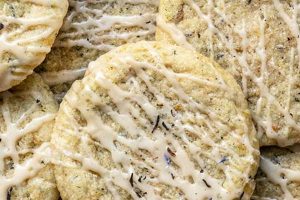
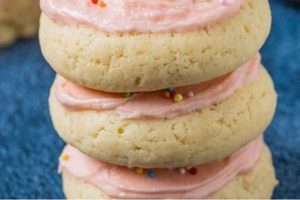
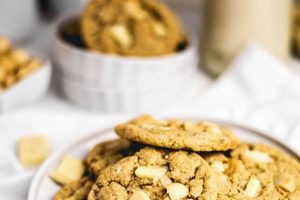
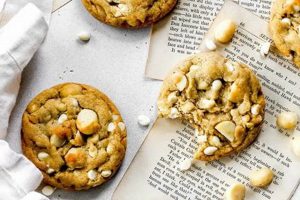
These specialized baked goods are designed to support breastfeeding individuals following a plant-based diet. Recipes often incorporate ingredients believed to promote milk production, such as oats, flaxseed, and brewer’s yeast, while adhering to vegan principles by excluding dairy, eggs, and honey. A typical example might contain rolled oats, plant-based butter, flaxseed meal, a sweetener like maple syrup, and potentially other lactation-boosting ingredients like nuts or seeds.
The significance of these treats lies in their potential to address nutritional needs and lactation support simultaneously, particularly for individuals who choose to abstain from animal products. Their origins are rooted in the broader movement of supporting breastfeeding and exploring natural galactagogues. Benefits may include increased milk supply, improved nutritional intake for the breastfeeding parent, and a convenient, palatable delivery method for galactagogues. Historically, cultural traditions have long recognized the importance of specific foods in supporting lactation.
The following sections will delve into the key ingredients found in these baked goods, examine the scientific evidence supporting their purported benefits, offer considerations for preparing them safely and effectively, and explore potential alternatives or supplementary approaches to supporting vegan lactation.
Optimizing Consumption of Vegan Lactation Cookies
The following guidelines aim to provide practical advice for individuals considering the consumption of baked goods designed to promote lactation while adhering to vegan dietary principles.
Tip 1: Ingredient Sourcing. Prioritize the use of high-quality, organic ingredients when preparing or purchasing. This minimizes exposure to pesticides and promotes a more nutrient-dense final product.
Tip 2: Portion Control. While formulated to potentially support milk production, these items remain food products. Moderate consumption is advised to maintain a balanced diet and prevent excessive calorie intake.
Tip 3: Hydration. Lactation support is multifaceted. Adequate fluid intake is crucial for milk production, regardless of dietary supplements. Consume sufficient water throughout the day.
Tip 4: Consider Individual Sensitivities. Be mindful of potential allergies or intolerances to ingredients such as nuts, seeds, or gluten. Modify recipes or select products accordingly.
Tip 5: Timing of Consumption. Experiment with the timing of eating relative to breastfeeding sessions to determine optimal effect. Some individuals may find consumption an hour before nursing to be beneficial.
Tip 6: Consult Healthcare Professionals. Before incorporating them into a diet, particularly if pre-existing medical conditions are present, seeking advice from a lactation consultant or registered dietitian is prudent.
Incorporating these considerations promotes a more informed and responsible approach to integrating these dietary supplements into a lactation support strategy.
The subsequent section will offer a summary of key findings and recommendations regarding the use of these specialized baked goods.
1. Nutrient Composition

The nutrient composition of vegan lactation cookies is a significant factor determining their efficacy and suitability for breastfeeding individuals following a plant-based diet. Analysis of the macronutrient and micronutrient profile provides insight into potential benefits beyond purported galactagogue properties.
- Macronutrient Profile (Carbohydrates, Fats, Proteins)
The balance of macronutrients influences energy provision and satiety. Vegan formulations must derive protein from plant-based sources such as nuts, seeds, or legumes. Carbohydrates, typically sourced from oats or flours, provide sustained energy. Fats, often from plant-based oils or nut butters, contribute to caloric density and fat-soluble vitamin absorption. The relative proportions of these macronutrients affect blood sugar levels and overall metabolic impact.
- Fiber Content
Ingredients such as oats, flaxseed, and some fruits contribute to dietary fiber. Adequate fiber intake supports digestive health, helps regulate blood sugar, and may contribute to feelings of fullness. The inclusion of sufficient fiber is essential for preventing constipation, a common concern during the postpartum period.
- Vitamins and Minerals
The presence and bioavailability of vitamins and minerals are crucial. Ingredients may naturally contain vitamins and minerals such as iron, calcium, and B vitamins. However, the bioavailability of these nutrients from plant sources can vary. Supplementation through enriched ingredients or additional dietary sources might be necessary to ensure adequate intake.
- Galactagogue-Related Compounds
Beyond basic nutritional content, components traditionally associated with lactation support, such as compounds found in flaxseed (lignans) and brewer’s yeast (B vitamins, trace minerals), also contribute to the overall nutrient composition. While their precise mechanisms of action and effective dosages require further research, their presence adds a functional dimension to the nutrient profile.
The interplay of these nutritional components dictates the overall value of vegan lactation cookies. Formulations should prioritize a balance of macronutrients, adequate fiber, bioavailable micronutrients, and potentially beneficial galactagogue-related compounds to offer genuine support for breastfeeding individuals. Attention to detail in ingredient selection and preparation is essential for optimizing the nutrient profile.
2. Galactagogue Efficacy
The purported efficacy of vegan lactation cookies hinges on the inclusion of ingredients classified as galactagogues substances believed to promote or increase breast milk production. The direct cause-and-effect relationship between consuming these ingredients via cookies and increased milk supply is not universally substantiated by rigorous clinical trials, yet anecdotal evidence and traditional use support their inclusion. Galactagogue efficacy is a crucial component, representing the primary functional claim of the baked goods. For example, oats, a common ingredient, contain beta-glucan, which some studies suggest may influence prolactin levels. Flaxseed contributes lignans, phytoestrogens that might impact hormone balance. The importance of this understanding lies in setting realistic expectations and guiding informed consumption.
Furthermore, the practical application of this understanding involves assessing the quality and quantity of galactagogues within a given cookie recipe. A higher concentration of ingredients like brewer’s yeast or flaxseed meal might suggest a potentially greater effect, although individual responses vary. Recognizing potential limitations is also vital; underlying medical conditions, suboptimal breastfeeding techniques, or insufficient hydration can all negatively impact milk supply regardless of galactagogue consumption. Practical considerations extend to recognizing that the perceived efficacy might be attributed to a placebo effect or increased caloric intake stimulating milk production, rather than solely the galactagogues themselves.
In summary, the connection between galactagogue efficacy and vegan lactation cookies remains a complex area. While anecdotal evidence and traditional practices support their use, definitive scientific proof remains limited. A nuanced approach involving realistic expectations, attention to ingredient quality and quantity, and consideration of confounding factors is crucial for evaluating their potential benefits within a comprehensive lactation support strategy. Challenges include the heterogeneity of cookie recipes and the lack of standardized dosage recommendations for individual ingredients, limiting broad generalizations about efficacy.
3. Vegan Ingredient Sourcing
The sourcing of ingredients for vegan lactation cookies represents a critical aspect of their ethical and nutritional profile. This consideration extends beyond mere adherence to vegan principles, encompassing factors such as sustainability, fair labor practices, and the overall quality of the components utilized.
- Ethical Considerations
Vegan ingredient sourcing prioritizes the avoidance of animal exploitation in all aspects of production. This extends beyond the obvious exclusion of animal-derived products to scrutinizing supply chains for instances of animal labor or habitat destruction associated with the cultivation or harvesting of plant-based ingredients. Certification by reputable vegan organizations provides assurance regarding adherence to these ethical standards.
- Sustainability Practices
Sustainable sourcing encompasses environmentally responsible cultivation and harvesting methods. Examples include the use of organic farming practices to minimize pesticide use, the implementation of water conservation strategies, and the adoption of fair trade principles to ensure equitable compensation for farmers and laborers involved in the production of ingredients like cocoa or nuts. The ecological footprint associated with ingredient transportation also warrants consideration.
- Nutritional Integrity
The nutritional value of vegan lactation cookies is directly influenced by the quality of their constituent ingredients. Sourcing nutrient-dense varieties of oats, flaxseed, and other key components optimizes the potential health benefits. Considerations include the selection of unrefined sweeteners, the use of whole grains over processed flours, and the inclusion of ingredients rich in essential fatty acids, vitamins, and minerals.
- Supply Chain Transparency
Supply chain transparency refers to the traceability of ingredients from their origin to the final product. This includes knowing the source of ingredients, the methods used to grow or produce them, and the labor conditions under which they were harvested or processed. Consumers are increasingly demanding transparency to ensure that their purchasing decisions align with their values.
In conclusion, thoughtful ingredient sourcing is integral to maximizing the benefits and minimizing the ethical and environmental impact of vegan lactation cookies. By prioritizing ethical considerations, sustainability practices, nutritional integrity, and supply chain transparency, producers and consumers can contribute to a more responsible and conscientious approach to lactation support.
4. Potential Allergenicity
Potential allergenicity constitutes a significant consideration in the formulation and consumption of baked goods, particularly within specialized categories such as vegan lactation cookies. These products frequently incorporate ingredients recognized as common allergens, presenting a risk to sensitive individuals. The causal link between ingestion and adverse reactions necessitates a thorough understanding of ingredient profiles and appropriate precautionary measures. The presence of allergens transforms a seemingly beneficial dietary supplement into a potential health hazard. As an example, nuts, seeds, and soy productsprevalent protein sources in vegan formulationsare among the most frequently reported food allergens. The practical significance of this understanding lies in the necessity for accurate labeling, ingredient transparency, and heightened awareness among consumers and manufacturers.
The implications of allergenicity extend beyond immediate reactions. Sensitization, the process by which the immune system develops a response to a previously tolerated substance, can occur through repeated exposure. The inclusion of even trace amounts of an allergen can trigger reactions in highly sensitive individuals, leading to symptoms ranging from mild skin irritation to severe anaphylaxis. In the context of vegan lactation cookies, this is amplified by the target demographic of breastfeeding individuals, where allergens consumed by the parent can potentially transfer to the infant via breast milk, triggering reactions in the child. Therefore, awareness of potential cross-contamination during manufacturing processes is of paramount importance. For instance, shared equipment used to process both nut-containing and nut-free products poses a considerable risk.
In summary, potential allergenicity represents a critical safety consideration for vegan lactation cookies. Accurate labeling, transparent ingredient sourcing, and stringent manufacturing protocols are essential to mitigate risks. The challenge lies in balancing the nutritional benefits of these baked goods with the imperative to protect vulnerable individuals from potentially life-threatening allergic reactions. Further research into allergen management strategies and the development of hypoallergenic formulations are warranted to enhance the safety and accessibility of these specialized dietary products.
5. Preparation Guidelines

Preparation guidelines for vegan lactation cookies directly influence their nutritional value, safety, and efficacy. The method and timing of ingredient incorporation can significantly affect the bioavailability of key nutrients and the stability of galactagogue compounds. For example, excessive heat during baking may degrade heat-sensitive vitamins found in brewer’s yeast, diminishing its intended benefit. Improper storage after preparation can also lead to rancidity in fats from flaxseed, compromising both flavor and nutritional integrity. Adhering to established guidelines is therefore crucial for maximizing the intended advantages of these products. This adherence is essential to maintain ingredient stability and efficacy, ultimately determining the effectiveness of each cookie batch.
Further significance resides in mitigating potential health risks. Inadequate sanitation practices during preparation can introduce harmful bacteria, posing a risk to both the breastfeeding individual and, potentially, the infant through breast milk. Proper handling and storage protocols are particularly important when using ingredients like brewer’s yeast, which, if improperly stored, can become a breeding ground for mold. Moreover, accurately measuring and incorporating ingredients is vital to maintain consistency in both flavor and potency. Deviations from recommended amounts of certain galactagogues, such as fenugreek, can lead to unintended side effects. Preparation guidelines should also address common allergen concerns, emphasizing proper handling and cleaning of equipment to prevent cross-contamination.
In conclusion, meticulous adherence to preparation guidelines represents a cornerstone for ensuring the quality, safety, and effectiveness of vegan lactation cookies. The guidelines not only optimize the nutritional benefits of these products but also minimize potential risks associated with contamination, ingredient degradation, and allergen exposure. Emphasizing preparation accuracy is therefore paramount to realize the full potential of these specialized dietary supplements. Further research and education in best preparation practices are needed to create a healthier environment and product for the intended market.
Frequently Asked Questions
The following addresses common inquiries regarding baked goods designed to support lactation while adhering to vegan dietary principles. It offers concise and informative responses to frequently raised concerns.
Question 1: Are “vegan lactation cookies” a guaranteed solution for low milk supply?
These baked goods are not a guaranteed solution. They are intended to supplement, not replace, a comprehensive lactation support strategy, including proper breastfeeding techniques, frequent nursing, and adequate hydration. Individual results may vary.
Question 2: Can “vegan lactation cookies” cause allergic reactions in infants via breast milk?
Potentially. Ingredients such as nuts, seeds, and soy, commonly found in vegan formulations, can transfer through breast milk and trigger reactions in sensitive infants. Careful ingredient assessment and monitoring for infant symptoms are essential.
Question 3: How many “vegan lactation cookies” should be consumed daily?
There is no standardized recommended dosage. Consumption should be moderate, typically one to three cookies per day, as part of a balanced diet. Excessive consumption can lead to increased caloric intake without necessarily enhancing lactation.
Question 4: Are all ingredients in commercially available “vegan lactation cookies” ethically sourced?
Ethical sourcing varies between manufacturers. Consumers should examine product labels and certifications to verify adherence to fair trade and sustainable practices. Contacting the manufacturer directly can provide further clarification.
Question 5: Is brewer’s yeast, a common ingredient in “vegan lactation cookies”, safe for individuals with yeast sensitivities?
Brewer’s yeast can trigger reactions in individuals with yeast sensitivities or allergies. Alternative recipes omitting brewer’s yeast are available and may be more suitable for sensitive individuals.
Question 6: Do “vegan lactation cookies” provide all necessary nutrients for a breastfeeding parent?
These treats are not a complete nutritional source. They supplement, but do not replace, a balanced diet rich in fruits, vegetables, whole grains, and plant-based protein sources. Consultation with a registered dietitian is advisable to ensure adequate nutrient intake.
In summary, baked goods are a potential adjunct to lactation support, but should be approached with realistic expectations and awareness of individual sensitivities and nutritional needs.
The following section will explore alternative approaches to supporting vegan lactation.
Conclusion
This exploration of “vegan lactation cookies” has elucidated the multifaceted nature of these specialized baked goods. Key points encompassed their potential role in lactation support, the importance of careful ingredient sourcing, considerations regarding allergenicity, and the need for adherence to proper preparation guidelines. The examination also highlighted the lack of definitive scientific evidence supporting universal galactagogue efficacy, emphasizing the importance of realistic expectations.
The pursuit of effective and ethical lactation support necessitates a holistic approach. While “vegan lactation cookies” may offer a convenient and palatable option for some, they should not be considered a panacea. Continued research into plant-based galactagogues, coupled with a commitment to transparent labeling and responsible manufacturing practices, will ultimately contribute to a more informed and empowering experience for breastfeeding individuals adhering to vegan dietary principles.