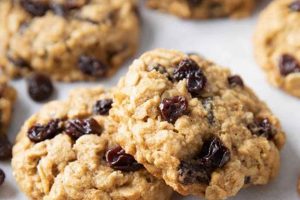
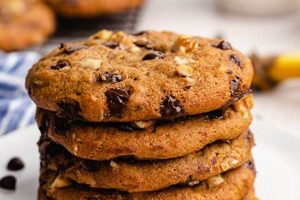
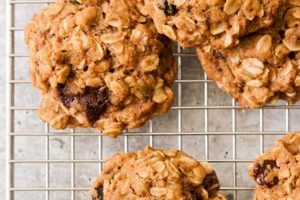
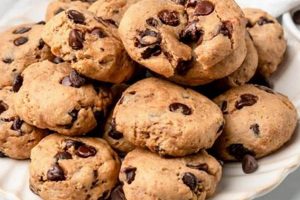
These treats are characterized by their cracked, powdered sugar-coated exterior and soft, chewy interior, flavored prominently with citrus. The “vegan” component indicates the absence of animal products like butter, eggs, and dairy milk, necessitating substitutions such as plant-based butter alternatives, flaxseed meal binders, and non-dairy milk.
The significance of offering plant-based options lies in accommodating dietary restrictions and ethical preferences. This particular baked item broadens the appeal of a traditionally non-vegan dessert, enabling individuals adhering to vegan lifestyles to enjoy a familiar confection. The flavor profile offers a bright, refreshing counterpoint to richer desserts, potentially attracting a wider consumer base.
The following discussion will elaborate on the specific ingredient adaptations, baking techniques, and potential variations involved in producing a palatable and visually appealing version of this popular cookie. Further, considerations will be given to troubleshooting common issues and optimizing the recipe for consistent results.
Baking Tips for Optimal Results
Achieving the ideal texture and flavor profile necessitates attention to specific details during preparation and baking. The following guidelines offer valuable insights for consistent and successful outcomes.
Tip 1: Ingredient Temperature Matters: Plant-based butter alternatives perform best when slightly softened, but not melted. Overly soft fats can lead to excessive spreading and a flat cookie.
Tip 2: Utilize Accurate Measurement: Precise measurement of ingredients, especially flour, is crucial. Weighing ingredients, rather than using volume measurements, improves consistency.
Tip 3: Chill the Dough Thoroughly: A minimum of two hours of refrigeration allows the dough to firm up, preventing excessive spreading and promoting the signature crinkled appearance.
Tip 4: Coat Generously in Powdered Sugar: A thick coating of powdered sugar is essential. Double-coating, after the initial layer has been absorbed slightly, maximizes the visual effect.
Tip 5: Monitor Baking Time Closely: Overbaking results in dry, hard cookies. Remove them from the oven when the edges are set but the centers remain slightly soft.
Tip 6: Employ Parchment Paper or Silicone Mats: These prevent sticking and ensure even baking by distributing heat uniformly across the cookie sheet.
Tip 7: Rotate Baking Sheets Midway: Rotate the baking sheets halfway through the baking process to ensure even heat distribution, especially in ovens with hot spots.
Adhering to these recommendations will contribute significantly to producing visually appealing and palatable versions. Precision and careful attention to detail are paramount for optimal results in this recipe.
The subsequent sections will explore potential recipe variations and address common troubleshooting challenges.
1. Vegan substitutions

Vegan substitutions are integral to replicating traditional baked goods in a manner suitable for individuals adhering to a plant-based diet. Their selection and application directly affect the final product’s texture, flavor, and structural integrity. Within the context of the named treat, substitutions are not merely alterations; they are foundational to its very existence.
- Egg Replacements
Eggs provide binding, leavening, and moisture in conventional cookies. In a vegan context, options such as flaxseed meal mixed with water (“flax eggs”), applesauce, or commercial egg replacers are employed. The choice impacts the cookie’s chewiness, rise, and overall density. For example, flax eggs tend to produce a denser, chewier product, while applesauce may contribute additional moisture.
- Dairy-Free Butter Alternatives
Traditional butter contributes to flavor, tenderness, and texture. Plant-based butter alternatives, often composed of vegetable oils, vary significantly in their fat content and water content. This variability directly influences the cookie’s spread during baking and its final texture. Some alternatives contain higher water percentages, potentially leading to flatter cookies unless adjustments are made to the flour ratio.
- Dairy-Free Milk Substitutions
Dairy milk provides moisture and aids in the emulsification of fats. Plant-based milks such as almond, soy, or oat milk can be used as substitutes. The choice of plant-based milk can subtly alter the flavor profile of the cookie. Oat milk, for example, tends to impart a slightly sweeter taste compared to almond milk.
- Refined Sugar Considerations
While seemingly straightforward, the source of granulated sugar can be relevant in strict vegan contexts. Some refined sugars are processed using bone char, rendering them non-vegan. Therefore, it’s crucial to verify the sugar’s processing method or opt for certified vegan sugar alternatives like beet sugar or organic cane sugar.
The successful execution of these substitutions requires careful consideration of their individual properties and their combined effect on the final product. The specific ratios and techniques employed will dictate the cookie’s likeness to its traditional counterpart while remaining compliant with vegan dietary principles. Experimentation and precise measurement are essential for achieving optimal results.
2. Lemon Intensity
Lemon intensity constitutes a critical determinant of the final sensory experience when preparing these baked goods. The balance between the tartness of the citrus and the sweetness of the cookie dough is essential to achieving a palatable and desirable product. The following points delineate factors that impact the perceived level of this citrus flavor.
- Source of Lemon Flavor
The primary sources are lemon zest and lemon juice. Zest, derived from the outer peel, contains concentrated lemon oils responsible for aroma and a potent, albeit non-acidic, lemon flavor. Juice contributes acidity and liquid content. Employing both in conjunction allows for nuanced control over the overall intensity and balance of flavors.
- Quantity and Ratio
The proportion of lemon zest and juice relative to other ingredients directly affects the strength of the lemon flavor. An excess of juice can disrupt the dough’s consistency, leading to a flatter cookie. Conversely, insufficient zest may result in a weak, underwhelming flavor profile. Adjusting this ratio is crucial to achieving the desired level of citrus impact without compromising texture.
- Quality of Lemons
The variety and freshness of the lemons used will influence the final flavor. Meyer lemons, for instance, are sweeter and less acidic than Eureka lemons. Utilizing freshly zested and juiced lemons provides a brighter, more vibrant flavor compared to using bottled juice or pre-grated zest, which tend to lose potency over time.
- Enhancement Techniques
The perceived intensity can be heightened through techniques such as “blooming” the zest by rubbing it with sugar before adding it to the dough. This process releases the oils and infuses the sugar with lemon flavor, thereby amplifying the overall impact. Additionally, a lemon glaze applied after baking can further enhance the citrus notes.
In summation, the judicious selection and manipulation of these variables are essential for achieving an optimal balance of flavors. The intensity of lemon should complement, not overwhelm, the other components of the cookie, resulting in a harmonious and satisfying sensory experience for the consumer. Careful consideration and strategic application will lead to a final baked product characterized by a well-defined and enjoyable lemon profile.
3. Crinkle Formation
The distinctive cracked surface, or “crinkle,” is a defining characteristic of this particular type of cookie, contributing significantly to its visual appeal and textural contrast. Achieving the desired crinkle effect in vegan iterations requires careful consideration of ingredient interactions and baking techniques, as the absence of traditional binding agents necessitates alternative approaches.
- Dough Chilling
Refrigeration of the dough is paramount. Chilling solidifies the fats, preventing excessive spreading during baking. The rapid expansion of gases within the chilled dough as it enters the oven creates the fissures responsible for the characteristic cracked appearance. Insufficient chilling results in flat, smooth cookies lacking the desired surface texture.
- Powdered Sugar Coating
A generous coating of powdered sugar is essential. As the cookie bakes, the outer layer of sugar dries and hardens. The expanding dough underneath creates cracks in this brittle shell, revealing the contrasting color of the cookie beneath. The thickness and consistency of the powdered sugar coating directly influence the prominence of the crinkle effect.
- Vegan Fat Selection
The type of vegan butter or oil used impacts the dough’s structure and, consequently, the crinkle formation. Fats with higher melting points tend to produce more defined cracks, while those with lower melting points may result in a less pronounced effect. The ratio of fat to other ingredients also plays a critical role in dough consistency and crack development.
- Baking Temperature and Time
The oven temperature and baking duration must be precisely controlled. Too high a temperature can cause the cookies to spread excessively before the outer sugar coating has a chance to set, resulting in a less distinct crinkle. Conversely, too low a temperature may prevent sufficient expansion and crack formation. Optimal crinkle development requires a balance between heat exposure and baking time.
These interconnected elements collectively determine the success of crinkle formation in the final product. The absence of animal products necessitates a refined understanding of ingredient interactions and baking parameters to replicate the textural and visual attributes of traditional versions.
4. Dough Consistency

Dough consistency serves as a pivotal factor influencing the final texture and structural integrity in vegan lemon crinkle cookies. Its manipulation, primarily through ingredient selection and ratios, dictates the degree of spread, chewiness, and overall palatability of the finished product.
- Hydration Level
The liquid-to-dry ingredient ratio dictates the dough’s moisture content. Excessive liquid, often stemming from substitutions like applesauce or overly moist vegan butter, results in a thin batter prone to spreading during baking, yielding flat, crispy cookies. Conversely, insufficient liquid leads to a dry, crumbly dough that struggles to bind, potentially resulting in dense, unevenly baked cookies. Achieving optimal hydration necessitates careful balancing, often requiring adjustments to dry ingredient quantities.
- Fat Content and Type
The type and amount of vegan butter or oil significantly impact dough consistency. Solid vegan butter alternatives, when chilled, contribute to a firmer dough that spreads less readily, promoting a thicker, chewier cookie. Liquid oils, however, tend to produce a more relaxed dough with increased spread. The fat’s emulsification properties also influence the dough’s overall smoothness and cohesiveness.
- Gluten Development (or Lack Thereof)
While gluten development is a primary concern in wheat-based baked goods, its absence in many gluten-free vegan recipes necessitates alternative binding agents. Ingredients like xanthan gum or tapioca starch are often incorporated to mimic gluten’s structural properties, providing elasticity and preventing excessive crumbling. The quantity of these binding agents directly influences the dough’s workability and its ability to hold its shape during baking.
- Temperature Control
Temperature plays a crucial role in maintaining the desired dough consistency. Chilling the dough solidifies the fats, preventing excessive spreading and allowing for easier handling. It also allows for better hydration of the dry ingredients. A dough that is too warm will be sticky and difficult to work with, while a dough that is too cold may be brittle and prone to cracking.
Ultimately, successful execution hinges on understanding how individual components interact to shape dough characteristics. Careful attention to these variables permits the creation of vegan lemon crinkle cookies possessing the desired balance of texture, flavor, and structural stability.
5. Sweetness balance

Sweetness balance represents a critical factor in the overall palatability of any dessert, and its significance is amplified in the context of citrus-forward baked goods such as vegan lemon crinkle cookies. The interplay between sweet and tart flavors dictates the final sensory experience, demanding meticulous attention to ingredient ratios and preparation techniques. An imbalance can result in an unpleasantly sour or cloyingly sweet product, diminishing consumer satisfaction.
- Sugar Type and Quantity
The selection of sugar, be it granulated, powdered, or liquid sweeteners like agave or maple syrup, directly affects the cookie’s texture and flavor profile. Granulated sugar contributes to crisp edges, while powdered sugar, used for the coating, creates the signature cracked appearance. The overall quantity must be carefully calibrated to complement the lemon’s acidity without overpowering it. Vegan recipes often necessitate adjustments, as some sugar substitutes possess differing sweetness intensities compared to refined cane sugar.
- Acidity Mitigation
Lemon juice, while providing the characteristic citrus flavor, introduces a significant degree of acidity. Insufficient sugar can accentuate this tartness, rendering the cookie unpalatable. Techniques to mitigate this include incorporating a small amount of baking soda, which neutralizes some of the acid. However, excessive baking soda can alter the cookie’s texture and introduce an undesirable alkaline flavor. Alternatively, a more generous sugar quantity can be employed, but this requires careful consideration to avoid excessive sweetness.
- Ingredient Complementarity
The interaction between sweeteners and other ingredients, particularly vegan butter alternatives, influences the perceived sweetness. Certain plant-based butter substitutes may possess inherent sweetness or saltiness, necessitating adjustments to the overall sugar content. Moreover, the inclusion of other flavoring agents, such as vanilla extract, can enhance the perception of sweetness through aroma and flavor complexities, allowing for a reduction in actual sugar quantity.
- Post-Baking Sweetness Adjustment
Sweetness can be modulated after baking through the application of a lemon glaze or a dusting of powdered sugar. A glaze, typically composed of powdered sugar and lemon juice, provides an additional layer of sweetness and citrus flavor. The thickness and application method determine the intensity of this added sweetness. Similarly, a generous coating of powdered sugar not only contributes to the cookie’s visual appeal but also balances the tartness of the lemon.
In conclusion, achieving optimal sweetness in vegan lemon crinkle cookies requires a holistic approach, considering the interplay of sugar type and quantity, acidity mitigation strategies, ingredient complementarity, and post-baking adjustments. Each of these elements must be carefully balanced to create a harmonious flavor profile that is both satisfying and appealing to the consumer.
6. Baking precision

In the context of vegan lemon crinkle cookies, baking precision constitutes a critical determinant of success. The absence of traditional animal-derived ingredients like eggs and butter necessitates a heightened awareness of ingredient interactions and their impact on the final product. Deviations from precise measurements or baking parameters can lead to significant alterations in texture, appearance, and flavor, ultimately compromising the desired characteristics of the cookie. For example, an overestimation of liquid ingredients can result in excessive spreading during baking, while underbaking may lead to a doughy, undercooked interior.
The impact of baking precision extends beyond ingredient ratios to encompass oven temperature and baking time. Vegan baking often requires adjustments to these parameters due to the different heat transfer properties of plant-based fats and binding agents. An oven that is too hot can cause the cookies to brown excessively on the exterior while remaining undercooked in the center. Conversely, insufficient baking time can result in a fragile structure that crumbles easily. Furthermore, the distribution of heat within the oven can influence the consistency of baking across an entire batch, necessitating rotation of baking sheets for uniform results. Real-world examples consistently demonstrate that meticulous temperature control and adherence to recommended baking times are essential for achieving the signature crinkled surface and chewy interior of these cookies.
In summary, baking precision is not merely a suggestion but a fundamental requirement for consistently producing high-quality vegan lemon crinkle cookies. The unique challenges posed by vegan ingredient substitutions demand a heightened level of attentiveness to detail, encompassing accurate measurements, precise temperature control, and careful monitoring of baking time. By embracing this meticulous approach, bakers can overcome the inherent complexities of vegan baking and achieve results that are both visually appealing and texturally satisfying. The significance of this understanding lies in the ability to reliably replicate a desired outcome, minimizing waste and maximizing the enjoyment of this particular confection.
Frequently Asked Questions
This section addresses common inquiries concerning the preparation, ingredients, and characteristics of vegan lemon crinkle cookies. The information provided aims to clarify potential points of confusion and offer guidance for optimal results.
Question 1: Can gluten-free flour be substituted in this recipe, and if so, what adjustments are necessary?
Gluten-free flour blends can be substituted, however, they often require the addition of a binding agent such as xanthan gum to mimic gluten’s structural properties. The quantity of xanthan gum varies depending on the specific flour blend used; consult the manufacturer’s recommendations. Additionally, gluten-free flours may absorb liquid differently, so a slight adjustment to the liquid content may be required to achieve the correct dough consistency.
Question 2: What is the best method for ensuring a pronounced lemon flavor in the absence of artificial flavorings?
The intensity of lemon flavor is maximized through the use of fresh lemon zest and juice. Zest contains concentrated lemon oils responsible for aroma and potent flavor. Rubbing the zest with sugar before adding it to the dough releases these oils, enhancing the overall lemon impact. The use of high-quality, freshly squeezed lemon juice further contributes to a vibrant citrus profile.
Question 3: Why do the cookies sometimes spread excessively during baking, and how can this be prevented?
Excessive spreading is often attributed to overly soft vegan butter or insufficient chilling of the dough. Ensure the vegan butter is softened but not melted. Refrigerating the dough for a minimum of two hours solidifies the fats, preventing excessive spread. Furthermore, accurate measurement of ingredients, particularly flour and liquid, is crucial to maintain the proper consistency.
Question 4: What alternatives exist for refined white sugar to maintain vegan compliance and potentially reduce the glycemic index?
Alternatives to refined white sugar include beet sugar, organic cane sugar, and coconut sugar. Beet sugar and organic cane sugar are processed without bone char and are considered vegan-compliant. Coconut sugar offers a lower glycemic index compared to refined white sugar, potentially leading to a more gradual increase in blood sugar levels.
Question 5: How does the type of plant-based milk affect the final texture and flavor of the cookies?
The type of plant-based milk can subtly influence the cookie’s texture and flavor. Oat milk tends to impart a slightly sweeter taste and contributes to a softer texture. Almond milk offers a neutral flavor profile and a slightly drier texture. Soy milk provides a more robust flavor and can contribute to a chewier texture. The choice of milk should align with the desired flavor and textural characteristics.
Question 6: What is the optimal method for storing these cookies to maintain freshness and prevent them from drying out?
To maintain freshness, store these baked goods in an airtight container at room temperature. Adding a slice of bread to the container can help absorb excess moisture and prevent the cookies from drying out. Properly stored, they should remain palatable for up to three days.
The key takeaways emphasize the importance of precise ingredient measurements, appropriate chilling, and careful attention to baking parameters. These factors collectively contribute to the creation of high-quality versions.
The following section explores potential variations and modifications to the core recipe.
Vegan Lemon Crinkle Cookies
This exploration of the intricacies involved in producing vegan lemon crinkle cookies has underscored the critical interplay between ingredient substitutions, baking techniques, and an understanding of chemical reactions. Achieving a palatable and aesthetically pleasing result necessitates a meticulous approach, encompassing accurate measurements, precise temperature control, and a nuanced awareness of the impact of each component on the final product.
The pursuit of culinary innovation within the constraints of ethical and dietary considerations demands a commitment to continuous refinement and experimentation. The potential for further enhancements to both flavor and texture remains, urging practitioners to critically evaluate existing methods and explore novel approaches. The significance of this undertaking lies in its contribution to expanding the accessibility and appeal of plant-based desserts, fostering a more inclusive and sustainable food landscape.