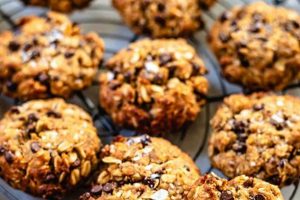
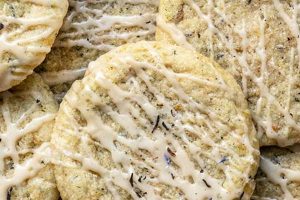
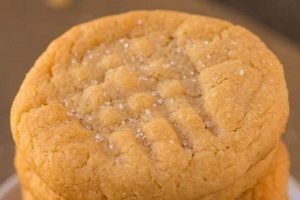
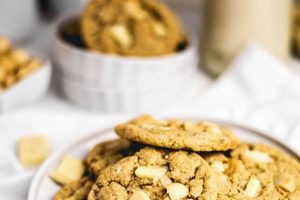
Snickerdoodles, a type of cookie characterized by its cinnamon-sugar coating and slightly tangy flavor, can be adapted to accommodate vegan dietary preferences. The term encompasses a range of recipes that modify traditional snickerdoodle ingredients to exclude animal products such as butter and eggs, utilizing plant-based alternatives to achieve a similar texture and taste. Examples of these substitutions may include vegan butter alternatives, plant-based milk, and egg replacers like applesauce or flaxseed meal.
The creation of plant-based snickerdoodle variations addresses the increasing demand for inclusive dessert options. It allows individuals adhering to vegan lifestyles or those with egg and dairy allergies to enjoy a classic treat without compromising their dietary choices. The adaptation also highlights the versatility of baking and the potential for innovation within traditional recipes. Historically, snickerdoodles have been a popular homemade cookie; vegan versions extend this tradition to a broader audience.
The subsequent discourse will delve into specific methods for preparing these plant-based treats, including detailed ingredient lists, baking techniques designed to optimize texture and flavor, and considerations for achieving that signature snickerdoodle tang without traditional dairy products. Furthermore, the article will explore common challenges encountered during the vegan baking process and provide solutions for overcoming them, ensuring successful and delicious results.
Essential Considerations for Vegan Snickerdoodle Baking
Achieving optimal results in plant-based snickerdoodle production requires attention to ingredient selection and baking techniques. The following tips provide guidance for successful execution.
Tip 1: Select Appropriate Vegan Butter Alternatives: The choice of plant-based butter significantly impacts the cookie’s texture. Opt for sticks rather than tubs, as the former typically contain less water, contributing to a chewier outcome. Coconut oil can also be used, but may impart a slight coconut flavor.
Tip 2: Employ an Effective Egg Replacer: Flaxseed meal or applesauce serve as viable alternatives to eggs, providing binding and moisture. A ratio of 1 tablespoon of flaxseed meal mixed with 3 tablespoons of water, allowed to sit for 5 minutes, typically replaces one egg. The amount of applesauce needs to be adjusted to achieve the desire consistency.
Tip 3: Incorporate Cream of Tartar: Cream of tartar is essential for the snickerdoodle’s characteristic tang and chewy texture. Do not omit this ingredient. Its chemical reaction with baking soda produces carbon dioxide, contributing to the cookie’s rise and texture.
Tip 4: Avoid Overmixing the Dough: Overmixing develops gluten, leading to a tough cookie. Mix the wet and dry ingredients until just combined to maintain a tender crumb.
Tip 5: Chill the Dough Before Baking: Chilling the dough for at least 30 minutes prevents excessive spreading during baking. This also allows the flavors to meld and intensifies the overall taste profile.
Tip 6: Monitor Baking Time Carefully: Plant-based cookies can brown more quickly than traditional recipes. Start checking for doneness a few minutes before the recipe’s suggested baking time. The edges should be lightly golden, and the center slightly soft.
Tip 7: Adjust Sugar Content Strategically: Vegan recipes may require slight adjustments to the sugar content to compensate for differences in moisture and binding properties compared to traditional ingredients. Experiment to find the desired level of sweetness and texture.
These considerations are crucial for successfully creating plant-based snickerdoodles that replicate the taste and texture of the original recipe, while adhering to dietary restrictions. Mastering these adjustments will ensure consistent and favorable results.
The subsequent section will address troubleshooting common issues encountered during the baking process.
1. Ingredient Substitution Strategies

Ingredient substitution strategies are fundamental to developing successful plant-based snickerdoodle recipes. The omission of animal-derived components like butter and eggs necessitates the identification and application of suitable replacements that maintain the desired textural and gustatory qualities. Ineffective substitution can lead to cookies that are either excessively dry, overly dense, or lacking the characteristic tang of traditional snickerdoodles. For instance, replacing butter with an equal amount of coconut oil will alter the fat content and, consequently, the spread and chewiness of the cookie. Similarly, using applesauce as an egg replacer adds moisture but might also introduce an unwanted fruit flavor, affecting the overall sensory experience. Careful consideration of each substitutions impact on the final product is therefore paramount.
The impact of ingredient substitution extends beyond simple replacement; it requires adjustments to other components within the recipe. If a plant-based milk with lower fat content is used, the amount of vegan butter may need to be increased to compensate and maintain the desired richness. Furthermore, certain egg replacers, like flaxseed meal, introduce additional fiber, which can affect the cookie’s crumb structure. This necessitates a reduction in the flour quantity to prevent a dry, crumbly texture. Strategic decisions regarding ingredients such as alternative sweeteners also play a critical role in achieving both the desired sweetness level and texture. Real-world examples of successful substitution include using a combination of vegan butter and shortening to mimic the texture of butter while avoiding excessive spread, or adding a small amount of apple cider vinegar to enhance the tangy flavor that is typically derived from dairy.
In summary, the strategic implementation of ingredient substitutions is not merely about replacing ingredients but about understanding and mitigating the effects of those replacements on the final outcome of a plant-based snickerdoodle. The process demands a thorough knowledge of the functional properties of each ingredient, experimentation, and adaptation to achieve a result that closely replicates the sensory attributes of its traditional counterpart. Challenges arise from the inherent variability in plant-based ingredients and the subjective nature of taste and texture preferences, underscoring the need for meticulous recipe development and testing.
2. Texture Optimization Techniques

The pursuit of ideal texture in plant-based snickerdoodles relies heavily on mastering texture optimization techniques. Achieving the characteristic soft, chewy interior and slightly crisp exterior of a traditional snickerdoodle without the binding properties of eggs or the fat content of dairy requires careful manipulation of ingredients and baking processes. These techniques are not merely optional enhancements; they are essential for replicating the intended sensory experience.
- Gluten Development Control
Excessive gluten development results in a tough, dense cookie. Minimizing gluten formation is achieved through careful flour selection, such as using cake flour with a lower protein content, and gentle mixing techniques. Overmixing activates gluten strands, leading to undesirable chewiness. In the context of plant-based snickerdoodles, where the lack of egg protein reduces binding, careful gluten control becomes even more critical to prevent a flat, spread-out cookie.
- Moisture Management
Maintaining appropriate moisture levels is vital for the desired soft texture. Plant-based butter alternatives often contain higher water content than dairy butter, influencing dough consistency and baking time. Incorporating ingredients like applesauce or pumpkin puree, while serving as egg replacers, also contribute moisture. Balancing these elements through precise measurement and adjustment of dry ingredients is essential to avoid a soggy or overly dry outcome. The interplay of moisture and dry ingredients directly affects the cookie’s final texture, influencing its tenderness and chewiness.
- Fat Incorporation Techniques
The method of incorporating fat significantly impacts the cookie’s texture. Creaming vegan butter alternatives with sugar, a standard technique in traditional baking, may require modification due to differences in fat composition. The objective is to create air pockets that contribute to a light and airy texture. However, over-creaming can lead to excessive spread during baking. Chilling the dough after creaming and before baking is a commonly employed technique to solidify the fat and control spread, resulting in a thicker, chewier cookie. The selection of plant-based fat and its method of incorporation dictate the overall structure and mouthfeel.
- Leavening Agent Manipulation
The combination of baking soda and cream of tartar is crucial for the signature tang and chewy texture of snickerdoodles. In plant-based adaptations, the balance of these leavening agents becomes even more critical. Cream of tartar reacts with baking soda to produce carbon dioxide, contributing to the cookie’s rise. Insufficient leavening results in a dense, flat cookie, while excessive leavening leads to a crumbly texture. Adjusting the ratio of these agents to compensate for the lack of egg binding properties is essential for achieving the desired lift and internal structure.
These texture optimization techniques, when applied meticulously, bridge the gap between traditional and plant-based snickerdoodles. By understanding the interplay of gluten development, moisture management, fat incorporation, and leavening agent manipulation, bakers can create vegan cookie recipes that capture the essence of the classic snickerdoodle while adhering to plant-based dietary restrictions. The mastery of these techniques is indispensable for producing consistently appealing and texturally satisfying plant-based snickerdoodles.
3. Flavor Profile Balancing
Flavor profile balancing constitutes a critical aspect of developing palatable plant-based snickerdoodles. The absence of dairy butter and eggs necessitates careful manipulation of alternative ingredients to replicate the complex flavor tapestry of the original recipe. Imbalances in sweetness, tanginess, and richness can significantly detract from the overall sensory experience.
- Sweetness Modulation
Sugar serves not only as a sweetener but also contributes to the cookie’s texture and browning. In plant-based formulations, variations in sugar typessuch as granulated, brown, or coconut sugarinfluence both sweetness intensity and moisture content. Over-reliance on liquid sweeteners like maple syrup can lead to excessively soft cookies, while insufficient sweetness detracts from the dessert’s appeal. Strategic selection and adjustment of sugar proportions are essential to achieve the desired sweetness level without compromising the cookie’s structure.
- Tang Enhancement
The characteristic tang of snickerdoodles traditionally arises from the reaction between cream of tartar and baking soda. In plant-based versions, where dairy-derived flavors are absent, this tang may be less pronounced. To compensate, the addition of acidic ingredients such as apple cider vinegar or lemon juice can enhance the tangy note. Precise calibration is crucial to avoid an overly sour flavor that masks the other nuances of the cookie. The interplay between acidity and sweetness is central to achieving a balanced flavor profile.
- Richness Mimicry
Dairy butter contributes significant richness and mouthfeel to traditional snickerdoodles. Plant-based butter alternatives, while designed to replicate these attributes, often possess different fatty acid profiles and moisture contents. The use of nut butters, such as cashew or almond butter, can augment richness and add subtle nutty undertones. However, excessive incorporation of nut butters may overpower the other flavors. A judicious blend of plant-based fats and nut butters is required to approximate the richness of dairy butter without introducing undesirable flavor complexities.
- Spice Harmony
Cinnamon is the defining spice in snickerdoodles, providing warmth and aromatic complexity. The quality and quantity of cinnamon directly influence the cookie’s overall flavor. Using freshly ground cinnamon or incorporating other complementary spices such as nutmeg or cardamom can enhance the flavor profile. However, over-spicing can mask the other flavor components, while insufficient spice detracts from the characteristic snickerdoodle aroma. Balancing the spice blend is crucial for achieving a harmonious and inviting flavor profile.
The success of plant-based snickerdoodles hinges on the effective balancing of sweetness, tanginess, richness, and spice. Attentive adjustment of these elements ensures that the final product emulates the desired flavor profile, despite the absence of traditional dairy and egg components. Through careful manipulation and experimentation, these flavor optimization strategies allow for the creation of vegan cookie recipes that authentically capture the essence of the classic snickerdoodle.
4. Baking Time Adjustments

In the realm of plant-based snickerdoodle creation, baking time adjustments are not merely refinements but critical determinants of the final product’s texture and overall quality. These adjustments are necessitated by the distinct properties of vegan ingredients relative to their conventional counterparts, influencing heat transfer and moisture retention within the cookie dough.
- Moisture Content Variations
Plant-based butter alternatives frequently exhibit higher moisture content compared to dairy butter. This increased moisture accelerates the rate of steam production during baking, potentially leading to a softer, more cake-like texture if the baking time is not appropriately reduced. Conversely, prolonged baking times to compensate for perceived under-doneness can result in a dry, brittle cookie. The moisture dynamics inherent in vegan substitutions therefore require careful monitoring and calibrated time adjustments.
- Sugar Crystallization Dynamics
Different sugar types, such as coconut sugar or maple syrup, impact the rate of sugar crystallization during baking. These alternative sweeteners possess unique hygroscopic properties, influencing the moisture-binding capacity and subsequent structural integrity of the cookie. Extended baking times can induce excessive crystallization, yielding a grainy texture. The interplay between sugar type and baking duration necessitates empirical adjustments to maintain a smooth, desirable mouthfeel.
- Browning Rate Discrepancies
The Maillard reaction, responsible for browning in baked goods, is affected by the availability of reducing sugars and amino acids. Vegan recipes often employ ingredients that alter the ratios of these compounds, leading to either accelerated or decelerated browning rates. Premature browning may necessitate reduced baking temperatures and/or shorter baking times to prevent burning while ensuring the interior is adequately cooked. Conversely, delayed browning may require extended baking times, potentially compromising texture.
- Oven Calibration Requirements
Oven calibration plays a crucial role in consistently achieving desired baking results. Ovens may exhibit temperature inaccuracies that disproportionately affect plant-based recipes due to their altered heat transfer properties. Slight variations in oven temperature can drastically influence the spread, rise, and overall texture of vegan snickerdoodles. Employing an oven thermometer to verify temperature accuracy and adjusting baking times accordingly is therefore a critical step in the vegan baking process.
These facets of baking time adjustments, when meticulously addressed, contribute significantly to the creation of successful plant-based snickerdoodles. By understanding the interplay of moisture content, sugar crystallization, browning rates, and oven calibration, bakers can fine-tune their techniques to produce vegan cookies that closely emulate the texture and flavor of their traditional counterparts. The consideration of these factors underscores the importance of empirical observation and adaptive adjustments in the pursuit of optimal vegan baking outcomes.
5. Ingredient Availability

Ingredient availability exerts a substantial influence on the feasibility and execution of vegan snickerdoodle recipes. The accessibility of specific plant-based alternatives to traditional dairy and egg ingredients dictates the potential success and widespread adoption of these recipes. Limited availability, or significant price disparities between common and specialty ingredients, can present a considerable barrier to entry for both novice and experienced bakers. The impact is multifaceted, affecting recipe adherence, overall cost, and, ultimately, the replication of intended flavors and textures. For instance, while readily available vegan butter substitutes may suffice for basic baking, specialized vegan cream cheese alternatives, crucial for achieving a specific tangy flavor profile, may only be found in select specialty stores or online retailers, thus restricting access for many consumers. Similarly, the cost of these specialty items can deter budget-conscious bakers from fully committing to a recipes requirements.
The geographical location significantly contributes to the variance in ingredient accessibility. Urban areas with well-established health food stores and diverse supermarkets typically offer a broader range of vegan baking components compared to rural regions with limited retail options. Consequently, recipes relying heavily on niche or imported vegan ingredients become less practical for individuals residing in areas with restricted supply chains. Real-world examples include communities where flaxseed meal or specific brands of vegan butter are consistently out of stock, forcing bakers to either compromise with less suitable substitutions or abandon the recipe altogether. The shift towards online purchasing partially mitigates this issue, but associated shipping costs and delivery times can still pose logistical challenges.
In conclusion, ingredient availability acts as a pivotal constraint in the realm of vegan snickerdoodle recipes. The ease with which key plant-based components can be sourced and acquired directly shapes the scope and accessibility of vegan baking. While the increasing demand for vegan products has broadened ingredient availability in many regions, disparities persist. Addressing these inequalities through improved supply chain logistics and wider distribution networks is crucial for fostering greater inclusivity and expanding the reach of plant-based baking practices. The future development of accessible, widely available, and cost-effective vegan ingredients remains essential to democratize vegan baking and enable widespread participation in this culinary domain.
Frequently Asked Questions
The following addresses common inquiries concerning the creation of plant-based snickerdoodles, focusing on technical considerations and practical solutions.
Question 1: Can aquafaba effectively replace eggs in snickerdoodle recipes?
While aquafaba possesses emulsifying properties, its high moisture content may necessitate adjustments to dry ingredients to avoid a soggy cookie. Texture is often affected adversely.
Question 2: Does the type of plant-based milk influence the final product?
Yes. The fat and protein content in plant-based milks such as almond, soy, or oat milk differ, impacting both flavor and texture. Full-fat oat milk typically yields a richer result.
Question 3: Is cream of tartar essential for plant-based snickerdoodles?
Cream of tartar contributes to the signature tang and chewy texture. Its absence alters the flavor and structure, deviating significantly from the traditional snickerdoodle profile.
Question 4: How does gluten-free flour affect the texture of vegan snickerdoodles?
Gluten-free flour lacks gluten, necessitating the addition of binding agents like xanthan gum or psyllium husk to provide structure and prevent excessive crumbling.
Question 5: What is the optimal baking temperature for plant-based snickerdoodles?
A consistent temperature of 350F (175C) is generally recommended. However, individual ovens may require slight adjustments to ensure even baking and prevent burning.
Question 6: How can excessive spreading during baking be prevented?
Chilling the dough for at least 30 minutes prior to baking solidifies the fat and reduces spread. Ensuring accurate ingredient measurements also contributes to control over cookie shape.
Achieving successful results with plant-based snickerdoodles requires attention to detail and a willingness to experiment with ingredient ratios and baking techniques.
The subsequent section will provide a comprehensive recipe for vegan snickerdoodles, incorporating the aforementioned insights.
Conclusion
The preceding discourse has meticulously examined various facets of vegan cookie recipes snickerdoodle, elucidating the intricacies involved in adapting a traditional dessert to accommodate plant-based dietary restrictions. Key elements such as ingredient substitution strategies, texture optimization techniques, flavor profile balancing, baking time adjustments, and ingredient availability have been analyzed to provide a comprehensive understanding of the challenges and opportunities presented by this culinary endeavor.
The pursuit of authentic plant-based alternatives to established recipes, such as the snickerdoodle, necessitates both a scientific approach to ingredient functionality and a creative willingness to adapt conventional baking methods. Continued exploration and refinement of vegan baking techniques are essential to expand the accessibility and appeal of plant-based desserts, ensuring that dietary choices need not compromise the enjoyment of classic treats. Therefore, further research and development in the realm of plant-based ingredients and baking methodologies are crucial for advancing the field of vegan cuisine.