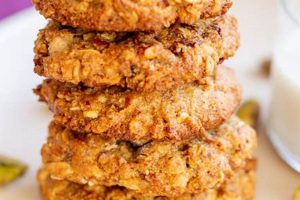
These baked goods represent a plant-based adaptation of a classic treat. Characterized by a rich, molasses-infused sweetness and a soft, chewy texture, they cater to individuals adhering to dietary restrictions that exclude animal products. For instance, traditional butter and eggs are often replaced with plant-derived alternatives like vegan butter substitutes and flaxseed meal or applesauce.
The significance of this type of confectionery lies in its accessibility. It allows those with vegan lifestyles, allergies to dairy or eggs, or a general preference for plant-based foods to enjoy a familiar comfort food. The history reflects a broader trend of culinary innovation driven by growing awareness of ethical and environmental concerns, alongside increasing demand for inclusive food options.
The following will delve into the various components and methods involved in crafting these palatable items, offering a guide for both seasoned bakers and those new to the world of vegan desserts. It will cover ingredient selection, baking techniques, and potential variations to achieve optimal results.
Tips for Excellent Vegan Brown Sugar Cookies
Achieving optimal results when preparing these baked items requires careful attention to detail. The following tips provide guidance on ingredient selection and baking techniques for achieving desired texture and flavor.
Tip 1: Use High-Quality Vegan Butter: The quality of the vegan butter directly impacts the cookies’ texture and flavor. Opt for brands known for their butter-like consistency and flavor profile. Softer vegan butters may require chilling the dough before baking to prevent excessive spreading.
Tip 2: Properly Measure Flour: Inaccurate flour measurement is a common cause of dry or dense cookies. Use the spoon and level method, gently spooning flour into a measuring cup and leveling it off with a straight edge. Weighing flour by grams provides even greater accuracy.
Tip 3: Chill the Dough: Chilling the dough for at least 30 minutes, or even overnight, allows the gluten to relax and the flavors to meld. This also helps prevent the cookies from spreading too thin during baking, resulting in a chewier texture.
Tip 4: Use Dark Brown Sugar: Dark brown sugar contains a higher molasses content than light brown sugar, contributing to a richer flavor and a more moist texture. Ensure the brown sugar is packed firmly when measuring.
Tip 5: Monitor Baking Time Carefully: Overbaking results in dry, crumbly cookies. Bake just until the edges are set and the centers are still slightly soft. The cookies will continue to set as they cool.
Tip 6: Allow Cookies to Cool on the Baking Sheet: After removing from the oven, allow the cookies to cool on the baking sheet for a few minutes before transferring them to a wire rack to cool completely. This prevents them from breaking apart while still soft.
Tip 7: Experiment with Extracts and Spices: Enhance the flavor profile by adding vanilla extract, almond extract, or spices like cinnamon, nutmeg, or cardamom. A pinch of sea salt can also enhance the sweetness and depth of flavor.
By implementing these techniques, bakers can consistently produce plant-based confectionery with superior taste and texture.
This guidance provides a foundation for successfully creating desirable baked goods, leading to the recipe’s next stage: understanding recipe customization.
1. Texture

Texture is a defining characteristic of baked goods, significantly influencing palatability and overall sensory experience. In the context of plant-based confectionery, achieving desirable textural qualities often requires strategic ingredient selection and precise baking techniques.
- Chewiness
Chewiness in plant-based baked goods relates to the dough’s moisture content and gluten development (or gluten-alternative development). Ingredients like brown sugar, molasses, and applesauce contribute to moisture retention, promoting a chewy interior. Chilling the dough before baking also allows for better moisture distribution and limits spread, enhancing the chewy quality. Underbaking the cookies slightly also aids in achieving a chewier center.
- Crispness
Crispness is generally associated with lower moisture content and higher sugar concentration at the edges. Achieving crisp edges in plant-based versions involves careful monitoring of baking time and temperature. The use of refined sugar alternatives that caramelize well can also contribute to a crispy exterior. However, maintaining a balance between crisp edges and a soft center is essential.
- Softness
Softness is achieved by retaining moisture and preventing excessive gluten (or gluten-alternative) development. Utilizing ingredients like vegan butter alternatives high in moisture, along with incorporating a small amount of acid (e.g., lemon juice), can help tenderize the dough. Avoiding overmixing is also crucial to prevent a tough texture. A slightly underbaked cookie will typically result in a softer final product.
- Spread
The control of cookie spread during baking significantly affects the final texture. Excessive spreading can result in thin, flat cookies that lack chewiness. Chilling the dough solidifies the vegan butter, slowing down the spread. Using a higher ratio of flour to fat also helps to minimize spread. The type of vegan butter utilized influences spread, as some brands contain more water than others.
These textural elements interact dynamically to create a comprehensive sensory experience. Achieving optimal texture requires a nuanced understanding of ingredient functionalities and their impact on the final product.
2. Sweetness

Sweetness is a primary attribute of baked goods, playing a critical role in sensory appeal and consumer satisfaction. In the specific context of plant-based confections featuring molasses, the source and intensity of this flavor are crucial to the final product’s success. The brown sugar component not only imparts sweetness but also contributes to the characteristic color and moisture content. Deviation from optimal sweetness levels can render the finished product either bland and unappealing or excessively sweet, masking other flavor nuances.
The intensity of sweetness in these baked goods is directly related to the type and quantity of brown sugar used. Dark brown sugar, containing a higher molasses content, yields a more pronounced and complex sweetness compared to light brown sugar. Alternative sweeteners, such as maple syrup or coconut sugar, can be employed, but their distinct flavor profiles will alter the overall taste. Therefore, understanding the impact of different sweetening agents is essential for achieving the desired outcome. For instance, a recipe calling for one cup of packed brown sugar might require adjustments in liquid or dry ingredients if substituting with a liquid sweetener like maple syrup to maintain the correct dough consistency.
Achieving balanced sweetness in the final product is fundamental to its appeal. Overly sweet baked goods can be cloying, while insufficient sweetness results in a less satisfying experience. The strategic use of complementary ingredients, such as a pinch of salt or a hint of spice (cinnamon, nutmeg), can enhance the perception of sweetness without increasing the sugar content. The challenge lies in calibrating sweetness levels to cater to consumer preferences while maintaining the integrity of the recipe. This involves careful consideration of ingredients and flavor pairings, ultimately ensuring that the final product delivers a pleasurable and well-rounded taste profile.
3. Ingredients
The selection and utilization of ingredients are paramount to the successful creation of plant-based variations of traditional confections. In the specific instance of such cookies, a thoughtful understanding of the functional properties of each component, as well as strategic substitutions, is necessary to replicate the desired texture, flavor, and overall sensory experience.
- Vegan Butter Alternatives
Vegan butter alternatives serve as a direct replacement for dairy butter, providing fat content necessary for tenderness and flavor. These alternatives, typically composed of plant-based oils (e.g., coconut oil, palm oil, shea butter), emulsifiers, and flavorings, can significantly impact the cookie’s texture. Some vegan butter alternatives have a higher water content, which can affect spread during baking. The choice of butter alternative should be carefully considered based on its fat content and melting point to ensure optimal cookie consistency.
- Brown Sugar
Brown sugar provides sweetness, moisture, and a distinctive molasses flavor. The varying levels of molasses in light versus dark brown sugar directly influence the cookie’s color, flavor intensity, and chewiness. The hygroscopic nature of brown sugar helps retain moisture, contributing to a softer texture. Packed measurement is essential to ensure consistent results. Improper packing can lead to variations in sweetness and moisture content, thus affecting the overall quality.
- Flour
Flour provides structure to the dough. All-purpose flour is commonly used, but alternative flours, such as whole wheat flour or gluten-free blends, can be employed to modify the texture or cater to dietary restrictions. The protein content of the flour influences gluten development, impacting the cookie’s chewiness and structure. Accurate measurement is critical, as excess flour can lead to dry, crumbly cookies, while insufficient flour results in excessive spreading. Substitution with gluten-free flours typically necessitates the addition of binding agents like xanthan gum to mimic gluten’s binding properties.
- Binding Agents
Traditional recipes rely on eggs to bind ingredients. In vegan formulations, flaxseed meal mixed with water (flax egg), applesauce, or mashed banana function as effective binding agents. These substitutes provide moisture and help hold the dough together. The choice of binding agent can subtly influence the cookie’s flavor and texture. Flax eggs contribute a slightly nutty flavor, while applesauce adds moisture and a hint of sweetness. The selection should be based on the desired flavor profile and textural characteristics.
The interplay between these ingredients dictates the success of the final product. Mastering the art of baking these plant-based treats requires a comprehensive understanding of the function of each component and how they interact. Furthermore, recipe modifications based on specific dietary needs or flavor preferences necessitate a sound knowledge of the role played by each ingredient.
4. Technique

The successful production of any baked good, including plant-based confections, hinges upon the application of proper baking methods. For these particular plant-based baked items, technique encompasses several critical aspects that influence the final product’s texture, flavor, and appearance. Skillful execution of each step is essential to achieving desirable results.
- Creaming Vegan Butter and Sugar
The initial creaming process, where vegan butter and sugar are combined, is crucial for incorporating air into the dough. This aeration contributes to a lighter, more tender cookie. Proper creaming involves using softened (but not melted) vegan butter and mixing until the mixture is light and fluffy. Insufficient creaming results in dense, less airy cookies. Over-creaming, particularly with certain vegan butter alternatives, can lead to excessive spreading during baking. For instance, using cold vegan butter will not allow for proper aeration, yielding a flatter, denser cookie. The ideal outcome is a pale, voluminous mixture.
- Mixing Dry and Wet Ingredients
The method of combining dry and wet ingredients significantly affects gluten (or gluten-alternative) development. Overmixing encourages gluten development, leading to a tougher cookie. Gentle mixing until just combined is recommended to maintain a tender crumb. The order of addition is also important; typically, dry ingredients are gradually added to wet ingredients to prevent overmixing. Examples of improper technique include adding all the flour at once, resulting in a dense dough that requires excessive mixing. The goal is a homogenous batter with minimal gluten development.
- Chilling the Dough
Chilling the dough before baking allows the vegan butter to solidify, which helps prevent excessive spreading during baking. Chilling also allows the flavors to meld and the dough to hydrate, resulting in a more flavorful and evenly textured cookie. Insufficient chilling results in thin, flat cookies, while excessive chilling can make the dough difficult to work with. The optimal chilling time varies depending on the recipe and the specific vegan butter alternative used, but generally ranges from 30 minutes to several hours. For example, doughs made with high-moisture vegan butters benefit from longer chilling periods.
- Baking Time and Temperature
Accurate baking time and temperature are critical for achieving the desired texture and color. Underbaking results in soft, doughy cookies, while overbaking leads to dry, crumbly cookies. Oven calibration is essential to ensure accurate temperature control. The cookies are typically baked until the edges are set and the centers are still slightly soft. Residual heat continues to cook the cookies after they are removed from the oven. An example is when baking at too high a temperature, the outside of the cookie burns before the inside is cooked, or baking at too low a temperature, the cookie will spread too thin.
In summary, the successful production of delectable plant-based baked goods relies heavily on precise execution of baking techniques. Each step, from creaming the butter to monitoring baking time, contributes to the final product’s quality. Attention to detail and an understanding of the underlying science are essential for consistently achieving optimal results with plant-based confectionery.
5. Substitutions

The adaptability of recipes for plant-based versions often necessitates alterations to traditional ingredients. Within the context of such plant-based baked items, substitutions are essential to eliminate animal-derived components while maintaining desirable textural and flavor profiles. Success depends upon understanding the functional roles of conventional ingredients and identifying plant-based alternatives that replicate those properties.
- Dairy Butter Replacement
Dairy butter contributes fat, moisture, and flavor. Plant-based butter alternatives, derived from oils such as coconut, palm, or olive, serve as direct substitutes. However, these alternatives may differ in fat content, water content, and melting point. These variations can affect the cookie’s spread, texture, and overall mouthfeel. For instance, alternatives with higher water content may lead to increased spreading during baking, resulting in thinner cookies. The choice of butter substitute should be made with consideration of these factors to achieve the desired outcome.
- Egg Replacement
Eggs function as binding agents, emulsifiers, and leaveners. Plant-based alternatives include flaxseed meal mixed with water (flax eggs), applesauce, mashed banana, or commercial egg replacers. Each option possesses unique characteristics. Flax eggs contribute a slightly nutty flavor and provide binding, while applesauce adds moisture and a hint of sweetness. Commercial egg replacers are formulated to mimic multiple functions of eggs. The selection of the appropriate egg substitute depends on the desired flavor profile and textural attributes of the cookie. Overuse of applesauce, for example, might lead to an excessively soft, cakey texture.
- Refined Sugar Alternatives
While granulated sugar is typically plant-derived, some individuals may prefer to use alternative sweeteners. Options include maple syrup, agave nectar, coconut sugar, or date sugar. These alternatives offer varying degrees of sweetness and distinct flavor profiles. Maple syrup and agave nectar are liquid sweeteners, necessitating adjustments to the liquid content of the recipe to maintain proper dough consistency. Coconut sugar and date sugar have a coarser texture and may impart a slightly different flavor. The impact on the cookie’s texture, color, and overall flavor should be considered when selecting a sugar substitute.
- Flavor Enhancements and Variations
Beyond core ingredient substitutions, flavor alterations can enhance the plant-based nature of the product. For example, adding a small amount of almond extract can impart a richer flavor that complements the molasses notes of brown sugar. Spices such as cinnamon, nutmeg, or cardamom can also be added to enhance complexity and depth. Experimentation with different flavor combinations allows for customization and the creation of unique versions of a classic treat. Vanilla extract is commonly used to round out the flavors and enhance the overall sweetness perception.
These substitutions are not merely replacements but rather opportunities to tailor the recipe to specific dietary requirements and flavor preferences. The successful application of substitutions requires an understanding of the functional properties of each ingredient and the potential impact on the final baked product. With careful consideration and experimentation, it is possible to create plant-based baked goods that are both delicious and satisfying.
6. Variations
The capacity to modify established recipes contributes significantly to culinary innovation and personalization. In the context of plant-based items, variations offer opportunities to tailor recipes to specific dietary needs, flavor preferences, and ingredient availability. Such adaptations extend beyond simple ingredient substitutions to encompass a spectrum of alterations impacting the final product’s characteristics.
- Spice Profile Adjustments
Altering the spice blend represents a straightforward method of diversifying the flavor profile. Traditional recipes may be augmented with additions such as cardamom, ginger, or cloves to impart warmth and complexity. Experimentation with varying quantities of cinnamon or nutmeg allows for fine-tuning the flavor intensity. For example, a dash of allspice can introduce subtle peppery notes, while a pinch of ground ginger provides a gentle warmth. These adjustments cater to individual preferences and can enhance the inherent molasses flavor.
- Inclusion of Add-Ins
The incorporation of supplementary ingredients provides textural and flavor contrasts. Common add-ins include chopped nuts (walnuts, pecans), dried fruits (raisins, cranberries), chocolate chips (dairy-free), or candied ginger. These inclusions contribute diverse sensory experiences and elevate the cookie beyond its base form. The quantity and type of add-in can be adjusted to achieve specific flavor and textural goals. For instance, adding chopped pecans provides a nutty crunch, while dairy-free chocolate chips contribute sweetness and richness.
- Flour Type Modifications
Substituting alternative flours offers opportunities to alter the texture and nutritional composition. Replacing all-purpose flour with whole wheat flour introduces a nuttier flavor and increases fiber content. Gluten-free flour blends cater to individuals with dietary restrictions, though may require adjustments to the liquid ratio to maintain proper dough consistency. The choice of flour impacts the cookie’s chewiness, crumb structure, and overall density. For example, almond flour can impart a delicate, slightly crumbly texture, while oat flour contributes a subtle sweetness and chewiness.
- Sweetener Variations
Employing alternative sweeteners introduces nuanced flavor characteristics. Substituting brown sugar with maple syrup, agave nectar, or coconut sugar not only modifies the sweetness intensity but also imparts distinct flavor notes. Maple syrup lends a caramel-like flavor, while coconut sugar introduces subtle tropical undertones. Adjustments to liquid content are necessary when using liquid sweeteners to maintain the desired dough consistency. These substitutions cater to diverse dietary preferences and contribute to the cookie’s unique flavor profile. For example, using date syrup results in a darker colored cookie with a rich, caramel-like sweetness.
In summation, the capacity to adapt recipes for these plant-based baked goods fosters creativity and inclusivity. By thoughtfully adjusting spice profiles, incorporating add-ins, modifying flour types, or employing alternative sweeteners, bakers can tailor recipes to meet specific needs and preferences. The end results are delicious, custom variations of a classic treat.
Frequently Asked Questions
The following addresses common inquiries regarding the creation and consumption of these plant-based treats, providing clarity on ingredients, techniques, and dietary considerations.
Question 1: Can standard recipes for this type of cookie simply have butter replaced with any vegan butter alternative?
No, a direct substitution may not yield optimal results. Vegan butter alternatives vary in fat and water content, impacting texture and spread. Selecting an alternative with a similar fat content to dairy butter is recommended.
Question 2: What binding agent is most effective in these plant-based cookies?
Flaxseed meal mixed with water (a “flax egg”) and applesauce are both effective. Flaxseed contributes a slightly nutty flavor, while applesauce adds moisture. The optimal choice depends on the desired flavor profile and texture.
Question 3: Do these cookies taste significantly different from traditional non-vegan versions?
While subtle differences may exist, a well-executed recipe closely mimics the flavor and texture of traditional versions. The quality of ingredients and proper baking techniques are critical in minimizing discernible differences.
Question 4: Are vegan brown sugar cookies inherently healthier than traditional versions?
Not necessarily. While they eliminate animal products, they may still contain high amounts of sugar and fat. The nutritional profile depends on the specific ingredients used.
Question 5: What is the best way to store these plant-based cookies to maintain freshness?
Store in an airtight container at room temperature for up to three days. Freezing is also an option for longer storage; thaw completely before consuming.
Question 6: Why do my plant-based cookies spread excessively during baking?
Excessive spreading can result from using a vegan butter alternative with high water content, insufficient chilling of the dough, or inaccurate flour measurement. Addressing these factors can mitigate spreading.
In summary, successful plant-based confectionery requires attention to ingredient selection and technique. Addressing these common questions provides a foundation for consistent results.
The following section will provide a summary of the article.
Conclusion
This exploration has detailed the intricacies of crafting desirable “vegan brown sugar cookies.” From ingredient selection and strategic substitutions to mastering baking techniques, the creation of these plant-based treats demands careful consideration. Variations in texture, sweetness, and flavor profiles can be achieved through conscious manipulation of the recipe and diligent execution of the baking process.
The information provided serves as a comprehensive guide for both novice and experienced bakers seeking to create satisfying plant-based alternatives to traditional confectionery. Understanding the principles outlined enables the creation of baked goods that cater to diverse dietary needs and preferences, expanding the accessibility of a beloved classic. Continuous refinement and experimentation are encouraged to further enhance the quality and appeal of “vegan brown sugar cookies”.
![The BEST Vegan Chocolate Mint Cookies Recipe [Easy!] | Discover Delicious Vegan Food, Beauty Swaps, and Zero-Waste Tips for a Greener Life](https://thisvegangirl.com/wp-content/uploads/2026/04/th-733-300x200.jpg "The BEST Vegan Chocolate Mint Cookies Recipe [Easy!] Discover Delicious Vegan Food, Beauty Swaps, and Zero-Waste Tips for a Greener Life")

![Best Cookie & Kate Vegan Chili Recipe [Easy!] | Discover Delicious Vegan Food, Beauty Swaps, and Zero-Waste Tips for a Greener Life](https://thisvegangirl.com/wp-content/uploads/2026/04/th-703-300x200.jpg "Best Cookie & Kate Vegan Chili Recipe [Easy!] Discover Delicious Vegan Food, Beauty Swaps, and Zero-Waste Tips for a Greener Life")