



A plant-based variation on a classic comfort food, this dish incorporates cauliflower as a key ingredient alongside macaroni pasta and a dairy-free cheese alternative. The cauliflower is often blended or processed to create a creamy sauce, contributing to the texture and nutritional profile of the dish. As an example, it might be prepared with nutritional yeast, cashews, and spices to mimic the taste and consistency of traditional cheese sauce.
This preparation offers several advantages, including increased vegetable consumption and reduced reliance on animal products. The inclusion of cauliflower adds fiber, vitamins, and minerals. Furthermore, by avoiding dairy, it accommodates individuals with lactose intolerance or those following a vegan lifestyle. The creation of this dish also reflects growing interest in healthier and more sustainable food choices, representing a shift towards plant-based diets.
The following sections will delve into specific recipes, nutritional considerations, and tips for achieving optimal flavor and texture in this alternative take on a beloved dish. Exploration of these aspects provides a comprehensive understanding of this particular culinary adaptation.
Tips for Enhanced Flavor and Texture
Achieving optimal flavor and texture in this dish requires careful consideration of ingredient selection and preparation techniques. These tips offer guidance for creating a satisfying and flavorful plant-based variation.
Tip 1: Cauliflower Preparation: Ensure cauliflower is thoroughly cooked before blending to achieve a smooth, creamy base. Steaming or boiling until fork-tender is recommended.
Tip 2: Nutritional Yeast: Incorporate nutritional yeast liberally to impart a cheesy flavor. Experiment with different brands and quantities to find the desired level of umami.
Tip 3: Cashew Cream: For added richness, cashew cream can be integrated into the sauce. Soak raw cashews in hot water for at least 30 minutes before blending until completely smooth.
Tip 4: Spice Enhancement: Enhance the flavor profile with spices such as garlic powder, onion powder, smoked paprika, and mustard powder. Adjust quantities according to personal preference.
Tip 5: Pasta Selection: Choose pasta shapes that effectively hold sauce, such as shells, cavatappi, or rotini. Consider using whole-wheat or gluten-free pasta for added nutritional value or dietary considerations.
Tip 6: Sauce Consistency: Adjust the sauce consistency by adding plant-based milk or broth until the desired thickness is achieved. Start with small amounts and gradually increase as needed.
Tip 7: Baking Option: For a baked variation, transfer the prepared dish to a baking dish, top with breadcrumbs or vegan cheese shreds, and bake until golden brown and bubbly.
Implementing these techniques helps elevate the culinary experience by improving both the taste and texture of this plant-based adaptation. Proper execution results in a more satisfying and enjoyable dish.
The subsequent sections will explore variations in recipes and address common challenges encountered when preparing this meal.
1. Creamy Texture

A smooth, velvety texture is a pivotal sensory attribute in this plant-based dish. The emulation of traditional macaroni and cheese hinges significantly on achieving a creamy consistency, compensating for the absence of dairy-based cheese.
- Cauliflower’s Role as a Base
Cooked cauliflower, when properly processed, forms the foundation for the creamy sauce. Its inherent mild flavor allows it to readily absorb other tastes, while its pureed form contributes significant body and smoothness to the dish. Insufficiently cooked cauliflower will result in a grainy texture, detracting from the overall sensory experience.
- Blending Techniques and Equipment
Achieving a truly creamy texture necessitates the use of high-powered blenders or food processors. The goal is to break down the cauliflower into a completely homogenous mixture, free of any lumps or visible pieces. Low-powered equipment may require longer processing times and may not achieve the desired level of smoothness.
- Addition of Plant-Based Liquids
Plant-based milks, vegetable broths, or even pasta water contribute to the final sauce consistency. These liquids aid in thinning the cauliflower puree and creating a pourable, cheese-like sauce. The type and amount of liquid used directly impact the creaminess; overuse will result in a watery sauce, while insufficient amounts can lead to an overly thick and pasty texture.
- Incorporation of Cashews or Other Creamy Ingredients
Soaked and blended cashews contribute significant richness and creaminess. Other ingredients like white beans or even silken tofu can also be used to enhance the texture. These additions introduce fats and proteins that mimic the mouthfeel of dairy, further elevating the sensory experience.
The strategic manipulation of these factors the cauliflower’s preparation, blending process, the inclusion of liquids, and the addition of creamy agents is essential in creating a satisfying, plant-based version. Without a sufficiently creamy texture, the resulting dish will fail to meet expectations associated with traditional macaroni and cheese, regardless of its flavor profile.
2. Nutritional Yeast

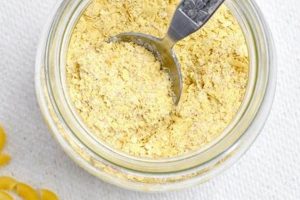
Nutritional yeast plays a critical role in vegan culinary applications, particularly in replicating the savory characteristics of cheese. Its presence is central to the formulation of plant-based alternatives, contributing significantly to the overall flavor profile.
- Flavor Profile Contribution
Nutritional yeast offers a unique umami flavor that mimics the taste of aged cheeses. This is due to its high concentration of glutamic acid, an amino acid responsible for the savory taste sensation. In this dish, it provides the cheesy element essential for satisfying the expectation set by traditional macaroni and cheese.
- Vitamin B Complex Source
Beyond flavor, nutritional yeast is a significant source of B vitamins, including B12 (often fortified). This is particularly relevant for individuals following vegan diets, as B12 is primarily found in animal products. The inclusion of nutritional yeast, therefore, provides both flavor and a crucial nutrient.
- Binding and Thickening Properties
While not its primary function, nutritional yeast can contribute slightly to the thickness of the cheese sauce. Its fine, powdery texture allows it to absorb moisture, aiding in binding the sauce ingredients together. This effect is subtle but contributes to the overall texture.
- Variations and Quality Considerations
Different brands of nutritional yeast vary in flavor intensity and texture. Experimentation with brands is advisable to find a product that aligns with personal preferences. Storage in an airtight container is also crucial to prevent degradation of flavor and nutrient content.
The strategic incorporation of nutritional yeast is essential for achieving a convincing cheese flavor. Its multifaceted role, encompassing flavor enhancement, nutritional fortification, and textural contribution, underscores its importance in creating a palatable vegan variant. Without its inclusion, the dish often lacks the depth and complexity necessary to emulate traditional macaroni and cheese effectively.
3. Cauliflower Base
The use of cauliflower as a base ingredient is central to the formulation of this plant-based adaptation. Its versatility allows for the creation of a creamy, cheese-like sauce while simultaneously increasing the nutritional value and reducing reliance on dairy products. Understanding the properties and preparation of the cauliflower base is critical to the successful execution.
- Nutritional Profile Modification
Replacing a portion, or all, of the traditional cheese sauce with a cauliflower puree significantly alters the nutritional composition. The dish benefits from the increased fiber, vitamins, and minerals present in cauliflower, while simultaneously reducing the fat and cholesterol content typically associated with cheese-based sauces. This modification aligns with dietary guidelines emphasizing increased vegetable consumption.
- Flavor Neutrality and Adaptability
Cauliflower possesses a relatively neutral flavor profile, enabling it to readily absorb and complement other flavors. This adaptability allows cooks to manipulate the final taste by incorporating ingredients such as nutritional yeast, garlic, onion, and various spices to mimic the savory characteristics of traditional cheese. The inherent mildness of cauliflower prevents it from overpowering other flavors, facilitating the creation of a balanced and palatable sauce.
- Textural Contribution
When properly cooked and processed, cauliflower creates a smooth and creamy texture that serves as the foundation for the sauce. Steaming or boiling the cauliflower until tender ensures that it blends easily into a homogenous mixture. The texture is a critical component in replicating the sensory experience of macaroni and cheese, offering a creamy mouthfeel that compensates for the absence of dairy.
- Accessibility and Cost-Effectiveness
Cauliflower is generally widely available and often more cost-effective than many vegan cheese alternatives. This accessibility makes this dish a viable option for individuals seeking plant-based meals on a budget. Furthermore, using cauliflower as the primary base reduces the reliance on specialized or expensive ingredients, making it a more practical choice for everyday cooking.
These considerations highlight the significant role of the cauliflower base in influencing the nutritional, sensory, and economic aspects of this plant-based dish. Its inherent properties allow for the creation of a healthful, flavorful, and accessible alternative, demonstrating the potential of vegetable-based ingredients in reimagining classic comfort foods.
4. Vegan Cheese
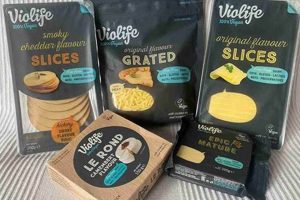
Vegan cheese serves as a critical component in replicating the familiar taste and texture of traditional macaroni and cheese within a plant-based context. Its inclusion directly addresses the absence of dairy-derived cheese, contributing to the overall success of this adaptation.
- Flavor Imitation
The primary role of vegan cheese is to simulate the savory and tangy flavor profile of dairy cheese. Different types of vegan cheeses, often made from ingredients such as cashews, soy, or tapioca, aim to replicate various cheese styles, from mild cheddar to sharp parmesan. In cauliflower macaroni and cheese, the specific type of vegan cheese selected influences the final taste, affecting its resemblance to traditional versions. For example, a smoked gouda-style vegan cheese can introduce a depth of flavor not present with a simple cheddar alternative.
- Textural Contribution
Beyond flavor, vegan cheese contributes to the texture of the dish. Certain vegan cheeses melt and stretch, mimicking the gooeyness associated with macaroni and cheese. Others offer a creamy, sauce-like consistency when heated. The textural properties are critical for creating a satisfying mouthfeel. Some recipes may combine different types of vegan cheese to achieve the desired balance of flavor and texture.
- Melting Behavior Considerations
The melting behavior of vegan cheese varies significantly across brands and formulations. Some vegan cheeses melt readily and evenly, while others may remain firm or separate when heated. Selecting a vegan cheese with appropriate melting characteristics is essential for achieving a cohesive and appealing sauce. Experimentation with different brands is often necessary to determine the best performer for this dish.
- Nutritional Profile Variations
Vegan cheeses exhibit diverse nutritional profiles, differing in fat content, protein content, and vitamin/mineral fortification. Some are high in saturated fat, while others are relatively low. The choice of vegan cheese can, therefore, impact the overall nutritional value of the dish. Consideration should be given to selecting a vegan cheese that aligns with dietary goals and restrictions.
The selection and utilization of vegan cheese are pivotal in shaping the sensory and nutritional characteristics of this version. While it aims to emulate dairy cheese, it also introduces a new set of considerations regarding melting behavior and nutritional composition. Successful integration is essential for achieving a palatable and satisfying result in this variation.
5. Macaroni Type

The selection of macaroni type is a crucial consideration in the preparation of this plant-based dish. The shape and texture of the pasta directly impact the sauce’s ability to adhere properly, influencing the overall eating experience. The chosen pasta should effectively capture and retain the vegan cheese sauce created with cauliflower.
- Surface Area and Sauce Adhesion
Pasta shapes with larger surface areas and crevices tend to hold the sauce more effectively. Shells, cavatappi, and rotini, for instance, possess intricate shapes that allow the sauce to cling, ensuring a flavorful bite. Conversely, smooth, straight pasta shapes like spaghetti offer minimal surface area for sauce adhesion, potentially leading to a less satisfying experience. The intended sauce consistency should inform the pasta choice; a thinner sauce may require a pasta with greater surface area.
- Structural Integrity and Texture
The pasta’s structural integrity contributes to the overall texture of the finished dish. Overcooked pasta becomes mushy and loses its ability to provide textural contrast with the creamy sauce. Selecting a pasta that maintains its shape and provides a slight resistance to the bite enhances the eating experience. Durum wheat pasta, known for its firm texture, is a suitable choice. Moreover, the size of the pasta can influence the balance between sauce and pasta; smaller shapes may be preferable for a sauce-heavy dish.
- Gluten-Free Considerations
For individuals with gluten sensitivities or those following a gluten-free diet, alternative pasta options are available. These include pasta made from rice, corn, quinoa, or a blend of gluten-free flours. The texture and cooking time of gluten-free pasta may differ from traditional wheat pasta, requiring adjustments to the cooking process. Some gluten-free pasta can become gummy if overcooked, necessitating careful monitoring during preparation.
- Nutritional Variations
Different types of macaroni pasta offer varying nutritional profiles. Whole-wheat pasta provides a higher fiber content compared to refined white pasta, contributing to a more nutritious meal. Fortified pasta may also contain added vitamins and minerals. Selecting a pasta type with enhanced nutritional value can improve the overall healthfulness of the dish.
The appropriate macaroni type enhances the sensory experience and nutritional profile of this dish. Consideration of surface area, structural integrity, gluten content, and nutritional variations ensures a balanced and satisfying plant-based meal. The final dish benefits from a thoughtful pairing of sauce consistency and pasta choice.
Frequently Asked Questions
The following addresses common inquiries regarding the preparation, nutritional value, and overall characteristics of this specific plant-based dish. Accurate information is provided to clarify any uncertainties.
Question 1: Is this dish nutritionally equivalent to traditional macaroni and cheese?
Nutritional equivalence is not guaranteed. The presence of cauliflower increases fiber and micronutrient content, while the absence of dairy alters the fat and protein profile. A direct comparison requires careful analysis of the specific ingredients used.
Question 2: How can the “cheesy” flavor be enhanced in a vegan preparation?
The enhancement of cheesy flavor primarily relies on the incorporation of nutritional yeast. Additional flavor complexity can be achieved through the use of smoked paprika, garlic powder, and onion powder.
Question 3: What are common issues during the preparation process?
Frequent issues include a grainy sauce texture due to insufficiently cooked cauliflower and a lack of flavor intensity. Proper cooking of the cauliflower and adequate seasoning are essential for addressing these problems.
Question 4: Can frozen cauliflower be used in this recipe?
While frozen cauliflower is acceptable, the texture may differ slightly compared to fresh cauliflower. Ensure the frozen cauliflower is thoroughly thawed and excess moisture is removed before blending.
Question 5: How long does this dish remain palatable after preparation?
When stored properly in an airtight container within a refrigerator, it generally remains palatable for 3-4 days. Reheating is recommended before consumption.
Question 6: Is there a method to prevent the pasta from becoming mushy during baking?
To prevent mushy pasta, ensure the pasta is cooked al dente before combining it with the sauce. Avoid overbaking the dish, and consider using a pasta shape designed to retain its structure during cooking.
This information should address basic concerns. Further research and experimentation are encouraged for a deeper understanding.
The subsequent sections will explore various recipe adaptations and alternative approaches to preparing this distinct culinary creation.
Concluding Remarks on Cauliflower Macaroni and Cheese Vegan
This exploration has detailed the core components and preparation techniques central to the formulation of the dish. The significance of each element, including the cauliflower base, the use of nutritional yeast, and the selection of vegan cheese and macaroni type, has been thoroughly examined. The nutritional implications and common challenges associated with its creation have also been addressed, providing a comprehensive overview.
The presented information serves as a foundation for further culinary exploration and informed dietary choices. Continued refinement of techniques and ingredient selection will undoubtedly lead to enhanced variations of the dish, solidifying its position within the evolving landscape of plant-based cuisine. Further research into optimizing the nutritional profile of this particular variation remains a worthwhile endeavor.
![Daniel Fast: Best Vegan Cheese Options [Guide] | Discover Delicious Vegan Food, Beauty Swaps, and Zero-Waste Tips for a Greener Life](https://thisvegangirl.com/wp-content/uploads/2026/05/th-298-300x200.jpg "Daniel Fast: Best Vegan Cheese Options [Guide] Discover Delicious Vegan Food, Beauty Swaps, and Zero-Waste Tips for a Greener Life")