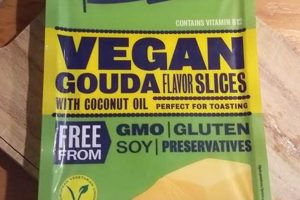
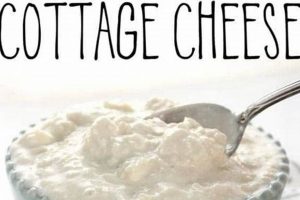
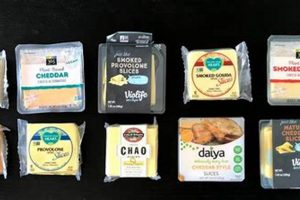
This dairy-free spread replicates the taste and texture of traditional cream cheese using a base of soybean curd. Typically, the soybean curd is blended with ingredients such as plant-based oils, lemon juice or other acids, salt, and potentially flavorings to achieve a creamy and tangy profile. It serves as a substitute for those avoiding dairy for dietary, ethical, or health-related reasons.
The appeal stems from its versatility and nutritional profile. It provides a source of plant-based protein and can be lower in saturated fat and cholesterol than conventional cream cheese. Its development reflects a growing demand for plant-based alternatives and caters to individuals seeking cruelty-free and environmentally conscious food choices. The origins trace back to the broader movement of vegan and vegetarian culinary innovation.
Subsequent sections will delve into recipes utilizing this product, explore its nutritional composition in greater detail, examine its various applications in cooking and baking, and compare different commercially available options.
Guidance on Utilizing Tofu-Based Dairy-Free Cream Cheese
The following recommendations aim to optimize the use of soybean curd-based alternatives to traditional cream cheese in culinary applications.
Tip 1: Texture Optimization: Prior to use, drain the soybean curd thoroughly. Pressing the soybean curd removes excess moisture, resulting in a smoother and less watery final product.
Tip 2: Flavor Enhancement: Incorporate acidic elements such as lemon juice or apple cider vinegar judiciously. These acids emulate the tanginess characteristic of conventional cream cheese and balance the flavor profile.
Tip 3: Blending Technique: Employ a high-speed blender or food processor to achieve a uniform consistency. Ensure all ingredients are fully incorporated for a seamless texture.
Tip 4: Sweet Applications: When using in desserts, consider adding natural sweeteners like maple syrup or agave nectar. Adjust the amount to complement other flavors and achieve desired sweetness.
Tip 5: Savory Applications: For savory applications, explore incorporating herbs, spices, and garlic powder. These additions enhance the flavor profile and complement various dishes.
Tip 6: Temperature Considerations: Allow the spread to chill in the refrigerator for at least one hour before serving. Chilling enhances the texture and allows the flavors to meld.
Tip 7: Stabilizing for Baking: When using in baked goods, consider adding a small amount of cornstarch or tapioca starch. This helps to stabilize the product and prevent it from becoming overly soft during baking.
Implementing these suggestions will contribute to improved flavor, texture, and overall culinary outcomes when employing soybean curd-based alternatives to traditional cream cheese.
The subsequent section will offer a comparison of commercially available brands, providing insights into ingredient variations and flavor profiles.
1. Texture Variability

The texture of soybean curd-based cream cheese replacements exhibits considerable variation across different brands and preparation methods. This variability is a direct result of factors such as the type of soybean curd used (e.g., silken, firm), the processing techniques employed (e.g., blending, fermentation), and the specific ingredients added to modify the consistency (e.g., gums, starches, oils). An inadequate understanding of these factors can lead to inconsistent results in culinary applications. For example, a brand using predominantly silken soybean curd without sufficient thickening agents may produce a final product that is excessively soft and prone to separation, rendering it unsuitable for applications requiring a firm texture, such as frosting a cake.
The significance of controlling texture lies in its impact on the overall sensory experience and functionality. A smooth, creamy texture is generally desirable for direct consumption, such as spreading on bagels or crackers. However, for baking applications, a firmer texture that can withstand heat without liquefying is often preferred. Some manufacturers address this variability by offering different formulations tailored to specific uses; one product line might be optimized for spreading, while another is designed for baking. The selection of appropriate equipment, like high-speed blenders, and techniques like pre-pressing the tofu, will also heavily influence the resulting texture.
In summary, the texture of soybean curd-based alternatives to cream cheese is a critical parameter directly influencing its appeal and usability. The variability observed is attributable to multiple factors within the manufacturing process. Successfully managing these factors is essential for achieving a consistent, high-quality product that meets the diverse demands of consumers and culinary professionals. Recognizing texture difference between different brands are so important.
2. Ingredient Composition

The formulation of soybean curd-based cream cheese analogs constitutes a critical determinant of its final characteristics, influencing flavor, texture, stability, and nutritional profile. Soybean curd serves as the foundational element, contributing protein and a mild base flavor. However, soybean curd alone is insufficient to replicate the qualities of traditional dairy cream cheese. Consequently, a variety of additional ingredients are incorporated to achieve the desired attributes. These commonly include plant-based oils (e.g., coconut oil, canola oil) to provide richness and mouthfeel, thickeners (e.g., tapioca starch, carrageenan, gums) to create a creamy texture, acids (e.g., lactic acid, citric acid, lemon juice) to impart tanginess, and flavorings (e.g., salt, garlic powder, herbs) to enhance palatability. The specific proportions and types of these ingredients significantly impact the final product. For example, an excess of coconut oil may result in an overly firm texture upon refrigeration, while insufficient acid may lead to a bland or uncharacteristic flavor.
Furthermore, the choice of ingredients directly affects the nutritional value of the alternative. Products incorporating refined oils and starches may be higher in saturated fat and carbohydrates, while those utilizing whole-food ingredients like cashews or sunflower seeds can offer a more favorable nutrient profile. From a food safety perspective, ingredient selection and processing techniques must adhere to stringent standards to prevent microbial contamination and ensure product stability throughout its shelf life. This entails careful sourcing of raw materials, proper pasteurization or sterilization procedures, and the inclusion of preservatives (e.g., potassium sorbate) where necessary.
In summary, ingredient composition is a paramount consideration in the development of acceptable soybean curd-based cream cheese substitutions. Balancing the functional properties of each component is essential to mimicking the sensory attributes of dairy cream cheese and achieving consumer satisfaction. Future innovations in this area will likely focus on optimizing ingredient combinations to improve nutritional profiles, enhance flavor complexity, and extend shelf life, all while maintaining cost-effectiveness and adhering to rigorous safety standards. The precise selection has direct implications to the taste, health benefits and cost.
3. Flavor Profiles

Flavor profiles represent a critical aspect of soybean curd-based cream cheese alternatives, directly influencing consumer acceptance and culinary versatility. These profiles are not inherent to the soybean curd itself but are meticulously crafted through the incorporation of supplementary ingredients and processing techniques.
- Acidic Notes
The introduction of acidic elements, such as lactic acid, citric acid, or lemon juice, serves to replicate the characteristic tanginess of traditional dairy cream cheese. The concentration and type of acid employed significantly impact the perceived sourness and overall balance of the product. An insufficient quantity results in a bland taste, while an excess can create an unpleasantly sharp or sour sensation. The skilled modulation of acidity is vital to achieving a palatable and authentic flavor profile.
- Umami Enhancement
Umami, often described as a savory or “meaty” taste, can be subtly incorporated to enrich the complexity of the flavor profile. This is typically achieved through the addition of ingredients like nutritional yeast, miso paste, or certain vegetable extracts. Umami notes can enhance the overall depth of flavor, making the alternative more satisfying and appealing, particularly in savory applications such as dips and spreads.
- Aromatic Infusion
The infusion of aromatic herbs and spices plays a crucial role in shaping the flavor profile. Garlic powder, onion powder, chives, dill, and other herbs are frequently used to create savory variations. These additions not only contribute to the overall flavor but also offer opportunities for customization and differentiation. The selection and combination of aromatics should be carefully considered to complement the base flavor of the soybean curd and other ingredients.
- Sweetness Modulation
While often used in savory applications, the controlled introduction of sweetness can enhance the overall palatability of soybean curd-based cream cheese alternatives. Natural sweeteners like maple syrup or agave nectar can be used sparingly to balance acidity and enhance the overall flavor complexity. The level of sweetness should be carefully calibrated to avoid overpowering the other flavor components.
The successful manipulation of these four flavor facetsacidity, umami, aromatics, and sweetnessis essential to creating commercially viable and palatable soybean curd-based cream cheese alternatives. Mastery in flavor composition and modulation leads to enhanced consumer experiences.
4. Nutritional Attributes

The nutritional profile of soybean curd-based cream cheese alternatives is a critical consideration for consumers seeking plant-based options. Understanding the specific nutrient composition is essential for making informed dietary choices and assessing the suitability of these products within a balanced eating plan.
- Macronutrient Composition
Soybean curd contributes protein and fat to these alternatives. The protein content can be significant, offering a valuable source for individuals following vegan or vegetarian diets. Fat content varies depending on the added plant-based oils, with some products containing higher levels of saturated fat (e.g., from coconut oil) than others. Carbohydrate content is typically low, but added sugars may be present in flavored varieties. The balance of these macronutrients influences the overall caloric density and impact on blood sugar levels.
- Micronutrient Content
Soybean curd naturally contains certain micronutrients, including iron and calcium. Some manufacturers fortify their products with additional vitamins and minerals, such as vitamin B12 and vitamin D, to enhance their nutritional value. These additions are particularly beneficial for individuals who may be deficient in these nutrients due to dietary restrictions. The presence and levels of micronutrients are essential for supporting overall health and well-being.
- Fatty Acid Profile
The type of plant-based oils used in soybean curd-based cream cheese alternatives significantly impacts the fatty acid composition. Products containing coconut oil are higher in saturated fats, while those using canola or sunflower oil may offer a more favorable ratio of unsaturated fats. The ratio of saturated to unsaturated fats is a key factor in determining the potential impact on cardiovascular health. Consumers should carefully examine the ingredient list to assess the fatty acid profile.
- Fiber Content
Unlike traditional dairy cream cheese, soybean curd-based alternatives can contain dietary fiber, particularly if they include ingredients like nuts or seeds. Fiber contributes to satiety, promotes digestive health, and can help regulate blood sugar levels. The inclusion of fiber is a beneficial attribute for individuals seeking to improve their dietary intake of this essential nutrient. Fiber inclusion in soybean curd-based alternatives are a definite heath benefit.
In summary, the nutritional attributes of soybean curd-based cream cheese analogs vary considerably depending on the formulation and ingredients used. Evaluating the macronutrient composition, micronutrient content, fatty acid profile, and fiber content is essential for making informed choices. Consumers should carefully review product labels and consider their individual dietary needs and preferences when selecting these alternatives. The soybean curd-based alternatives offers a different nutrient makeup from traditional cream cheese.
5. Culinary Versatility

The capacity of soybean curd-based cream cheese alternatives to integrate into diverse culinary applications defines a primary attribute of their market viability. This versatility stems from the neutral flavor profile of soybean curd, which acts as a blank canvas, readily accepting flavors and textures through the addition of other ingredients and modifications. The consequences of this adaptability are far-reaching, allowing these products to serve as replacements for dairy cream cheese in both sweet and savory contexts.
Practical examples of its culinary adaptability span across multiple categories. In baking, it can be substituted in cheesecakes, frostings, and other desserts. Its behavior in these applications necessitates adjustments to recipes, such as reducing liquid content or increasing stabilizing agents, to compensate for differences in moisture and fat content compared to conventional cream cheese. In savory applications, it functions as a base for dips, spreads, and sauces, readily incorporating herbs, spices, and vegetables. Its smooth texture lends itself well to creating creamy textures without the use of dairy products. The implications of this are significant for individuals with dietary restrictions or ethical preferences, as it expands the range of palatable options available to them.
The inherent challenge lies in achieving identical results to dairy-based recipes, as the chemical and physical properties of soybean curd differ substantially. However, ongoing advancements in ingredient technology and processing techniques are continually refining the performance of these alternatives. The practical significance of understanding the versatility of soybean curd-based alternatives is that it enables chefs and home cooks to develop innovative and inclusive recipes, broadening the appeal of plant-based cuisine. Its culinary range will expand the demand for these products.
Frequently Asked Questions
The following section addresses common inquiries regarding soybean curd-based cream cheese alternatives, offering factual and comprehensive answers.
Question 1: What are the primary ingredients in soybean curd-based cream cheese alternatives?
The core component is soybean curd, typically combined with plant-based oils (e.g., coconut, canola), thickening agents (e.g., tapioca starch, gums), acids (e.g., lactic, citric), and flavorings (e.g., salt, herbs).
Question 2: How does the nutritional profile of soybean curd-based cream cheese compare to traditional dairy cream cheese?
Generally, soybean curd-based alternatives are lower in saturated fat and cholesterol. Protein content varies, but they often contain comparable or higher amounts. They may be fortified with vitamins and minerals.
Question 3: Can soybean curd-based cream cheese be used in baking applications?
Yes, it can be used in baking, but recipe adjustments may be necessary. Reducing liquid content and adding stabilizing agents (e.g., cornstarch) can improve results.
Question 4: How should soybean curd-based cream cheese be stored?
It should be stored in the refrigerator in an airtight container. Shelf life varies, but typically ranges from one to two weeks after opening. Always refer to the manufacturer’s instructions.
Question 5: Are there variations in the texture of commercially available soybean curd-based cream cheeses?
Yes, texture varies significantly. Some brands are smoother and creamier, while others may be slightly grainy. This is influenced by the type of soybean curd and processing methods used.
Question 6: Can homemade soybean curd-based cream cheese be made?
Yes, it can be made at home using soybean curd, plant-based oils, acids, and flavorings. Recipes are widely available online, allowing for customization of ingredients and flavor profiles.
Key takeaways from these FAQs include the variability in ingredients and nutritional profiles, the adaptability for baking with modifications, and the importance of proper storage. Consumers should review product labels and experiment with recipes to find options that best suit their needs.
The subsequent section will provide guidance on troubleshooting common issues encountered when working with soybean curd-based cream cheese alternatives.
Conclusion
The preceding discussion has elucidated the multifaceted nature of vegan tofu cream cheese, encompassing its ingredient composition, nutritional attributes, flavor profiles, culinary versatility, and common points of inquiry. The investigation has revealed a product category characterized by significant variability, necessitating careful consideration of specific brands and formulations to achieve desired outcomes in various applications.
Continued innovation in ingredient technology and processing techniques holds the potential to further refine the sensory attributes and nutritional profile of vegan tofu cream cheese, solidifying its position as a viable and increasingly appealing alternative to traditional dairy cream cheese. Ongoing research and development are essential to addressing existing limitations and optimizing its performance across a wider range of culinary uses. The future of plant-based alternatives is promising.