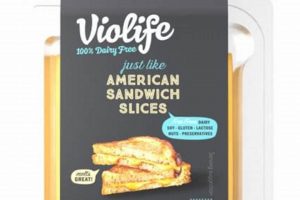
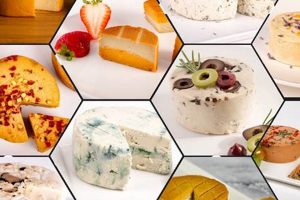
Plant-based alternatives to traditional dairy cheese slices are designed to replicate the taste, texture, and melting properties of their animal-derived counterparts. These products are typically formulated using ingredients such as modified food starch, coconut oil, tapioca starch, and various plant-based proteins. They serve as a convenient option for individuals seeking to avoid animal products for dietary, ethical, or environmental reasons, offering a versatile ingredient for sandwiches, grilled items, and other culinary applications.
The increasing demand for dairy-free options has propelled the development of these products. Their availability addresses a growing consumer base that includes vegans, vegetarians, and individuals with lactose intolerance. Furthermore, these offerings present a lower environmental impact in terms of resource utilization compared to conventional dairy farming. Historically, early iterations of vegan cheese faced challenges in replicating the sensory characteristics of dairy cheese, but ongoing innovation has led to significant improvements in taste, texture, and functionality.
The subsequent sections will examine key criteria for evaluating these products, including ingredient profiles, nutritional considerations, and melting behavior. Further discussion will cover top-rated brands and provide guidance on selecting suitable options for specific dietary requirements and culinary applications.
Selecting Plant-Based Cheese Alternatives
This section provides guidance on choosing suitable plant-based cheese alternatives, focusing on key factors to consider during the selection process.
Tip 1: Ingredient Analysis: Carefully examine the ingredient list, prioritizing options with recognizable and minimal processed components. Note the type of plant-based source (e.g., cashew, coconut, soy) and the presence of any potential allergens.
Tip 2: Nutritional Profile Assessment: Compare nutritional information across different brands. Pay attention to fat content (particularly saturated fat), sodium levels, protein content, and the presence of added sugars. Opt for options that align with individual dietary needs and preferences.
Tip 3: Melting Behavior Evaluation: Assess the product’s melting properties if intended for cooked applications. Look for descriptions or reviews that detail the melting consistency, whether it becomes smooth and creamy or remains firm and oily.
Tip 4: Taste and Texture Considerations: Taste preferences are subjective. Explore different brands and varieties to identify options that closely mimic the desired flavor and texture of traditional dairy cheese. Read reviews and consider sampling products before purchasing in bulk.
Tip 5: Intended Use Consideration: Select a product that aligns with its intended culinary application. Some plant-based cheese alternatives are better suited for cold applications, while others excel in grilled or baked dishes. Read product descriptions or reviews to determine suitability.
Tip 6: Certifications and Labels Verification: Look for certifications such as “vegan,” “organic,” or “non-GMO” to ensure the product meets specific ethical or quality standards. Verify the authenticity of these labels by researching the certifying organization.
Careful consideration of these factors allows for the selection of a plant-based cheese alternative that meets individual needs and preferences, while also aligning with dietary goals and ethical considerations.
The subsequent conclusion will summarize the key points discussed in this article and offer final recommendations.
1. Melting Characteristics

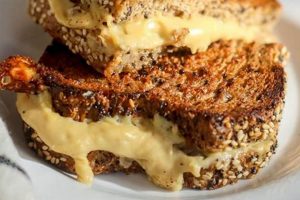
Melting characteristics are a critical attribute in evaluating plant-based cheese slice alternatives, significantly impacting their culinary applications and overall consumer satisfaction. The ability of these slices to mimic the melt of traditional dairy cheese is a key determinant in their suitability for use in grilled sandwiches, pizzas, and other cooked dishes.
- Melting Point and Temperature Sensitivity
The temperature at which a plant-based cheese slice begins to melt, as well as its sensitivity to temperature fluctuations, influences its performance in various cooking scenarios. A slice with a lower melting point may melt too quickly and become greasy, while one with a high melting point may not melt adequately, resulting in a firm, unappealing texture. Formulations must achieve a balance to provide optimal melt without excessive oil separation.
- Melt Consistency and Texture
The consistency and texture of the melted product are crucial. The most desirable outcome is a smooth, creamy, and uniform melt, similar to that of dairy cheese. In contrast, some plant-based slices may melt unevenly, resulting in a grainy or stringy texture. The presence of emulsifiers and stabilizers in the ingredient list often plays a crucial role in achieving a consistent melt.
- Oil Separation and Appearance
One common challenge in plant-based cheese slice formulations is oil separation during melting. This occurs when the fats and oils within the product separate from the other ingredients, resulting in a greasy appearance and undesirable texture. The choice of fats and oils, as well as the processing methods employed, can significantly influence the extent of oil separation.
- Stretch and Elasticity
For certain applications, such as pizza toppings, the ability of a cheese slice to stretch and exhibit elasticity when melted is highly desirable. This characteristic is often difficult to replicate in plant-based formulations. Some manufacturers utilize specific starches and gums to improve the stretch and elasticity of their products, but achieving a comparable level to dairy cheese remains a challenge.
The interplay of these melting characteristics profoundly affects the consumer’s perception and satisfaction with plant-based cheese slices. Optimizing these factors through careful ingredient selection and processing techniques is essential for creating alternatives that can effectively replace dairy cheese in a wide range of culinary applications. Continued research and development in this area are driving improvements in the melting performance of plant-based cheese slices.
2. Ingredient Composition

The composition of ingredients profoundly impacts the quality and suitability of plant-based cheese slices. The selection and proportion of components determine the product’s texture, flavor, melting behavior, and nutritional profile, ultimately influencing its competitiveness as a dairy-free alternative. For instance, products relying heavily on refined coconut oil for fat content, without adequate protein or fiber, may exhibit an undesirable greasy texture and limited nutritional value. Conversely, formulations utilizing a blend of plant-based oils, starches, and proteins, such as cashews, tapioca, and pea protein, can yield a more balanced sensory experience and improved nutritional characteristics.
A primary driver of ingredient choice is the desired sensory outcome. Manufacturers often combine starches (tapioca, potato) for structure, plant-based oils (coconut, sunflower) for fat content and mouthfeel, and protein sources (soy, nuts, seeds) to contribute to texture and flavor. Additives, such as modified food starch, carrageenan, or xanthan gum, frequently serve as emulsifiers or stabilizers to improve meltability and prevent separation. Some formulations incorporate nutritional yeast or fermented ingredients to replicate the umami notes found in aged dairy cheeses. Products with a higher concentration of natural or minimally processed ingredients often correlate with higher consumer ratings, reflecting a preference for clean-label alternatives. For example, a cashew-based slice that uses only cashews, water, sea salt, and cultures, with no added gums or starches, can provide a creamy texture and authentic flavor that is highly desirable.
Understanding the impact of ingredient composition is crucial for both manufacturers and consumers. Manufacturers can optimize formulations to achieve desired sensory and nutritional targets, while consumers can make informed choices based on their dietary needs and preferences. Challenges remain in replicating the complex flavor and texture profiles of traditional dairy cheese without relying on excessive processing or artificial additives. However, ongoing innovation in plant-based ingredient technology continues to improve the quality and appeal of vegan cheese slices, broadening their acceptance among a wider consumer base. This detailed insight allows for discernment in selecting a product which fits one’s parameters for plant-based alternatives.
3. Flavor Profile

The flavor profile is a pivotal determinant in evaluating plant-based cheese slices, directly impacting consumer acceptance and perceived quality. Replicating the complex and nuanced flavors of traditional dairy cheese presents a significant challenge in vegan cheese production, necessitating a careful selection of ingredients and processing techniques.
- Base Ingredient Influence
The base ingredientsuch as cashews, almonds, soy, or coconut oilexerts a primary influence on the final flavor. Cashew-based cheeses often exhibit a creamy, mild profile, while soy-based varieties may possess a more neutral or slightly beany flavor. The selection of the base should complement the desired flavor profile of the cheese slice. For instance, coconut oil, while providing a desirable texture, can impart a distinct coconut flavor that may not be suitable for all cheese types.
- Fermentation and Culturing
Fermentation and culturing techniques are crucial in developing complex flavor notes. Introducing specific bacterial cultures, as done in traditional cheesemaking, can yield tangy, sharp, or nutty flavors. These processes generate lactic acid and other volatile compounds that contribute to the characteristic flavor profiles of various cheese types. The duration and conditions of fermentation significantly influence the final flavor intensity and complexity.
- Flavor Additives and Enhancers
Flavor additives and enhancers are frequently used to augment or modify the base flavor. Nutritional yeast, for example, is commonly added to impart a savory, umami-like flavor, mimicking the taste of aged cheeses. Other additives, such as lactic acid, vinegar, or fruit juices, can introduce tartness or acidity. Smoked paprika or onion powder may be incorporated to create smoky or savory variations.
- Balancing Sweetness, Saltiness, and Acidity
Achieving a harmonious balance of sweetness, saltiness, and acidity is essential for a palatable flavor profile. An excess of salt can overwhelm other flavors, while insufficient salt can result in a bland taste. Acidity, often derived from lactic acid or other acidulants, contributes to the characteristic tang of cheese. Sweetness, typically subtle, can enhance the overall flavor complexity and balance out tart or salty notes. Achieving the correct equilibrium is crucial for the overall sensory appeal of the cheese slice.
The interplay of these factors determines the success of replicating the desirable flavors of dairy cheese in plant-based alternatives. The best plant-based cheese slices demonstrate a careful consideration of base ingredients, fermentation processes, flavor additives, and flavor balance, resulting in a product that closely mimics the taste experience of traditional cheese.
4. Nutritional Value

The nutritional value of plant-based cheese slices is a primary consideration for health-conscious consumers seeking dairy-free alternatives. While these slices aim to replicate the sensory attributes of traditional cheese, their nutrient profiles often differ significantly, presenting both potential benefits and drawbacks. The selection of ingredients, such as coconut oil, cashews, or soy protein, directly impacts the fat content, protein levels, and micronutrient composition of the final product. For example, some coconut oil-based cheese slices may be high in saturated fat but low in protein, whereas those formulated with soy or pea protein may offer a more balanced macronutrient profile. The presence of added vitamins and minerals, such as vitamin B12 or calcium, can enhance the nutritional value of these slices, addressing potential deficiencies in a vegan diet. Therefore, the nutritional content constitutes an essential component in evaluating the merit of these alternatives.
Understanding the nutritional characteristics of plant-based cheese slices is practically significant for managing dietary intake and making informed food choices. Individuals with specific health conditions, such as heart disease or diabetes, must carefully consider the fat content and glycemic impact of these products. Those seeking to increase their protein intake may opt for slices fortified with plant-based proteins. Furthermore, the presence of allergens, such as soy or nuts, necessitates careful label reading for individuals with sensitivities. Real-world examples include athletes using protein-rich vegan cheese slices as part of a post-workout recovery meal, or individuals with lactose intolerance incorporating calcium-fortified slices into their diets to maintain bone health. Comparative analysis of different brands and formulations allows consumers to optimize their nutrient intake while adhering to dietary preferences. The fortification of these items allows a new avenue of nutritional intake for individuals or groups who previously could not gain the benefits from dairy.
In summary, the nutritional value of plant-based cheese slices is inextricably linked to their overall desirability and healthfulness. While these products can offer a convenient and palatable alternative to dairy cheese, consumers must critically assess their nutritional profiles, considering factors such as macronutrient composition, micronutrient content, and the presence of potential allergens. Challenges remain in replicating the comprehensive nutritional benefits of dairy cheese in plant-based formulations, but ongoing innovation and fortification efforts continue to improve the nutritional landscape. This heightened focus allows for a higher quality and greater appeal to a diverse set of consumers.
5. Texture Replication

The degree to which a plant-based cheese slice successfully mimics the texture of its dairy counterpart is a critical factor determining its market acceptance and perceived quality. Texture replication, encompassing attributes like firmness, elasticity, meltability, and mouthfeel, profoundly influences the consumer’s sensory experience. Inadequate texture replication can lead to negative perceptions, even if the flavor profile is adequately mimicked. For example, a slice that crumbles instead of melting smoothly on a grilled sandwich would be considered inferior, irrespective of its taste. The achievement of optimal texture requires a careful selection and processing of ingredients, including starches, proteins, and fats, as these components interact to determine the overall rheological properties of the final product. Therefore, texture and how it is perceived is directly correlated with the potential success for these alternatives.
Achieving satisfactory texture replication in plant-based cheese slices necessitates addressing several technical challenges. Emulating the protein matrix structure of dairy cheese, which provides its characteristic firmness and meltability, requires innovative approaches. Manufacturers employ various techniques, such as enzymatic modification of plant proteins or the incorporation of hydrocolloids, to mimic this structure. Furthermore, the melting behavior of plant-based fats, such as coconut oil, often differs significantly from that of dairy fats, necessitating the use of emulsifiers and stabilizers to prevent oil separation and achieve a smooth, creamy melt. Practical applications of this understanding include the development of specialized formulations tailored to specific culinary applications. A pizza topping, for instance, would require a different texture profile than a slice intended for cold sandwiches, reflecting the need for customization based on the intended use. Each slice should have a particular target and purpose.
In conclusion, the accurate replication of dairy cheese texture is a paramount objective in the development of plant-based alternatives. While achieving a perfect mimicry presents ongoing challenges, advancements in ingredient technology and processing techniques continue to improve the texture profiles of vegan cheese slices. Future research should focus on further elucidating the relationship between ingredient composition, processing parameters, and textural properties, ultimately leading to plant-based cheese slices that closely resemble the sensory experience of traditional dairy cheese. Continued innovation in the field will likely lead to increased consumer acceptance and broader market penetration. This heightened focus will likely expand into other dietary restrictions.
Frequently Asked Questions
The following addresses common inquiries regarding plant-based cheese slice alternatives. The information presented aims to provide clarity on aspects such as ingredients, nutritional content, and usage.
Question 1: What are the primary ingredients typically found in plant-based cheese slice alternatives?
Common ingredients include modified food starch, coconut oil, tapioca starch, plant-based proteins (e.g., soy, pea, or nut-based), nutritional yeast, and various gums or stabilizers.
Question 2: Are plant-based cheese slice alternatives nutritionally equivalent to dairy cheese slices?
The nutritional profiles differ. Plant-based alternatives may have lower saturated fat content but may also lack certain vitamins and minerals found in dairy cheese unless fortified. Specific nutritional information should be verified by examining product labels.
Question 3: How do plant-based cheese slice alternatives melt compared to dairy cheese slices?
Melting characteristics vary. Some formulations melt smoothly, while others may exhibit oil separation or a grainy texture. Product reviews and descriptions often provide insights into melting behavior.
Question 4: Do all plant-based cheese slice alternatives taste the same?
Flavor profiles differ widely depending on the base ingredients and flavorings used. Some aim to replicate specific dairy cheese flavors, while others offer unique taste profiles.
Question 5: Are plant-based cheese slice alternatives suitable for individuals with allergies?
Allergens such as soy, nuts, or coconut may be present. Ingredient labels should be carefully reviewed by individuals with known allergies.
Question 6: Can plant-based cheese slice alternatives be used in the same culinary applications as dairy cheese slices?
They can be used in many similar applications, such as sandwiches, grilled items, and pizzas. However, the suitability for specific dishes may depend on the product’s melting behavior and flavor profile.
These answers offer a concise overview of frequently asked questions. Further research and product-specific information are encouraged for comprehensive understanding.
The conclusion will summarize key takeaways and offer a final perspective on the evaluation of plant-based cheese slice alternatives.
Conclusion
This exploration of “best vegan cheese slices” has emphasized the critical factors influencing their quality and consumer acceptance. These include ingredient composition, nutritional profiles, melting characteristics, flavor profiles, and texture replication. A comprehensive assessment of these attributes is essential for discerning the superior plant-based options available and ensuring they meet individual dietary needs and culinary requirements.
As the demand for dairy-free alternatives continues to grow, ongoing innovation in ingredient technology and processing techniques is paramount. A commitment to transparency in labeling and a focus on improving the nutritional value of these products will further enhance their appeal and solidify their role as viable alternatives to traditional dairy cheese. Further research is necessary for the market to continue to develop in quality and diversity.