A plant-based alternative replicates the sharp, salty, and savory characteristics traditionally associated with a hard, Italian grating cheese. This non-dairy option aims to provide a similar flavor profile and texture using ingredients derived from plant sources, enabling individuals adhering to vegan diets to enjoy dishes that typically call for the dairy-based original. It can be found in shredded, grated, or block form, intended for culinary applications such as topping pasta dishes, salads, or incorporating into sauces and baked goods.
The increasing prevalence of plant-based diets and growing awareness of the environmental and ethical considerations related to animal agriculture have fueled the demand for alternatives to conventional dairy products. This type of product allows individuals to maintain dietary preferences without sacrificing familiar flavors and textures. Its development reflects a broader trend towards innovative food technologies designed to cater to diverse consumer needs and promote sustainable food systems. The availability of these options expands culinary possibilities for vegan and vegetarian consumers.
This article will further explore the production methods, nutritional profiles, and culinary applications of this dairy-free cheese alternative. Subsequent sections will also compare and contrast various brands, highlighting their unique characteristics and suitability for different recipes.
Tips for Using Vegan Romano Cheese
Achieving optimal results when using this plant-based alternative requires careful consideration. The following tips will enhance the flavor and texture of dishes incorporating this ingredient.
Tip 1: Select a High-Quality Product: The flavor and texture can vary significantly between brands. Researching reviews and trying different brands is recommended to identify a product that aligns with individual taste preferences.
Tip 2: Consider Fat Content in Recipes: Unlike traditional Romano, some vegan versions may have a lower fat content. This can impact melting and browning characteristics. Adding a small amount of olive oil or other plant-based fat to the recipe can compensate for this difference.
Tip 3: Adjust Seasoning Accordingly: This type of product can sometimes be less salty than its dairy counterpart. Tasting and adjusting the overall seasoning of a dish is crucial to achieving a balanced flavor profile.
Tip 4: Use a Microplane Grater: Finely grating using a microplane grater enhances its distribution and meltability, especially in dishes where a smooth texture is desired, such as sauces or gratins.
Tip 5: Add at the End of Cooking: To preserve its flavor and prevent it from becoming rubbery, add it towards the end of the cooking process, allowing it to melt gently without prolonged exposure to high heat.
Tip 6: Pair with Complementary Flavors: This food item pairs well with robust flavors such as garlic, herbs (rosemary, thyme), and sun-dried tomatoes. Incorporating these ingredients can elevate the overall taste experience.
Implementing these strategies will ensure that this product integrates seamlessly into recipes, providing a savory, umami-rich flavor that complements a wide range of dishes.
The following sections will delve into specific recipe applications and brand comparisons to further illustrate the versatility of this plant-based cheese alternative.
1. Ingredients

The composition of ingredients critically defines the quality and characteristics of a plant-based alternative to traditional Romano cheese. The specific components employed dictate the final products flavor, texture, nutritional profile, and overall suitability as a culinary substitute. A common base consists of nuts such as cashews, almonds, or macadamia nuts, which provide the necessary fat content and contribute to a creamy texture. Nutritional yeast is often added to impart a savory, umami flavor, mimicking the sharp taste of aged dairy cheese. Other frequent additions include tapioca flour or arrowroot powder to enhance binding and melting properties, as well as lactic acid or citric acid to introduce a tangy flavor note. The omission or substitution of any of these core ingredients will demonstrably alter the characteristics of the final product, affecting its acceptability to consumers.
For example, products that rely heavily on coconut oil for their fat content may possess a distinct coconut flavor that detracts from the desired Romano taste. Conversely, alternatives that utilize a blend of nut-based fats and refined vegetable oils can more closely approximate the mouthfeel of dairy-based cheese. The inclusion of specific stabilizers and preservatives also influences shelf life and texture stability over time. Manufacturers must carefully balance these components to achieve a product that not only replicates the sensory attributes of Romano cheese but also meets consumer expectations regarding health and environmental considerations.
In summary, the ingredients used in a plant-based Romano cheese alternative are fundamental to its success as a substitute. Selecting the right combination of nuts, flavor enhancers, and texturizing agents is crucial for creating a product that is both palatable and functional. Understanding the role of each component allows consumers to make informed choices and enables manufacturers to refine their formulations for optimal results. Future research should focus on innovative ingredient combinations to further enhance the taste and nutritional profile of these products.
2. Production Methods

The process by which plant-based alternatives to traditional Romano cheese are manufactured significantly dictates their final characteristics. Production methods directly influence texture, flavor development, and overall resemblance to their dairy-based counterpart. Different approaches yield distinct outcomes, affecting consumer acceptance and culinary applications. For example, some manufacturers employ fermentation processes, utilizing cultures to develop complex flavor profiles and mimic the sharpness associated with aged Romano. This method often involves culturing a base of nuts, such as cashews or almonds, with specific strains of bacteria to generate lactic acid, contributing to the tangy taste and firm texture. Alternatively, some producers opt for a blending approach, combining ingredients like nutritional yeast, tapioca starch, and plant-based fats to simulate the desired flavor and texture. This method is generally faster and less complex than fermentation but may require careful balancing of ingredients to achieve a palatable result.
The selection of specific production techniques also impacts the nutritional profile and shelf life of the final product. Fermentation, for instance, can enhance the bioavailability of certain nutrients and contribute to improved digestibility. Conversely, blending methods may necessitate the inclusion of stabilizers and preservatives to extend shelf life and prevent undesirable changes in texture or flavor over time. The choice of processing equipment and packaging materials further influences the environmental impact and overall cost of production. For instance, utilizing energy-efficient equipment and sustainable packaging materials can reduce the carbon footprint and appeal to environmentally conscious consumers. Understanding these nuances is critical for both manufacturers aiming to optimize their production processes and consumers seeking to make informed purchasing decisions.
In conclusion, production methods represent a critical determinant of the quality and characteristics of plant-based Romano cheese alternatives. Whether through fermentation, blending, or other techniques, the chosen approach directly shapes the product’s flavor, texture, nutritional value, and environmental impact. As consumer demand for plant-based options continues to grow, ongoing innovation in production methods will be essential to create alternatives that closely replicate the sensory experience of traditional Romano while aligning with evolving consumer preferences and sustainability goals. Further research is warranted to explore novel processing techniques and optimize existing methods for enhanced flavor development and improved nutritional profiles.
3. Flavor Profile

The flavor profile of plant-based Romano cheese alternatives is a critical determinant of their success in replicating the taste experience of traditional dairy Romano. The desired flavor characteristics, including sharpness, saltiness, and umami notes, are achieved through a combination of ingredients and production techniques. The careful selection and proportioning of these components are essential for creating a product that satisfies consumer expectations. If the flavor profile deviates significantly from the established standard, acceptance among consumers familiar with traditional Romano may be limited. For example, if the plant-based version lacks sufficient saltiness or tanginess, it may be perceived as bland or lacking depth. Therefore, manufacturers must prioritize flavor development to create a convincing substitute.
Specific ingredients play pivotal roles in shaping the overall flavor. Nutritional yeast, for instance, contributes a savory, umami flavor that is often associated with aged cheese. Lactic acid or other acidic agents provide the characteristic tanginess. Salt is obviously crucial for enhancing the overall flavor and replicating the salty notes of Romano. The balance of these elements, along with the underlying flavor base of nuts or other plant-based ingredients, determines the final flavor profile. Adjustments to these components can fine-tune the product’s flavor to match consumer preferences. Furthermore, different production techniques, such as fermentation, can generate additional flavor compounds that enhance complexity and authenticity.
In conclusion, the flavor profile is an indispensable component of plant-based Romano cheese alternatives. It directly influences consumer perception and the product’s ability to function as a suitable substitute in culinary applications. Achieving a flavor profile that closely mimics traditional Romano requires careful attention to ingredients, production methods, and sensory evaluation. Challenges remain in perfectly replicating the full complexity of dairy-based Romano, but ongoing innovation in ingredient selection and processing techniques continues to improve the flavor profiles of these plant-based alternatives.
4. Texture Qualities

The tactile properties significantly impact the consumer experience of dairy-free Romano cheese alternatives. Replicating the texture of the traditional product is a key challenge for manufacturers, as it influences both the sensory perception and the functionality of the substitute in various culinary applications. This section details the specific textural attributes and the factors affecting them.
- Crumbliness
Traditional Romano cheese exhibits a characteristic crumbliness, a quality derived from its aging and low moisture content. Vegan alternatives strive to replicate this trait through careful control of ingredient ratios and processing techniques. Achieving the correct level of crumbliness ensures that the product breaks apart appropriately when grated or crumbled, contributing to the overall mouthfeel. A lack of crumbliness may result in a product that is too dense or gummy, deviating from the expected texture.
- Grittiness
The absence of grittiness is a desirable quality in this context. Ideally, this plant-based alternative should possess a smooth, uniform texture without any perceptible granular particles. Grittiness can arise from the incomplete processing of certain ingredients, such as nuts or starches. Manufacturers employ fine-grinding techniques and careful ingredient selection to minimize the presence of any gritty texture, ensuring a pleasant mouthfeel and enhancing the overall sensory experience.
- Mouthfeel
Mouthfeel encompasses the overall tactile sensation in the mouth, including smoothness, creaminess, and firmness. Replicating the mouthfeel of traditional Romano cheese in plant-based versions requires a nuanced understanding of ingredient interactions and processing parameters. For instance, the inclusion of specific plant-based fats and starches can contribute to a smoother, creamier mouthfeel, while careful control of moisture content and pressing techniques can influence firmness. Achieving a balanced mouthfeel is crucial for creating a product that closely mimics the sensory attributes of the dairy-based original.
- Shreddability/Gratability
A functional aspect of texture is the ability to be easily shredded or grated. Traditional Romano cheese is known for its capacity to be finely grated, making it ideal for topping pasta dishes and salads. Plant-based alternatives must possess a similar level of shreddability and gratability to be considered a suitable substitute. This property depends on the firmness and cohesiveness of the product, which are in turn influenced by ingredient composition and processing techniques. The ease with which the product can be shredded or grated directly impacts its usability and appeal to consumers.
These textural qualities are essential for the success of any dairy-free Romano cheese alternative. By carefully controlling crumbliness, eliminating grittiness, optimizing mouthfeel, and ensuring shreddability/gratability, manufacturers can create products that closely replicate the sensory experience of traditional Romano, satisfying consumer expectations and expanding the appeal of plant-based options.
5. Culinary Applications

The integration of a plant-based alternative into various recipes is a crucial measure of its success as a substitute for traditional dairy Romano. Its versatility and ability to replicate the desired flavor and texture in diverse dishes determines its acceptance by consumers and culinary professionals.
- Pasta Dishes
A primary application involves grating it over pasta dishes. Plant-based Romano seeks to deliver the characteristic salty, sharp flavor to complement sauces such as marinara, pesto, or Alfredo. The ability to melt slightly under heat and coat the pasta evenly is also essential. Some preparations require it to be incorporated directly into the sauce, necessitating a product that blends smoothly without altering the sauce’s overall consistency.
- Salads
Sprinkling it over salads presents another common use case. Here, the texture and flavor of the plant-based Romano should contribute to the overall sensory experience. It needs to retain its shape and not become soggy when mixed with salad dressings. The flavor should complement the other ingredients, providing a savory counterpoint to fresh vegetables and other toppings.
- Baked Goods
The inclusion in baked goods, such as breads, crackers, or savory pastries, demands specific characteristics. It should withstand the baking process without melting completely or losing its flavor. The plant-based version needs to contribute to the overall texture, adding a slight crispness or chewiness. Its flavor should enhance the other ingredients, providing a savory accent without overpowering the dish.
- Soups and Sauces
Incorporating it into soups and sauces requires it to melt smoothly and blend evenly without clumping or separating. The flavor should integrate harmoniously with the other ingredients, adding depth and richness without becoming overpowering. Its presence should enhance the overall texture and flavor profile of the soup or sauce.
These applications exemplify the diverse culinary uses of this food item and highlight the importance of replicating its flavor and texture. Its suitability across these applications directly influences its market viability and consumer satisfaction. As plant-based alternatives continue to evolve, their performance in these culinary contexts will remain a critical measure of their success.
6. Nutritional Value
The nutritional composition of plant-based alternatives to dairy Romano cheese constitutes a significant consideration for consumers. Understanding the specific nutrient profiles allows for informed dietary choices, particularly for individuals adhering to vegan diets or those with specific health concerns. The following details outline key nutritional aspects relevant to these cheese substitutes.
- Macronutrient Composition
The balance of macronutrients, including protein, carbohydrates, and fats, directly impacts the overall nutritional quality. Plant-based Romano alternatives often exhibit varying macronutrient profiles compared to traditional dairy Romano. Specifically, they may contain lower levels of saturated fat and cholesterol, while potentially offering higher amounts of fiber, depending on the ingredients used. For example, a cashew-based cheese alternative will naturally have a higher fat content, primarily unsaturated, whereas a soy-based product might offer a higher protein concentration. The absence of animal-derived cholesterol is a notable difference.
- Vitamin and Mineral Content
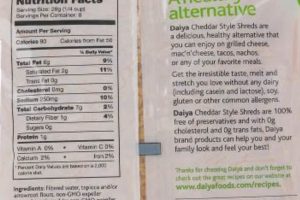
Dairy Romano provides certain vitamins and minerals, such as calcium and vitamin B12. Plant-based alternatives may not naturally contain these nutrients at comparable levels. Consequently, many manufacturers fortify their products to enhance their nutritional value. For instance, calcium fortification is common to mimic the calcium content of dairy cheese. Vitamin B12, which is typically absent in plant-based foods, may also be added. Checking the product label for specific vitamin and mineral fortification is essential for consumers seeking to meet their nutritional requirements.
- Sodium Levels
Both traditional dairy Romano and plant-based alternatives tend to be relatively high in sodium. Sodium is often added to enhance flavor and mimic the saltiness of aged cheese. However, excessive sodium intake can be detrimental to health, particularly for individuals with hypertension or other cardiovascular conditions. Comparing the sodium content across different brands and selecting options with lower sodium levels is advisable. Reading product labels carefully and considering serving sizes are crucial steps in managing sodium intake.
- Presence of Allergens
Plant-based Romano alternatives may contain common allergens, such as nuts (cashews, almonds) or soy. Individuals with allergies to these ingredients must exercise caution and carefully review product labels before consumption. Manufacturers are typically required to declare the presence of common allergens on their packaging. Cross-contamination during manufacturing is also a potential concern for individuals with severe allergies. Selecting products from manufacturers with robust allergen control measures is recommended.
In summary, the nutritional value of plant-based Romano cheese alternatives varies depending on the ingredients and manufacturing processes employed. Paying attention to the macronutrient composition, vitamin and mineral content, sodium levels, and potential allergens is essential for making informed dietary choices. Comparing product labels and consulting with a registered dietitian can further assist in optimizing the nutritional benefits of these alternatives within a balanced diet.
7. Brand Variations
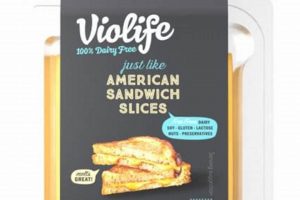
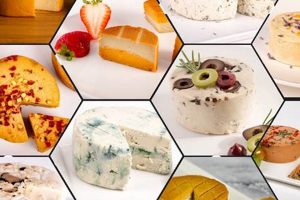
The availability of plant-based Romano cheese alternatives exhibits significant diversity across various brands, resulting in considerable variations in ingredients, production methods, flavor profiles, textures, and nutritional composition. These brand-specific differences profoundly impact the consumer experience and the culinary applicability of each product. The brand variations are not merely cosmetic; they represent fundamental differences in how manufacturers approach the challenge of replicating a traditionally dairy-based product using plant-derived sources. For instance, one brand might utilize a cashew-based fermentation process to achieve a sharp, tangy flavor, while another relies on a blend of nutritional yeast, tapioca starch, and vegetable oils to simulate the desired taste and texture. These contrasting approaches yield products with distinctly different characteristics.
The significance of brand variations becomes apparent when considering practical culinary applications. A plant-based Romano alternative designed for grating over pasta, for example, necessitates a firm texture and a flavor profile that complements Italian sauces. Conversely, a product intended for melting in soups or sauces requires a smoother consistency and a flavor that integrates seamlessly with other ingredients. Brand-specific formulations often cater to these diverse culinary needs. Furthermore, nutritional considerations play a pivotal role in brand differentiation. Some brands prioritize lower sodium content, while others focus on calcium or vitamin B12 fortification. Consequently, consumers must carefully evaluate brand variations to select a product that aligns with their specific dietary requirements and culinary preferences.
In summary, brand variations are an intrinsic aspect of the plant-based Romano cheese market, driven by differing ingredient choices, production techniques, and nutritional focuses. The discerning consumer must appreciate these variations to make informed purchasing decisions, ensuring that the selected product effectively meets their culinary and dietary needs. The evolving landscape of plant-based cheese alternatives suggests that brand innovations and refinements will continue to shape the market, offering an ever-widening array of options with distinct characteristics and benefits.
Frequently Asked Questions about Vegan Romano Cheese
This section addresses common inquiries and misconceptions regarding plant-based alternatives to traditional dairy Romano cheese. The aim is to provide clear, concise, and factual information to assist consumers in making informed decisions.
Question 1: What are the primary ingredients typically found in a plant-based Romano alternative?
Common ingredients include nuts (such as cashews, almonds, or macadamia nuts), nutritional yeast, tapioca flour, plant-based oils (e.g., coconut oil, olive oil), lactic acid, and salt. The specific composition varies depending on the brand and desired characteristics of the product.
Question 2: How does the flavor profile of a vegan Romano cheese compare to traditional dairy Romano?
Plant-based versions seek to replicate the sharp, salty, and umami notes of dairy Romano. However, the exact flavor can differ based on the ingredients and production methods used. Some alternatives may be less intense or possess a slightly different flavor profile due to the absence of animal-derived fats and proteins.
Question 3: Is plant-based Romano cheese suitable for individuals with nut allergies?
Many plant-based Romano alternatives contain nuts, such as cashews or almonds. Individuals with nut allergies should carefully review the ingredient list to ensure the product is safe for consumption. Alternatives based on other ingredients, such as soy or seeds, may be available, but cross-contamination is always a potential concern.
Question 4: What is the typical shelf life of a vegan Romano cheese alternative?
The shelf life varies depending on the product and storage conditions. Generally, plant-based versions may have a shorter shelf life than traditional dairy Romano due to the absence of certain preservatives and the potential for spoilage of plant-based fats. Refer to the product packaging for specific storage instructions and expiration dates.
Question 5: Can plant-based Romano cheese be used in the same culinary applications as traditional dairy Romano?
In most cases, yes. Plant-based alternatives are generally suitable for grating over pasta, sprinkling on salads, incorporating into sauces, and using in baked goods. However, adjustments to recipes may be necessary due to differences in melting behavior and flavor intensity. Experimentation is encouraged to optimize results.
Question 6: Are plant-based Romano cheese alternatives typically fortified with vitamins or minerals?
Some manufacturers fortify their products with vitamins and minerals, such as calcium and vitamin B12, to enhance their nutritional value and mimic the nutrient profile of dairy cheese. Always check the product label to determine if the product has been fortified and to assess the levels of added nutrients.
These answers provide a fundamental understanding of the nature and properties of plant-based Romano cheese alternatives. Further research and experimentation can enhance familiarity with specific brands and their optimal uses.
The following section will present a comparative analysis of commercially available brands, offering detailed insights into their unique characteristics.
Conclusion
This exploration of plant-based Romano cheese alternatives has illuminated the diverse approaches employed to replicate a traditionally dairy-based product. Key aspects, including ingredient composition, production methods, flavor profiles, and nutritional considerations, demonstrate the complexities inherent in creating a viable substitute. The availability of various brands, each with unique characteristics, underscores the ongoing development and refinement within this market sector. Successfully navigating this landscape requires a discerning approach, considering both culinary applications and individual dietary needs.
The continued evolution of plant-based cheese options suggests a growing significance in the future of food. Consumer awareness and informed purchasing decisions are paramount to driving innovation and ensuring the availability of high-quality, nutritious alternatives. Further research into novel ingredients and production techniques will undoubtedly shape the future of plant-based cheeses, pushing the boundaries of flavor and functionality.