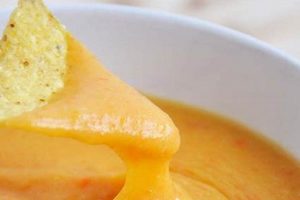
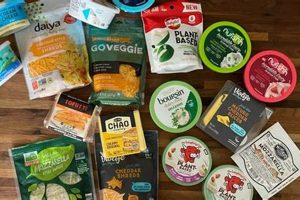
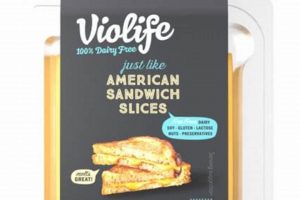
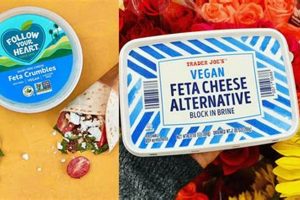
Plant-based cheese alternatives designed to melt and pull apart like traditional dairy cheese are available. These products often utilize ingredients such as modified food starch, coconut oil, and tapioca starch to achieve a similar texture and melting behavior to their dairy counterparts. A common application includes topping pizzas or incorporating it into baked pasta dishes.
The development of these dairy-free options addresses a growing consumer demand for vegan and vegetarian products, as well as options for individuals with lactose intolerance or dairy allergies. The rise in popularity reflects increasing awareness of dietary choices and their impact on health and the environment. Historically, producing a satisfactory melting and shredding vegan cheese alternative has been a significant challenge in food science.
The subsequent sections will delve into specific aspects of these products, including the ingredients commonly employed, the manufacturing processes involved, and a comparative analysis of nutritional profiles compared to conventional dairy cheese. Furthermore, the article will examine various applications in culinary settings and discuss consumer acceptance and market trends.
Tips for Working with Plant-Based Shredded Cheese Alternatives
Achieving optimal results when using plant-based shredded cheese alternatives requires an understanding of their unique properties compared to traditional dairy cheese. The following tips outline best practices for handling and incorporating these products into various recipes.
Tip 1: Temper the Product: Allow the product to reach room temperature for approximately 15-20 minutes before use. This encourages more even melting and reduces the likelihood of clumping.
Tip 2: Avoid Overheating: Due to the composition of many plant-based cheese alternatives, excessive heat can lead to a rubbery or oily texture. Monitor cooking temperatures carefully and adjust cooking times accordingly.
Tip 3: Consider Moisture Content: Some plant-based cheese alternatives have a higher moisture content than traditional dairy cheese. When using in enclosed dishes like lasagna, consider slightly reducing the amount of other liquid ingredients to prevent a watery final product.
Tip 4: Pre-bake Pizza Crusts: When using on pizza, pre-baking the crust for a short period can prevent a soggy base. Add the cheese alternative during the final few minutes of baking for optimal melting without overcooking.
Tip 5: Pair with Complementary Flavors: Plant-based cheese alternatives may have a different flavor profile than traditional dairy cheese. Consider pairing them with ingredients that complement their specific taste, such as smoked paprika, garlic powder, or nutritional yeast, to enhance the overall flavor.
Tip 6: Storage is Crucial: Due to the ingredients used, proper storage is essential to maintain quality and prevent spoilage. Always reseal the packaging tightly and store in the refrigerator, adhering to the manufacturer’s recommendations.
These tips aim to optimize the use of plant-based shredded cheese alternatives, ensuring a palatable and texturally pleasing outcome in diverse culinary applications. Understanding these nuances allows for the successful integration of these products into both vegan and non-vegan diets.
The subsequent sections will delve into specific recipes and applications, providing further guidance on utilizing plant-based cheese alternatives effectively.
1. Ingredients

The textural and functional properties of plant-based cheese alternatives, particularly their ability to be shredded, are directly contingent upon the specific ingredients employed in their formulation. Modified food starches, for example, contribute to the binding and structure necessary for maintaining the shredded form. Oils, such as refined coconut oil or shea oil, provide the fat content that facilitates melting. A balanced ratio of these components is crucial; insufficient starch results in crumbling, while excessive oil can lead to an undesirable greasy texture. Real-world examples include products using tapioca starch to provide stretch and those utilizing pea protein to improve browning.
Furthermore, the selection of specific thickeners, such as carrageenan or xanthan gum, influences the product’s firmness and shreddability. These hydrocolloids create a network within the cheese matrix, contributing to its overall structure and resistance to deformation during processing and handling. The choice of flavoring agents, including nutritional yeast or fermented plant extracts, impacts the overall taste profile, which must complement the intended application of the cheese. For example, a mozzarella-style analogue requires a mild flavor, while a cheddar-style benefits from a sharper, more pronounced taste.
In summary, the ingredients act as the foundation for plant-based cheese alternatives, determining their physical and sensory attributes. The meticulous selection and proportioning of these components are essential for achieving the desired shreddability and melting characteristics, aligning with consumer expectations and culinary requirements. One potential challenge in ingredient selection is balancing functionality with nutritional considerations, as some texturizing agents may not offer significant nutritional benefits. The successful development of plant-based shredded cheese relies on a comprehensive understanding of these interconnected factors.
2. Melting Properties

The melting properties of plant-based shredded cheese alternatives are intrinsically linked to their usability and consumer acceptance. Unlike traditional dairy cheese, which melts due to the breakdown of its protein structure and the liquefaction of its fat content, these analogues rely on the behavior of their constituent vegetable oils and hydrocolloids. Insufficient melting or uneven melting can render a product unappetizing and unsuitable for intended applications. For instance, a plant-based mozzarella that fails to melt properly on a pizza will not provide the desired texture or mouthfeel, leading to negative consumer perception. The ability to achieve a smooth, even melt is thus a critical factor in the successful formulation of these products.
Achieving optimal melting requires careful consideration of the ingredients and processing techniques. High-quality refined coconut oil, for example, possesses a narrow melting point range, contributing to a uniform melt. Modified food starches play a crucial role in preventing excessive oil separation during heating, ensuring a cohesive molten mass. Furthermore, the particle size distribution of the shredded product influences its melting behavior; finer shreds tend to melt more quickly and evenly than coarser shreds. Practical examples include the use of modified tapioca starch to enhance the stretch and melt of vegan pizzas, and the incorporation of sodium citrate as an emulsifier to improve the texture of melted vegan cheese sauces. The impact of these ingredients is significant; they directly determine the final product’s sensory characteristics and overall quality.
In summary, the melting properties are a key determinant of the performance and acceptability of plant-based shredded cheese alternatives. While challenges remain in replicating the complex melting behavior of dairy cheese, advancements in food science and ingredient technology are continually improving the functionality of these products. A thorough understanding of the interplay between ingredients and processing parameters is essential for producing vegan cheese alternatives that meet the demands of consumers and culinary professionals. Overcoming these challenges, by mastering the melting behaviors, helps integrate these products into vegan and non-vegan diets.
3. Texture

Texture is a paramount attribute of plant-based shredded cheese alternatives, directly influencing consumer satisfaction and the product’s suitability for various culinary applications. Replicating the textural properties of dairy-based shredded cheese presents a significant challenge, requiring careful manipulation of ingredients and processing techniques.
- Moisture Content
The level of moisture within the product matrix significantly impacts its shreddability and melting characteristics. Excess moisture can result in a sticky, clumpy product that does not shred cleanly, while insufficient moisture can lead to a dry, crumbly texture. Maintaining an optimal moisture balance is crucial for achieving the desired shred size and shape retention. The moisture impacts its uses, affecting results in dishes like pizza or gratins.
- Fat Content and Type
The type and quantity of fat used in the formulation contribute to the product’s overall pliability and mouthfeel. Refined coconut oil is frequently employed due to its solid state at room temperature and relatively low melting point, mimicking the behavior of dairy fats. However, the absence of saturated fatty acids with longer chain length in many plant-based oils necessitates the addition of texturizing agents to provide structure and prevent excessive oil separation during melting. Altering the fat profile changes the melting characteristics and texture during consumption.
- Starch Selection and Modification
Starches, particularly modified food starches, play a critical role in providing the necessary binding and structural integrity for shredding. Different types of starches impart varying degrees of firmness, elasticity, and resistance to deformation. Modified tapioca starch is often used for its ability to create a stringy, stretchy texture when melted, while potato starch can contribute to a softer, more pliable consistency. The correct starch selection is vital for creating the desired textural results.
- Protein Network Formation
Some formulations incorporate plant-based proteins, such as soy protein or pea protein, to enhance the product’s structural properties and improve its browning behavior during cooking. The formation of a protein network contributes to the overall firmness and chewiness of the cheese analogue. However, excessive protein can result in a rubbery texture, requiring careful optimization of the protein content and processing parameters. In the context of texture, the protein network plays a substantial role.
These factors collectively determine the textural profile of plant-based shredded cheese alternatives. Achieving a balance between these elements is essential for producing a product that is both functional in culinary applications and appealing to consumers seeking a dairy-free option. The continuous innovation in ingredient technology and processing techniques is steadily improving the textural attributes of these products, bringing them closer to the sensory experience of traditional dairy cheese.
4. Flavor profile

The flavor profile of plant-based shredded cheese alternatives is a crucial determinant of their market acceptance and culinary versatility. The inherent absence of dairy-derived flavors necessitates the implementation of strategies to develop palatable and authentic-tasting products. The foundation for these flavors frequently relies on ingredients such as nutritional yeast, which imparts a savory, umami-rich note; fermented plant extracts, designed to mimic the tangy characteristics of aged cheeses; and carefully selected combinations of herbs and spices. An inadequate flavor profile can lead to consumer dissatisfaction, regardless of the product’s textural or melting properties. For example, a plant-based cheddar that lacks the sharpness associated with traditional cheddar cheese is unlikely to appeal to consumers seeking a direct substitute. The flavor profile dictates the dishes and applications the products can be integrated into.
Addressing the flavor challenge involves a multifaceted approach. Precise control over fermentation processes, when employed, is essential for producing consistent and desirable flavor compounds. The selection of specific strains of microorganisms and the optimization of fermentation parameters can significantly impact the final taste. Furthermore, the application of flavor masking agents may be necessary to mitigate undesirable off-flavors originating from base ingredients, such as certain plant-based oils or proteins. Ingredient sourcing is another important consideration. For example, the type of nutritional yeast used can vary significantly in flavor intensity and complexity, impacting the overall taste profile. The success of imitation dairy products is strongly correlated with the quality and accuracy of their taste, which is obtained through scientific testing and evaluation.
In summary, the flavor profile is an indispensable component of plant-based shredded cheese alternatives. Its development requires careful selection of ingredients, precise control over processing techniques, and a thorough understanding of consumer preferences. While replicating the nuanced flavors of dairy cheese presents ongoing challenges, advancements in flavor technology and ingredient innovation are continually improving the taste and versatility of these products. Overcoming the challenges present in achieving a delicious flavor helps consumers maintain their lifestyles without sacrifice.
5. Applications
The range of applications for plant-based shredded cheese alternatives is a primary driver of their market presence and continued development. Without versatile applications, the inherent value of even a perfectly textured and flavored cheese analogue diminishes significantly. These applications span both home cooking and commercial food service, directly impacting the product’s viability as a dairy replacement. The success of plant-based shredded cheese hinges on its ability to perform adequately in a variety of culinary contexts, mirroring the uses of traditional dairy cheese. Real-world examples include topping pizzas, incorporating it into enchiladas, gratins, or using it in baked pasta dishes. These common applications establish a baseline expectation for melting, browning, and overall textural contribution.
Further analysis reveals that the specific properties of a given cheese alternative often dictate its suitability for different applications. For instance, some formulations excel in applications where a high degree of melt and stretch is desired, such as on pizza, while others are better suited for dishes where a firmer texture is preferred, such as in quesadillas. The interplay between formulation and application is crucial; a cheese alternative designed for one application may perform poorly in another. This highlights the importance of understanding the limitations and strengths of each specific product. Moreover, the increasing availability of different styles of shredded vegan cheese, such as mozzarella-style, cheddar-style, and Parmesan-style, reflects an effort to cater to a wider range of culinary needs. This diversification enables more precise dairy replacement in various recipes.
In summary, the practical applications of plant-based shredded cheese alternatives are inextricably linked to their value proposition. The ability to seamlessly integrate into existing recipes and culinary practices is essential for broad consumer adoption. Challenges remain in replicating the full range of applications of dairy cheese, but ongoing advancements in ingredient technology and formulation are continuously expanding the versatility and performance of these products. As the range of achievable applications widens, the potential for plant-based cheese alternatives to serve as a viable and appealing substitute for dairy cheese increases accordingly. The link between applications and innovation is self-reinforcing.
6. Nutritional Value
The nutritional value of plant-based shredded cheese alternatives is a central consideration for consumers evaluating these products as substitutes for dairy cheese. A comprehensive assessment requires an examination of macronutrient profiles, micronutrient content, and the presence of any potential allergens or additives. While striving to replicate the sensory attributes of dairy cheese, manufacturers must also address the nutritional landscape to provide a viable and healthful alternative.
- Macronutrient Composition (Fat, Protein, Carbohydrates)
Plant-based shredded cheese alternatives often exhibit distinct macronutrient profiles compared to dairy cheese. The fat content is typically derived from vegetable oils, such as coconut oil, which impacts the saturated fat levels. The protein content varies based on the ingredients used, with some products incorporating soy protein, pea protein, or other plant-based protein sources. Carbohydrate content can be influenced by the inclusion of modified food starches or other thickening agents. Understanding these variations allows consumers to make informed choices based on their dietary needs and preferences. Example: coconut oil based cheese can be high in saturated fat.
- Micronutrient Profile (Vitamins and Minerals)
The micronutrient content of plant-based shredded cheese alternatives can differ significantly from dairy cheese. These alternatives may be fortified with vitamins and minerals, such as vitamin B12 or calcium, to enhance their nutritional value. However, the bioavailability of these added nutrients may vary. Some products may also contain naturally occurring micronutrients derived from the base ingredients. Evaluating the micronutrient profile is essential for consumers seeking to ensure adequate nutrient intake. As an example, vegan cheeses can be fortified with vitamin B12, which is absent in a purely vegan diet.
- Fiber Content
Unlike traditional dairy cheese, certain plant-based shredded cheese alternatives may contain dietary fiber, depending on the ingredients used in their formulation. Fiber can contribute to feelings of satiety and promote digestive health. The inclusion of ingredients such as nuts, seeds, or certain vegetable flours can increase the fiber content of these products. Consumers seeking to increase their fiber intake may find this a beneficial aspect of certain plant-based cheese alternatives. For example, formulations that include chickpea flour may exhibit a higher fiber content.
- Sodium Content and Additives
The sodium content and the presence of additives are important considerations when evaluating the nutritional value of plant-based shredded cheese alternatives. Sodium is often added to enhance flavor and improve texture, but excessive sodium intake can be a concern for individuals with hypertension. Additionally, some products may contain additives such as artificial colors, flavors, or preservatives. Consumers should carefully review the ingredient list and nutrition facts panel to make informed choices. Some vegan cheese products include preservatives to extend shelf life.
In conclusion, assessing the nutritional value of plant-based shredded cheese alternatives necessitates a comprehensive examination of macronutrient composition, micronutrient content, fiber levels, and the presence of sodium and additives. While these products may offer certain nutritional advantages over dairy cheese, such as lower cholesterol content or the inclusion of fiber, they may also differ in terms of protein content or micronutrient bioavailability. By carefully considering these factors, consumers can make informed choices that align with their dietary needs and health goals. Comparing nutritional information of plant-based cheeses to that of traditional dairy cheeses is a crucial step for consumers.
7. Shelf life

The shelf life of plant-based shredded cheese alternatives is a critical parameter influencing consumer purchasing decisions and overall product viability. Unlike traditional dairy cheese, which benefits from inherent antimicrobial properties and well-established preservation techniques, these analogues often present unique challenges in maintaining quality and preventing spoilage. Understanding the factors that govern shelf life is essential for manufacturers seeking to develop stable and marketable products.
- Ingredient Composition
The specific ingredients used in the formulation exert a significant influence on shelf life. High moisture content, characteristic of many plant-based cheese alternatives, can promote microbial growth. Unsaturated fats, commonly derived from vegetable oils, are susceptible to oxidation, leading to rancidity and off-flavors. The inclusion of preservatives, such as potassium sorbate or sodium benzoate, is often necessary to inhibit microbial activity and extend shelf life. For example, products with a high coconut oil content may be more resistant to microbial spoilage due to coconut oil’s inherent antimicrobial properties, but may still be susceptible to oxidative rancidity. The ingredient composition therefore shapes the decomposition and conservation properties.
- Packaging and Storage Conditions
Proper packaging is crucial for minimizing exposure to oxygen, light, and moisture, all of which can accelerate spoilage. Modified atmosphere packaging (MAP), which involves altering the gas composition within the package, is frequently employed to extend shelf life. Refrigeration is typically required to slow down microbial growth and enzymatic reactions. Improper storage conditions, such as temperature fluctuations or exposure to direct sunlight, can drastically reduce shelf life. As an example, vacuum-sealed packaging under refrigeration can help to slow down oxidation.
- Processing Techniques
The processing methods employed during manufacturing can impact the microbial load and enzymatic activity within the final product. Pasteurization or other heat treatments are often used to eliminate or reduce the number of spoilage microorganisms. However, excessive heat can negatively affect the texture and flavor of the cheese alternative. The optimization of processing parameters is essential for achieving an acceptable balance between microbial safety and sensory quality. For example, high-pressure processing (HPP) can be used as a non-thermal method to extend shelf life without significantly impacting flavor.
- Microbial Stability
The inherent microbial stability of plant-based shredded cheese alternatives is a key determinant of their shelf life. The presence of spoilage microorganisms, such as molds, yeasts, or bacteria, can lead to undesirable changes in appearance, odor, and taste. Regular microbiological testing is essential to ensure that the product meets established safety standards and maintains its quality throughout its shelf life. As an example, lactic acid bacteria might be purposely added in controlled fermentations to inhibit spoilage organisms.
The shelf life of plant-based shredded cheese alternatives is a multifaceted characteristic governed by ingredient composition, packaging, processing techniques, and microbial stability. Addressing these interconnected factors is essential for developing products that meet consumer expectations for quality, safety, and convenience. Continuous innovation in preservation technologies and packaging materials is crucial for extending the shelf life of these products and expanding their market reach. For instance, ongoing research explores the application of novel antimicrobial compounds derived from plant sources to enhance the shelf life of vegan cheese.
Frequently Asked Questions Regarding Shreddable Vegan Cheese
The following section addresses common inquiries and misconceptions surrounding plant-based shredded cheese alternatives. It aims to provide factual and objective information to assist consumers in making informed decisions.
Question 1: What are the primary ingredients used in the production of these cheese alternatives?
The composition varies, but common components include modified food starches (tapioca, potato), refined vegetable oils (coconut, shea), plant-based proteins (soy, pea), and flavoring agents (nutritional yeast, fermented plant extracts). Preservatives and stabilizers may also be added.
Question 2: How does the melting behavior of plant-based shredded cheese compare to traditional dairy cheese?
Melting properties are often achieved through specific fat blends and hydrocolloids. While some products melt adequately, replicating the exact stretch and browning of dairy cheese remains a challenge. Overheating can result in undesirable textures.
Question 3: Are plant-based shredded cheese alternatives nutritionally equivalent to dairy cheese?
Nutritional profiles differ. Plant-based alternatives are typically lower in cholesterol but may vary significantly in protein, calcium, and vitamin B12 content. Careful examination of the nutrition facts panel is essential.
Question 4: Do these cheese alternatives contain common allergens?
Soy, nuts (cashews, almonds), and coconut are potential allergens. Individuals with sensitivities should review ingredient lists thoroughly.
Question 5: What is the typical shelf life of plant-based shredded cheese alternatives?
Shelf life varies based on formulation and packaging. Adherence to storage instructions, typically refrigeration, is crucial. Modified atmosphere packaging is frequently employed to extend shelf life.
Question 6: Are all plant-based shredded cheese alternatives vegan?
While generally marketed toward vegan consumers, careful scrutiny of the ingredient list is recommended. Certain products may contain dairy-derived additives or be produced in facilities that also process dairy.
In summary, plant-based shredded cheese alternatives present a diverse range of characteristics. A thorough understanding of their composition, properties, and nutritional profiles is crucial for informed consumption.
The subsequent section will address future trends and potential developments within the plant-based cheese alternative market.
Conclusion
This exploration has addressed the multifaceted nature of plant-based shredded cheese alternatives. The discussion encompassed their ingredients, melting behaviors, textural properties, flavor profiles, applications, nutritional considerations, and shelf life. A comprehensive understanding of these elements is essential for both consumers and manufacturers seeking to navigate this evolving market segment.
Continued advancements in food science and technology will likely refine the characteristics of these products, further closing the gap with traditional dairy cheese. Responsible innovation, focusing on improved nutritional profiles and sustainable production practices, will be critical for the sustained growth and acceptance of plant-based shredded cheese within the broader food industry. Future research should prioritize enhancing the nutritional value and sensory attributes, thereby contributing to a more viable and compelling alternative for consumers.