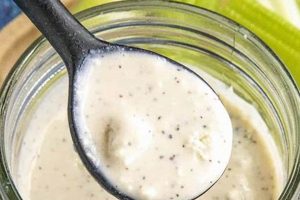
The term describes a plant-based spread that mimics the flavor and texture of traditional pimento cheese. It achieves this by substituting dairy-based ingredients, such as cheese and mayonnaise, with plant-derived alternatives like cashews, tofu, or plant-based mayonnaise. The core components remain: pimentos, which are sweet peppers that provide a characteristic color and mild flavor, and spices that enhance the overall taste profile.
Plant-based versions of this classic spread address dietary restrictions, ethical considerations, and health-conscious preferences. It allows individuals who avoid dairy to enjoy a familiar and comforting food. The availability of such options also broadens the appeal of traditional dishes, making them accessible to a wider audience while potentially offering a lower saturated fat and cholesterol content compared to the dairy-based original.
This plant-based alternative presents an interesting subject for exploring recipe variations, nutritional comparisons to its conventional counterpart, and the use of specific ingredients to replicate the authentic taste and texture. Subsequent discussion will delve into various methods for achieving a delectable and satisfying vegan approximation of this Southern staple.
Tips for Optimal Plant-Based Pimento Cheese Preparation
Achieving a palatable and texturally accurate plant-based pimento cheese requires careful attention to ingredient selection and preparation techniques. The following tips aim to provide guidance for creating a satisfying dairy-free alternative.
Tip 1: Prioritize Cashew Preparation: Raw cashews, when properly soaked, provide a creamy base. Submerge cashews in hot water for at least 30 minutes, or preferably overnight in the refrigerator, to soften them sufficiently for blending into a smooth consistency.
Tip 2: Employ Nutritional Yeast Judiciously: Nutritional yeast contributes a savory, umami flavor reminiscent of cheese. Begin with a small amount and adjust to taste. Overuse can result in an overly bitter or overpowering flavor profile.
Tip 3: Consider Silken Tofu as a Texture Enhancer: Silken tofu, particularly the firm variety, can add a desirable creaminess and body to the spread. Ensure excess moisture is pressed from the tofu before incorporating it into the blend.
Tip 4: Select High-Quality Pimentos: The quality of the pimentos directly impacts the final flavor. Opt for jarred, roasted pimentos packed in water. Drain and pat dry before chopping and adding them to the mixture. Avoid those packed in oil, as they can alter the texture.
Tip 5: Balance Acidity with Lemon Juice or Vinegar: A touch of acidity brightens the flavor and helps to cut through the richness of the cashew or tofu base. Lemon juice or apple cider vinegar are suitable options, added gradually to achieve the desired tanginess.
Tip 6: Incorporate Spices Strategically: Paprika, garlic powder, and onion powder are common seasonings. Experiment with small amounts of cayenne pepper or smoked paprika for added depth and complexity. Taste and adjust accordingly.
Tip 7: Allow for Refrigeration and Flavor Integration: After preparation, refrigerate the plant-based pimento cheese for at least one hour, or preferably overnight. This allows the flavors to meld and the texture to firm up, resulting in a more cohesive and flavorful product.
Adherence to these preparation guidelines facilitates the creation of a plant-based pimento cheese that closely mimics the taste and texture of its traditional counterpart, while accommodating dietary preferences and restrictions.
The subsequent section will address common issues encountered during preparation and strategies for troubleshooting these challenges.
1. Creamy Texture

Creamy texture is a fundamental attribute of traditional pimento cheese, and its successful replication is essential in a plant-based version. The absence of dairy necessitates the strategic selection and preparation of plant-derived ingredients to emulate this characteristic.
- Cashew-Based Emulation
Raw cashews, when soaked and blended, offer a naturally creamy base. The soaking process softens the nuts, allowing them to be processed into a smooth, spreadable consistency. This method directly replaces the dairy-derived creaminess of the original, providing a similar mouthfeel without animal products.
- Tofu Integration
Silken tofu, particularly when excess moisture is removed, contributes to a creamy texture. It offers a lower-fat alternative to cashews while still providing a smooth, spreadable consistency. The bland flavor of silken tofu allows the other ingredients, such as pimentos and spices, to remain prominent.
- Blending Techniques
Achieving a uniform texture requires high-speed blending equipment. Blending the base ingredients until completely smooth is crucial to avoid graininess or lumpiness, mirroring the texture of traditional pimento cheese. Proper blending ensures the plant-based version is palatable and visually appealing.
- Oil Emulsification
Plant-based oils, when emulsified into the mixture, can contribute to the perceived creaminess. Careful addition of oils, such as olive oil or avocado oil, enhances the mouthfeel and prevents the spread from becoming dry or crumbly. This technique is particularly relevant when using a less fatty base like silken tofu.
The pursuit of a creamy texture in plant-based pimento cheese necessitates a thorough understanding of ingredient properties and blending techniques. Success in this area directly contributes to the overall success of replicating the traditional dish in a vegan format, broadening its appeal and accessibility.
2. Pimento Flavor
The distinctive flavor profile is arguably the defining characteristic. It represents the core element that distinguishes the spread from other cheese or plant-based alternatives. The successful creation of a dairy-free version hinges upon accurately replicating this flavor. Without the characteristic sweet and slightly tangy pimento notes, the product ceases to be an accurate representation. For instance, a spread utilizing only cashews and spices, absent of pimentos, would lack the essential flavor component, rendering it simply a flavored cashew cream, rather than a credible plant-based pimento cheese alternative. Therefore, pimento flavor is not merely an ingredient, but the essence around which the entire product revolves.
The flavor is typically achieved through the inclusion of jarred pimentos, either whole or diced, which are then incorporated into the base. Some recipes may enhance the flavor by roasting the pimentos prior to inclusion, intensifying their sweetness and imparting a subtle smoky note. Furthermore, the addition of complementary spices, such as paprika, garlic powder, and onion powder, serves to accentuate the pimento flavor, creating a more complex and nuanced taste profile. A practical application of this understanding involves carefully balancing the quantity of pimentos with the other ingredients, ensuring that the pimento flavor remains dominant, but not overwhelming. For instance, using too little pimento will result in a bland product, while using too much may create an overly sweet or acidic taste.
In conclusion, pimento flavor serves as the cornerstone. Achieving an authentic and recognizable taste is crucial for its success. Accurate replication relies on the use of high-quality pimentos, strategic spice combinations, and meticulous flavor balancing. The ultimate challenge lies in maintaining the integrity of the pimento flavor while adapting to the constraints and possibilities of a plant-based ingredient set, ensuring that the end product accurately reflects the characteristics of its traditional counterpart, while remaining accessible to those seeking a dairy-free alternative.
3. Vegan Cheese Alternatives
The viability of plant-based pimento cheese is fundamentally contingent upon the availability and suitability of vegan cheese alternatives. Traditional pimento cheese relies heavily on the flavor and texture of dairy-based cheese as its primary component. Therefore, successful substitution necessitates a product capable of replicating these attributes without utilizing animal-derived ingredients. The market offers diverse vegan cheese alternatives, each with varying degrees of success in mimicking dairy cheese. These range from nut-based cheeses utilizing cashews or almonds, to soy-based options made from tofu, and even cultured plant-based cheeses using microbial fermentation. The selection of an appropriate vegan cheese alternative directly impacts the final flavor, texture, and overall appeal of the pimento cheese vegan recipe. For example, a nut-based cheese may provide a rich, creamy texture but might also impart a distinct nutty flavor that deviates from the traditional taste profile. Conversely, a tofu-based cheese might offer a more neutral flavor but require additional ingredients to achieve the desired creamy consistency.
The selection process involves considering both the sensory attributes of the vegan cheese alternative and its functional properties within the recipe. Specifically, the ability of the chosen cheese to melt, bind with other ingredients, and retain its structural integrity is crucial. Furthermore, the nutritional profile of the vegan cheese alternative is a factor for health-conscious consumers. Some options may be higher in saturated fat or sodium than others, requiring careful evaluation. Recipes for plant-based pimento cheese often involve a blend of different vegan cheese alternatives to achieve a more complex and nuanced flavor and texture. For instance, a combination of cashew cream cheese for richness and firm tofu for structure could produce a more satisfying result than either ingredient used alone. The practical significance lies in understanding the strengths and limitations of each option to make informed decisions about ingredient selection and recipe development.
In summary, vegan cheese alternatives are indispensable for creating plant-based pimento cheese. The successful replication of the traditional recipe hinges on the strategic selection and application of these alternatives. Careful consideration of flavor, texture, functional properties, and nutritional profile is essential for achieving a palatable and appealing product. The ongoing development and refinement of vegan cheese alternatives are vital for further enhancing the quality and authenticity of plant-based adaptations of classic dishes like pimento cheese. The connection between these two elements underscores the reliance on plant-based cheese production for the sustained availability of pimento cheese vegan.
4. Spread Versatility
The characteristic of spread versatility directly amplifies the appeal and practical value of plant-based pimento cheese. Its adaptability extends beyond simple consumption as a sandwich filling, impacting culinary applications and consumer preferences. A versatile product caters to diverse dietary needs and meal preparations, contributing significantly to its marketability and adoption.
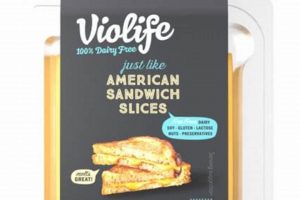
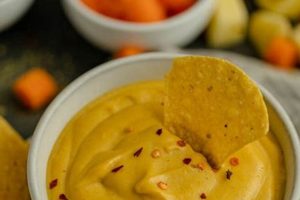
Plant-based pimento cheese exhibits significant spread versatility. For example, it functions effectively as a dip served with crackers or vegetables, an ingredient in stuffed celery or deviled “eggs” utilizing a plant-based egg substitute, or as a flavorful addition to grilled cheese sandwiches using vegan cheese slices. The textural consistency, whether achieved through cashew-based or tofu-based formulations, enables it to hold its shape and maintain its flavor profile across different applications. This versatility stems from the inherent adaptability of the core ingredients and the relative ease with which the recipe can be modified to suit specific needs. A thicker consistency, for instance, would be preferable for use as a dip, while a slightly thinner version may be better suited for spreading on crackers.
The degree of spread versatility determines the extent to which plant-based pimento cheese can permeate various culinary contexts and address diverse consumer needs. The product’s multi-functionality not only broadens its potential uses but also reinforces its value proposition as a versatile and adaptable food item. Addressing limitations regarding shelf life and flavor stability is crucial for maximizing the value of this attribute and ensuring consistent consumer satisfaction. The versatility element of vegan pimento cheese is undeniably why its demand is growing.
5. Dietary Adaptability

The increasing prevalence and acceptance of plant-based diets significantly elevates the importance of dietary adaptability within the realm of food production. This trend directly affects products such as pimento cheese, a traditionally dairy-laden spread. Plant-based versions, represented by “pimento cheese vegan,” address the dietary restrictions and preferences of vegan, vegetarian, lactose-intolerant, and health-conscious consumers. Without such adaptation, the traditional product remains inaccessible to a substantial segment of the population. Real-world examples include the proliferation of vegan pimento cheese brands in grocery stores and the inclusion of such options on restaurant menus, illustrating a direct response to consumer demand for inclusive food choices. Understanding dietary adaptability is therefore crucial for food producers seeking to expand their market reach and cater to evolving consumer preferences.
Dietary adaptability also has implications for nutritional profiles. Plant-based pimento cheese alternatives often present opportunities to reduce saturated fat content, cholesterol levels, and overall caloric density compared to their dairy-based counterparts. For instance, cashew-based versions can provide healthy fats and protein while eliminating dairy allergens. Moreover, the formulation of “pimento cheese vegan” recipes can be tailored to accommodate other dietary restrictions, such as gluten-free or soy-free diets, further enhancing its appeal. From a practical standpoint, clear labeling of ingredients and nutritional information becomes essential for consumers to make informed decisions aligned with their specific dietary needs and health goals. This promotes transparency and builds trust, encouraging wider adoption of plant-based alternatives.
In conclusion, dietary adaptability is not merely a trend but a fundamental requirement for food products to remain relevant and accessible in an increasingly diverse and health-conscious market. The development and promotion of “pimento cheese vegan” exemplifies this principle, enabling individuals with various dietary restrictions and preferences to enjoy a classic dish without compromising their values or health goals. Challenges remain in replicating the exact taste and texture of traditional pimento cheese while maintaining nutritional value and affordability. However, ongoing innovation in plant-based food technology promises to further enhance the quality and appeal of such alternatives, solidifying their place in the broader culinary landscape.
Frequently Asked Questions About Pimento Cheese Vegan
The following addresses common inquiries regarding plant-based pimento cheese, its composition, preparation, and consumption.
Question 1: What ingredients typically constitute a plant-based version of this spread?
A plant-based version commonly incorporates raw cashews (soaked), silken tofu, or a combination thereof, as a base to mimic the creamy texture of dairy cheese. Jarred pimentos provide the characteristic flavor. Spices such as paprika, garlic powder, onion powder, and cayenne pepper enhance the overall taste profile. Nutritional yeast often contributes a savory, cheese-like note. Plant-based mayonnaise may also be included.
Question 2: Is a plant-based version nutritionally comparable to traditional pimento cheese?
The nutritional content varies depending on the specific recipe and ingredients used. In general, plant-based versions may have lower saturated fat and cholesterol content compared to dairy-based alternatives. However, calorie and sodium content can be similar. It is crucial to review nutritional labels and recipe details for accurate information.
Question 3: What are common challenges in replicating the flavor and texture of traditional pimento cheese?
Achieving the desired creamy texture without dairy can be challenging. Overcoming the distinct flavor profile of vegan cheese alternatives while maintaining the characteristic tang and spice balance requires careful ingredient selection and adjustment. Maintaining appropriate moisture levels to prevent a dry or overly wet spread is also a consideration.
Question 4: How long does plant-based pimento cheese typically last when properly stored?
When stored in an airtight container in the refrigerator, a plant-based version generally maintains quality for 3-5 days. As with all prepared foods, it is essential to observe proper food safety practices and discard the spread if any signs of spoilage are present.
Question 5: Can this vegan style be frozen for extended storage?
Freezing is generally not recommended, as it can negatively impact the texture of cashew-based and tofu-based spreads. Thawing often results in a grainy or watery consistency, diminishing the overall palatability of the product.
Question 6: Are there readily available commercial options of this plant-based cheese, or is it primarily a homemade dish?
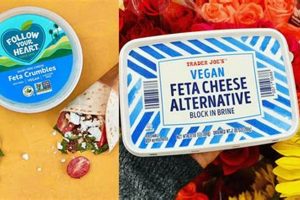
Commercial options are increasingly available, reflecting the growing demand for plant-based alternatives. However, homemade versions remain popular due to the ability to customize ingredients and adjust the flavor profile according to personal preference.
Plant-based pimento cheese offers a viable alternative for individuals seeking to avoid dairy while enjoying a familiar and comforting flavor. Careful consideration of ingredients and preparation techniques is essential for achieving optimal results.
The subsequent article section will delve into specific recipes and preparation methodologies for creating a compelling version.
Conclusion
This exploration of pimento cheese vegan has detailed its composition, preparation techniques, and the significance of ingredient selection. It also addressed common inquiries, providing a comprehensive overview of this plant-based adaptation of a Southern classic. The discussion illuminated the importance of achieving a creamy texture, replicating the distinctive pimento flavor, and utilizing appropriate vegan cheese alternatives to produce a satisfying and authentic experience.
As consumer demand for plant-based options continues to expand, pimento cheese vegan represents a valuable contribution to culinary inclusivity. Further innovation in plant-based cheese technology and recipe refinement holds the potential to elevate the quality and accessibility of this alternative, ensuring its continued relevance in a dynamic food landscape. Continued development and refinement will shape its future, enhancing both its nutritional profile and its broad appeal.