A plant-based alternative to traditional dairy-based spread, designed to replicate the texture and tangy flavor of cream cheese, is increasingly utilized in culinary applications, specifically within the realm of baked goods. This product category encompasses various formulations utilizing ingredients such as nuts (cashews, almonds), seeds (sunflower seeds), and soy, each contributing to a distinct taste and performance profile when subjected to heat. Successful incorporation contributes moisture, richness, and a characteristic tang, mimicking the role of its dairy counterpart in recipes like cheesecakes, muffins, and frosting.
The adoption of this ingredient represents a significant expansion within the vegan and dairy-free markets. Consumers seek options that accommodate dietary restrictions or ethical considerations without sacrificing taste or texture. Historically, replicating the complex properties of dairy in plant-based alternatives presented challenges. However, advancements in food science have yielded improved formulations that demonstrate enhanced functionality in baking, allowing for a wider range of accessible and palatable plant-based creations.
Evaluating suitable options for baking necessitates a focus on specific attributes. These include the product’s texture, flavor profile, melting behavior, and overall performance within a given recipe. Subsequent sections will delve into critical factors to consider when selecting a specific brand or variety for various baked applications, providing a comprehensive guide for achieving optimal results.
Tips for Optimal Baking with Plant-Based Cream Cheese Alternatives
Achieving satisfactory results in baking with plant-based cream cheese alternatives requires careful consideration of several key factors. This section offers guidance on selecting and utilizing these products to maximize their performance and ensure desirable outcomes.
Tip 1: Evaluate Moisture Content: Different brands exhibit varying levels of moisture. Excessive moisture can lead to soggy baked goods. Opt for formulations with a thicker consistency, particularly when preparing fillings or frostings.
Tip 2: Consider Flavor Profile: Plant-based cream cheese alternatives possess unique flavor notes, influenced by their base ingredients (e.g., cashew, almond, soy). Select a variety that complements the other ingredients in the recipe. Neutral-flavored options are generally more versatile.
Tip 3: Temper Before Use: Allow the plant-based cream cheese alternative to come to room temperature prior to mixing. This facilitates smoother incorporation and prevents clumping, resulting in a more uniform batter or frosting.
Tip 4: Adjust Sweetness Levels: Some plant-based options contain added sugars to enhance palatability. Reduce the amount of sugar specified in the original recipe to avoid excessive sweetness.
Tip 5: Monitor Baking Time: Plant-based recipes may require slightly longer baking times compared to traditional recipes due to differences in moisture content and density. Closely monitor the baked goods and adjust baking time accordingly.
Tip 6: Use Parchment Paper: Lining baking pans with parchment paper prevents sticking and facilitates easy removal of delicate items like cheesecakes, ensuring a clean presentation.
Tip 7: Chill Before Serving: Many baked goods benefit from chilling after baking, especially cheesecakes and frostings. This allows the flavors to meld and the texture to firm up, resulting in a more enjoyable eating experience.
By adhering to these guidelines, bakers can successfully incorporate plant-based cream cheese alternatives into a wide range of recipes, producing delicious and visually appealing results that align with dietary preferences and ethical considerations.
The following section will address specific recipe adaptations and troubleshooting tips to further enhance the baking experience with these ingredients.
1. Texture and Consistency

The tactile properties of plant-based cream cheese alternatives, specifically their texture and consistency, are paramount in determining their suitability for baking applications. These attributes directly impact the final product’s structural integrity, mouthfeel, and overall palatability.
- Smoothness and Graininess
The presence or absence of graininess significantly influences the perceived quality. A smooth texture is generally preferred, especially in applications such as frostings or fillings where a creamy mouthfeel is desired. Graininess, often a result of incomplete emulsification or the use of certain ingredients, can detract from the eating experience.
- Spreadability and Firmness
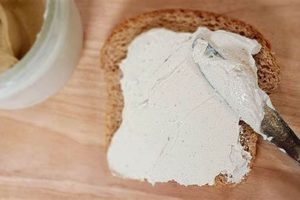
The ease with which the product can be spread is critical, particularly when incorporating it into batters or layering it in baked goods. A balance between spreadability and firmness is necessary; a product that is too soft may lack structural support, while one that is too firm may be difficult to incorporate evenly.
- Water Content and Separation
The water content of the alternative significantly affects its baking performance. Excessive moisture can lead to soggy or underbaked products. Furthermore, the propensity for water separation during baking can compromise the texture and consistency of the final result. Products exhibiting minimal water separation are generally more desirable.
- Response to Heat
The way a plant-based cream cheese alternative behaves under heat is fundamental. Some formulations melt and blend seamlessly, while others may curdle or separate. The ideal product maintains a stable structure and contributes to the overall texture of the baked good without becoming greasy or watery. Testing the product’s heat stability is crucial for optimal baking results.
The interplay of these textural and consistency characteristics dictates the overall success of using plant-based cream cheese alternatives in baking. Understanding these properties allows bakers to select the most appropriate product for specific recipes, leading to improved outcomes and enhanced consumer satisfaction.
2. Flavor Profile
The flavor profile of a plant-based cream cheese alternative is a decisive factor when selecting the most suitable option for baking. The inherent taste characteristics significantly influence the final flavor of the baked product, requiring careful consideration to ensure compatibility with other ingredients and desired outcomes.
- Base Ingredient Notes
The primary ingredients used in the formulation, such as cashews, almonds, soy, or oats, impart distinct flavor nuances. Cashew-based alternatives often exhibit a subtle sweetness and creamy texture, while soy-based versions may possess a more neutral or slightly savory flavor. Almond-based options can contribute a nutty undertone. These base notes must complement the intended flavor profile of the baked good, avoiding clashes or overpowering other ingredients. For example, a subtle cashew flavor may enhance a vanilla cheesecake, while a stronger soy flavor may be better suited for savory applications.
- Tanginess and Acidity
A key characteristic of traditional cream cheese is its tangy flavor, derived from lactic acid fermentation. Plant-based alternatives often mimic this tanginess through the addition of ingredients like lemon juice, vinegar, or lactic acid. The intensity of this tanginess should be appropriate for the intended application. An overly acidic alternative could negatively impact the texture or flavor of delicate baked goods, while insufficient tanginess might result in a bland or uninteresting final product. Achieving the right balance is crucial for replicating the characteristic flavor of cream cheese in baked applications.
- Sweetness and Saltiness
Many plant-based cream cheese alternatives contain added sweeteners or salt to enhance their palatability. The level of sweetness or saltiness should be carefully assessed, as excessive amounts can detract from the overall flavor profile of the baked good. Adjustments to the recipe’s sugar or salt content may be necessary to compensate for these additions. A balanced flavor profile, where sweetness and saltiness complement the tanginess and base notes, is essential for achieving optimal results in baking.
- Off-Notes and Aftertaste
Certain plant-based alternatives may exhibit undesirable off-notes or aftertastes, depending on the ingredients and processing methods used. These off-notes can be particularly noticeable in baked goods, where the flavors are concentrated and amplified. It is essential to sample the product before using it in a recipe to identify any potential flavor defects. Opting for alternatives with a clean, neutral flavor and minimal aftertaste ensures that the inherent flavors of the baked good are not compromised.
The careful evaluation of these flavor profile aspects is pivotal in selecting the “best vegan cream cheese for baking.” By considering the base ingredient notes, tanginess, sweetness, saltiness, and potential off-notes, bakers can choose alternatives that complement their recipes and deliver exceptional flavor in their plant-based creations. The goal is to achieve a balanced and harmonious flavor profile that replicates the taste and texture of traditional cream cheese while remaining true to the principles of vegan baking.
3. Baking Performance
The capacity of a plant-based cream cheese alternative to perform reliably under baking conditions is a critical determinant of its suitability for use in various recipes. Baking performance encompasses a range of factors that influence the final texture, structure, and overall success of baked goods. The selection of a product exhibiting superior baking performance is paramount to achieving desirable results.
- Heat Stability and Melting Behavior
The ability of the alternative to withstand elevated temperatures without undergoing undesirable changes, such as curdling, separation, or excessive oil release, is crucial. A stable product will maintain its structural integrity and contribute to a smooth, consistent texture. For example, in a vegan cheesecake, a cream cheese alternative that separates during baking will result in a grainy, unappetizing final product, whereas a heat-stable alternative will yield a smooth and creamy texture.
- Contribution to Moisture and Texture
The products capacity to retain moisture and contribute to the desired texture is essential. An ideal alternative will provide sufficient moisture to prevent dryness while also contributing to a tender, delicate crumb. Some alternatives may dry out during baking, resulting in a tough or crumbly texture. The ability to retain moisture without becoming overly dense or gummy is a hallmark of superior baking performance.
- Impact on Rise and Structure
Plant-based cream cheese alternatives can influence the rise and overall structure of baked goods. Some formulations may inhibit gluten development, leading to a denser, less airy product. Others may contribute to a more open crumb structure. Careful consideration should be given to the alternative’s impact on the recipe’s overall rise and structural integrity. An alternative that supports a desirable rise and contributes to a stable structure is preferred.
- Effect on Browning and Crust Formation
The presence of sugars or other ingredients in the alternative can affect the rate and extent of browning during baking. Some formulations may promote excessive browning, leading to a burnt or bitter flavor. Others may inhibit browning, resulting in a pale and unappetizing appearance. The ideal alternative will contribute to a balanced level of browning, creating a visually appealing and flavorful crust. Proper browning is essential for both aesthetic appeal and the development of complex flavors.
In summary, optimal baking performance hinges on the selection of a plant-based cream cheese alternative that exhibits excellent heat stability, contributes positively to moisture and texture, supports desirable rise and structure, and promotes balanced browning. The interplay of these factors determines the overall success of using the product in baked goods, emphasizing the importance of selecting the best vegan cream cheese for specific recipes and desired outcomes. Understanding these parameters enables bakers to make informed choices, resulting in plant-based creations that rival their dairy-based counterparts in taste and texture.
4. Ingredient Composition

The constituent makeup of a plant-based cream cheese alternative is fundamental to its suitability for baking applications. The specific ingredients employed directly influence the product’s texture, flavor, baking performance, and overall nutritional profile. A thorough understanding of ingredient composition is, therefore, essential for selecting the most appropriate product for a given baking application.
- Base Ingredients: Nuts, Seeds, and Legumes
The primary ingredient, often a nut (cashew, almond), seed (sunflower, sesame), or legume (soybean), dictates the foundational flavor and texture. Cashews, for example, lend a creamy texture and subtle sweetness, impacting the overall moisture content and potentially reducing the need for added sugars. Soy-based options often provide a more neutral flavor, influencing the type and quantity of flavorings required. The choice of base ingredient has a cascading effect on the final baked product. For instance, an almond-based alternative may impart a distinct nutty flavor to a vegan cheesecake, while a sunflower seed base might require additional emulsifiers to prevent separation during baking.
- Fats and Oils
The types and proportions of fats significantly affect mouthfeel and baking behavior. Coconut oil, often employed for its solidifying properties, influences the firmness of the cream cheese alternative and its ability to hold its shape during baking. Other oils, like sunflower or canola oil, may contribute to a softer texture but require careful monitoring to prevent greasiness. The selection of fats directly influences the final baked products texture; a high coconut oil content can result in a firmer cheesecake filling, whereas a higher proportion of liquid oil can create a softer, more delicate frosting.
- Thickeners and Stabilizers
Ingredients such as tapioca starch, cornstarch, carrageenan, or xanthan gum are frequently incorporated to enhance the texture and prevent separation. These components play a critical role in maintaining the product’s structure during baking and ensuring a smooth, consistent texture. Overuse of certain thickeners, like carrageenan, can create a slightly rubbery texture, influencing the overall sensory experience. Careful selection and measured use are paramount to achieving the desired consistency without compromising the eating quality. These ingredients, thus, help to maintain the cream cheese’s structure when used in cookies or cakes, ensuring the ingredients do not separate.
- Flavorings and Acidulants
Ingredients like lactic acid, lemon juice, vinegar, or cultured dextrose contribute to the characteristic tanginess of cream cheese. Salt, sugar, and other natural flavors are added to balance the overall flavor profile. The type and quantity of acidulants influence the perceived acidity and must be carefully calibrated to complement the other ingredients in the baked recipe. Artificial flavorings can also be used, but careful consideration of any unwanted flavors is key. Therefore, the careful balance of flavoring plays an important role in the resulting product.
The interplay between these components dictates the ultimate success of the plant-based cream cheese alternative in various baking applications. A meticulously formulated product, utilizing high-quality ingredients in optimal ratios, yields superior baking performance and delivers a flavor profile that closely mimics traditional dairy-based cream cheese, making it the preferred choice for discerning vegan bakers. In conclusion, analyzing and fully understanding the properties of the different ingredients ensures an excellent outcome that meets all requirements for baking.
5. Moisture Content

The water content within a plant-based cream cheese alternative significantly influences its baking performance and final product characteristics. Optimal moisture levels are crucial for achieving the desired texture, structure, and overall palatability in baked goods. Too much or too little moisture can lead to undesirable outcomes, necessitating a careful evaluation of this parameter when selecting the most suitable plant-based option.
- Impact on Texture and Crumb Structure
Excessive moisture can result in a dense, soggy, or gummy texture, while insufficient moisture can lead to a dry, crumbly, or tough final product. A balanced moisture content contributes to a tender crumb structure and a pleasant mouthfeel. For instance, in vegan cheesecakes, high moisture content may prevent proper setting, resulting in a soft, almost liquid consistency. Conversely, low moisture can cause the cheesecake to crack or develop a dry, coarse texture.
- Influence on Baking Time and Temperature
Moisture levels affect the baking time required to achieve complete doneness. High-moisture alternatives may necessitate longer baking times to evaporate excess water, potentially leading to over-browning or uneven cooking. Adjustments to baking temperature may also be necessary. For example, muffins prepared with a high-moisture alternative may require a slightly lower oven temperature and longer baking time to ensure even cooking without excessive browning.
- Effect on Gluten Development and Binding
In recipes containing gluten, moisture content plays a vital role in gluten development, affecting the dough’s elasticity and strength. Too much moisture can weaken the gluten structure, resulting in a flat or collapsed final product. In gluten-free recipes, moisture influences the binding of other ingredients, impacting the overall structure and stability. When incorporating a plant-based cream cheese alternative into a vegan bread recipe, its moisture content must be carefully considered to avoid compromising the gluten structure and affecting the loaf’s rise and texture.
- Relationship with Fat Content and Emulsification
The ratio of moisture to fat content is crucial for proper emulsification and stability during baking. Imbalances can lead to separation or a greasy texture. Proper emulsification ensures a homogenous mixture, contributing to a smooth and creamy texture. For example, in vegan frostings, if the plant-based cream cheese alternative has an unbalanced moisture-to-fat ratio, the frosting may separate or develop a greasy consistency, affecting its appearance and mouthfeel.
Therefore, understanding the nuanced interplay between moisture content and other ingredients is paramount for successful vegan baking. Selecting a plant-based cream cheese alternative with an appropriate moisture level for the specific recipe is a key determinant of the final product’s texture, structure, and overall quality. Careful attention to this parameter allows bakers to create delicious and visually appealing plant-based baked goods that rival their dairy-based counterparts.
Frequently Asked Questions About Plant-Based Cream Cheese Alternatives in Baking
This section addresses common inquiries regarding the use of plant-based cream cheese alternatives in baking, providing clear and concise answers to aid bakers in achieving optimal results.
Question 1: Can all plant-based cream cheese alternatives be used interchangeably in baking recipes?
No. Different plant-based cream cheese alternatives possess varying compositions, moisture contents, and flavor profiles. These differences significantly impact their baking performance. Recipes often require specific attributes, necessitating careful product selection.
Question 2: What factors indicate a high-quality plant-based cream cheese alternative for baking?
Key indicators include a smooth texture, minimal water separation, a flavor profile that complements the recipe, heat stability, and an ingredient list free from excessive additives or artificial flavors.
Question 3: How does the moisture content of a plant-based cream cheese alternative affect baking outcomes?
Excessive moisture can lead to soggy baked goods, while insufficient moisture can result in dryness or crumbling. The ideal moisture level contributes to a tender crumb and a balanced texture. Therefore, it is crucial to take special care.
Question 4: Are recipe adjustments necessary when using plant-based cream cheese alternatives?
Adjustments may be required. Reducing the amount of added sugar can compensate for inherent sweetness in some alternatives. Monitoring baking time and temperature is essential due to variations in moisture content and browning behavior.
Question 5: How should plant-based cream cheese alternatives be stored to maintain their quality for baking?
Refrigeration is essential. Once opened, the product should be stored in an airtight container to prevent drying or absorption of odors. Freezing is generally not recommended as it can alter the texture and compromise baking performance.
Question 6: What are common troubleshooting issues encountered when baking with plant-based cream cheese alternatives?
Potential issues include graininess, separation, excessive browning, and lack of structural integrity. Addressing these issues often requires adjusting the recipe, selecting a different product, or modifying baking techniques.
Careful consideration of these questions and their corresponding answers equips bakers with the knowledge necessary to successfully incorporate plant-based cream cheese alternatives into their recipes, yielding delicious and visually appealing results.
The following section will provide specific brand recommendations and product comparisons to further assist in the selection process.
Achieving Excellence
The preceding discussion underscores the critical importance of selecting a plant-based cream cheese alternative specifically suited for baking applications. The exploration of texture, flavor profile, baking performance, ingredient composition, and moisture content reveals the nuanced characteristics that differentiate viable options from those less suitable. Success hinges upon a discerning evaluation of these attributes, aligning product selection with the demands of the intended recipe.
Ultimately, the pursuit of the “best vegan cream cheese for baking” necessitates a commitment to informed decision-making. By prioritizing products that demonstrate heat stability, balanced flavor, appropriate moisture levels, and a clean ingredient profile, bakers can confidently create plant-based delicacies that meet the highest standards of taste and texture. Continued innovation within the plant-based food industry promises further advancements, offering an increasingly diverse range of high-performing alternatives for the discerning baker.