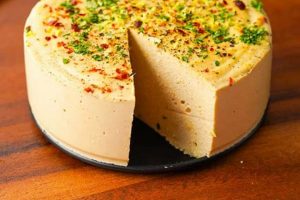
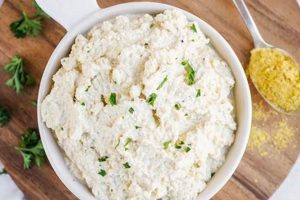
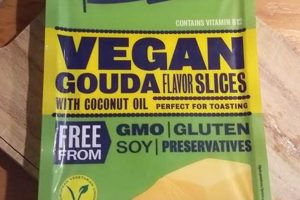
The culinary creation under examination is a plant-based adaptation of a classic Southern spread. This variation replaces traditional dairy-based cheese with ingredients such as cashews, almonds, or sunflower seeds to replicate the creamy texture. Roasted red peppers, commonly referred to as pimentos, are a key component, contributing both flavor and characteristic color. This particular preparation caters to individuals adhering to dietary restrictions or ethical choices that exclude animal products.
The rising popularity of this adaptation stems from several factors. Consumers are increasingly seeking plant-based alternatives to familiar foods, driven by health concerns, environmental consciousness, and animal welfare considerations. Furthermore, advancements in vegan culinary techniques have made it possible to achieve textures and flavors that closely mimic those of traditional pimento cheese. This development allows individuals to enjoy a beloved dish without compromising their dietary principles.
The subsequent sections will delve into specific ingredients, preparation methods, and variations of this novel spread. Examination of nutritional considerations and serving suggestions will also be included. This comprehensive analysis aims to provide a thorough understanding of the construction and enjoyment of this plant-based alternative.
Crafting Superior Plant-Based Pimento Cheese
Achieving optimal flavor and texture in a plant-based alternative requires careful attention to ingredient selection and preparation techniques. The following guidelines offer practical advice for creating a palatable and convincing substitute.
Tip 1: Employ High-Quality Nuts. Cashews, almonds, or sunflower seeds should be raw and unsalted. Soaking them in water for several hours prior to blending softens the nuts, resulting in a smoother, creamier base.
Tip 2: Roast Pimentos for Enhanced Flavor. Roasting whole pimentos before peeling and dicing deepens their inherent sweetness and imbues the final product with a smoky complexity. Alternatively, use jarred roasted red peppers, ensuring they are drained thoroughly.
Tip 3: Incorporate Umami-Rich Ingredients. Nutritional yeast contributes a savory, cheese-like flavor profile. A small amount of miso paste or soy sauce can further enhance the umami notes, adding depth to the overall taste.
Tip 4: Balance Acidity and Fat. Lemon juice or apple cider vinegar introduces a necessary tang to counter the richness of the nut-based base. A small quantity of plant-based sour cream or mayonnaise can further enhance the texture and flavor.
Tip 5: Adjust Spices Judiciously. Paprika, garlic powder, and onion powder are standard additions. However, cayenne pepper should be used sparingly, allowing the pimento flavor to remain dominant. Taste and adjust the seasoning as needed.
Tip 6: Achieve the Right Consistency. Gradual addition of liquid, such as plant-based milk or water, during the blending process allows precise control over the final consistency. Aim for a spreadable, but not overly liquid, texture.
Tip 7: Allow Flavors to Meld. Refrigerate the prepared spread for at least two hours, or preferably overnight, to allow the flavors to fully meld and develop. This resting period significantly improves the overall taste profile.
Mastering these principles enables the creation of a satisfying and flavorful plant-based alternative. By focusing on quality ingredients and careful execution, one can produce a compelling imitation of a classic Southern staple.
The subsequent section will address common variations and serving suggestions, further expanding the possibilities of this culinary creation.
1. Nut Base Selection
Nut base selection fundamentally impacts the texture, flavor, and nutritional profile of vegan pimento cheese. The choice between cashews, almonds, sunflower seeds, or even combinations thereof dictates the spread’s creaminess, subtly influences its sweetness, and affects the overall fat content. For instance, cashews, due to their high fat content and neutral flavor, generally yield the smoothest and creamiest texture, closely mimicking the mouthfeel of traditional dairy-based cheese. Almonds, on the other hand, offer a slightly grainier texture and a more pronounced nutty flavor, potentially requiring adjustments in other ingredients to achieve the desired balance. Sunflower seeds present a more budget-friendly option, but their stronger flavor may necessitate careful seasoning to prevent them from overpowering the pimento and other flavor components. Therefore, a deliberate decision regarding the nut base is a critical first step in formulating a palatable and authentic-tasting alternative.
The impact of nut base selection extends beyond sensory characteristics. Nutritional considerations also play a significant role. Cashews are relatively high in saturated fat compared to sunflower seeds, which are richer in polyunsaturated fats. Almonds provide a good source of vitamin E and fiber. Consequently, the choice of nut base can be tailored to specific dietary needs or preferences. For example, individuals seeking to minimize saturated fat intake may opt for sunflower seeds, while those prioritizing fiber may favor almonds. Furthermore, the processing method applied to the nut base also affects the final product. Soaking and blending the nuts thoroughly are essential for achieving a smooth consistency, regardless of the specific type chosen.
In summary, nut base selection represents a foundational decision in the creation of vegan pimento cheese. It directly influences the texture, flavor, nutritional profile, and overall acceptability of the final product. While cashews are often favored for their superior creaminess, almonds and sunflower seeds offer viable alternatives with distinct flavor profiles and nutritional benefits. The optimal choice depends on individual preferences, dietary restrictions, and the desired outcome of the formulation. Careful consideration of these factors is essential for achieving a compelling and satisfying plant-based rendition of this classic Southern spread.
2. Pimento Preparation

Pimento preparation constitutes a critical step in the development of an authentic vegan pimento cheese analog. The method employed directly affects the flavor, texture, and visual appeal of the final product. Variations in preparation techniques can either enhance or detract from the overall sensory experience.
- Roasting vs. Jarred Pimentos
Roasting fresh pimentos intensifies their inherent sweetness and imparts a subtle smoky character. The roasting process involves charring the skin, which is then removed, leaving the flesh tender and flavorful. Jarred pimentos, while convenient, often possess a milder, less complex flavor profile and may contain preservatives. The choice between fresh and jarred pimentos impacts the overall depth of flavor in the finished spread.
- Dicing and Texture
The size and consistency of the pimento dice influence the final texture. Finely diced pimentos distribute evenly throughout the spread, creating a uniform color and flavor. Larger, more irregular pieces provide textural contrast and visual interest. The optimal dicing technique depends on the desired texture and aesthetic appeal of the final product.
- Moisture Content Management
Pimentos naturally contain moisture. Excess moisture can result in a watery or diluted flavor in the completed product. Proper draining of jarred pimentos and careful roasting of fresh pimentos help to minimize moisture content. Patting the diced pimentos dry with paper towels before incorporation is also recommended to maintain the desired consistency.
- Flavor Infusion Techniques
Prior to incorporation, pimentos can be infused with additional flavors to enhance their complexity. Marinating diced pimentos in vinegar, hot sauce, or smoked paprika adds depth and complexity. Infusion techniques allow for customization of the flavor profile, enabling the creation of unique and nuanced vegan pimento cheese variations.
In conclusion, pimento preparation represents a multifaceted element in the formulation of vegan pimento cheese. Careful attention to roasting or selection of jarred alternatives, dicing consistency, moisture management, and potential flavor infusions contribute significantly to the overall quality and authenticity of the final spread. Thoughtful execution of these techniques is essential for achieving a satisfying and flavorful plant-based alternative.
3. Flavor Enhancement

In the context of plant-based pimento cheese, flavor enhancement is not merely a superficial addition but a critical determinant of the product’s success. The absence of traditional dairy requires a strategic approach to replicate the desired taste profile. Ingredients such as nutritional yeast, miso paste, smoked paprika, and even small quantities of Dijon mustard serve as fundamental building blocks in reconstructing the savory, umami-rich characteristics of conventional pimento cheese. Without such targeted flavor enhancement, the resulting spread often lacks depth and complexity, failing to deliver the expected sensory experience. For example, nutritional yeast, a deactivated yeast product, contributes a distinct “cheesy” note, while miso paste, derived from fermented soybeans, provides a nuanced umami component that elevates the overall flavor profile. These ingredients act synergistically to compensate for the missing dairy notes.
The skillful application of flavor enhancement techniques extends beyond simply adding ingredients. Precise ratios and careful balancing are essential. Excessive use of any single flavor enhancer can result in an unbalanced or artificial taste. The ideal approach involves gradual addition and continuous tasting, allowing for fine-tuning of the flavor profile. Moreover, the timing of flavor addition can significantly impact the final outcome. For instance, incorporating smoked paprika early in the preparation process allows its smoky notes to infuse more thoroughly, while adding fresh herbs towards the end preserves their volatile aromatic compounds. A failure to consider these nuances can lead to a product that is either bland or overwhelming.
The success of plant-based pimento cheese hinges on effective flavor enhancement strategies. By strategically employing umami-rich ingredients, meticulously balancing flavor profiles, and carefully considering the timing of flavor addition, it becomes possible to create a convincing and satisfying alternative to the traditional dairy-based spread. The challenge lies in achieving a harmonious blend of flavors that evoke the familiar taste and texture of pimento cheese while adhering to plant-based principles. Thoughtful and deliberate flavor enhancement is, therefore, indispensable to this culinary endeavor.
4. Texture Optimization

Texture optimization is a crucial aspect in the successful creation of a plant-based pimento cheese alternative. Replicating the specific mouthfeel and spreadability of traditional pimento cheese, while utilizing plant-derived ingredients, presents a significant challenge requiring careful consideration of multiple textural components.
- Nut Base Processing and Smoothness
The preparation of the nut base, often comprised of cashews, almonds, or sunflower seeds, directly influences the overall smoothness of the product. Inadequate soaking or insufficient blending results in a grainy or coarse texture, diverging significantly from the desired creaminess. Extended soaking times, high-powered blending equipment, and the strategic addition of liquids are essential techniques for achieving a homogenous and smooth base. This foundation is critical for emulating the textural characteristics of traditional cheese.
- Pimento Dicing and Distribution
The size and uniformity of the pimento dice contribute to the textural complexity. Large, irregularly sized pieces can create an uneven mouthfeel, while finely diced pimentos distribute more evenly, resulting in a smoother overall texture. Balancing these factors is important for achieving the appropriate level of textural interest without compromising spreadability. The dicing method must be consistent to ensure uniform distribution and prevent isolated pockets of intense flavor or texture.
- Moisture Content Control and Emulsification
Maintaining optimal moisture content is essential for achieving the correct consistency and spreadability. Excessive moisture results in a watery or thin product, while insufficient moisture leads to a dry or crumbly texture. The strategic incorporation of plant-based milk, lemon juice, or other liquids, coupled with emulsification techniques, is necessary to bind the ingredients and create a cohesive, spreadable mixture. Emulsifiers, such as lecithin or mustard, can aid in preventing separation and maintaining a smooth, stable texture.
- Temperature Effects and Solidification
Temperature significantly impacts the texture of vegan pimento cheese, particularly due to the presence of plant-based fats that solidify upon cooling. Refrigeration can transform a smooth, spreadable mixture into a firm or even hard product. Understanding these temperature effects is crucial for adjusting the recipe and preparation methods to maintain the desired texture at serving temperature. Allowing the spread to rest at room temperature for a short period before serving can soften the texture and enhance its spreadability.
These interconnected facets of texture optimization collectively determine the success of replicating the desired sensory experience in a plant-based pimento cheese recipe. Careful manipulation of nut base processing, pimento dicing, moisture content, and temperature effects is essential for achieving a product that closely mimics the texture of its traditional dairy-based counterpart. Attention to these details ensures a palatable and satisfying plant-based alternative.
5. Ingredient Ratio
Ingredient ratio is a pivotal determinant in the success of any culinary creation, including plant-based pimento cheese. The precise proportions of each component from the nut base to the pimentos and various flavor enhancers dictate the final product’s texture, flavor profile, and overall palatability. Imbalances in these ratios can result in a spread that is either overly bland, excessively rich, or texturally unappealing. Therefore, a thorough understanding of the interplay between ingredients is essential for achieving a compelling vegan alternative.
- Nut Base to Liquid Ratio
The proportion of the nut base (e.g., cashews, almonds, sunflower seeds) to the liquid component (e.g., plant-based milk, water, lemon juice) directly affects the spread’s consistency. A higher nut base ratio results in a thicker, potentially dry, texture, while an excess of liquid yields a thin, runny spread. The optimal ratio depends on the desired level of creaminess and spreadability. Careful adjustment of this ratio is crucial for achieving the characteristic texture of pimento cheese.
- Pimento to Base Ratio
The relative quantity of pimentos to the nut base influences both the flavor and the visual appeal. An insufficient amount of pimentos results in a spread that lacks the signature pimento flavor and vibrant color. Conversely, an excessive amount of pimentos can overwhelm the other flavors and create a texture that is too dense or pulpy. Balancing the pimento to base ratio is essential for achieving the correct flavor profile and aesthetic presentation.
- Flavor Enhancer to Base Ratio
Flavor enhancers, such as nutritional yeast, miso paste, smoked paprika, and Dijon mustard, play a critical role in replicating the savory, umami-rich flavor of traditional pimento cheese. However, the proportion of these ingredients must be carefully controlled. An overabundance of any single enhancer can lead to an unbalanced or artificial taste. A nuanced approach, involving small quantities of multiple enhancers, is often more effective in creating a complex and well-rounded flavor profile.
- Fat to Non-Fat Component Ratio
In traditional pimento cheese, dairy-based fat contributes significantly to the texture and mouthfeel. In plant-based versions, this fat must be derived from alternative sources, such as nuts or plant-based oils. The ratio of these fats to the non-fat components (e.g., vegetables, seasonings) impacts the richness and overall sensory experience. Carefully managing this ratio is essential for achieving a satisfying texture that mimics the creaminess of traditional pimento cheese without being overly greasy or heavy.
The successful creation of plant-based pimento cheese hinges on a precise understanding and skillful manipulation of ingredient ratios. By carefully considering the interplay between the nut base, pimentos, flavor enhancers, and fat content, it becomes possible to craft a compelling alternative that satisfies both dietary restrictions and culinary expectations. Mastering these ratios is essential for achieving a balanced and flavorful spread that authentically captures the essence of pimento cheese.
6. Chilling Time

Chilling time represents a critical, often overlooked, stage in the preparation of vegan pimento cheese. This period extends beyond simple temperature reduction; it is a phase where flavors coalesce and textural properties evolve, ultimately defining the quality of the finished product. The duration of chilling significantly impacts the overall sensory experience.
- Flavor Meld and Intensification
During chilling, the volatile flavor compounds from individual ingredients, such as roasted pimentos, nutritional yeast, and various spices, diffuse and interact. This process allows for a more homogenous and integrated flavor profile to develop. Insufficient chilling results in a dish where individual flavors remain distinct and separate, lacking the cohesive character of traditional pimento cheese. Extended chilling, however, can lead to an overly intense flavor, particularly from strong spices like cayenne pepper.
- Texture Stabilization and Solidification
Plant-based fats, often derived from nuts such as cashews or almonds, solidify at lower temperatures. Chilling facilitates the firming of these fats, contributing to the spread’s characteristic texture. Without adequate chilling, the spread may remain too soft or liquid, lacking the desired consistency. Conversely, excessive chilling can lead to an overly firm or even hard texture, hindering spreadability. The specific chilling time must be tailored to the fat content and type of nut base used.
- Moisture Distribution and Equilibrium
Chilling promotes the redistribution of moisture within the spread. This process allows the nut base to fully absorb any excess liquid, preventing a watery or separated texture. Conversely, if the spread is not properly sealed during chilling, surface drying can occur, resulting in a crusty or uneven texture. Maintaining appropriate moisture equilibrium is crucial for achieving a smooth and palatable consistency.
- Enzyme Activity and Flavor Development
While less prominent than in dairy-based cheeses, enzymatic activity can still contribute to flavor development in vegan pimento cheese, particularly if fermented ingredients like miso are included. Chilling slows down enzymatic reactions, allowing for a more controlled and gradual development of flavor. Insufficient chilling can lead to uncontrolled fermentation and off-flavors, while excessive chilling can halt enzymatic activity altogether, preventing the desired flavor development.
Therefore, the allocation of appropriate chilling time is not merely a matter of convenience; it is an integral component in the precise formulation of vegan pimento cheese. The optimal duration represents a delicate balance between flavor development, texture stabilization, and moisture control, ultimately dictating the success of the plant-based alternative.
7. Serving Applications

The culinary utility of a vegan pimento cheese preparation extends beyond simple consumption; serving applications directly influence the perception and enjoyment of the product. The method of presentation and accompanying foods significantly alter the sensory experience, highlighting specific flavors and textures while potentially mitigating perceived shortcomings. The versatility inherent in this plant-based adaptation allows for integration into diverse culinary contexts, from traditional Southern fare to innovative modern dishes. The selection of serving applications, therefore, becomes a critical element in maximizing the appeal and acceptance of this vegan alternative.
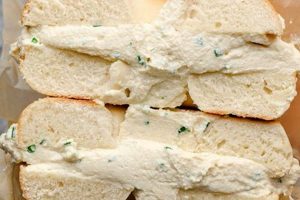
Classic applications, such as sandwiches on toasted bread or crackers as an appetizer, remain viable options, providing a familiar context for consumers. However, the unique characteristics of plant-based pimento cheese necessitate consideration of complementary flavors and textures. For example, the often-denser texture of vegan variations may benefit from pairing with lighter breads or crisp vegetables. Furthermore, the slightly different flavor profile may be enhanced by accompanying condiments such as pickled onions or hot sauce. Innovative applications, such as incorporating the spread into stuffed vegetables, using it as a topping for baked potatoes, or as a component in plant-based charcuterie boards, showcase the versatility and expand the appeal to a wider audience. These adaptations require careful consideration of ingredient pairings and presentation techniques to ensure a cohesive and satisfying culinary experience.
In conclusion, serving applications represent an integral component in the successful utilization of a vegan pimento cheese recipe. Thoughtful consideration of presentation, complementary flavors, and innovative uses maximizes the potential of this plant-based alternative. While traditional applications provide familiarity, experimentation with novel pairings and preparations expands the appeal and showcases the adaptability of this culinary creation. Ultimately, the strategic selection of serving applications is paramount in achieving widespread acceptance and enjoyment of vegan pimento cheese.
Frequently Asked Questions
The following questions address common inquiries and misconceptions regarding the formulation and characteristics of vegan pimento cheese. These responses aim to provide clarity and informed guidance for individuals seeking to create or understand this plant-based alternative.
Question 1: Does vegan pimento cheese taste like traditional pimento cheese?
The flavor profile of vegan pimento cheese can closely mimic traditional pimento cheese, contingent upon ingredient selection and preparation techniques. While subtle differences exist due to the absence of dairy, strategic use of nutritional yeast, miso, and smoked paprika can effectively replicate the savory, umami-rich characteristics. Variations in nut base will also subtly shift the overall flavor. Roasting pimentos, as opposed to using jarred versions, also impacts the overall success of flavor mirroring.
Question 2: Is vegan pimento cheese healthy?
The nutritional profile of vegan pimento cheese varies depending on the specific recipe. Generally, it can be a source of healthy fats, protein, and fiber, particularly if made with nuts and seeds. However, the calorie and fat content can be significant. Scrutiny of the ingredient list and portion control is advised.
Question 3: What ingredients are typically used in vegan pimento cheese?
Common ingredients include cashews, almonds, or sunflower seeds (as a base), roasted red peppers (pimentos), nutritional yeast, vinegar (for tang), spices (such as paprika, garlic powder, cayenne), and plant-based milk or water (for consistency). Variations may incorporate ingredients such as miso paste, Dijon mustard, or smoked paprika for added depth of flavor.
Question 4: Can vegan pimento cheese be frozen?
Freezing vegan pimento cheese is generally not recommended. The texture can be significantly altered upon thawing, resulting in a grainy or separated consistency. It is advisable to prepare the spread fresh and consume it within a week for optimal quality.
Question 5: What are the best serving suggestions for vegan pimento cheese?
Vegan pimento cheese can be used in a variety of applications, including sandwiches, crackers, vegetable dips, stuffed vegetables, and baked potatoes. It can also be incorporated into plant-based charcuterie boards or used as a topping for salads. The choice of serving application depends on individual preference and dietary considerations.
Question 6: How long does vegan pimento cheese last in the refrigerator?
Properly stored in an airtight container, vegan pimento cheese typically lasts for 5-7 days in the refrigerator. Inspect the spread for any signs of spoilage, such as mold growth or off-odors, before consumption. Discard immediately if any spoilage is detected.
This compilation of frequently asked questions aims to provide a concise and informative overview of key aspects related to plant-based pimento cheese. Addressing these common inquiries fosters a better understanding and facilitates informed decision-making.
The subsequent section will present a comprehensive recipe, incorporating the principles and insights discussed throughout this document.
Conclusion
The preceding exploration of “vegan pimento cheese recipe” has illuminated the intricate balance of ingredients, techniques, and serving applications necessary to create a compelling plant-based alternative. From the selection of a suitable nut base and careful preparation of pimentos to the strategic use of flavor enhancers and the optimization of texture, each element contributes significantly to the final product. Furthermore, the impact of chilling time and the versatility of serving suggestions underscore the multifaceted nature of this culinary endeavor.
Successful implementation of a “vegan pimento cheese recipe” requires diligence and a commitment to understanding the nuances of plant-based cuisine. While achieving a perfect replication of the traditional dairy-based version may prove elusive, the principles outlined herein provide a solid foundation for creating a satisfying and flavorful spread. Continued experimentation and refinement will undoubtedly lead to further advancements in the art of plant-based culinary adaptation.