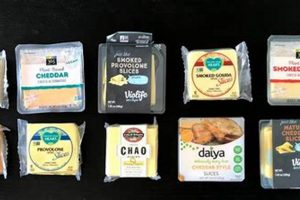
Plant-based alternatives to traditional dairy cheese have gained significant traction, driven by dietary preferences and health concerns. Within this category, a subset of products caters to individuals seeking to reduce their sodium intake. These modified food items offer a way to enjoy familiar culinary experiences without the typically high sodium content associated with conventional cheese production. For example, a cashew-based spread formulated with potassium chloride instead of sodium chloride exemplifies this product type.
The significance of sodium-reduced, plant-derived cheese analogs stems from several factors. Excessive sodium consumption is linked to increased risk of hypertension and cardiovascular disease. Therefore, offering palatable and readily available alternatives becomes crucial for public health. Historically, cheese-making processes relied heavily on sodium chloride for preservation and flavor enhancement. Adapting these processes to minimize sodium while maintaining acceptable taste and texture represents a considerable advancement. The availability of these products allows individuals adhering to vegan diets to also manage their sodium intake effectively.
The following discussion will delve into the manufacturing processes, nutritional profiles, and sensory characteristics of reduced-sodium, plant-sourced cheese substitutes. Furthermore, it will examine the available product options, compare them to their traditional counterparts, and explore the challenges and innovations in this evolving food technology sector. This analysis aims to provide a comprehensive understanding of the advancements in creating healthier, plant-based cheese options.
Guidance on Incorporating Sodium-Reduced, Plant-Based Cheese Alternatives
This section provides practical guidance for individuals seeking to integrate plant-based cheese alternatives with minimized sodium content into their diets. These recommendations focus on informed selection and strategic usage.
Tip 1: Scrutinize Nutritional Labels. Prioritize examination of the sodium content per serving. Compare different brands and varieties to identify options with the lowest sodium levels. A difference of even a few milligrams per serving can contribute significantly to overall sodium intake over time.
Tip 2: Employ Reduced-Sodium Ingredients in Recipes. When utilizing plant-based cheese alternatives in cooked dishes, adjust other recipe components to reduce overall sodium. This includes utilizing low-sodium vegetable broths, herbs, and spices to enhance flavor instead of salt.
Tip 3: Consider Blending with Other Ingredients. To enhance flavor and reduce the perception of lower sodium, blend plant-based cheese alternatives with flavorful additions such as roasted vegetables (peppers, onions), herbs (basil, oregano), or spices (smoked paprika, garlic powder). These additions can compensate for the reduced saltiness.
Tip 4: Understand Product Variations. Plant-based cheeses vary considerably in their base ingredients (cashews, almonds, soy, coconut oil) and manufacturing processes. These factors influence their texture, flavor, and nutritional profiles, including sodium content. Experiment with different types to find those that best suit individual preferences and dietary needs.
Tip 5: Moderate Portion Sizes. Even sodium-reduced products can contribute to overall sodium intake if consumed in excessive quantities. Adhere to recommended serving sizes as indicated on the product label to manage sodium consumption effectively.
Tip 6: Combine with High-Potassium Foods. Potassium helps counterbalance the effects of sodium. Integrate high-potassium foods such as leafy greens, bananas, and sweet potatoes into meals that include plant-based cheese alternatives. This dietary strategy can aid in maintaining electrolyte balance.
Tip 7: Be Mindful of Additives. Some plant-based cheese alternatives may contain additives to enhance flavor or texture. While not necessarily high in sodium, individuals with sensitivities should carefully review the ingredient list before consumption.
Integrating these strategies allows individuals to enjoy plant-based cheese alternatives while effectively managing their sodium intake, contributing to overall dietary health and well-being.
The subsequent section will focus on common misconceptions surrounding plant-based cheese alternatives and provide factual information to dispel these inaccuracies.
1. Healthier dietary choice

The selection of plant-based cheese alternatives with reduced sodium content directly aligns with the pursuit of a healthier dietary regimen. Elevated sodium intake is a known risk factor for hypertension, cardiovascular disease, and renal complications. Therefore, substituting traditional cheeses, often high in sodium, with plant-derived options containing lower sodium levels contributes proactively to managing these health risks. This choice is particularly relevant for individuals with pre-existing conditions or those seeking preventative dietary modifications. For example, an individual diagnosed with pre-hypertension opting for a cashew-based cheese alternative with significantly reduced sodium demonstrably contributes to blood pressure management. The conscious decision to minimize sodium intake represents a tangible step towards promoting cardiovascular well-being.
The importance of plant-based, low-sodium cheese alternatives also extends to broader dietary considerations. Vegan diets, while often associated with positive health outcomes, can still be imbalanced if processed foods high in sodium are frequently consumed. Consequently, the availability of these specialized cheese alternatives allows individuals to adhere to vegan principles while concurrently addressing the specific concern of sodium overconsumption. The formulation of these products often necessitates adjustments to traditional cheese-making processes, favoring alternative preservatives and flavor enhancers that do not rely heavily on sodium chloride. This innovation benefits not only vegans but also any individual seeking to decrease their sodium intake without sacrificing familiar culinary experiences. A common example is the incorporation of potassium chloride, a salt substitute, in lieu of sodium chloride to maintain palatability without compromising cardiovascular health.
In summary, the connection between plant-based, low-sodium cheese alternatives and a healthier dietary choice is firmly established. The proactive reduction of sodium intake inherent in selecting these products has demonstrated potential benefits for managing blood pressure, mitigating cardiovascular risk, and facilitating adherence to specialized diets like veganism. Ongoing research and development in food technology continue to refine the palatability and nutritional profiles of these alternatives, further solidifying their role in promoting public health. While challenges remain in replicating the precise taste and texture of traditional cheeses, the health advantages of reduced sodium consumption provide a compelling rationale for their integration into a balanced and health-conscious dietary pattern.
2. Modified production methods

The production of reduced-sodium, plant-based cheese alternatives necessitates significant modifications to traditional cheese-making techniques. Conventional dairy cheese relies heavily on sodium chloride, or common salt, for several critical functions, including preservation, texture development, and flavor enhancement. Therefore, creating a comparable product without high levels of sodium requires innovative approaches across the entire manufacturing process. The removal or substantial reduction of sodium directly impacts microbial control, enzymatic activity, and the overall sensory attributes of the final product. For instance, altering the culturing process to favor lactic acid bacteria strains that are less tolerant of high salt concentrations becomes crucial. Furthermore, alternative preservation methods, such as modified atmosphere packaging or the incorporation of natural preservatives derived from plant extracts, must be implemented to ensure product safety and shelf stability.
One prominent modification involves substituting sodium chloride with other compounds that can partially mimic its functionalities. Potassium chloride is frequently employed, although its use is not without challenges. While potassium chloride contributes to a salty taste, it can also impart a slightly bitter or metallic aftertaste, particularly at higher concentrations. Consequently, careful formulation and blending with other flavor enhancers are essential to mask these undesirable attributes. Another strategy involves the incorporation of ingredients that naturally contribute umami notes, such as nutritional yeast or hydrolyzed vegetable protein. These ingredients can amplify the perceived saltiness, allowing for a further reduction in added sodium or potassium chloride. Moreover, texture modification is often required, as sodium plays a role in protein interactions and water binding. Plant-based proteins may behave differently than dairy proteins, necessitating the use of stabilizers and emulsifiers to achieve a desirable mouthfeel. A practical example of this is seen in cashew-based cheese alternatives, where modified starches or gums are often added to create a smooth and creamy texture similar to traditional cream cheese.
In conclusion, the creation of palatable and safe reduced-sodium, plant-based cheese alternatives hinges on significant adaptations to conventional cheese-making processes. The replacement or reduction of sodium necessitates the exploration of alternative preservation techniques, flavor enhancers, and texture modifiers. While challenges remain in replicating the complex sensory profile of traditional dairy cheese, ongoing research and development in food science continue to yield innovative solutions. The successful implementation of these modified production methods is crucial for providing consumers with healthier options without compromising taste or quality. These innovations underscore the growing importance of food technology in addressing dietary concerns and promoting public health.
3. Taste and texture alternatives

The development of plant-based cheese alternatives with reduced sodium content presents significant challenges in replicating the sensory characteristics of traditional dairy cheese. Alterations to sodium levels and the substitution of animal-derived components necessitate innovative approaches to achieve acceptable taste and texture profiles. The following details outline critical facets of this undertaking.
- Base Ingredient Influence
The primary ingredient used as a base material, such as cashews, almonds, soy, or coconut oil, substantially impacts the resultant taste and texture. Cashew-based cheeses often exhibit a creamy texture, while coconut oil-based alternatives may possess a firmer consistency. Soy-based options can vary widely depending on processing methods. The inherent flavor of the base ingredient must be carefully managed to minimize undesirable notes and complement the desired cheese flavor profile. For instance, the distinct flavor of coconut oil might require careful balancing with other flavor compounds to avoid dominating the overall taste.
- Texturizing Agents and Stabilizers
To compensate for the removal of sodium and the absence of dairy proteins, texturizing agents and stabilizers are frequently incorporated. These additives, which may include modified starches, gums (such as xanthan or guar gum), or carrageenan, play a critical role in achieving the desired mouthfeel and preventing separation or syneresis. The selection and concentration of these agents directly affect the firmness, creaminess, and overall texture of the plant-based cheese. Improper use can result in undesirable characteristics, such as a gummy or overly processed texture.
- Flavor Development Strategies
Replicating the complex flavors of aged dairy cheese necessitates the use of flavor development strategies. These strategies may involve the incorporation of nutritional yeast to impart cheesy notes, the addition of lactic acid or other organic acids to provide tanginess, or the use of enzymatic processes to break down proteins and fats into flavorful compounds. Smoke flavorings, herbs, and spices are also commonly employed to enhance the overall taste profile. The successful combination of these elements is crucial for creating a palatable and convincing cheese alternative. An example is the use of fermentation processes similar to those used in traditional cheese making, but applied to plant-based substrates, to develop complex and nuanced flavors.
- Melting and Cooking Properties
A significant challenge lies in replicating the melting and cooking properties of dairy cheese. Many plant-based cheese alternatives do not melt in the same manner as traditional cheese, and some may become oily or separate when heated. Consequently, specific formulations are designed to improve melting characteristics. These formulations often incorporate ingredients that promote emulsification and prevent oil separation. Consumers should be aware of these differences and select products that are specifically formulated for melting or cooking applications to achieve optimal results in recipes. Examples include modified starch blends that create a more cohesive melt or the addition of specific plant-based fats that have a melting point closer to that of dairy cheese fats.
These facets underscore the complexities involved in producing palatable and texturally acceptable reduced-sodium, plant-based cheese alternatives. Continuous innovation in ingredient selection, processing techniques, and flavor development is essential for improving the sensory qualities of these products and meeting the evolving demands of consumers seeking healthier and more sustainable dietary options.
4. Ingredient base variations

The selection of the primary ingredient for plant-based cheese alternatives significantly impacts the feasibility and characteristics of formulating reduced-sodium variants. Different plant sources exhibit varying inherent flavors, textures, and nutritional profiles, each necessitating distinct processing techniques to achieve a palatable and structurally sound product. The inherent sodium content of the base ingredient and its interaction with sodium reduction strategies play a crucial role in the final product attributes.
- Cashew-Based Formulations
Cashews offer a naturally creamy texture upon blending, making them a popular base for plant-based cheese. However, cashews also contain inherent fats that require careful management during processing. When formulating low-sodium versions, the flavor contribution of the cashews becomes more pronounced due to the absence of masking sodium chloride. Consequently, techniques such as fermentation or the addition of carefully selected flavor enhancers are often employed to balance the taste profile. The high fat content can also affect melting properties, requiring the addition of modified starches or gums to achieve desirable melting characteristics. For example, a cashew-based cream cheese alternative might utilize tapioca starch to enhance its spreadability while maintaining a low sodium content.
- Soy-Based Formulations
Soybeans represent a widely available and protein-rich base for plant-based products. However, soy-based cheese alternatives often require more extensive processing to overcome inherent beany flavors and achieve a palatable texture. Soy protein isolates or concentrates are frequently used, which can influence the sodium content depending on the extraction and purification methods employed. Low-sodium soy-based cheeses may incorporate fermentation processes to improve flavor and texture, as well as to reduce off-flavors. The relatively lower fat content compared to cashews necessitates the addition of plant-based oils to achieve a creamy mouthfeel. An example includes a soy-based cheddar alternative that undergoes lactic acid fermentation to develop a sharper flavor, compensating for the reduced saltiness.
- Coconut Oil-Based Formulations
Coconut oil provides a solid fat base that can mimic the texture of hard cheeses. However, coconut oil has a distinct flavor profile and a high saturated fat content, which are considerations for formulation. Low-sodium versions of coconut oil-based cheese alternatives often rely on strong flavorings to mask the coconut taste. Textural challenges include brittleness at lower temperatures and a tendency to become oily at higher temperatures. Stabilizers and emulsifiers are crucial for achieving a desirable consistency. For instance, a coconut oil-based mozzarella alternative might utilize carrageenan to improve its melting properties and prevent oil separation when heated, while relying on added flavorings to achieve a mozzarella-like taste without the use of high levels of sodium.
- Nutritional Yeast-Based Formulations
Nutritional yeast provides a naturally savory and umami flavor, making it a valuable ingredient in plant-based cheese alternatives. While not typically used as a sole base ingredient, it can be incorporated to enhance the cheesy flavor and reduce the need for sodium chloride. Formulations that rely heavily on nutritional yeast may still require careful balancing of other flavor components to avoid an overly yeasty taste. The texture is typically achieved through the addition of starches, gums, or other plant-based proteins. An example is a spreadable plant-based cheese that combines nutritional yeast with sunflower seeds and tapioca starch, creating a product with a distinctly cheesy flavor and a smooth texture, all while maintaining a low sodium level.
These variations demonstrate the interplay between the base ingredient and the strategies employed to formulate low-sodium plant-based cheese alternatives. The choice of base ingredient necessitates specific processing adjustments to address flavor, texture, and nutritional considerations, ultimately influencing the overall success of the final product in replicating the desired characteristics of traditional dairy cheese while meeting dietary sodium restrictions.
5. Nutritional profile analysis
Nutritional profile analysis is paramount in evaluating the healthfulness and suitability of low-sodium vegan cheese alternatives. The deliberate reduction of sodium necessitates a comprehensive assessment of other nutrients to ensure the product remains nutritionally balanced. Reducing sodium can impact flavor and preservation, leading to the addition of alternative ingredients that may alter the overall nutritional composition. Therefore, a thorough analysis becomes critical to verify that these alterations do not compromise the intended health benefits or introduce unintended consequences. For example, the substitution of sodium chloride with potassium chloride can affect the potassium-to-sodium ratio, which must be carefully monitored, particularly for individuals with renal conditions. The absence of animal-derived components inherently changes the macronutrient and micronutrient profile compared to traditional cheese, necessitating a detailed analysis to identify potential deficiencies or excesses.
Furthermore, nutritional profile analysis extends beyond basic macronutrient and micronutrient content. It encompasses the assessment of added sugars, saturated fat content (particularly relevant in coconut oil-based alternatives), and the presence of any artificial additives or preservatives introduced to compensate for the reduced sodium. The analysis should also consider the bioavailability of nutrients in the plant-based matrix. For instance, iron absorption from plant sources is generally lower than from animal sources, requiring careful consideration of iron content and potential fortification strategies. Detailed analysis should also include an examination of potential allergens present in the ingredient list, such as nuts or soy, which are common bases for vegan cheese alternatives. Accurate labeling of nutritional information and allergen declarations is a direct result of thorough nutritional profile analysis, ensuring that consumers can make informed choices based on their individual needs and dietary restrictions. This analysis helps consumers understand the actual benefits and trade-offs when selecting low-sodium vegan cheese.
In conclusion, nutritional profile analysis is not merely a regulatory requirement but a fundamental component of responsible product development for low-sodium vegan cheese. It ensures that the reduction of sodium is achieved without compromising the overall nutritional integrity and safety of the product. The analysis enables informed decision-making for both manufacturers in optimizing their formulations and consumers in selecting products that align with their health goals and dietary preferences. Challenges remain in accurately assessing the bioavailability of nutrients in plant-based matrices, highlighting the need for continued research and refinement of analytical techniques. The application of rigorous nutritional profile analysis is crucial for the continued advancement and acceptance of low-sodium vegan cheese as a viable and healthful alternative to traditional dairy cheese.
6. Cardiovascular health benefits
The consumption of foods with reduced sodium content is widely recognized as a significant factor in maintaining and improving cardiovascular health. Plant-based cheese alternatives formulated with low sodium offer a specific avenue for achieving this dietary goal. The following discussion examines the direct and indirect cardiovascular health benefits associated with incorporating these alternatives into dietary patterns.
- Blood Pressure Management
Elevated sodium intake is a primary contributor to hypertension, a major risk factor for heart disease and stroke. Low-sodium vegan cheese alternatives directly address this risk by providing a palatable substitute for traditional cheeses, which are often high in sodium. Studies consistently demonstrate that reducing sodium intake leads to lower blood pressure levels, particularly in individuals with pre-existing hypertension. Replacing high-sodium cheeses with these alternatives allows individuals to enjoy familiar culinary experiences while actively managing their blood pressure.
- Reduced Risk of Atherosclerosis
High sodium intake can contribute to endothelial dysfunction, a critical early step in the development of atherosclerosis. Low-sodium vegan cheese alternatives, by minimizing sodium intake, help preserve endothelial function and reduce the risk of plaque buildup in arteries. Furthermore, many plant-based cheeses are lower in saturated fat and cholesterol compared to traditional dairy cheese, further contributing to a reduced risk of atherosclerosis. The combined effect of lower sodium, saturated fat, and cholesterol intake creates a synergistic benefit for vascular health.
- Improved Lipid Profile
Plant-based diets, including those incorporating low-sodium vegan cheeses, often result in improved lipid profiles. These improvements typically include lower LDL (“bad”) cholesterol levels and higher HDL (“good”) cholesterol levels. Certain plant-based ingredients, such as nuts and seeds, contain beneficial fatty acids that further contribute to favorable lipid profiles. By substituting dairy cheese with plant-based alternatives, individuals can potentially improve their cholesterol levels and reduce their risk of cardiovascular events.
- Weight Management Support
Obesity is a significant risk factor for cardiovascular disease. Low-sodium vegan cheese alternatives can indirectly support weight management by offering a lower-calorie alternative to traditional cheese. Additionally, plant-based diets are often associated with higher fiber intake, which promotes satiety and can help control appetite. Integrating these alternatives into a balanced, plant-based dietary pattern can contribute to weight loss or maintenance, further reducing the risk of cardiovascular complications.
The cumulative effect of these benefits underscores the potential for low-sodium vegan cheese alternatives to contribute positively to cardiovascular health. While not a singular solution, these products offer a practical and accessible dietary modification for individuals seeking to reduce their sodium intake and improve their overall cardiovascular well-being. Further research is needed to fully elucidate the long-term effects of incorporating these alternatives into diverse dietary patterns, but the existing evidence supports their role as a valuable tool in promoting heart health.
Frequently Asked Questions
This section addresses common inquiries regarding plant-based cheese alternatives formulated with reduced sodium content. The following questions and answers provide clarity on various aspects of these products, from their composition to their culinary applications.
Question 1: What constitutes a “low sodium” designation for vegan cheese?
The term “low sodium” is generally defined by regulatory agencies, such as the Food and Drug Administration (FDA) in the United States, as containing 140 milligrams or less of sodium per serving. However, specific thresholds may vary depending on local regulations and labeling standards. Consumers should consult the nutrition facts panel on product packaging for precise sodium content information.
Question 2: What are the primary ingredients used to create low sodium vegan cheese?
Common base ingredients include cashews, almonds, soy, coconut oil, and blends thereof. These ingredients provide the structural foundation for the cheese alternative. Additional components, such as modified starches, gums, and flavorings, are incorporated to achieve the desired texture and taste profiles. The specific ingredient composition varies depending on the brand and product type.
Question 3: How is the flavor of cheese replicated in low sodium vegan alternatives?
Flavor development relies on various techniques, including fermentation processes, the addition of nutritional yeast (which provides a savory, cheesy flavor), lactic acid to impart tanginess, and carefully selected herbs and spices. Umami-rich ingredients, such as hydrolyzed vegetable protein, may also be used to enhance the perception of saltiness without increasing sodium content.
Question 4: Do low sodium vegan cheeses melt similarly to dairy cheese?
Melting properties vary significantly among different brands and types of low sodium vegan cheese. Some formulations are specifically designed to melt, while others may not melt as readily or may become oily when heated. Consumers should consult product descriptions or conduct small-scale tests to determine the suitability of a particular cheese alternative for melting applications.
Question 5: What are the potential health benefits of consuming low sodium vegan cheese?
The primary benefit is a reduced sodium intake, which can contribute to lower blood pressure and a decreased risk of cardiovascular disease. Plant-based cheeses may also be lower in saturated fat and cholesterol compared to traditional dairy cheese, further supporting cardiovascular health. Individuals with lactose intolerance or dairy allergies can also benefit from these alternatives.
Question 6: Are there any potential drawbacks to consuming low sodium vegan cheese?
Some low sodium vegan cheeses may contain a higher proportion of saturated fat, particularly those made with coconut oil. It is important to carefully review the nutrition facts panel and choose options that are relatively low in saturated fat. Furthermore, some individuals may find the taste and texture of these alternatives to be different from traditional dairy cheese, requiring an adjustment in culinary expectations.
In summary, low sodium vegan cheese alternatives offer a valuable dietary option for individuals seeking to reduce their sodium intake and embrace plant-based eating patterns. Understanding the specific characteristics of these products, including their ingredients, flavor profiles, and melting properties, is essential for making informed choices and maximizing their culinary potential.
The following section will delve into specific product reviews and comparisons of different low sodium vegan cheese brands currently available on the market.
Conclusion
This exploration has detailed the multifaceted nature of low sodium vegan cheese, from its modified production methods and varying ingredient bases to its potential cardiovascular health benefits. The analysis underscores the challenges in replicating the sensory attributes of traditional dairy cheese while adhering to stringent sodium restrictions. A thorough understanding of nutritional profiles, flavor development strategies, and texturizing techniques is crucial for both manufacturers and consumers seeking to navigate this product category effectively. The implementation of informed selection criteria and appropriate culinary usage allows for the successful integration of these alternatives into sodium-conscious diets.
The continuing evolution of food technology promises further advancements in the palatability and nutritional optimization of low sodium vegan cheese. As dietary awareness grows and the demand for plant-based options increases, ongoing research and development will be critical in addressing current limitations and expanding the range of accessible, flavorful, and healthful alternatives. Future exploration should focus on sustainable ingredient sourcing and minimizing environmental impact, ensuring that low sodium vegan cheese contributes not only to individual well-being but also to a more responsible and resilient food system.