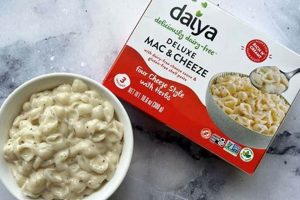
A plant-based variation of a classic comfort food, this dish combines creamy, dairy-free macaroni and cheese with the spicy tang of buffalo sauce. Typically, the “cheese” component is achieved through a base of blended nuts (cashews are common), vegetables (potatoes, carrots, or butternut squash), or commercially produced vegan cheese alternatives. This base is then combined with nutritional yeast for a cheesy flavor, along with spices and seasonings to mimic the traditional taste of cheddar. The buffalo flavor is introduced via hot sauce, usually Frank’s RedHot or a similar vinegar-based sauce, often tempered with vegan butter or oil for richness and balance.
The popularity of this dish stems from several factors. It provides a vegan-friendly alternative to a beloved comfort food, allowing individuals adhering to plant-based diets to enjoy a familiar flavor profile. The combination of creamy textures and spicy heat creates a satisfying culinary experience. Furthermore, it can be a source of plant-based protein and vitamins, depending on the ingredients used in the cheese sauce. The development of this dish reflects the increasing demand for innovative and accessible vegan options, particularly within the realm of comfort food.
Further discussion will explore variations in ingredients and preparation techniques, offering insight into crafting this dish at home. The following sections will also delve into the nutritional aspects and potential health benefits, as well as provide tips for customizing the recipe to individual preferences and dietary needs.
Crafting Plant-Based Spicy Macaroni and Cream
Maximizing the potential of this dish requires careful consideration of ingredients and techniques. The following tips are intended to guide the creation of a flavorful and texturally satisfying result.
Tip 1: Optimize Cashew Soaking: Raw cashews form a base for many vegan cheese sauces. Soaking them in hot water for at least 30 minutes, or preferably overnight, ensures they blend into a smooth and creamy consistency, free of graininess.
Tip 2: Select the Appropriate Vegan Cheese Alternative: If using a commercially produced vegan cheese, choose one designed for melting. Blocks or shreds typically yield better results than sliced varieties. Pre-shredded options often contain cellulose, which can inhibit melting; shredding a block yourself is preferred.
Tip 3: Balance the Buffalo Sauce: The intensity of buffalo sauce varies widely. Start with a smaller amount and gradually increase to the desired level of heat. Incorporating vegan butter or a neutral oil helps mellow the acidity and create a richer flavor profile.
Tip 4: Nutritional Yeast Application: Nutritional yeast is essential for achieving a cheesy flavor. Start with a small amount and adjust to taste. Overuse can result in a bitter or unpleasant aftertaste.
Tip 5: Consider Vegetable Purees: Incorporating cooked and pureed vegetables, such as butternut squash or sweet potato, adds natural sweetness and depth of flavor to the cheese sauce, while also enhancing its creamy texture. Ensure the puree is smooth to avoid lumps.
Tip 6: Textural Contrast: Add textural elements to the final dish to enhance the eating experience. Breadcrumbs, crushed vegan crackers, or chopped vegetables provide a satisfying contrast to the creamy sauce.
Tip 7: Pasta Selection: The shape of the pasta affects the sauce adherence and overall mouthfeel. Elbow macaroni is traditional, but shells, cavatappi, or rotini also work well due to their ability to capture the sauce effectively.
Adhering to these recommendations will significantly improve the texture, flavor, and overall enjoyment of this dish. Experimentation with various ingredients and techniques is encouraged to tailor the recipe to specific preferences.
Further exploration will now move on to variations, nutritional information, and customization possibilities.
1. Vegan Cheese Source

The selection of a vegan cheese source is paramount in creating a successful plant-based buffalo macaroni and cheese. It directly influences the overall flavor profile, texture, and melting properties of the dish, diverging significantly from dairy-based counterparts.
- Cashew-Based Sauce
Cashew-based sauces involve blending soaked cashews with water, nutritional yeast, and seasonings to achieve a creamy, cheese-like consistency. This method allows for control over the ingredient list and offers a naturally sweet flavor that can be balanced with savory elements. However, the absence of traditional dairy proteins may result in a less pronounced melt and a slightly different mouthfeel compared to dairy cheese.
- Commercial Vegan Cheese
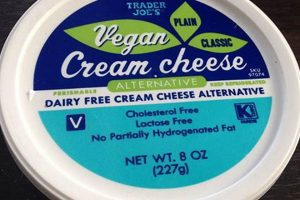
Commercial vegan cheeses, derived from various plant-based sources such as soy, nuts, or tapioca starch, provide convenience and often mimic the melting and stretching characteristics of dairy cheese more closely. However, the flavor profile can vary significantly between brands, with some exhibiting a distinct artificial taste. Careful selection is crucial to ensure a compatible taste pairing with the buffalo sauce.
- Vegetable-Based Sauce
Vegetable-based sauces, primarily utilizing potatoes, carrots, or butternut squash, offer a nutrient-rich alternative. These vegetables are blended with nutritional yeast and seasonings to create a creamy base. While naturally sweet, they lack the strong cheesy flavor of other options, requiring careful balancing with umami-rich ingredients like miso paste or vegetable broth for greater depth.
- Nutritional Yeast Reliance
Regardless of the primary base (cashews, commercial cheese, or vegetables), nutritional yeast remains a critical component. It provides a characteristic cheesy flavor due to its glutamic acid content. The amount of nutritional yeast used directly influences the intensity of the “cheesy” flavor, and overreliance can lead to a bitter aftertaste, highlighting the need for careful calibration.
In conclusion, the choice of a vegan cheese source profoundly shapes the culinary outcome. Each option, from cashew-based to commercial alternatives, presents unique characteristics requiring specific adjustments to the recipe. The selected cheese directly influences the balance between the dish’s creamy base and the assertive buffalo sauce, impacting the overall flavor and textural harmony.
2. Buffalo Sauce Intensity

Buffalo sauce intensity represents a crucial factor influencing the flavor profile and overall appeal of a vegan buffalo macaroni and cheese dish. The appropriate level of heat and tang is essential to achieve a balanced and enjoyable culinary experience, accommodating varying tolerance levels and preferences.
- Scoville Scale Considerations
The Scoville scale quantifies the pungency (spiciness or “heat”) of chili peppers, and by extension, buffalo sauces derived from them. Selecting sauces with known Scoville Heat Unit (SHU) ratings allows for precise control over the dish’s spiciness. A mild sauce may range from 100-1,000 SHU, while a hot sauce can exceed 30,000 SHU. Understanding the SHU values of available sauces is vital for adjusting the intensity according to desired outcomes.
- Vinegar Acidity and Flavor Balance
Traditional buffalo sauce relies on a vinegar base, contributing to its signature tang. The type and amount of vinegar significantly impact the sauce’s overall acidity and perceived heat. A high vinegar content can intensify the spiciness and create a sharper, more pronounced flavor. Balancing the vinegar with other ingredients, such as vegan butter or neutral oils, is essential to mitigate the acidity and create a smoother, more rounded taste.
- Modifying Heat Through Additives
The perceived intensity of buffalo sauce can be modulated by incorporating additional ingredients. For instance, adding brown sugar or maple syrup introduces sweetness, counteracting the spiciness. Conversely, incorporating chili powder or cayenne pepper elevates the heat level. Dairy-free sour cream or yogurt alternatives can be folded into the sauce to temper the spiciness and add creaminess, though care must be taken to maintain the vegan integrity of the dish.
- Impact on Vegan Cheese Flavor Perception
The intensity of the buffalo sauce interacts directly with the flavor of the vegan cheese. A mild sauce may allow the subtle nuances of a cashew-based or vegetable-based cheese to be more pronounced, while an overly aggressive heat level can mask these delicate flavors. The goal is to achieve a synergistic relationship where the spiciness enhances, rather than overwhelms, the cheese component.
Successfully managing the buffalo sauce intensity is critical for crafting a compelling vegan buffalo macaroni and cheese. From understanding Scoville units to carefully balancing vinegar acidity and strategically incorporating additives, a nuanced approach is required to achieve the desired level of spiciness and flavor harmony in the final dish.
3. Pasta Type Selection
The selection of pasta type exerts a considerable influence on the overall success and enjoyment of vegan buffalo macaroni and cheese. The texture, shape, and surface area of the chosen pasta directly affect its ability to capture and retain the sauce, thereby impacting the flavor distribution and mouthfeel of the final dish. The relationship is causal: the chosen pasta shape directly affects the sauce-to-pasta ratio and textural experience.
For instance, elbow macaroni, a traditional choice for macaroni and cheese, provides ample surface area for the creamy, spicy sauce to cling to, resulting in a balanced flavor profile in each bite. Shells, particularly medium-sized varieties, similarly offer excellent sauce capture due to their concave shape. Cavatappi, with its spiral structure, creates numerous pockets that trap the sauce, delivering a burst of flavor with every mouthful. Conversely, smoother pasta shapes, such as spaghetti or fettuccine, are less effective at retaining the sauce, potentially leading to a disproportionate amount of sauce remaining at the bottom of the dish, resulting in an imbalanced flavor experience. Rigatoni, with its ridges, is a mid-range choice offering more texture than smooth pasta but less sauce clinging ability than elbow macaroni or shells. Understanding these differences allows cooks to purposefully manipulate the sauce-to-pasta ratio to suit individual taste.
Ultimately, selecting the appropriate pasta type for vegan buffalo macaroni and cheese is not merely an aesthetic decision but a crucial element in achieving a cohesive and satisfying culinary outcome. The chosen pasta affects the sauce retention, texture, and overall flavor balance. While elbow macaroni remains a classic choice, experimenting with various shapes such as shells, cavatappi, or even rotini can offer unique textural and flavor experiences. The key lies in understanding the interplay between pasta shape and sauce characteristics to create a well-integrated and flavorful dish. Neglecting this element undermines the potential of the final product, leading to a less enjoyable result.
4. Texture Contrast Components
Texture contrast constitutes a significant, often overlooked, aspect of culinary design, particularly in a dish like a plant-based spicy cheese and pasta creation. The strategic incorporation of diverse textures elevates the overall eating experience, preventing monotony and enhancing sensory satisfaction.
- Breadcrumb Topping
A toasted breadcrumb topping, prepared with gluten-free or traditional breadcrumbs, introduces a crisp, dry counterpoint to the creamy sauce and tender pasta. This textural layer provides a satisfying crunch, preventing the dish from becoming overwhelmingly soft. The breadcrumbs can be seasoned with herbs, spices, or vegan parmesan cheese to further enhance their flavor profile.
- Crispy Fried Onions
Crispy fried onions, either commercially prepared or made from scratch, offer a savory and slightly sweet element that contrasts with the spiciness of the buffalo sauce. Their brittle texture provides a break from the creamy and tender components, adding complexity to the overall mouthfeel. They introduce a savory note to the recipe.
- Chopped Fresh Vegetables
Incorporating fresh, chopped vegetables, such as celery, bell peppers, or green onions, introduces a cool, crisp element to the dish. These vegetables provide a refreshing counterpoint to the richness of the sauce and the warmth of the pasta, adding both textural and flavor complexity. Their inherent moisture content also contributes to the overall balance of the dish.
- Crushed Vegan Crackers
Crushed vegan crackers, such as gluten-free or whole-wheat varieties, offer a salty, crunchy texture that complements the creamy sauce and spicy buffalo flavor. The irregular shapes of the crushed crackers provide a more rustic and visually appealing topping compared to uniform breadcrumbs. The crackers can be seasoned with herbs or spices to further enhance their flavor profile.
These textural variations within the dish not only enhance sensory perception but also contribute to a more complete and satisfying culinary experience. The interplay between creamy, crunchy, and crisp elements elevates it beyond a simple comfort food, transforming it into a more nuanced and sophisticated offering. Neglecting textural components limits its potential, resulting in a less engaging and potentially monotonous meal.
5. Creaminess Enhancement Methods

Achieving optimal creaminess in plant-based spicy cheese and pasta is critical to replicating the textural satisfaction of its dairy-based counterpart. Dairy-free sauces inherently lack the emulsifying properties of dairy fat, necessitating alternative techniques to create a smooth, velvety consistency. Failure to address this can result in a grainy, watery sauce that compromises the entire dish. Various methods can be employed, each leveraging different principles of food science to attain the desired result. A common approach involves incorporating soaked and blended cashews. The cashews, when properly prepared, release their natural oils, creating an emulsion that mimics the richness of cream. Another approach involves the use of vegetable purees, such as butternut squash or sweet potato. These purees add not only creaminess but also a subtle sweetness that complements the spicy buffalo sauce. Additionally, the strategic use of vegan butter alternatives contributes to the mouthfeel by providing richness and preventing the sauce from separating. Emulsifiers, such as lecithin, can also be incorporated to improve the stability of the sauce, though their use requires careful measurement to avoid altering the flavor profile negatively.
The selection of a specific method or combination thereof is often dictated by the other ingredients in the recipe and the desired flavor profile. For instance, a recipe utilizing commercially produced vegan cheese may require fewer additional creaminess enhancers, as these products often contain stabilizers and emulsifiers already. Conversely, a recipe relying solely on vegetable-based sauces may benefit from the addition of both blended cashews and vegan butter to compensate for the lack of inherent fat content. The order in which ingredients are incorporated can also impact the final texture. For example, blending the cashews with a small amount of hot liquid before adding other ingredients can help to create a smoother emulsion. Simmering the sauce gently, rather than boiling it vigorously, prevents separation and maintains the desired creamy consistency. Real-world application reveals that recipes omitting these creaminess enhancement steps consistently produce sauces that are less appealing in texture and overall mouthfeel. This deficiency detracts from the overall enjoyment of the dish, irrespective of the quality of other components.
In summary, creaminess enhancement in plant-based macaroni and cheese is not merely a matter of preference but a fundamental element that dictates the success of the dish. Utilizing methods such as soaked cashews, vegetable purees, and vegan butter alternatives addresses the inherent limitations of dairy-free sauces. Strategic application of these techniques results in a smooth, velvety texture that replicates the sensory experience of traditional macaroni and cheese, enhancing the overall palatability and consumer satisfaction. However, potential challenges exist, including allergen considerations for nut-based methods and the potential for flavor alterations with certain emulsifiers. Addressing these requires careful consideration of ingredient selection and precise execution of preparation techniques. Proper implementation of creaminess enhancement methods is crucial to transforming plant-based macaroni and cheese from a simple imitation into a genuinely satisfying culinary experience.
Frequently Asked Questions
This section addresses common inquiries and misconceptions regarding vegan buffalo macaroni and cheese, providing clear and concise answers to enhance understanding of this dish.
Question 1: Is vegan buffalo macaroni and cheese truly dairy-free?
Yes, authentic vegan buffalo macaroni and cheese excludes all animal-derived ingredients, including dairy. The “cheese” component typically utilizes plant-based alternatives like cashew cream, nutritional yeast, or commercially produced vegan cheeses. Thorough ingredient verification is advisable, particularly when consuming commercially prepared versions.
Question 2: Does it taste like traditional buffalo macaroni and cheese?
The flavor profile aims to emulate traditional buffalo macaroni and cheese through the use of buffalo sauce and cheese-like substitutes. However, subtle differences in taste are expected due to the absence of dairy fats and proteins. The specific vegan cheese alternative employed significantly influences the final flavor.
Question 3: Is this dish nutritionally comparable to traditional buffalo macaroni and cheese?
Nutritional profiles diverge. While vegan versions may be lower in saturated fat and cholesterol, they can vary in protein, calcium, and vitamin content depending on the ingredients used. Careful selection of plant-based cheese alternatives and incorporation of nutrient-rich vegetables can enhance the nutritional value.
Question 4: Can the level of spiciness be controlled?
The intensity of the buffalo sauce is adjustable. Utilizing mild buffalo sauce, diluting it with vegan butter or oil, or adding a touch of sweetness (e.g., maple syrup) moderates the spiciness. Conversely, incorporating additional hot sauce or chili flakes elevates the heat level.
Question 5: Are there common allergens to be aware of?
Common allergens include nuts (cashews), soy (in some vegan cheeses), and gluten (in traditional pasta and breadcrumb toppings). Individuals with allergies should meticulously examine ingredient lists and consider substitutions as necessary. Gluten-free pasta and breadcrumb alternatives are readily available.
Question 6: How long does it typically take to prepare this dish?
Preparation time varies depending on the complexity of the recipe and the ingredients used. Simple recipes employing commercially prepared vegan cheese and buffalo sauce can be completed within 30 minutes. More elaborate recipes involving homemade cashew cream and sauces may require upwards of an hour.
Vegan buffalo macaroni and cheese presents a plant-based adaptation of a popular dish, offering a satisfying alternative for individuals adhering to vegan or dairy-free diets. Understanding the nuances of its ingredients and preparation methods is crucial for achieving a palatable and nutritionally balanced outcome.
The subsequent section will delve into recipe variations and considerations for optimizing the dish based on individual dietary needs and preferences.
Conclusion
This exploration has illuminated the multifaceted aspects of plant-based spicy cheese and pasta, ranging from ingredient selection and preparation techniques to textural considerations and nutritional implications. A comprehensive understanding of vegan cheese sources, buffalo sauce intensity, pasta types, textural components, and creaminess enhancers is essential for achieving a successful culinary outcome. Furthermore, addressing common questions and potential allergens promotes informed consumption and inclusivity.
Vegan spicy cheese and pasta represents more than a simple replication of a traditional dish; it embodies a commitment to plant-based alternatives within the realm of comfort food. As culinary innovation continues, further advancements in ingredient technology and recipe development are anticipated, solidifying the place of plant-based macaroni and cheese within mainstream cuisine. Further research into nutritional optimization and sustainable sourcing of ingredients will be crucial to ensure the continued evolution and relevance of the dish.