Nutritional information pertaining to plant-based cheese alternatives encompasses a range of data points, including caloric content, macronutrient profiles (fat, protein, carbohydrates), and micronutrient composition (vitamins, minerals). Analyzing this data allows consumers to understand the potential health implications of incorporating these products into their diets. For example, the nutritional content will vary considerably depending on the base ingredient such as cashew, soy, or coconut oil and whether it is enriched with vitamins or minerals.
Understanding the composition of these products is important for individuals adhering to specific dietary guidelines, such as those managing sodium intake, seeking higher protein sources, or monitoring saturated fat consumption. Historically, the availability of detailed nutritional analysis has lagged behind product development, making informed dietary choices challenging. However, increased consumer demand for transparency has driven improvements in labeling and data accessibility, ultimately promoting healthier eating habits and better-informed decisions.
The following sections will delve into the typical macronutrient breakdown found in common plant-based cheese types, compare and contrast their nutritional profiles with traditional dairy cheese, and offer guidance on selecting options that align with individual nutritional needs and health goals. Considerations will be made for the presence of allergens, potential nutrient deficiencies, and the overall role these alternatives play in a balanced vegan diet.
Careful consideration of nutritional attributes is paramount when integrating plant-based cheese alternatives into a diet. Evaluating ingredient lists and understanding their implications is crucial for informed dietary choices.
Tip 1: Scrutinize Ingredient Lists. Prioritize products with recognizable, whole-food ingredients and minimal additives. The primary ingredient, whether nuts, seeds, or legumes, significantly impacts the overall nutrient profile.
Tip 2: Evaluate Fat Content and Type. Be mindful of total fat and saturated fat levels. Coconut oil-based alternatives often contain higher saturated fat levels, warranting moderation. Opt for options with unsaturated fats from sources like nuts or olive oil.
Tip 3: Assess Protein Contribution. Many plant-based cheeses offer limited protein. If protein intake is a concern, select options fortified with plant-based protein sources or complement these cheeses with other protein-rich foods.
Tip 4: Consider Sodium Content. Like traditional cheese, some plant-based varieties can be high in sodium. Compare labels and choose lower-sodium options to support cardiovascular health.
Tip 5: Check for Fortification. Some manufacturers fortify their products with essential nutrients like Vitamin B12, which is crucial for vegans. Determine if a product meets a dietary need.
Tip 6: Be Aware of Potential Allergens. Nut-based cheeses, in particular, can pose an allergen risk. Always check ingredient lists and be mindful of cross-contamination if allergies are a concern.
Tip 7: Compare Nutritional Information to Dairy Cheese. Plant-based cheeses are not nutritionally identical to dairy cheese. Compare macronutrient ratios, vitamin and mineral content to ensure they align with your dietary needs.
By carefully evaluating the ingredient lists and nutritional information associated with these plant-based alternatives, consumers can make well-informed decisions that support their individual health and wellness objectives.
The following sections will delve further into the implications of incorporating these alternatives into specific dietary contexts and outline strategies for creating nutritionally complete and balanced vegan meals.
1. Macronutrient Composition

The macronutrient composition of vegan cheese alternatives is a primary determinant of their nutritional profile and suitability within various dietary contexts. Understanding the proportions of fats, proteins, and carbohydrates is crucial for consumers seeking to make informed choices.
- Fat Content and Source
Vegan cheeses exhibit significant variation in fat content, often dictated by the base ingredient. Coconut oil-based varieties tend to possess higher levels of saturated fat, potentially influencing cholesterol levels if consumed excessively. Conversely, nut-based options, such as those made from cashews or almonds, can offer a higher proportion of unsaturated fats, which are generally considered more beneficial for cardiovascular health. The total fat content also contributes to the overall caloric density of the product, necessitating consideration for weight management.
- Protein Contribution
The protein content of vegan cheeses is typically lower than that of traditional dairy cheese. However, the inclusion of ingredients like soy protein isolate or nutritional yeast can enhance the protein profile. Individuals relying on plant-based cheese as a protein source should carefully evaluate the protein content per serving and consider supplementing with other protein-rich foods to meet their daily requirements. Insufficient protein intake can impact muscle mass maintenance and overall satiety.
- Carbohydrate Profile
The carbohydrate content varies depending on the manufacturing process and added ingredients. Some vegan cheese alternatives contain added starches or sugars to improve texture and flavor. Consumers following low-carbohydrate diets or managing blood sugar levels should scrutinize the carbohydrate content and opt for options with minimal added sugars. Fiber content, while generally low, can be enhanced through the inclusion of ingredients like nuts and seeds.
- Macronutrient Ratios
The ratio of fat, protein, and carbohydrates significantly influences the overall nutritional value and potential health effects of vegan cheese. A high-fat, low-protein profile may necessitate careful integration into a balanced diet, while a more balanced ratio can contribute to satiety and sustained energy levels. Comparing the macronutrient ratios to those of traditional dairy cheese and other plant-based protein sources provides a valuable context for dietary planning.
In summary, the macronutrient composition is a critical facet of vegan cheese nutrition facts. The source and quantity of fats, the contribution of protein, and the carbohydrate profile all significantly impact the nutritional value and dietary implications of these products. Careful evaluation of these elements enables consumers to make informed choices that align with their individual nutritional needs and health goals.
2. Ingredient Sourcing and Nutritional Impact in Vegan Cheese

Ingredient sourcing is a pivotal element influencing the nutritional profile of plant-based cheese alternatives. The origin and processing methods of primary ingredients such as nuts, seeds, legumes, or plant-based oils directly determine the macronutrient and micronutrient composition, thereby defining the overall nutritional value. For instance, the use of organically grown cashews versus conventionally farmed cashews may affect the presence of pesticide residues in the final product and influence the levels of certain minerals absorbed by the plant during growth. Similarly, the type of processing applied to the base ingredient, such as whether a nut milk is raw or pasteurized, can impact the levels of heat-sensitive vitamins and enzymes.
The selection of plant-based oils, such as coconut oil, palm oil, or olive oil, as binding agents or flavor enhancers also plays a significant role. Coconut and palm oils, being high in saturated fats, will contribute to a less favorable fatty acid profile compared to olive oil, which is rich in monounsaturated fats. Furthermore, the inclusion of additives, such as stabilizers, emulsifiers, or artificial flavors, can introduce nutritionally insignificant components that may be undesirable for consumers seeking whole-food-based alternatives. Some manufacturers also source ingredients that are genetically modified, which while deemed safe by regulatory bodies, remains a point of concern for certain consumers. Transparency in sourcing practices is therefore crucial for consumers to make informed decisions aligned with their dietary and ethical preferences.
Ultimately, ingredient sourcing is inextricably linked to the nutritional quality of vegan cheese. Understanding the origins, processing methods, and potential additives associated with each ingredient enables consumers to assess the healthfulness of these products accurately. Manufacturers who prioritize sustainable and transparent sourcing practices can offer plant-based cheese alternatives that not only cater to dietary restrictions but also contribute positively to overall nutritional well-being. Further research and clear labeling initiatives are essential to empower consumers in navigating the increasingly diverse landscape of vegan cheese options.
3. Vitamin Fortification

Vitamin fortification significantly impacts the nutritional profile of vegan cheese, addressing potential deficiencies common in plant-based diets. Specifically, vitamin B12, an essential nutrient primarily found in animal products, is frequently added to vegan cheese alternatives. This fortification aims to mitigate the risk of B12 deficiency, which can lead to neurological damage and anemia. The presence of adequate B12 transforms the product from a mere substitute into a more nutritionally complete food source.
Calcium fortification is another important consideration. While some plant-based ingredients, such as certain nuts and seeds, naturally contain calcium, the levels may not be sufficient to meet daily requirements. Fortifying vegan cheese with calcium helps to bridge this gap, promoting bone health and overall physiological function. Vitamin D fortification, often linked with calcium absorption, further enhances the nutritional value. For example, a vegan cheese fortified with both calcium and vitamin D mimics the benefits of dairy cheese in supporting bone density. However, the bioavailability of added vitamins can vary depending on the form used and the presence of other ingredients that may inhibit absorption.
In conclusion, vitamin fortification plays a crucial role in enhancing the nutritional adequacy of vegan cheese, particularly concerning vitamin B12, calcium, and vitamin D. While fortification addresses specific nutrient gaps, it is essential to consider the bioavailability of added vitamins and to view fortified vegan cheese as one component of a well-balanced plant-based diet rather than a complete nutritional solution. Further research into optimal fortification strategies and bioavailability is needed to maximize the benefits of these products.
4. Mineral Content

Mineral content is a critical aspect of vegan cheese nutrition facts, directly influencing the nutritional value and potential health benefits of these plant-based alternatives. The presence and concentration of essential minerals contribute significantly to the overall dietary profile and suitability of vegan cheese within diverse eating patterns.
- Calcium Bioavailability
Calcium is essential for bone health, nerve function, and muscle contraction. While some vegan cheeses are fortified with calcium, the bioavailability of this mineral can vary. Factors such as the presence of phytic acid in nuts and seeds may inhibit calcium absorption. Therefore, understanding the source and form of calcium added to vegan cheese is vital for assessing its contribution to overall calcium intake. Selecting options fortified with calcium phosphate or calcium citrate, which exhibit higher bioavailability, can improve calcium absorption. For example, a vegan cheese made with almond milk fortified with calcium phosphate will likely offer better calcium absorption compared to a similar product without added calcium.
- Iron Content and Absorption
Iron is crucial for oxygen transport and energy production. Plant-based cheeses may contain iron, either naturally present in ingredients like cashews or added through fortification. However, iron absorption from plant sources (non-heme iron) is generally lower than that from animal sources (heme iron). Consuming vegan cheese with vitamin C-rich foods can enhance iron absorption. For instance, pairing a vegan cheese sandwich with a side of bell peppers or citrus fruits can improve iron uptake. Awareness of iron content and strategies to enhance absorption are critical for individuals at risk of iron deficiency, such as menstruating women and young children.
- Zinc and Magnesium
Zinc and magnesium are involved in numerous enzymatic reactions and contribute to immune function and nerve health, respectively. The mineral content of vegan cheese varies depending on the primary ingredients used in its production. Some nuts and seeds are good sources of zinc and magnesium, while others may contain lower levels. Therefore, examining the nutrition label and ingredient list can help determine the potential contribution of vegan cheese to meeting daily zinc and magnesium requirements. Choosing a cashew-based vegan cheese, for example, may provide a higher zinc and magnesium content compared to a coconut oil-based alternative.
- Sodium Levels
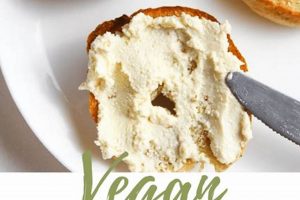
Sodium, while an essential electrolyte, is often present in excessive amounts in processed foods, including some vegan cheeses. High sodium intake can contribute to hypertension and increase the risk of cardiovascular disease. Therefore, monitoring sodium levels in vegan cheese is crucial, particularly for individuals with pre-existing health conditions or those following a low-sodium diet. Comparing the sodium content across different brands and opting for lower-sodium options can help manage overall sodium intake. For example, selecting a low-sodium vegan cream cheese alternative for bagels can significantly reduce sodium consumption compared to traditional high-sodium spreads.
These considerations underscore the importance of evaluating the mineral content of vegan cheese within the context of overall dietary intake. Understanding the bioavailability of key minerals and managing sodium levels are essential for maximizing the nutritional benefits and minimizing potential health risks associated with these plant-based alternatives. The detailed examination of mineral composition contributes significantly to a comprehensive understanding of vegan cheese nutrition facts.
5. Sodium Levels

Sodium levels constitute a critical component of vegan cheese nutrition facts due to their direct impact on cardiovascular health. Elevated sodium intake, commonly associated with processed foods, poses a significant risk factor for hypertension and related cardiovascular complications. Many vegan cheese alternatives, while offering a plant-based option, can contain substantial amounts of sodium, often comparable to or even exceeding those found in traditional dairy cheeses. The presence of sodium is primarily attributed to its use as a flavor enhancer and preservative during the manufacturing process. A direct consequence of consuming high-sodium vegan cheese is the potential for increased blood pressure, particularly in sodium-sensitive individuals. Therefore, scrutinizing sodium levels is essential for those seeking to mitigate cardiovascular risks while adhering to a vegan diet. Consider, for instance, that some commercially available vegan cheese slices contain over 300mg of sodium per serving, a significant proportion of the recommended daily intake.
The practical significance of understanding sodium levels in vegan cheese lies in enabling informed dietary choices. Awareness empowers consumers to compare nutritional labels and select options with lower sodium content. Manufacturers are increasingly offering reduced-sodium versions of popular vegan cheeses, catering to health-conscious consumers. Furthermore, individuals can modify their eating habits by pairing high-sodium vegan cheeses with low-sodium complementary foods, such as fresh vegetables, to balance overall sodium intake. The impact of this understanding extends beyond individual health, influencing market trends and encouraging manufacturers to prioritize sodium reduction in their product development. Comparing products side-by-side at the grocery store is important to avoid unknowingly selecting products high in sodium.
In summary, sodium levels are an indispensable element within vegan cheese nutrition facts, fundamentally affecting cardiovascular health. Understanding this connection allows for informed dietary decision-making, empowering individuals to minimize sodium intake and mitigate potential health risks. A challenge remains in ensuring consistent and accurate labeling practices across all vegan cheese products to facilitate consumer awareness. Further research into sodium reduction techniques during manufacturing will contribute to healthier, more accessible plant-based alternatives.
6. Fat Profiles
The composition of fat within plant-based cheese alternatives significantly influences their nutritional characteristics and overall health impact. The types and amounts of fats present directly affect caloric density, potential cardiovascular effects, and the product’s suitability for various dietary needs.
- Saturated Fat Content
Many vegan cheeses, particularly those utilizing coconut oil as a primary ingredient, exhibit elevated levels of saturated fat. Excessive consumption of saturated fats is associated with increased levels of LDL cholesterol, potentially elevating the risk of cardiovascular disease. Individuals monitoring their saturated fat intake must carefully consider the saturated fat content of these products. For example, a coconut oil-based vegan mozzarella might contain a saturated fat profile akin to that of traditional dairy mozzarella, negating some of the health advantages associated with plant-based diets.
- Unsaturated Fat Contribution
Vegan cheeses crafted from nuts, seeds, or olive oil can contribute beneficial unsaturated fats, including monounsaturated and polyunsaturated fatty acids. These fats are known to promote cardiovascular health by improving cholesterol profiles and reducing inflammation. Products using cashew nuts or almonds as their base may provide a more favorable fat profile compared to those relying on coconut oil. The inclusion of these unsaturated fats enhances the overall nutritional value of the cheese alternative.
- Omega-3 and Omega-6 Fatty Acid Ratios
The ratio of omega-3 to omega-6 fatty acids is an essential consideration in the overall fat profile. An imbalance, with excessive omega-6 fatty acids, may promote inflammation. Vegan cheeses incorporating flaxseeds or walnuts can contribute omega-3 fatty acids, helping to improve this ratio. Examining ingredient lists for these components is crucial for those seeking to optimize their fatty acid intake.
- Trans Fat Considerations
While less common due to regulatory efforts and consumer demand, the presence of trans fats should be carefully evaluated. Trans fats, primarily formed through partial hydrogenation, have detrimental effects on cardiovascular health. Nutritional labels should be thoroughly inspected to ensure the absence of trans fats in vegan cheese products. Manufacturers committed to producing healthier alternatives typically avoid the use of partially hydrogenated oils.
Understanding the detailed fat profiles of plant-based cheese alternatives is vital for making informed dietary choices. By considering the saturated fat content, the contribution of unsaturated fats, the omega-3 to omega-6 ratios, and the absence of trans fats, consumers can select options that align with their health goals and contribute to a balanced and nutritious diet. These factors ultimately determine the suitability of vegan cheese within a comprehensive eating plan.
Frequently Asked Questions
This section addresses common inquiries and misconceptions regarding the nutritional aspects of plant-based cheese alternatives. The information presented aims to provide clarity and evidence-based insights to support informed dietary choices.
Question 1: Are vegan cheeses nutritionally equivalent to dairy cheeses?
Vegan cheeses exhibit considerable variability in their nutritional composition compared to dairy cheeses. Macronutrient ratios, vitamin and mineral content, and the presence of specific additives differ significantly depending on the ingredients and manufacturing processes employed. Vegan cheese products typically contain less protein and may require fortification to match the vitamin B12 content of dairy cheese. Therefore, direct nutritional equivalency cannot be assumed, and careful label evaluation is essential.
Question 2: Do vegan cheeses provide adequate protein?
The protein content in vegan cheeses is generally lower than that of dairy cheese. While some alternatives incorporate protein isolates or nutritional yeast to enhance protein levels, these sources may not provide the same amino acid profile as dairy-derived proteins. Individuals relying on vegan cheese as a primary protein source should supplement with other protein-rich plant-based foods to ensure adequate amino acid intake.
Question 3: What are the primary concerns regarding fat content in vegan cheese?
A primary concern is the presence of high levels of saturated fat in vegan cheeses made with coconut oil. Saturated fat consumption is associated with elevated LDL cholesterol levels, potentially increasing the risk of cardiovascular disease. Consumers are advised to scrutinize the fat profiles of vegan cheese products and opt for options with lower saturated fat content and higher levels of unsaturated fats derived from nuts, seeds, or olive oil.
Question 4: Are vegan cheeses a reliable source of calcium?
Some vegan cheeses are fortified with calcium, but the bioavailability of this added calcium can vary. Calcium absorption may be inhibited by the presence of phytates in nuts and seeds. Selecting products fortified with calcium phosphate or calcium citrate, which exhibit higher bioavailability, can improve calcium absorption. Reading labels is paramount to assessing calcium content and the form of calcium used.
Question 5: Do vegan cheeses contain trans fats?
While less common due to regulations and health concerns, the presence of trans fats in vegan cheeses should be carefully evaluated. Trans fats, typically arising from partially hydrogenated oils, pose significant cardiovascular risks. Consumers should meticulously inspect nutritional labels to ensure the absence of trans fats in these products. Reputable manufacturers generally avoid using partially hydrogenated oils in their vegan cheese formulations.
Question 6: How should sodium levels be managed when consuming vegan cheese?
Sodium levels in vegan cheeses can be substantial, often comparable to those in dairy cheeses. High sodium intake is associated with increased blood pressure and cardiovascular risks. Consumers should compare sodium content across different brands and opt for lower-sodium options. Combining high-sodium vegan cheeses with low-sodium complementary foods can help mitigate the potential health effects of excessive sodium consumption.
In summary, understanding the nutritional composition of vegan cheese alternatives is crucial for informed dietary planning. Careful label evaluation, attention to macronutrient ratios, and awareness of potential nutrient deficiencies enable consumers to make choices that align with their health goals.
The following section will provide practical tips for incorporating vegan cheese into a balanced diet.
Conclusion
The preceding exploration of “vegan cheese nutrition facts” underscores the variability and complexity inherent in these plant-based alternatives. Macrontrient profiles, ingredient sourcing, vitamin and mineral fortification, and sodium levels all exert a significant influence on the overall health implications of incorporating these products into a diet. A critical evaluation of nutritional labels remains paramount for informed decision-making.
Given the evolving landscape of plant-based food options, continued research and transparent labeling practices are crucial. Consumers are encouraged to prioritize informed choices aligned with individual nutritional requirements, promoting both dietary diversity and optimal well-being. The future of vegan cheese hinges on a commitment to both culinary innovation and demonstrable nutritional integrity.