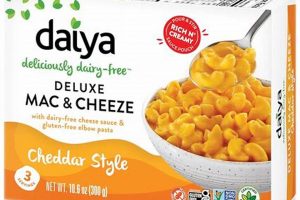
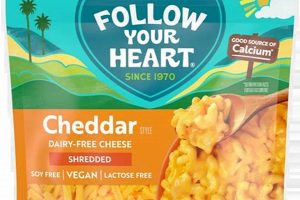
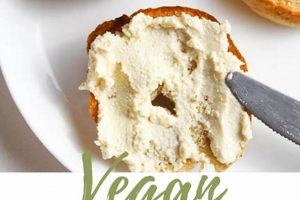
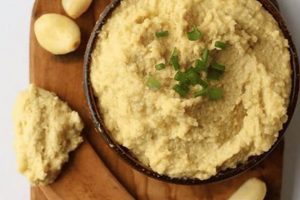
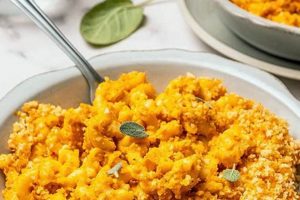
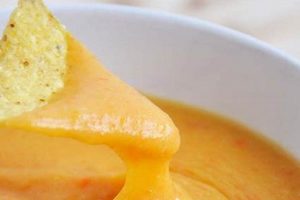
Plant-based cheese alternatives formulated without nuts are gaining traction. These products replicate the taste and texture of traditional dairy cheese using a variety of ingredients like seeds, vegetables, legumes, and starches. For instance, some versions utilize sunflower seeds, sweet potatoes, or a combination of tapioca and pea protein to achieve a creamy, meltable consistency. These options cater to individuals with nut allergies or those seeking a lower-fat alternative to nut-based vegan cheeses.
These formulations address concerns regarding allergenicity and dietary fat content. Their significance lies in expanding the accessibility of plant-based cheese to a broader audience, including those with specific dietary restrictions. Historically, many vegan cheeses relied heavily on cashews as a base ingredient. However, the rise of these alternatives represents a shift towards more inclusive and versatile plant-based options, promoting dietary diversity and addressing varying nutritional needs.
The following sections will explore the specific ingredients used in these formulations, discuss the manufacturing processes involved, and compare their nutritional profiles to both traditional dairy cheese and nut-based vegan alternatives. The discussion will also address the sensory attributes, such as taste and texture, and highlight the environmental impact of producing these increasingly popular cheese substitutes.
Tips for Working with Nut-Free Plant-Based Cheese
Achieving optimal results when utilizing plant-based cheese alternatives that exclude nuts requires specific considerations. These guidelines provide insights into maximizing flavor, texture, and overall culinary performance.
Tip 1: Consider the Ingredient Base: Nut-free options employ diverse bases, such as sunflower seeds, legumes, or vegetables. Understanding the primary ingredient influences its behavior during melting and browning.
Tip 2: Adjust Cooking Temperatures: These alternatives often melt at lower temperatures than dairy cheese. Monitoring cooking times and temperatures is crucial to prevent burning or separation.
Tip 3: Introduce Moisture Carefully: Some formulations may require added moisture for optimal melting. A small amount of plant-based milk or water can be incorporated gradually to achieve the desired consistency.
Tip 4: Experiment with Flavor Enhancements: The flavor profile of nut-free vegan cheeses can vary. Incorporating herbs, spices, nutritional yeast, or a touch of acid (like lemon juice) can enhance the overall taste.
Tip 5: Pair Appropriately: The subtle flavors of certain nut-free options pair well with delicate ingredients, whereas bolder cheeses complement stronger flavors. Consider these dynamics when developing recipes.
Tip 6: Utilize Binding Agents: When creating sauces or gratins, a small amount of tapioca starch or cornstarch can improve binding and prevent separation, contributing to a smoother, more cohesive texture.
Tip 7: Allow for Setting Time: Some varieties benefit from refrigeration after melting to allow the flavors to meld and the texture to firm up. This is especially relevant for dishes served cold.
Adhering to these guidelines facilitates successful integration into various recipes. The result is improved taste, texture and overall culinary experience with these plant-based alternatives.
The concluding section provides a comparative overview of different brands and their unique characteristics, offering further insight for selecting the most suitable option for individual needs.
1. Ingredient Diversity

The production of cheese alternatives excluding nuts necessitates a departure from traditional ingredient bases, leading to significant ingredient diversity. The absence of nuts, commonly cashews, almonds, or macadamia, compels manufacturers to explore other plant-based sources to replicate the texture and flavor profiles of dairy cheese. This reliance on diverse ingredients has a direct impact on the final product, influencing its sensory characteristics, nutritional content, and allergenicity. For example, one manufacturer may utilize a base of sunflower seeds and tapioca starch, while another could opt for a blend of sweet potatoes, white beans, and vegetable oils. This variety allows for the creation of products tailored to specific dietary needs or preferences.
The choice of ingredients also dictates the potential for different applications. A cheese alternative based on coconut oil and modified food starch, for instance, may excel at melting and stretching, making it suitable for pizzas or grilled cheese sandwiches. Conversely, a formulation relying on firm tofu and nutritional yeast might be better suited for crumbling or shredding, offering a texture similar to feta or cheddar. The practical significance of this ingredient-driven diversity is that it provides consumers with a broader range of options, each with unique properties and optimal uses. This adaptability is crucial for integrating plant-based cheeses into diverse culinary contexts.
In conclusion, the creation of nut-free plant-based cheese is fundamentally driven by the need to identify and effectively utilize a wide array of alternative ingredients. While this approach presents challenges in terms of achieving consistent quality and replicating the complex flavors of dairy cheese, it also offers the advantage of greater inclusivity and customization. By understanding the impact of different ingredients on the final product, both manufacturers and consumers can better navigate the ever-expanding landscape of plant-based cheese alternatives and select options that best meet their specific needs and preferences.
2. Allergenicity Mitigation

The formulation of plant-based cheese alternatives that exclude nuts directly addresses concerns related to allergenicity. Nuts, particularly tree nuts such as cashews, almonds, and macadamia nuts, are recognized as common food allergens, posing a risk to individuals with nut allergies. By deliberately omitting these ingredients, manufacturers of nut-free vegan cheeses aim to create products that are safer for this demographic. The elimination of nuts as a primary ingredient reduces the likelihood of allergic reactions in sensitive individuals. This focus on allergenicity mitigation broadens the appeal of plant-based cheese to a wider segment of the population, including children, adults, and families managing nut allergies.
The practical application of this mitigation strategy can be observed in the increased availability of nut-free vegan cheese options in grocery stores and restaurants. Families with nut allergies can incorporate these products into their diets without the fear of triggering allergic reactions. Schools and other institutions that serve meals to large groups of children also benefit from having access to nut-free alternatives, as they can provide safe and inclusive meal options for all students. Furthermore, the availability of nut-free vegan cheese allows individuals with nut allergies to enjoy a wider range of dishes and recipes that would otherwise be off-limits, improving their overall quality of life.
In summary, the development and promotion of nut-free vegan cheese is a significant step forward in addressing allergenicity concerns within the plant-based food sector. By actively removing nuts from the ingredient list, manufacturers are creating safer and more accessible products for individuals with nut allergies, thereby expanding the market for plant-based cheese alternatives and promoting greater dietary inclusivity. The continued innovation in this area holds the potential to further reduce the risk of allergic reactions and enhance the overall experience for consumers seeking plant-based options.
3. Texture Replication

Achieving texture comparable to dairy cheese is a central challenge in the development of nut-free plant-based alternatives. Nut-based vegan cheeses often rely on the inherent creaminess of cashews or almonds to emulate the smooth mouthfeel and spreadability associated with traditional cheese. The absence of these ingredients necessitates alternative strategies to replicate this sensory experience. This has led to diverse formulations employing ingredients such as tapioca starch, modified food starch, vegetable gums, and specific processing techniques to manipulate the viscosity and structural integrity of the final product. The efficacy of texture replication directly impacts consumer acceptance; a product that fails to deliver a palatable or familiar texture is unlikely to gain widespread adoption, regardless of its flavor profile or nutritional benefits. For example, formulations utilizing high levels of tapioca starch can achieve a desirable stretch and melt in pizza applications, while those incorporating carrageenan may provide a firmer, sliceable texture suitable for sandwiches. The choice of ingredients and processing methods is dictated by the specific type of dairy cheese being emulated and the desired application of the nut-free alternative.
The importance of texture extends beyond mere sensory appeal. It influences the functionality of the cheese alternative in various culinary applications. A cheese intended for grating must possess a crumbly texture, whereas one designed for melting requires a smooth, elastic consistency. Texture also impacts the perceived flavor of the product; a gritty or rubbery texture can negatively affect the overall taste experience. Real-world examples demonstrate this connection: early iterations of nut-free vegan cheeses often suffered from textural deficiencies, leading to limited consumer interest. However, advancements in food science and processing technology have enabled manufacturers to overcome these challenges, resulting in products that more closely resemble the texture of dairy cheese. These advancements have significantly broadened the range of applications for nut-free vegan cheeses, from pizza toppings and sauces to dips and spreads.
In summary, texture replication is a critical determinant of the success of nut-free plant-based cheese alternatives. The challenges associated with replicating the complex textures of dairy cheese without nuts have spurred innovation in ingredient selection and processing techniques. While achieving perfect textural mimicry remains an ongoing effort, significant progress has been made, expanding the market for these products and enhancing their versatility in culinary applications. Future research and development will likely focus on further refining the textural properties of nut-free vegan cheeses, improving their overall consumer appeal and solidifying their position as viable alternatives to dairy-based products.
4. Melting Properties

Melting properties are a critical determinant of the usability and acceptance of cheese alternatives, particularly within the nut-free vegan category. Traditional dairy cheese relies on the complex interaction of milk proteins and fats to achieve its characteristic melt, stretch, and browning. Nut-free vegan cheeses, lacking these components, must employ alternative strategies to mimic these behaviors. The ability to melt effectively dictates the range of culinary applications for a given product. A nut-free vegan cheese that fails to melt adequately cannot be used in applications such as pizza, grilled cheese sandwiches, or au gratin dishes, significantly limiting its versatility and consumer appeal. The selection of ingredients, such as modified starches, vegetable gums, and specific fats, is driven by the need to impart melting characteristics similar to those of dairy cheese. Formulations often require precise ratios of these ingredients and specific processing techniques to achieve the desired outcome.
Practical examples demonstrate the importance of melting properties in nut-free vegan cheese development. Early iterations of these products often suffered from poor melting behavior, resulting in a greasy or separated texture when heated. This negatively impacted the consumer experience and limited their adoption. However, ongoing research and development have led to significant improvements in melting performance. Some commercially available nut-free vegan cheeses now exhibit melting and stretching characteristics comparable to traditional mozzarella, making them suitable for pizza applications. Others are designed for different melting profiles, such as a softer melt for sauces or dips. The diverse melting properties observed across different brands reflect the ongoing efforts to optimize formulations for specific culinary uses. Manufacturers often employ techniques such as emulsification and controlled heating to manipulate the melting behavior of their products.
In summary, melting properties are an essential component of nut-free vegan cheese, directly influencing its culinary versatility and consumer acceptance. The challenges associated with replicating the melting behavior of dairy cheese without nuts have spurred innovation in ingredient selection and processing techniques. While achieving perfect melting performance remains an ongoing goal, significant progress has been made, expanding the range of applications for these products. Future research will likely focus on further refining the melting properties of nut-free vegan cheeses, improving their overall consumer appeal and broadening their use in diverse culinary contexts. This includes addressing challenges such as preventing separation during melting and achieving even browning.
5. Nutritional Variations
Nutritional variations constitute a significant component of plant-based cheese alternatives, particularly those formulated without nuts. The absence of nuts, commonly employed as a protein and fat source in vegan cheeses, necessitates alternative ingredient strategies that profoundly influence the nutritional profile of the final product. This divergence can manifest as differences in protein content, fat composition, micronutrient presence, and overall caloric density. For example, a nut-free vegan cheese based on sunflower seeds may exhibit a higher protein content compared to one primarily derived from tapioca starch and vegetable oil. The choice of base ingredients, binding agents, and flavor enhancers directly dictates the nutritional characteristics and consequently, the health implications of the product. Furthermore, manufacturers often fortify these alternatives with vitamins and minerals to more closely mimic the nutritional contributions of dairy cheese, though the bioavailability of these added nutrients may vary.
The practical significance of understanding these nutritional variations lies in empowering consumers to make informed dietary choices. Individuals with specific dietary requirements, such as those seeking to increase protein intake, reduce saturated fat consumption, or manage sodium levels, can benefit from scrutinizing the nutritional labels of nut-free vegan cheeses. For instance, a consumer aiming to limit saturated fat may opt for a product based on unsaturated plant oils, while someone concerned about sodium may select a lower-sodium formulation. Real-life applications include individuals with lactose intolerance or dairy allergies who can safely consume these alternatives, but must still consider the overall nutritional composition within the context of their individual dietary needs. Moreover, these variations enable the development of vegan cheese options tailored to different life stages or health conditions, such as formulations enriched with calcium for bone health or those designed for children with specific nutritional requirements.
In summary, nutritional variations represent a crucial aspect of nut-free vegan cheeses, influencing their suitability for diverse dietary needs and preferences. Recognizing the connection between ingredient composition and nutritional profile empowers consumers to make informed choices that align with their individual health goals. While these alternatives offer a valuable option for those seeking to avoid dairy or nuts, it is essential to carefully evaluate their nutritional content to ensure they contribute to a balanced and healthful diet. Future research and development should focus on optimizing the nutritional profiles of nut-free vegan cheeses to better meet the needs of a broad range of consumers.
Frequently Asked Questions about Nutless Vegan Cheese
The following questions address common inquiries and misconceptions regarding plant-based cheese alternatives formulated without nuts. The information provided aims to clarify key aspects of their composition, production, and application.
Question 1: What ingredients are typically used in nutless vegan cheese?
Formulations vary widely, but common ingredients include sunflower seed butter, tapioca starch, pea protein, vegetable oils (such as coconut or sunflower oil), modified food starch, nutritional yeast, and various gums (e.g., xanthan gum, carrageenan) to improve texture and melting properties. Some recipes may also incorporate vegetables like sweet potato or white beans.
Question 2: Is nutless vegan cheese suitable for individuals with tree nut allergies?
Yes, nutless vegan cheese is specifically designed for individuals with allergies to tree nuts (almonds, cashews, walnuts, etc.). However, it is crucial to carefully review the ingredient list to ensure the product is free from all potential allergens, including cross-contamination risks during manufacturing.
Question 3: How does nutless vegan cheese compare to dairy cheese in terms of nutrition?
Nutritional profiles vary significantly depending on the ingredients used. Generally, nutless vegan cheese tends to be lower in saturated fat and cholesterol than dairy cheese. Protein content can be lower or comparable, depending on the formulation. Many brands fortify their products with vitamins and minerals, such as calcium and vitamin B12, to enhance their nutritional value.
Question 4: Does nutless vegan cheese melt and taste like dairy cheese?
Melting properties and taste vary across different brands and formulations. Advances in food technology have improved the melting capabilities of some nutless vegan cheeses, making them suitable for applications like pizza. However, the flavor profile may differ from traditional dairy cheese. Flavor enhancers, such as nutritional yeast and lactic acid, are often used to mimic the tangy taste of cheese.
Question 5: Is nutless vegan cheese environmentally sustainable?
Plant-based cheese production generally has a lower environmental impact than dairy cheese production, particularly in terms of greenhouse gas emissions and land use. The specific environmental footprint varies depending on the ingredients used and the manufacturing processes involved. Choosing products with sustainably sourced ingredients can further reduce the environmental impact.
Question 6: Where can nutless vegan cheese be purchased?
Nutless vegan cheese is becoming increasingly available in grocery stores, health food stores, and online retailers. Availability varies depending on location and brand. Specialty stores and online marketplaces often offer a wider selection of options.
Nutless vegan cheese offers a viable alternative to traditional dairy cheese and nut-based vegan cheeses for individuals with nut allergies or those seeking plant-based options. However, careful consideration of ingredients and nutritional profiles is essential to make informed dietary choices.
The subsequent section will delve into specific recipes incorporating nutless vegan cheese, providing practical guidance on its culinary application.
Conclusion
The preceding analysis has explored the multifaceted nature of nutless vegan cheese, examining its ingredient diversity, allergenicity mitigation, texture replication, melting properties, and nutritional variations. These cheese alternatives represent a significant development in the plant-based food sector, providing options for individuals with nut allergies and those seeking to reduce their consumption of animal products. While challenges remain in perfectly replicating the sensory and functional characteristics of dairy cheese, considerable progress has been made in formulating products that meet a range of culinary needs and dietary preferences.
The future trajectory of nutless vegan cheese development will likely focus on further refinement of texture and melting properties, optimization of nutritional profiles, and increased availability and affordability. Continued innovation in ingredient selection and processing techniques will be crucial for enhancing the overall consumer experience and expanding the market for these products. Careful consideration of ingredients and nutritional information remains paramount for consumers seeking to incorporate nutless vegan cheese into a balanced and healthful diet, contributing to informed food choices and a more inclusive food system.