The act of preparing a sandwich using plant-based cheese alternatives and grilling it to achieve a melted interior and crispy exterior defines this culinary option. Consider the example of using cashew-based mozzarella on sourdough bread, grilled with olive oil until golden brown.
This approach offers a cruelty-free alternative to traditional dairy-based grilled cheese. It can provide a lower-cholesterol option for individuals with dietary restrictions or ethical considerations. Historically, the development of increasingly palatable vegan cheese substitutes has facilitated the widespread adoption of this preparation.
The following article will explore optimal cheese varieties for melting, bread selection for achieving desired textures, and cooking methods to ensure a uniform golden crust. These elements contribute significantly to crafting an exceptional rendition of this popular sandwich.
Crafting an Exceptional Plant-Based Grilled Sandwich
Achieving optimal results requires attention to detail in ingredient selection and preparation techniques. The following guidelines provide a framework for consistent success.
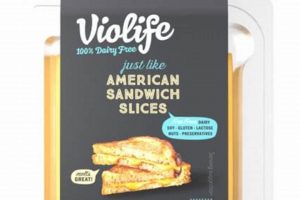
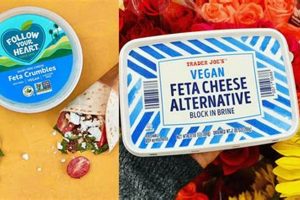
Tip 1: Cheese Selection is Crucial. Certain plant-based cheeses melt more effectively than others. Mozzarella-style and cheddar-style alternatives formulated with modified starches and vegetable oils generally offer superior melting characteristics compared to those relying solely on nut-based or tofu-based formulations. Experimentation is encouraged to determine personal preference.
Tip 2: Bread Choice Impacts Texture. Sourdough, country white, or brioche offer a balance of structural integrity and palatable flavor. Thicker slices prevent excessive sogginess from the melted cheese. Consider toasting the bread lightly before assembly to enhance crispness.
Tip 3: Employ Moderate Heat. Medium-low heat on a non-stick skillet or griddle allows the cheese to melt thoroughly without burning the bread. Avoid high heat, which can result in a charred exterior and a cold interior.
Tip 4: Evenly Distribute Butter Alternative or Oil. Applying a thin, uniform layer of plant-based butter or oil to the exterior of the bread ensures even browning and prevents sticking to the cooking surface. Excess application results in a greasy final product.
Tip 5: Utilize a Panini Press for Uniform Results. If available, a panini press provides consistent contact between the bread and the heating surface, promoting even melting and browning. Reduce pressure slightly to avoid excessive squeezing.
Tip 6: Consider Adding Flavor Enhancers. Incorporating caramelized onions, roasted red peppers, or a thin layer of pesto adds complexity and depth to the flavor profile. Limit additions to prevent structural instability.
Tip 7: Monitor Internal Temperature. Use a food thermometer to ensure the cheese reaches a minimum internal temperature of 150F (66C) for optimal melting. Insert the thermometer through the side of the sandwich to avoid piercing the surface.
Adherence to these guidelines will contribute to a plant-based grilled cheese sandwich that offers a balance of flavor, texture, and visual appeal. Experimentation and refinement based on personal preference are encouraged.
The subsequent sections will delve into specific ingredient recommendations and creative variations.
1. Meltability

The characteristic of meltability is a critical factor in defining the quality of a plant-based grilled cheese. A cheese alternative’s capacity to transform from a solid state into a molten, viscous form under heat directly influences the sandwich’s texture and overall eating experience. Insufficient melting results in a dry, crumbly interior, failing to provide the cohesive, satisfying experience expected from a grilled cheese. Conversely, a cheese that melts excessively may become oily or separate, compromising structural integrity.
The composition of plant-based cheeses significantly impacts meltability. Formulations relying heavily on coconut oil tend to melt readily but can separate, yielding an undesirable greasy texture. Products incorporating modified starches or gums often exhibit superior melt characteristics, maintaining a smooth, consistent consistency. For instance, a cashew-based mozzarella alternative lacking stabilizers may not achieve the same level of uniform melting as one incorporating tapioca starch. Achieving optimal meltability requires a precise balance of ingredients and processing techniques.
In summary, meltability constitutes a key determinant in evaluating a plant-based grilled cheese. Selection of cheese alternatives specifically formulated for melting, coupled with appropriate cooking techniques, contributes directly to a final product that mimics the textural qualities of its dairy-based counterpart. Challenges remain in replicating the complex melt behavior of traditional cheese, necessitating ongoing innovation in plant-based cheese technology. Understanding meltability is thus paramount for achieving a successful outcome.
2. Texture
Texture constitutes a pivotal sensory element in evaluating the quality of a plant-based grilled cheese sandwich. It encompasses the interplay of multiple physical characteristics, from the crispy exterior of the bread to the molten interior of the cheese alternative, influencing the overall eating experience.
- Crust Crispness
The degree of crispness present in the bread’s crust provides the initial tactile sensation. Achieving a balance is crucial; an overly charred crust imparts bitterness, while an insufficiently toasted crust lacks structural integrity and textural contrast. The Maillard reaction, driven by heat, caramelizes sugars and amino acids, contributing to both color and crispness. The optimal crust exhibits a firm, brittle structure that yields audibly upon biting.
- Cheese Melt Consistency
The cheese alternative’s melt consistency dictates the internal mouthfeel. An ideal melt results in a smooth, viscous fluid that evenly coats the palate. Undesirable textures include a grainy, separated melt due to improper formulation or excessive oiliness stemming from high-fat content. The presence of stabilizers, such as modified starches or gums, contributes to a homogenous, creamy texture upon melting.
- Bread Interior Softness
The texture of the bread’s interior provides a counterpoint to the crisp exterior and molten cheese. A soft, slightly yielding interior provides textural contrast. Dense, dry bread detracts from the overall experience, requiring excessive chewing. The bread’s moisture content and gluten structure contribute to its interior softness. Sourdough, with its inherent moisture and slightly chewy texture, provides a particularly complementary interior characteristic.
- Overall Mouthfeel Harmony
The ultimate success rests on the harmonious integration of these individual textural components. The contrast between the crisp crust, molten cheese, and soft bread interior creates a dynamic sensory experience. Any imbalance undermines the overall quality. For example, a greasy cheese alternative paired with a soggy bread interior results in an unappealing mouthfeel. Achieving textural harmony requires careful ingredient selection and precise execution of the cooking process.
The perceived quality of a plant-based grilled cheese is intrinsically linked to the successful manipulation and integration of these textural elements. Mastering these facets represents a key step in crafting a superior rendition of this classic sandwich.
3. Flavor
Flavor constitutes a primary determinant of palatability in the context of a plant-based grilled cheese sandwich. The complex interplay of taste, aroma, and mouthfeel directly impacts consumer acceptance and overall satisfaction. The selection of cheese alternative, bread type, and additional ingredients dictates the final flavor profile, necessitating careful consideration of component interactions.
The flavor of the cheese alternative serves as the foundation upon which the sandwich’s overall taste is built. Mild cheddar-style cheeses provide a familiar base, while smoked Gouda or provolone alternatives offer more pronounced and nuanced flavors. For instance, pairing a smoky cheese alternative with caramelized onions can create a sweet and savory flavor combination. Conversely, using a sharp, tangy cheese alternative with a sourdough bread provides a contrasting, complex taste experience. The selection should complement, not overwhelm, the other ingredients. The addition of herbs or spices such as garlic powder, smoked paprika, or dried oregano can enhance the flavor complexity, addressing potential deficits in some plant-based cheese alternatives. The impact of Maillard reaction products on bread’s surface, through controlled heat, also augments the final flavor profile.
Achieving a balanced and harmonious flavor profile in a plant-based grilled cheese presents a significant challenge. Ingredient quality and preparation methods directly influence the ultimate taste experience. Understanding the nuances of flavor interactions enables the creation of plant-based grilled cheese sandwiches that rival, and in some cases, surpass their dairy-based counterparts. Future innovation in plant-based cheese technology will further expand the flavor possibilities, driving greater acceptance and wider adoption of this dietary option.
4. Bread Choice

Bread choice profoundly influences the quality of a plant-based grilled cheese sandwich. It acts as a structural foundation and a contributor to overall flavor and texture, thereby dictating the success of the final product. Selection requires consideration of structural integrity, flavor profile, and textural compatibility with the cheese alternative.
- Structural Support and Handling
The bread must provide sufficient structural support to contain the melted cheese alternative without becoming excessively soggy or disintegrating during handling. Sturdy varieties, such as sourdough or a thicker-sliced country white, maintain their form more effectively than thinner, softer breads like basic white bread. Example: Using a thin-sliced white bread typically results in a structurally weak sandwich, prone to falling apart as the cheese melts, while a hearty sourdough maintains integrity throughout the grilling process. Therefore, breads that offer stability are preferred.
- Flavor Complement and Contrast
The flavor of the bread should complement or contrast the cheese alternative without overpowering it. Sourdough offers a tangy counterpoint to richer, creamier cheeses, while a brioche provides a subtle sweetness that enhances milder cheese flavors. Example: A sharp cheddar-style vegan cheese paired with a sweet brioche creates a complex interplay of flavors. Conversely, a milder provolone alternative can be effectively paired with a rye bread. Optimal flavor combinations depend on individual preferences and ingredient compatibility.
- Texture and Mouthfeel Contribution
The bread’s texture significantly impacts the overall mouthfeel of the sandwich. A crisp exterior provides textural contrast to the melted cheese, while a soft interior complements the smooth cheese texture. Example: Grilling a sandwich using a pan loaf can produce a desirable crispy exterior and soft interior. Conversely, an overly dense bread may create an unpleasantly chewy texture. Balancing the bread’s textural properties with those of the cheese alternative is key to creating a palatable final product.
- Toasting and Browning Characteristics
The bread’s composition affects its ability to toast and brown evenly. Breads with higher sugar content, such as brioche, brown more rapidly, requiring careful monitoring to prevent burning. Example: Brioche can develop a deep golden-brown crust quickly, potentially scorching if not carefully managed. Sourdough, with its lower sugar content, browns more gradually, offering greater control. Even browning is essential for visual appeal and uniform flavor distribution.
These factors demonstrate the importance of informed bread selection in crafting a high-quality plant-based grilled cheese. The choice profoundly impacts structure, flavor, texture, and cooking characteristics. Thoughtful consideration of these variables is critical for achieving an optimal outcome. This can be further exemplified by comparing different breads, such as ciabatta versus multigrain, to highlight their unique contributions to the overall sandwich experience.
5. Cooking Method

The cooking method employed exerts a substantial influence on the final quality of a plant-based grilled cheese sandwich. The method directly affects cheese melt, bread toasting, and overall textural harmony. Incorrect application of heat can result in uneven melting, burnt bread, or a combination thereof, detracting significantly from the desired outcome. Therefore, selecting and executing an appropriate cooking technique are paramount to achieving optimal results. Consider, for example, the difference between using a high-heat skillet and a low-heat griddle; the former often leads to rapid browning of the bread before the cheese has fully melted, while the latter promotes a more gradual and even transformation. Panini presses, similarly, apply even pressure and heat from both sides, resulting in uniform melting and browning. The practical significance of understanding these variables lies in the ability to consistently produce a high-quality sandwich.
Further analysis reveals that the ideal cooking method depends on the specific ingredients used. Plant-based cheeses with lower melting points may require lower temperatures and shorter cooking times to prevent separation or oiliness. The type of bread also dictates the appropriate heat level; breads with higher sugar content, such as brioche, necessitate lower heat to avoid burning. Real-world examples illustrate this point: attempting to grill a cashew-based mozzarella alternative on high heat often leads to a greasy and separated cheese, while a slow, low-heat approach yields a more desirable texture. The selection of cookware, whether non-stick or cast iron, also influences heat distribution and cooking time. Therefore, a nuanced understanding of the interplay between ingredients and cooking method is essential. Incorporating a thin layer of plant-based butter or oil on the bread’s exterior contributes to even browning and enhances crispness, regardless of the chosen cooking method.
In summary, the cooking method is inextricably linked to the quality of a plant-based grilled cheese sandwich. Correct heat application, consideration of ingredient properties, and appropriate cookware selection contribute to the desired cheese melt, bread toasting, and overall textural harmony. Challenges remain in replicating the precise outcomes achieved with dairy-based grilled cheese, requiring ongoing experimentation and refinement of techniques. A deep understanding of these elements empowers individuals to consistently produce superior plant-based grilled cheese sandwiches, highlighting the practical significance of this knowledge and linking back to the broader theme of optimal ingredient utilization and culinary processes.
6. Ingredients Quality

The designation “best vegan grilled cheese” is inextricably linked to the quality of the constituent ingredients. High-quality ingredients form the foundation upon which a superior sandwich is constructed. Conversely, substandard ingredients invariably yield a final product lacking in flavor, texture, and overall palatability. For example, using a plant-based cheese alternative with a bland or artificial flavor profile will inevitably detract from the overall taste experience, regardless of other preparation techniques. Similarly, employing stale or low-quality bread compromises structural integrity and texture, resulting in a less desirable eating experience. The cause-and-effect relationship is direct: superior ingredients lead to a superior final product.
The selection of specific ingredients significantly impacts the overall outcome. For instance, using artisan sourdough bread crafted from high-quality flour and a long fermentation process imparts a distinct flavor and texture that cannot be replicated with mass-produced white bread. Similarly, choosing a plant-based cheese alternative made with high-quality nuts, oils, and stabilizers results in a smoother melt and more nuanced flavor than alternatives relying on inexpensive, processed ingredients. Examples include comparing a cashew-based mozzarella alternative made with organic cashews and cold-pressed oil to one made with conventionally grown cashews and refined vegetable oil; the former typically exhibits superior flavor and melting characteristics. The same principle applies to other potential additions, such as caramelized onions or roasted vegetables; fresh, high-quality produce yields a more vibrant and flavorful final product.
In summary, the connection between “Ingredients Quality” and a truly “best vegan grilled cheese” is critical and undeniable. The careful selection of high-quality plant-based cheese alternatives, artisan bread, and fresh additions directly contributes to the sandwich’s overall flavor, texture, and structural integrity. Challenges remain in sourcing consistently high-quality plant-based ingredients, particularly given variations in production processes and regional availability. However, prioritizing ingredient quality represents a fundamental step in achieving a plant-based grilled cheese experience that rivals or surpasses its dairy-based counterpart, reiterating the significance of ingredient choice as a central component of this culinary endeavor.
7. Balance

Achieving a superlative plant-based grilled cheese relies heavily on the concept of balance, encompassing flavor, texture, and ingredient proportions. An imbalance in any of these elements detracts significantly from the overall sensory experience. For example, an excessively sharp cheese alternative paired with an equally tangy sourdough bread creates an overwhelming flavor profile that lacks nuance and complexity. Similarly, a sandwich composed of a thick layer of cheese alternative and thin slices of bread results in a textural imbalance, prioritizing cheese over structural integrity. The cause-and-effect relationship is clear: balanced components yield a harmonious and satisfying final product; imbalance leads to dissatisfaction.
Consider the practical application of balance in crafting a plant-based grilled cheese. Optimal flavor balance often involves pairing a mild cheese alternative, such as a cashew-based mozzarella, with a flavorful bread like a rosemary-infused focaccia. This combination avoids overpowering the palate while introducing complementary aromatic notes. Textural balance can be achieved by using a moderate amount of cheese alternative between two slices of sturdy, yet not overly dense, bread. Applying a thin layer of plant-based butter or oil to the exterior of the bread contributes to a crispy crust that contrasts with the molten interior. The even distribution of ingredients ensures consistent flavor and texture throughout each bite. The absence of balance can manifest in several ways: a greasy sandwich resulting from excessive oil, a dry sandwich due to insufficient cheese, or a bland sandwich lacking adequate flavor complexity. Such issues illustrate the importance of mindful ingredient selection and precise execution.
In summary, balance serves as a cornerstone in the pursuit of crafting the “best vegan grilled cheese.” The harmonious integration of flavor, texture, and ingredient proportions contributes directly to a superior sensory experience. Challenges remain in consistently achieving balance, particularly given the variability in plant-based cheese alternatives and bread types. However, prioritizing balance through careful ingredient selection and thoughtful preparation represents a fundamental principle in elevating a simple sandwich to a culinary achievement, linking it to the broader themes of considered preparation and optimal ingredient interaction.
Frequently Asked Questions
The following addresses common inquiries regarding the creation of a plant-based grilled cheese sandwich, focusing on optimal techniques and ingredient selection to achieve superior results.
Question 1: Is specialized equipment required to prepare a plant-based grilled cheese effectively?
Specialized equipment is not strictly necessary. A non-stick skillet or griddle typically suffices. However, a panini press can promote more even cooking and uniform melting.
Question 2: What distinguishes a plant-based cheese alternative suitable for melting?
Alternatives formulated with modified starches and vegetable oils generally exhibit superior melting characteristics compared to those based solely on nuts or tofu. Product labels should be reviewed carefully to determine composition.
Question 3: How does bread selection influence the final outcome?
Bread provides structural support and contributes to texture and flavor. Sturdy varieties, such as sourdough or country white, are preferred. The bread should complement, not overwhelm, the cheese alternative’s flavor.
Question 4: Can additions, such as vegetables or condiments, enhance the plant-based grilled cheese?
Additions can enhance flavor complexity. However, restraint is advised to prevent structural instability and ensure a balanced flavor profile. Caramelized onions, roasted red peppers, or pesto are viable options.
Question 5: How does cooking temperature impact the quality of the sandwich?
Moderate heat (medium-low) is recommended. Excessive heat can result in burnt bread and insufficiently melted cheese. Consistent monitoring is essential.
Question 6: Is plant-based butter or oil necessary for grilling?
A thin, uniform layer of plant-based butter or oil facilitates even browning and prevents sticking. Excess application should be avoided to prevent a greasy final product.
Skillful preparation of a plant-based grilled cheese relies on careful ingredient selection, appropriate cooking techniques, and a focus on balance. Experimentation is encouraged to determine individual preferences and refine methods.
The subsequent section will explore potential variations and advanced techniques.
In Conclusion
This exploration has illuminated the multifaceted considerations necessary to achieve a truly optimal “best vegan grilled cheese.” From the selection of plant-based cheese alternatives with superior melting properties to the careful consideration of bread choice and the precise application of cooking techniques, each element contributes significantly to the final outcome. Emphasis has been placed on the importance of balance, ingredient quality, and an understanding of flavor interactions.
The pursuit of the definitive “best vegan grilled cheese” remains an ongoing culinary endeavor. Continuous refinement of plant-based cheese technology and ongoing experimentation with ingredient combinations are essential for further progress. The principles outlined herein provide a solid foundation for achieving consistently superior results and expanding the boundaries of plant-based cuisine.