A plant-based dessert mimicking traditional cheesecake relies on non-animal derived ingredients. A key component is a dairy-free cream cheese alternative, often crafted from nuts (like cashews), soy, or coconut oil, replicating the texture and tang of its dairy counterpart. The crust typically utilizes a combination of nuts, seeds, and dates, offering a naturally sweet and binding base. Fillings are created by blending the plant-based cream cheese with sweeteners, stabilizers, and flavorings, such as vanilla or citrus zest.
The appeal of this dessert lies in its ability to cater to dietary restrictions, including veganism and lactose intolerance, while still providing a satisfyingly rich and decadent experience. Its development reflects a growing awareness of the environmental and ethical implications of animal product consumption. The availability of plant-based cream cheese substitutes has been pivotal in recreating classic desserts for a wider audience. Moreover, it offers a potentially lower-fat and cholesterol option compared to traditional cheesecake.
The following sections will delve into specific recipe variations, ingredient sourcing, baking techniques, and common challenges encountered when preparing this plant-based treat. Further examination includes a comparison with traditional cheesecake and an exploration of potential health benefits and nutritional considerations.
Tips for Vegan Cheesecake with Vegan Cream Cheese
Achieving optimal results when preparing this dessert requires careful attention to ingredient selection and baking methods. Success hinges on understanding the properties of plant-based ingredients and adjusting traditional techniques accordingly.
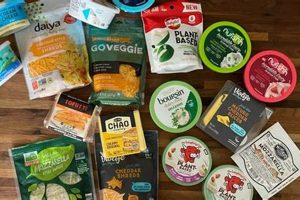
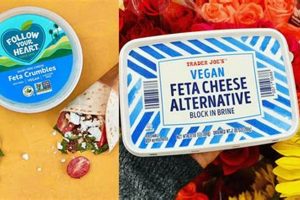
Tip 1: Select High-Quality Vegan Cream Cheese. The cream cheese alternative forms the base of the filling. Opt for a brand known for its smooth texture and tangy flavor, as this significantly impacts the final product. Testing a small amount beforehand is advisable.
Tip 2: Properly Soak Cashews (if using). For cashew-based fillings, thorough soaking is crucial. Submerge cashews in hot water for at least two hours, or ideally overnight. This softens them, ensuring a creamy and lump-free texture when blended.
Tip 3: Use a High-Speed Blender. A powerful blender is essential for achieving a smooth and homogenous filling. Blend the ingredients until completely smooth, stopping to scrape down the sides as needed. This prevents a grainy or separated texture.
Tip 4: Avoid Overbaking. Overbaking can lead to a dry and cracked cheesecake. Monitor the baking process closely. The center should still have a slight wobble when removed from the oven. Residual heat will continue to set the filling.
Tip 5: Allow for Adequate Cooling Time. Gradual cooling is critical to prevent cracking. After baking, turn off the oven and crack the door open. Let the cheesecake cool inside the oven for an hour before transferring it to the refrigerator for at least four hours, or preferably overnight.
Tip 6: Experiment with Flavor Enhancements. Incorporate extracts, citrus zest, or fruit purees to customize the flavor profile. These additions can complement the tangy base and create a more complex and satisfying dessert.
Tip 7: Consider a Water Bath. Baking in a water bath (bain-marie) can help prevent cracking and ensures even baking. Wrap the springform pan tightly in aluminum foil to prevent water from seeping in.
The adherence to these tips contributes to a dessert that mirrors the texture and flavor profile of traditional cheesecake while remaining entirely plant-based. Careful execution results in a satisfying and visually appealing final product.
The following section outlines common pitfalls and troubleshooting techniques related to this specific style of baking.
1. Texture Emulation

Texture emulation is paramount in vegan cheesecake production, aiming to replicate the sensory experience of traditional cheesecake while adhering to plant-based principles. Successful emulation requires a deep understanding of the textural properties of dairy-based ingredients and their non-dairy counterparts.
- Fat Content Replication
Fat content significantly influences the mouthfeel of cheesecake. In vegan versions, ingredients like coconut oil, cocoa butter, or cashew butter are utilized to mimic the richness and smoothness provided by dairy fat. The careful selection and proportioning of these ingredients are critical to avoiding a grainy or oily final product.
- Moisture Retention
Maintaining proper moisture levels is essential to prevent the cheesecake from becoming dry or crumbly. Ingredients such as silken tofu or aquafaba (chickpea brine) can contribute to moisture retention and improve the overall texture. Precise measurements and controlled baking are vital to prevent excess moisture loss.
- Structure and Stability
Traditional cheesecake relies on eggs for binding and structure. Vegan alternatives often incorporate starches (like cornstarch or tapioca starch), agar-agar, or pectin to provide similar structural integrity. These ingredients help the filling set properly and maintain its shape during slicing and serving.
- Smoothness and Creaminess
Achieving a smooth and creamy texture is a primary goal in vegan cheesecake production. High-speed blending of soaked cashews or the use of commercially available vegan cream cheese alternatives are common strategies. Careful attention to blending time and temperature is crucial to prevent graininess and ensure a uniform texture.
These textural aspects are interconnected, impacting the overall quality of the vegan cheesecake. By strategically employing alternative ingredients and adapting traditional techniques, the texture of a dairy-based cheesecake can be effectively emulated, offering a satisfying and plant-based dessert option. Precise control of each factor contributes significantly to the final sensory experience.
2. Ingredient Substitution

Ingredient substitution forms the core of creating plant-based alternatives to traditional desserts, particularly in the context of replicating cheesecake using vegan cream cheese. This process necessitates a thorough understanding of the functional properties of conventional ingredients and the identification of plant-derived substitutes capable of mimicking those properties.
- Dairy Cream Cheese Replacement
The primary substitution involves replacing dairy cream cheese with a plant-based alternative. Common substitutes include cashew-based creams, tofu-based creams, and commercially available vegan cream cheese products. The selection of the substitute impacts the final texture, flavor, and stability of the cheesecake. Successful substitution requires careful consideration of the substitute’s moisture content, fat content, and acidity levels in relation to the original dairy product.
- Egg Replacement for Binding and Structure
Eggs contribute significantly to the structure and binding of traditional cheesecake. In vegan versions, egg substitutes such as flaxseed meal, chia seeds, or commercially available egg replacers are utilized. These substitutes provide the necessary binding properties to hold the cheesecake together during baking and chilling. The ratio of egg substitute to other ingredients must be carefully controlled to avoid a gummy or overly dense texture.
- Gelatin Replacement for Setting
Some traditional cheesecake recipes utilize gelatin as a setting agent. Vegan versions often employ agar-agar, a seaweed-derived gelatin alternative. The correct ratio of agar-agar to liquid is critical for achieving the desired firmness and setting consistency. Improper use can result in a cheesecake that is either too soft or too rubbery.
- Butter Replacement in the Crust
The crust often incorporates butter for flavor and texture. Vegan butter alternatives, such as coconut oil, vegan margarine, or shortening, are commonly used. These substitutes contribute to the crust’s crumbly texture and binding properties. The choice of butter substitute can impact the final flavor profile, with coconut oil imparting a subtle coconut flavor.
The successful creation hinges on strategic and precise ingredient substitution. Each substitution requires careful consideration of the functional properties of the original ingredient and the ability of the plant-based alternative to replicate those properties. The final product’s texture, flavor, and stability are directly influenced by the choices made during the substitution process. A nuanced understanding of ingredient functionality enables the production of a plant-based dessert that closely mirrors the sensory characteristics of traditional cheesecake.
3. Flavor Balancing

Flavor balancing is a critical component in vegan cheesecake preparation, particularly when utilizing vegan cream cheese alternatives. The inherent flavor profile of vegan cream cheese differs substantially from its dairy counterpart, often exhibiting notes of nuts, coconut, or soy depending on the base ingredient. This divergence necessitates a strategic approach to flavor balancing to achieve a taste profile that is both palatable and reminiscent of traditional cheesecake. An imbalance can result in a final product where the distinct flavor of the vegan cream cheese overwhelms other ingredients, leading to an undesirable sensory experience. A crucial element is understanding the impact of sweeteners; for example, agave syrup may impart a distinct flavor that complements some vegan cream cheeses better than others. The addition of acidic elements like lemon juice or lime juice can help to replicate the tang associated with traditional cheesecake, while vanilla extract or other flavorings can mask any undesirable aftertastes present in the vegan cream cheese. Success depends on a careful calibration of these flavors.
Practical application of flavor balancing involves iterative testing and adjustment. Initially, a base recipe can be adapted by gradually incorporating acidic elements and flavorings while continuously tasting the mixture. For example, a cashew-based vegan cheesecake might benefit from the addition of both lemon juice and a small amount of almond extract to enhance the nuttiness and provide a more complex flavor profile. Furthermore, the selection of sweeteners impacts the overall flavor; using a combination of maple syrup and a small amount of stevia can reduce the glycemic load without compromising the sweetness. The crust, often made with nuts and dates, can also contribute to the flavor balance; a crust made with walnuts may complement a vegan cream cheese with subtle coconut undertones. These adjustments must be made in small increments, ensuring that no single flavor overwhelms the others.
Ultimately, the challenge lies in creating a harmonious blend of flavors that masks any undesirable elements present in the vegan cream cheese while replicating the complex and satisfying taste of traditional cheesecake. Flavor balancing is not a one-size-fits-all approach but rather a process of careful experimentation and adjustment based on the specific ingredients used and the desired outcome. Mastering this aspect is crucial for producing a vegan cheesecake that is both palatable and appealing to a broad audience. This understanding enables the creation of a plant-based dessert that transcends dietary restrictions without sacrificing taste or texture.
4. Crust Integrity

Crust integrity constitutes a fundamental element in the successful creation of a vegan cheesecake. The crust serves as the structural foundation, contributing significantly to both the aesthetic appeal and the overall eating experience. A compromised crust can lead to disintegration during slicing and serving, detracting from the intended presentation and textural harmony of the final product. Therefore, achieving and maintaining crust integrity is paramount in the context of a vegan cheesecake.
- Binder Selection and Ratio
The choice of binder within the crust mixture is crucial for structural cohesion. Common binders include dates, nut butters, and coconut oil. The appropriate ratio of binder to dry ingredients (typically nuts, seeds, and flour) directly influences the crust’s ability to hold its shape. Insufficient binder results in a crumbly, unstable crust, while excessive binder yields a dense, overly chewy texture. Precise measurement and thorough blending are necessary to ensure even distribution of the binder throughout the dry components.
- Pressing Technique and Uniformity
The method used to press the crust mixture into the pan significantly affects its density and stability. Consistent, even pressure is essential to compact the ingredients and create a firm base. Using the bottom of a measuring cup or a flat-bottomed utensil allows for uniform compression, eliminating weak spots prone to crumbling. Inadequate pressing leaves air pockets and loose particles, compromising the crust’s structural integrity.
- Chilling Duration and Temperature
Chilling the pressed crust prior to filling and baking is a critical step in solidifying its structure. Cold temperatures allow the binders to firm up, creating a more cohesive and stable base. Insufficient chilling time results in a soft, easily deformable crust that may become saturated by the filling. The optimal chilling duration varies depending on the recipe, but a minimum of 30 minutes is generally recommended. Maintaining a consistent refrigerator temperature is crucial to prevent uneven setting.
- Baking Temperature and Duration (if applicable)
While some vegan cheesecake crusts are no-bake, others require baking to enhance flavor and stability. The baking temperature and duration must be carefully controlled to prevent over-browning or burning. Excessive heat can cause the crust to dry out and crack, while insufficient baking may leave it undercooked and crumbly. Monitoring the crust’s color and texture during baking is essential to determine optimal doneness. A light golden-brown color typically indicates a properly baked crust.
The interplay of these factors directly dictates the overall crust integrity of a vegan cheesecake. Strategic binder selection, meticulous pressing, adequate chilling, and, if applicable, controlled baking, contribute to a stable, visually appealing, and texturally pleasing foundation for the creamy, plant-based filling. Mastery of these techniques results in a dessert that maintains its structural form and provides a satisfying culinary experience. Achieving optimal crust integrity enhances not only the aesthetic presentation but also the overall enjoyment of the vegan cheesecake.
5. Baking Precision
Baking precision is a critical determinant in the successful creation of vegan cheesecake utilizing vegan cream cheese. The absence of eggs and dairy, key structural components in traditional cheesecake, necessitates meticulous control over alternative ingredients and baking parameters. Inadequate temperature control or imprecise measurement of ingredients can lead to a cheesecake with undesirable texture, such as a dry, cracked surface or a gummy interior. The chemical reactions that contribute to setting and stabilization in conventional cheesecake are fundamentally different in a vegan formulation; therefore, precise oven temperatures and baking times are essential to ensure proper coagulation and structural integrity. For example, an overbaked vegan cheesecake may exhibit excessive dryness due to the evaporation of moisture from the plant-based cream cheese alternative, while an underbaked cheesecake may lack sufficient firmness.
The type of vegan cream cheese employed also influences the required baking precision. Cashew-based cream cheeses, for instance, may require lower baking temperatures and longer baking times compared to tofu-based alternatives due to variations in their protein and fat content. Furthermore, the use of a water bath, a technique often employed to promote even baking and prevent cracking in traditional cheesecake, assumes heightened importance in vegan formulations. A water bath mitigates temperature fluctuations and ensures gentle, consistent heat distribution, crucial for achieving a smooth, uniform texture. Precise control over the water bath’s temperature and the cheesecake’s placement within the oven further contributes to baking precision. Accurate measurement of stabilizers such as cornstarch or tapioca starch is also vital, as these ingredients provide essential structural support and prevent excessive moisture release during baking.
In conclusion, the creation of a palatable and texturally appealing vegan cheesecake hinges on stringent baking precision. The unique properties of plant-based ingredients and the absence of traditional binding agents necessitate meticulous attention to detail throughout the baking process. The rewards of such precision include a plant-based dessert that closely mirrors the taste and texture of conventional cheesecake, expanding dietary options without compromising culinary quality. Accurate ingredient measurement, controlled oven temperatures, and strategic use of baking techniques are essential to achieving this objective. Overcoming the challenges inherent in vegan cheesecake production relies on a comprehensive understanding and diligent application of baking precision.
6. Chilling Duration
Chilling duration is an indispensable component in the successful preparation of vegan cheesecake, particularly when utilizing vegan cream cheese alternatives. It exerts a profound influence on both the textural integrity and structural stability of the final product. The plant-based ingredients, often lacking the binding properties of their animal-derived counterparts, rely heavily on proper chilling to coalesce and solidify. Without adequate chilling, the cheesecake may exhibit a soft, unstable consistency, compromising its structural integrity and overall palatability. Consider, for instance, a cheesecake assembled with cashew-based cream cheese; insufficient chilling will result in a filling that fails to set, leading to a soupy and visually unappealing dessert. Conversely, a prolonged chilling period allows the vegan cream cheese and other ingredients to fully integrate, resulting in a firm, sliceable texture akin to traditional cheesecake.
The chilling process facilitates the crystallization of fats and the hydration of starches present in the vegan cheesecake, further contributing to its firmness and stability. This is particularly relevant when using coconut oil as a fat source, as its solidification at lower temperatures plays a critical role in the cheesecake’s overall structure. The duration of chilling also allows flavors to meld and intensify, enhancing the overall sensory experience. For example, allowing a cheesecake flavored with citrus zest to chill overnight enables the volatile oils from the zest to fully permeate the filling, resulting in a more pronounced and nuanced flavor profile. In practical applications, a chilling duration of at least four hours, and ideally overnight, is generally recommended to achieve optimal results. This extended period allows for complete setting and flavor development, ensuring a dessert that meets both textural and gustatory expectations.
In summary, the chilling duration constitutes a non-negotiable element in the vegan cheesecake preparation process. It directly impacts the textural stability, structural integrity, and flavor development of the final product. While precise chilling times may vary depending on the specific recipe and ingredients employed, the principle of allowing sufficient time for setting and flavor integration remains paramount. Overcoming the inherent challenges of plant-based baking necessitates a thorough understanding and diligent application of this crucial step. The practical significance of this understanding lies in the ability to consistently produce a vegan cheesecake that rivals its dairy-based counterpart in terms of both taste and texture, expanding the accessibility of this classic dessert to individuals with dietary restrictions or ethical preferences.
7. Vegan Creaminess

Vegan creaminess is a defining characteristic of successful plant-based cheesecakes. It serves as the principal sensory attribute sought when replicating the texture and mouthfeel of traditional dairy-based cheesecakes. Achieving vegan creaminess necessitates the strategic utilization of plant-derived ingredients that mimic the properties of dairy fat and proteins. Its attainment signifies a triumph in plant-based culinary arts.
- Cashew Cream Cheese Alternatives
Cashews, when properly processed, offer a rich and smooth base for plant-based cream cheese. Soaking cashews softens their texture, enabling them to blend into a remarkably creamy consistency. Commercial vegan cream cheeses frequently utilize cashews as a primary ingredient, emphasizing their ability to replicate dairy-based creaminess. This substitution allows individuals to experience the rich texture of cheesecake while adhering to vegan dietary guidelines.
- Coconut Cream Optimization
Full-fat coconut cream, particularly when chilled, provides a dense and creamy foundation. The separation of coconut water from the solid cream is essential for achieving the desired consistency. This technique concentrates the fat content, resulting in a rich and decadent texture. Vegan cheesecake recipes often incorporate chilled coconut cream to enhance the overall creaminess and mouthfeel.
- Tofu-Based Cream Cheese Emulation
Silken tofu, when processed with appropriate stabilizers and flavorings, can emulate the creaminess of dairy-based cream cheese. The key to achieving this lies in thoroughly blending the tofu to eliminate any graininess and incorporating ingredients like vegan sour cream or lemon juice to replicate the characteristic tang of traditional cream cheese. This method presents a lower-fat alternative to cashew or coconut-based versions, while maintaining a smooth texture.
- Stabilization Techniques
The incorporation of stabilizers such as tapioca starch, cornstarch, or agar-agar is critical in maintaining the structure and preventing the separation of ingredients in vegan cheesecake. These stabilizers act as binding agents, ensuring a cohesive and creamy texture that is not prone to weeping or becoming watery. Proper stabilization is essential for achieving a sliceable and visually appealing final product.
The interplay of these components collectively defines vegan creaminess in the context of plant-based cheesecake. Each ingredient and technique contributes to the overall sensory experience, allowing for the creation of a dessert that effectively replicates the texture and richness of its dairy-based counterpart. Mastery of these elements is essential for producing a vegan cheesecake that is both satisfying and aligns with ethical and dietary considerations.
Frequently Asked Questions About Vegan Cheesecake with Vegan Cream Cheese
This section addresses common inquiries and clarifies misconceptions surrounding the preparation and properties of vegan cheesecake featuring vegan cream cheese.
Question 1: Is vegan cheesecake with vegan cream cheese truly comparable in taste and texture to traditional cheesecake?
The similarity to traditional cheesecake depends significantly on the recipe and the quality of ingredients employed. While subtle differences may exist due to the absence of dairy, a well-executed recipe can closely replicate the richness, tang, and creamy texture associated with conventional cheesecake.
Question 2: What are the primary ingredients used to create vegan cream cheese for cheesecake?
Common ingredients include cashews, tofu, coconut cream, and various stabilizers. Cashews, when properly soaked and blended, provide a creamy base. Tofu can offer a lower-fat alternative, while coconut cream contributes richness. Stabilizers like tapioca starch or agar-agar aid in achieving the desired texture.
Question 3: Can vegan cheesecake with vegan cream cheese be baked, or is it strictly a no-bake dessert?
Both baked and no-bake variations exist. Baked versions often require a water bath to prevent cracking and ensure even cooking. No-bake versions typically rely on chilling to set the filling, often utilizing ingredients like coconut oil to solidify.
Question 4: Does vegan cheesecake with vegan cream cheese offer any nutritional advantages compared to traditional cheesecake?
Depending on the specific ingredients, vegan cheesecake may offer advantages such as lower cholesterol and saturated fat content. However, it is essential to consider the overall nutritional profile, including sugar content and the presence of processed ingredients.
Question 5: What are the common challenges encountered when making vegan cheesecake with vegan cream cheese?
Common challenges include achieving the correct texture, preventing cracking, and ensuring sufficient setting. Properly soaking cashews, using a high-speed blender, and carefully controlling baking temperatures can mitigate these issues.
Question 6: How long does vegan cheesecake with vegan cream cheese typically last when stored properly?
When stored in an airtight container in the refrigerator, vegan cheesecake typically lasts for 3-5 days. However, it is advisable to consume it sooner rather than later to maintain optimal freshness and flavor.
In summary, vegan cheesecake with vegan cream cheese presents a viable alternative to traditional cheesecake, offering a plant-based dessert option suitable for various dietary preferences and restrictions.
The next section delves into advanced techniques for perfecting vegan cheesecake preparation.
Conclusion
The preceding exploration of “vegan cheesecake with vegan cream cheese” has illuminated key aspects of its creation, from ingredient selection to baking techniques. Emulation of traditional cheesecake textures and flavors necessitates meticulous attention to detail, particularly in the context of plant-based ingredient substitutions. The careful balancing of flavors and stabilization of the filling are crucial to achieving a palatable and structurally sound final product. A comprehensive understanding of these factors is paramount for consistent success.
The increasing availability of plant-based alternatives and the refinement of vegan baking techniques have rendered this dessert more accessible than ever. Continued experimentation and innovation within this culinary space hold the promise of further advancements in the quality and variety of vegan confections. The future of dessert may well involve a significant presence of meticulously crafted plant-based options. Readers are encouraged to further investigate and refine their own approaches to this recipe.