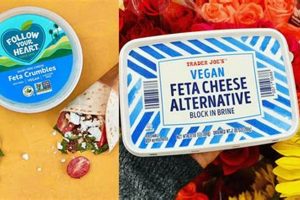
Plant-based alternatives designed to replicate the textures and flavors of traditional Mexican cheeses are increasingly available. These products cater to individuals seeking dairy-free options while still enjoying classic dishes like quesadillas, enchiladas, and nachos. They are typically formulated using ingredients such as nuts (cashews, almonds), seeds (sunflower, pumpkin), tapioca starch, vegetable oils, and nutritional yeast to achieve a cheesy consistency and flavor profile. Examples range from shredded blends resembling Oaxaca or Monterey Jack to creamy spreads mimicking queso fresco or requeson.
The rise of these alternatives addresses several factors, including growing awareness of animal welfare concerns, lactose intolerance, and the environmental impact of dairy farming. They allow individuals to maintain cultural culinary traditions while adhering to dietary restrictions or ethical choices. The historical context involves the broader development of the vegan food industry and its responsiveness to consumer demand for substitutes that closely mirror conventional products, both in taste and functionality. This expansion enables greater inclusivity in Mexican cuisine.
This article will further explore the variety of plant-based replacements available, the production methods employed, their nutritional properties in comparison to dairy-based counterparts, and their increasing presence in both home kitchens and commercial food service settings. Different types of plant-based options and ingredients will also be discussed.
Tips for Working with Vegan Mexican Cheese Alternatives
Achieving optimal results when using plant-based replacements for traditional Mexican cheeses requires understanding their unique properties. These tips offer guidance for successful incorporation into various recipes.
Tip 1: Consider the Melting Point: Not all plant-based cheeses melt identically. Varieties formulated with tapioca starch often provide a smoother, more elastic melt, ideal for quesadillas and nachos. Cheeses based primarily on nuts may require longer heating times or additional liquid to achieve a similar consistency.
Tip 2: Adjust Seasoning: Plant-based cheeses can have subtle flavor differences compared to their dairy counterparts. Taste and adjust seasonings accordingly. Adding a pinch of smoked paprika or chili powder can enhance the authenticity of the flavor profile.
Tip 3: Experiment with Different Brands and Formulations: The market offers a diverse range of plant-based Mexican-style cheeses. Explore different brands and formulations to find those best suited to specific recipes and personal preferences. Some excel in grating, while others are better suited for sauces or dips.
Tip 4: Incorporate Moisture: Nut-based cheeses, in particular, can sometimes dry out during cooking. To counteract this, consider adding a small amount of plant-based milk or vegetable broth to the recipe to maintain moisture and prevent a crumbly texture.
Tip 5: Be Mindful of Storage: Plant-based cheeses generally have a shorter shelf life than traditional dairy cheeses. Store them properly, following the manufacturer’s instructions, and consume them within the recommended timeframe to ensure optimal quality and prevent spoilage.
Tip 6: Enhance Flavor with Complementary Ingredients: Leverage the inherent flavors of the plant-based cheese by pairing it with ingredients that enhance its profile. For example, adding roasted vegetables, caramelized onions, or a squeeze of lime juice can elevate the overall taste of the dish.
Tip 7: Avoid Overcooking: Overheating plant-based cheeses can lead to undesirable textures, such as a rubbery or oily consistency. Monitor cooking times carefully and remove the dish from heat as soon as the cheese is melted and bubbly.
These tips provide a foundation for successfully incorporating plant-based alternatives into favorite Mexican dishes. With experimentation and attention to detail, it is possible to create satisfying and flavorful meals that align with dietary preferences and ethical considerations.
The subsequent sections will delve into specific plant-based ingredients and their role in replicating the texture and flavor profiles of traditional Mexican cheeses.
1. Ingredients

The composition of plant-based replacements significantly dictates their suitability as substitutes for traditional Mexican cheeses. Ingredients form the foundational elements that determine the textural, flavorful, and functional properties of these vegan alternatives. For example, cashew-based formulations often deliver a creamy texture that can mimic queso fresco or requesn, whereas tapioca starch is frequently incorporated to achieve the melting characteristics required for dishes like enchiladas or quesadillas. The selection of ingredients is, therefore, a primary determinant of the product’s ability to replicate the desired qualities of dairy-based cheese in a particular application. The cause-and-effect relationship is direct: the presence (or absence) of specific components directly influences the outcome.
Furthermore, the importance of specific ingredients extends beyond mere textural or functional considerations. Nutritional yeast, for instance, is a common addition intended to impart a savory, umami flavor often associated with aged cheeses. Vegetable oils, such as coconut oil, contribute to a smooth mouthfeel and can influence melting behavior. Nuts and seeds, beyond their textural contributions, also provide a source of protein and healthy fats, although the specific nutrient profile varies widely depending on the blend. Formulators are continually experimenting with ingredient combinations to optimize both the flavor and nutritional content of these products. Understanding the impact of individual components is therefore critical for selecting the most appropriate plant-based cheese for a given recipe or dietary requirement. A shredded mozzarella analog may emphasize tapioca starch and vegetable oils, while a creamy “queso” might rely heavily on cashews and added flavorings.
In conclusion, ingredients are the essential building blocks that define the characteristics of plant-based cheeses, with their precise selection dictating the product’s suitability as a dairy-free alternative within Mexican cuisine. Understanding the interplay between different ingredients and their impact on flavor, texture, and melting properties is vital for both consumers and manufacturers. Challenges remain in achieving perfect replication of traditional cheeses, but ongoing innovation in ingredient selection and processing techniques continues to expand the possibilities and improve the overall quality of vegan Mexican cheese options.
2. Melting Properties

The melting properties of plant-based alternatives are critical to their successful application in Mexican cuisine. Traditional Mexican cheeses often exhibit specific melting characteristics that contribute significantly to the texture and overall eating experience of dishes. Replicating these properties in plant-based versions is essential for consumer acceptance and culinary versatility.
- Starch-Based Melting
Modified tapioca starch is frequently employed to impart a smooth, elastic melt to vegan cheeses. When heated, the starch granules absorb water, swell, and create a viscous matrix that simulates the molten texture of dairy cheese. This is particularly relevant for dishes like quesadillas and nachos, where a stringy, cohesive melt is desired. The degree of modification and the concentration of starch directly influence the melting point and the overall consistency of the resulting product.
- Oil-Based Melting
Vegetable oils, such as coconut oil or refined palm oil, contribute to the overall melting behavior of these alternatives. These oils have a relatively low melting point, which allows the product to soften and flow when heated. However, the type and proportion of oil used can also affect the texture of the melted cheese. Too much oil can result in a greasy or separated product, while insufficient oil may lead to a dry or crumbly melt. The careful balance of oils is therefore crucial for achieving the desired melting characteristics.
- Protein Matrix Impact
The presence of plant-based proteins, such as those derived from nuts, seeds, or soy, influences the melting properties. Proteins can form a network that provides structure and helps to retain moisture during heating. However, excessive protein content can also lead to a tough or rubbery texture when melted. The interaction between proteins, starches, and oils is complex and requires precise formulation to achieve a desirable melt. Formulations mimicking stringy cheeses will typically avoid high levels of many plant-based proteins.
- Water Content Considerations
The water content plays a role in the melting process. Water acts as a plasticizer, allowing the other components to flow more easily when heated. However, excessive water can also lead to a watery or separated melt. The moisture content must be carefully controlled to ensure that the cheese melts smoothly and evenly without becoming excessively oily or watery. Emulsifiers are often employed to maintain a stable emulsion and prevent separation during heating.
The melting properties of plant-based versions are a complex interplay of ingredients and formulation techniques. Achieving a satisfactory melt requires careful consideration of the starches, oils, proteins, and water content, as well as the use of appropriate processing methods. Ongoing research and development are focused on optimizing these parameters to create plant-based alternatives that closely mimic the melting behavior of traditional Mexican cheeses. For instance, some manufacturers are exploring the use of fermentation techniques to further enhance flavor and melting characteristics. The ultimate goal is to provide consumers with plant-based options that deliver a similar culinary experience without compromising on taste or texture.
3. Flavor Profiles

The replication of characteristic flavor profiles is paramount in the development of plant-based Mexican cheese alternatives. Taste represents a primary factor influencing consumer acceptance and culinary integration. The creation of convincing substitutes necessitates an understanding of the complex chemical compounds contributing to the distinct flavor notes of traditional dairy cheeses.
- Impact of Fermentation
Fermentation processes, crucial in traditional cheese production, generate a spectrum of volatile organic compounds (VOCs) that contribute to flavor. These compounds include organic acids, esters, alcohols, and aldehydes. Replicating this complexity in plant-based versions often involves the addition of cultured ingredients or the direct introduction of specific VOCs. For example, lactic acid can be added to mimic the tanginess of queso fresco. However, accurately reproducing the nuances of fermentation remains a significant challenge.
- Role of Nutritional Yeast
Nutritional yeast is a common ingredient utilized to impart a savory, umami-rich flavor to plant-based cheeses. It contains glutamic acid, a naturally occurring amino acid that enhances the perception of “cheesiness.” While nutritional yeast can effectively contribute to the overall flavor profile, excessive use can result in a distinctly yeasty taste that deviates from the target flavor. Its implementation necessitates careful calibration to achieve the desired effect without overwhelming other flavor components.
- Influence of Added Flavorings
A variety of natural and artificial flavorings are frequently incorporated to enhance the flavor of plant-based substitutes. These can include smoked paprika to simulate the smoky notes of certain aged cheeses, or citrus juice to mimic the tartness of queso Oaxaca. Flavorings offer a means of fine-tuning the flavor profile, but their judicious use is essential to avoid an artificial or overly processed taste. The selection of high-quality, authentic-tasting flavorings is crucial for achieving a convincing result.
- Base Ingredient Flavor Contributions
The flavor of the base ingredients, such as cashews, almonds, or sunflower seeds, inherently contributes to the overall flavor. These ingredients possess their own distinct flavor characteristics that must be considered and potentially masked or complemented during formulation. For example, the inherent sweetness of cashews may need to be balanced with savory or acidic components. The choice of base ingredients and their processing methods, such as roasting or soaking, can significantly influence the final flavor profile of the finished product.
Achieving accurate replication of flavor profiles in plant-based Mexican cheeses represents a complex and ongoing endeavor. A multifaceted approach, incorporating cultured ingredients, careful selection of flavorings, and a deep understanding of the base ingredient contributions, is essential for creating products that satisfy consumer expectations. The sensory attributes of the resulting product define it’s place in a consumers culinary experience. Further innovation in fermentation techniques and flavor delivery systems hold promise for future advancements in this area.
4. Nutritional Content

The nutritional composition of plant-based alternatives is a key consideration when evaluating substitutes for traditional Mexican cheeses. These alternatives present varying nutritional profiles compared to their dairy-based counterparts, influencing their suitability for diverse dietary needs and preferences.
- Macronutrient Distribution
The distribution of macronutrients (protein, carbohydrates, and fats) differs significantly between dairy cheese and plant-based options. Many plant-based cheeses exhibit lower protein content than traditional cheese, relying instead on carbohydrates from ingredients like tapioca starch or nuts and seeds. Fat sources also vary, with plant-based cheeses often utilizing vegetable oils such as coconut or refined palm oil, influencing the overall fatty acid profile.
- Micronutrient Availability
Dairy cheese provides certain micronutrients, including calcium, vitamin D, and vitamin B12. Plant-based alternatives generally lack these nutrients unless they are fortified during production. Some manufacturers fortify their products to match or exceed the levels found in dairy cheese, offering a comparable source of these essential micronutrients. However, fortification levels vary, and careful label reading is necessary to determine the specific micronutrient content.
- Sodium Content
The sodium content can vary significantly across both dairy and plant-based cheese varieties. Some formulations may contain high levels of sodium for flavor enhancement or preservation purposes. Consumers monitoring their sodium intake should carefully examine nutrition labels and select options with lower sodium levels. There are plant-based options which also advertise a sodium level to reach for those watching their intake.
- Fiber Content
Dairy cheese is devoid of fiber, whereas plant-based alternatives, especially those based on nuts, seeds, or vegetables, may contribute a modest amount of dietary fiber. Fiber intake is associated with various health benefits, including improved digestive health and blood sugar control. The amount of fiber in plant-based cheese is typically not substantial, but it can contribute to overall dietary fiber intake.
Understanding the nutritional distinctions is essential for making informed choices when selecting plant-based options. While some alternatives may offer advantages in terms of fiber content or fatty acid profile, others may require fortification to match the micronutrient content of dairy cheese. Careful evaluation of nutrition labels and consideration of individual dietary needs are paramount. Individuals may be inclined to make their decision on what to consume based on many different factors.
5. Availability

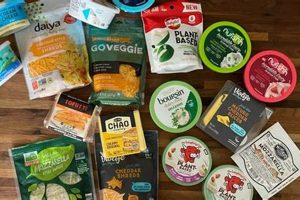
The increasing availability of plant-based alternatives reflects a growing consumer demand. This expansion is driven by various factors, including heightened awareness of dietary restrictions, ethical considerations, and environmental concerns. As consumer interest rises, so does the impetus for retailers to stock and distribute these products, creating a feedback loop. The effect of increased availability is not solely quantitative; it also fosters greater consumer awareness and encourages further experimentation with plant-based cuisine. Real-world examples include the integration of vegan Mexican cheese options into mainstream grocery chains and the proliferation of specialized plant-based food stores. Without availability, the potential benefits of these products (such as catering to lactose intolerance or reducing the environmental impact of dairy farming) cannot be fully realized. The practical significance of this lies in enabling broader access to inclusive dietary choices, supporting individuals adhering to vegan or vegetarian lifestyles, and encouraging a more sustainable food system.
The ease of obtaining plant-based options directly influences their integration into both home cooking and commercial food service. Restaurants, for example, are more likely to incorporate vegan Mexican cheese into their menus when supply chains are reliable and the products are readily available. This increased presence in restaurants, in turn, exposes a wider audience to these alternatives, further driving demand and reinforcing the availability cycle. Moreover, the existence of online retailers and specialized distributors allows consumers in regions with limited brick-and-mortar options to access a diverse range of products. Practical applications include the ability to create authentic-tasting Mexican dishes that cater to a variety of dietary needs, enhancing the inclusivity and appeal of culinary offerings.
In summary, availability is a critical component in the success and widespread adoption of plant-based Mexican cheese alternatives. The challenges lie in ensuring consistent supply chains, maintaining product quality, and effectively communicating the benefits of these products to consumers. However, by addressing these challenges and continuing to expand availability, it is possible to create a more inclusive and sustainable food system that caters to a diverse range of dietary needs and preferences. The interplay between product innovation, consumer demand, and strategic distribution is essential for fostering a thriving market and realizing the full potential of plant-based options.
6. Culinary Applications

The diverse range of culinary applications represents a crucial element in the valuation and utilization of plant-based Mexican cheese alternatives. The degree to which these replacements can effectively substitute for traditional dairy cheeses across various dishes directly impacts their overall utility and consumer acceptance. A comprehensive understanding of how these alternatives perform in different culinary contexts is therefore essential. For example, certain plant-based cheeses excel in applications requiring melting, such as quesadillas or enchiladas, while others are better suited for cold applications, such as garnishing tacos or as a component in salads. The ability of a given product to function effectively in multiple culinary contexts enhances its overall value proposition.
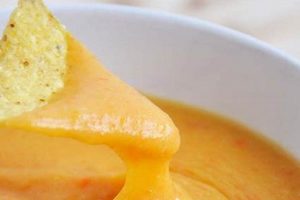
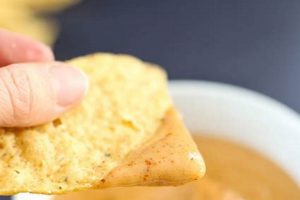
Practical examples of culinary applications include the creation of plant-based nachos with a melted “cheese” sauce, the incorporation of shredded alternatives into vegan enchiladas, and the use of creamy cashew-based “queso” as a dip for tortilla chips. In each case, the success of the dish hinges on the ability of the plant-based cheese to replicate the desired textural and flavor characteristics of its dairy counterpart. Beyond replicating existing dishes, plant-based cheeses also enable the creation of entirely new culinary offerings that cater to vegan or dairy-free diets. Restaurants are increasingly incorporating these alternatives into their menus, demonstrating their versatility and appeal. The development of new recipes and culinary techniques specifically designed to highlight the unique properties of plant-based cheeses is an ongoing process.
In conclusion, the connection between culinary applications and is a direct relationship: the wider the range of successful applications, the greater the overall value and acceptance of plant-based cheese alternatives. Challenges remain in perfectly replicating the textural and flavor nuances of traditional dairy cheeses across all culinary contexts. Future innovation will likely focus on developing plant-based options specifically tailored to different applications, further expanding their culinary versatility and appeal. The overall aim of the article is for the reader to gain more insight into options related to a diet free from animal products and the associated options.
Frequently Asked Questions
This section addresses common inquiries regarding plant-based versions of traditional Mexican cheeses, providing concise and informative answers to clarify their nature and application.
Question 1: What exactly constitutes “vegan Mexican cheese?”
The term denotes products formulated without any animal-derived ingredients, designed to mimic the flavor and texture profiles of cheeses commonly used in Mexican cuisine. These alternatives typically utilize plant-based ingredients such as nuts, seeds, starches, and vegetable oils.
Question 2: How does the nutritional content of these alternatives compare to traditional dairy cheeses?
Plant-based versions often differ significantly. They may contain less protein and calcium, but also lower levels of saturated fat and cholesterol. Fortification with vitamins and minerals is common, but careful label reading is essential for accurate assessment.
Question 3: What are the primary ingredients used in manufacturing these products?
Common ingredients include cashews, almonds, tapioca starch, coconut oil, modified food starches, nutritional yeast, and various seasonings. The specific blend varies depending on the desired texture, flavor, and melting properties of the finished product.
Question 4: How do these products perform in cooking, particularly in terms of melting?
Melting behavior depends on the specific formulation. Some varieties, particularly those containing modified tapioca starch, exhibit a smooth, elastic melt similar to dairy cheese. Others may require adjustments in cooking time or temperature to achieve optimal results.
Question 5: Where can plant-based Mexican-style cheeses be purchased?
These products are increasingly available in mainstream grocery stores, specialty food stores, and online retailers. Availability varies depending on geographic location and local market demand. Check for products that are available near you.
Question 6: Are there any common allergens to be aware of when consuming these alternatives?
Nut-based versions may pose a risk to individuals with nut allergies. Soy-based options should be avoided by those with soy sensitivities. Careful review of ingredient lists is essential to identify potential allergens.
In summary, these alternatives offer a plant-based option for enjoying Mexican cuisine. However, their nutritional content and performance in cooking may differ from traditional dairy cheeses, requiring careful consideration and informed selection.
The following section will offer insights into some recipes using vegan ingredients.
Conclusion
The preceding exploration of “vegan mexican cheese” alternatives has illuminated key facets, ranging from ingredient composition and melting properties to nutritional profiles and culinary applications. The assessment reveals a complex landscape where formulation choices profoundly impact the suitability of these products as substitutes for traditional dairy cheeses in Mexican cuisine. Understanding these nuances is essential for both consumers and manufacturers seeking to navigate this evolving market effectively. The increasing availability of these products, coupled with growing consumer demand, underscores their significance in the broader context of plant-based dietary choices.
Future research and development will likely focus on refining the flavor profiles, improving melting characteristics, and optimizing the nutritional content of these alternatives. The ultimate success of “vegan mexican cheese” depends on its ability to not only mimic the sensory attributes of traditional dairy cheese but also to offer a compelling nutritional and ethical proposition. Continued innovation and informed consumer choices will shape the trajectory of this segment within the broader plant-based food industry. The future includes more focus on options that have less processes. In conclusion, look forward to more innovations!