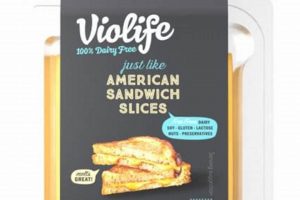
A dairy-free alternative to traditional cheese flavoring, this product replicates the savory and umami characteristics of cheese through plant-based ingredients. Nutritional yeast, often a key component, contributes a cheesy flavor profile alongside ingredients like cashews, sunflower seeds, and spices such as garlic and onion powder. This combination creates a powder that can be sprinkled onto popcorn, pasta, or vegetables to enhance their flavor, simulating the taste of cheese without using any animal products.
The appeal of this foodstuff stems from several factors. Individuals adhering to vegan diets or those with lactose intolerance find it a valuable substitute for traditional cheese in recipes. Furthermore, it offers a source of B vitamins and other nutrients, depending on the specific ingredients used in its formulation. Historically, the development of plant-based alternatives like this reflects a growing consumer demand for sustainable and ethical food options.
Subsequent sections will delve into the various applications of this versatile ingredient, examining its nutritional composition, production methods, and the growing market trends surrounding dairy-free cheese alternatives. The focus will remain on providing a detailed understanding of its role in contemporary food culture and its potential for future development.
Application and Usage Guidance
This section provides guidance on effectively incorporating the dairy-free cheese alternative into various culinary applications. Optimal utilization enhances flavor profiles and dietary benefits.
Tip 1: Enhance Flavor Depth with Heat. Incorporate the powder into sauces or baked dishes to allow the heat to intensify its cheesy flavor and meld with other ingredients. Example: Adding it to a vegan bchamel sauce during simmering.
Tip 2: Prioritize Freshness Through Proper Storage. Store in an airtight container in a cool, dark place to prevent degradation of flavor and nutritional value. Exposure to light and moisture diminishes quality.
Tip 3: Adjust Quantity Based on Recipe Acidity. Acidic ingredients, such as tomatoes or citrus, may require increased quantities of the powder to achieve the desired cheesy taste. Taste and adjust seasoning accordingly.
Tip 4: Utilize as a Topping for Enhanced Texture. Sprinkle the powder over finished dishes, like popcorn or roasted vegetables, immediately before serving to maintain its texture and prevent it from becoming soggy.
Tip 5: Combine with Other Flavor Enhancers. Blend the powder with herbs, spices, or other plant-based seasonings to create custom flavor profiles. Experiment with combinations such as smoked paprika, garlic powder, or dried oregano.
Tip 6: Consider Fat Content for Creaminess. When recreating cheese sauces, incorporate a source of healthy fats, like blended cashews or coconut milk, to enhance the creamy texture, similar to traditional cheese sauces.
Tip 7: Use in Dry Rubs for Savory Coatings. Incorporate it into dry rubs for tofu or tempeh before baking or grilling. This creates a savory crust that complements the underlying flavor of the protein.
These guidelines aim to maximize the culinary potential and dietary advantages of this dairy-free cheese substitute. Proper usage ensures optimal taste and preservation of nutritional components.
The following sections will explore further considerations regarding its nutritional properties and commercial availability.
1. Plant-based Formulation

The defining characteristic of dairy-free cheese powder lies in its plant-based formulation. This is not merely a descriptive detail but a fundamental requirement that dictates its composition and target market. The inherent function of traditional cheese powder, imparting a savory, cheesy flavor, is replicated through entirely plant-derived ingredients. This formulation directly addresses the needs of individuals adhering to vegan diets, lactose-intolerant consumers, and those seeking to reduce their consumption of animal products. The absence of dairy necessitates the strategic use of ingredients such as nutritional yeast, nuts, seeds, and various spices to achieve the desired flavor profile.
The composition of this product directly influences its applicability in the food industry. For instance, a plant-based formulation allows food manufacturers to cater to the expanding vegan market, incorporating the powder into vegan-certified snacks, sauces, and ready-made meals. The formulation also impacts its nutritional value, with the presence of B vitamins from nutritional yeast offering a key advantage over traditional dairy cheese powders. The sourcing of these plant-based ingredients is of paramount importance, driving demand for sustainably produced and ethically sourced components, like cashews and sunflower seeds.
In summary, the plant-based formulation is the linchpin of dairy-free cheese powder. It drives its relevance, dictates its ingredients, influences its nutritional value, and determines its applicability in various food industry sectors. Challenges associated with maintaining consistent flavor profiles and ensuring widespread consumer acceptance remain, but the ongoing demand for plant-based alternatives ensures its continued presence in the market. Future developments may include advanced fermentation techniques to enhance flavor complexity and improve nutritional profiles.
2. Flavor Enhancement

The primary function of dairy-free cheese powder centers on flavor enhancement, specifically replicating the savory and umami characteristics of traditional cheese without using animal products. This capability addresses a fundamental sensory expectation for consumers seeking vegan alternatives. The success of this powder hinges on its ability to mimic the complex flavor profile of cheese through careful selection and combination of plant-based ingredients. For example, the inclusion of nutritional yeast contributes a distinctive cheesy taste, while components such as onion and garlic powder provide depth and complexity. Without effective flavor enhancement, the product lacks a defining attribute, rendering it commercially unviable within its intended market. The practical significance lies in offering a palatable and satisfying alternative for those restricted by dietary choices or ethical considerations.
The method of flavor enhancement also dictates the culinary applications of the powder. A well-formulated powder can be sprinkled directly onto finished dishes, incorporated into sauces, or used as a seasoning for snacks. This versatility is directly proportional to the effectiveness of its flavor enhancement capabilities. For instance, a flavor profile designed for popcorn might not translate well into a sauce base, necessitating variations in ingredient ratios and flavor compounds. Furthermore, the texture and consistency of the powder impact its dispersibility and adherence to food surfaces, influencing the overall sensory experience. Formulators must balance these factors to achieve optimal flavor enhancement across various culinary uses.
In conclusion, flavor enhancement is not merely a desirable quality of dairy-free cheese powder, but its defining purpose. The effectiveness of this flavor enhancement dictates its acceptability, usability, and overall value within the food industry. Challenges remain in replicating the full complexity of traditional cheese flavors and ensuring consistent quality across different production batches. However, ongoing research and development in plant-based flavor technology continue to drive innovation in this sector, furthering the potential of this dairy-free alternative.
3. Nutritional Profile

The nutritional profile of dairy-free cheese powder is a significant factor in its appeal, influencing consumer perception and dietary utility. The composition and nutrient content directly impact its suitability as a substitute for traditional cheese and its integration into various dietary patterns. Careful analysis of this aspect is essential for a comprehensive understanding of its value.
- Vitamin B Composition
Nutritional yeast, frequently a primary ingredient, is a rich source of B vitamins, including B12 in fortified varieties. This provides a notable advantage compared to traditional cheese, which lacks B12, making it particularly valuable for individuals following vegan diets. The presence of these vitamins contributes to energy metabolism and neurological function, enhancing the product’s nutritional appeal.
- Protein Content
The protein content varies depending on the ingredients used, such as nuts or seeds. While generally lower than traditional cheese, it still offers a contribution to daily protein intake. This is particularly relevant when considering the product as a component of a balanced plant-based diet where protein sources may need careful planning.
- Fat Composition and Caloric Density
The fat content is determined by the use of ingredients like cashews or sunflower seeds. While providing healthy fats, this can also contribute to a higher caloric density compared to some lower-fat cheeses. Awareness of this aspect is crucial for consumers managing calorie intake or fat consumption.
- Sodium Content
The sodium level can vary significantly depending on the formulation. Some products may contain high levels of added salt for flavor enhancement, which is a consideration for individuals monitoring their sodium intake. Choosing lower-sodium options or adjusting recipes to compensate is an important factor in utilizing this product responsibly.
Collectively, these facets of the nutritional profile underscore the importance of scrutinizing product labels and understanding the impact of individual ingredients. Dairy-free cheese powder can be a valuable addition to a balanced diet, particularly for vegans, but thoughtful consideration of its overall nutritional composition is essential. Comparing brands and incorporating it judiciously ensures optimal integration into a healthy dietary pattern.
4. Ingredient Sourcing

Ingredient sourcing plays a critical role in the production and market perception of dairy-free cheese powder. The origin, sustainability, and ethical implications of constituent ingredients directly impact product quality, consumer trust, and environmental responsibility. This aspect warrants careful consideration in the context of plant-based food alternatives.
- Nutritional Yeast Provenance
The source of nutritional yeast, a key flavor component, influences both the flavor profile and vitamin B content of the final product. Nutritional yeast cultivated in controlled environments with specific nutrient feeds can yield more consistent and predictable results compared to yeast grown in variable conditions. The geographic origin may also affect the flavor nuances due to regional variations in production methods. Certification of origin adds credibility and assurance of quality.
- Nuts and Seeds Sustainability
Many dairy-free cheese powders utilize nuts and seeds, such as cashews and sunflower seeds, for texture and richness. Sustainable sourcing practices are essential to mitigate environmental impacts associated with these ingredients. Factors include water usage in cultivation, responsible farming practices to prevent soil degradation, and fair labor standards for agricultural workers. Certified sustainable sources, such as those adhering to Fair Trade principles, provide verifiable assurance of ethical sourcing.
- Spice and Seasoning Traceability
Spices and seasonings contribute to the overall flavor complexity. Traceability is paramount to ensure the absence of contaminants and adherence to food safety regulations. Sourcing from suppliers with established quality control measures and documented supply chains is critical. Irradiation or other sanitization methods may be used to ensure product safety, but clear labeling is necessary to inform consumers.
- Additives and Processing Aids Transparency
Some formulations incorporate additives or processing aids to enhance texture, stability, or shelf life. Transparency regarding the use and origin of these components is crucial for consumer confidence. Suppliers should provide detailed information on the purpose, source, and safety assessment of all additives used. Certification from recognized food safety organizations enhances credibility and compliance.
In conclusion, ingredient sourcing is inextricably linked to the quality, sustainability, and ethical considerations surrounding dairy-free cheese powder. Emphasizing transparency, traceability, and responsible sourcing practices not only benefits consumers but also promotes a more sustainable and ethical food system. Manufacturers who prioritize these aspects demonstrate a commitment to both product excellence and environmental stewardship.
5. Culinary Versatility

The culinary versatility of dairy-free cheese powder directly influences its market appeal and integration into diverse dietary applications. This versatility stems from its ability to mimic the flavor profile of traditional cheese, enabling its incorporation into a wide range of dishes where a cheesy taste is desired, but dairy is restricted or avoided.
- Direct Seasoning Application
Dairy-free cheese powder serves as a direct seasoning agent for various foods, including popcorn, roasted vegetables, and potato dishes. Sprinkling the powder onto these foods immediately before serving imparts a cheesy flavor without requiring additional cooking or preparation. This application caters to consumers seeking quick and convenient flavor enhancement options. Real-world examples include vegan popcorn seasonings and pre-seasoned vegetable blends marketed towards health-conscious individuals.
- Sauce and Dip Base
The powder functions as a base ingredient in the creation of dairy-free sauces and dips. When combined with plant-based milk alternatives, such as cashew milk or soy milk, and thickening agents, it yields sauces that mimic the texture and flavor of traditional cheese sauces. These sauces can be utilized in dishes such as macaroni and cheese, enchiladas, and vegetable gratins. The proliferation of vegan mac and cheese recipes online demonstrates the growing utilization of the powder in this capacity.
- Baking and Cooking Component
Dairy-free cheese powder can be integrated into baked goods and cooked dishes to add a savory element. It can be mixed into bread dough, muffin batters, or used as a coating for baked potatoes. In cooking, it serves as a flavor enhancer in soups, stews, and casseroles, providing a cheesy undertone without the need for dairy ingredients. Examples include vegan cheese bread and cheese-flavored vegetable soups.
- Dry Rub Ingredient
The powder contributes to the formulation of dry rubs for plant-based proteins like tofu and tempeh. When combined with other spices and herbs, it creates a savory crust that enhances the overall flavor profile of these protein sources. This application expands the culinary possibilities for individuals seeking flavorful and protein-rich vegan meals. Commercially available vegan barbecue rubs often incorporate dairy-free cheese powder to replicate the flavors of traditional meat-based rubs.
In conclusion, the versatility of dairy-free cheese powder extends beyond simple flavor replacement, enabling its integration into diverse culinary applications. From direct seasoning to sauce creation, baking component, and dry rub ingredient, it offers a flexible and accessible solution for consumers seeking dairy-free alternatives. The increasing availability of recipes and commercially prepared foods incorporating this powder underscores its expanding role in contemporary culinary practices.
Frequently Asked Questions
This section addresses common inquiries and clarifies key aspects regarding dairy-free cheese powder. It aims to provide clear and concise information for consumers.
Question 1: What exactly constitutes “cheese powder vegan”?
It is a plant-based alternative to traditional cheese powder, formulated without any animal-derived ingredients. Its flavor profile mimics that of cheese through the strategic use of ingredients such as nutritional yeast, nuts, seeds, and spices.
Question 2: How does the flavor of dairy-free cheese powder compare to traditional cheese powder?
While it aims to replicate the savory and umami characteristics of cheese, the flavor profile is distinct. The taste is often described as cheesy, nutty, or savory, but it lacks the exact complexity of aged dairy cheese. Variations in ingredient ratios and formulations contribute to different flavor nuances across brands.
Question 3: What are the primary ingredients typically found in dairy-free cheese powder?
Common ingredients include nutritional yeast, cashews or other nuts, sunflower seeds, onion powder, garlic powder, and salt. Some formulations may also incorporate spices, herbs, or vegetable powders to enhance the flavor and nutritional profile. The specific ingredients and their proportions vary by manufacturer.
Question 4: Is dairy-free cheese powder nutritionally equivalent to traditional cheese powder?
No. While it can provide certain nutrients, such as B vitamins from nutritional yeast, its overall nutritional composition differs significantly from traditional cheese powder. It typically contains less protein and calcium, but may offer a healthier fat profile depending on the ingredients used. A careful review of the nutritional label is essential for informed dietary choices.
Question 5: What are the common culinary applications for dairy-free cheese powder?
It can be used as a seasoning for popcorn, roasted vegetables, and pasta dishes. It serves as a base for dairy-free sauces and dips, and can be incorporated into baked goods and dry rubs. Its versatility allows for a wide range of culinary applications where a cheesy flavor is desired without the use of dairy.
Question 6: Are there any potential allergens associated with dairy-free cheese powder?
Yes. Nuts, particularly cashews, are a common ingredient in many formulations. Individuals with nut allergies should carefully review the ingredient list before consumption. Other potential allergens include soy, gluten, and yeast, depending on the specific product formulation.
The information provided in this FAQ section serves as a general guide and does not constitute professional dietary advice. Consumers are encouraged to consult with a qualified healthcare professional for personalized recommendations.
The following section will explore market trends and consumer preferences related to dairy-free cheese alternatives.
Conclusion
The preceding analysis has comprehensively explored dairy-free cheese powder, examining its composition, functionality, nutritional profile, ingredient sourcing, and culinary applications. This investigation underscores its role as a significant plant-based alternative in the evolving food landscape. The product caters to a growing consumer base seeking dairy-free options for ethical, dietary, or health-related reasons, offering a versatile means to replicate cheesy flavors in diverse culinary contexts.
Continued research and development in plant-based flavor technology will undoubtedly refine the sensory attributes and nutritional value of dairy-free cheese alternatives. It remains incumbent upon both manufacturers and consumers to prioritize transparency, ethical sourcing, and informed dietary choices to ensure the responsible and sustainable utilization of this evolving food category. Further exploration into innovative fermentation processes and ingredient combinations may yield enhanced flavor complexity and nutritional profiles, solidifying its position as a viable and compelling alternative to traditional dairy-based products.