Plant-based alternatives to the classic Philadelphia comfort food offer a savory experience that aligns with vegan dietary choices. These sandwiches typically feature thinly sliced seitan, mushrooms, or other plant-based protein, grilled and topped with melted vegan cheese and often caramelized onions and peppers, all served on a hoagie roll. A common preparation involves sauting the protein substitute with desired vegetables until tender, then covering it with a dairy-free cheese alternative until melted, before assembling the sandwich.
The rise in popularity of these sandwiches reflects a growing demand for meat-free and dairy-free options that do not compromise on flavor or satisfaction. They provide a more sustainable and ethical food choice while allowing individuals to enjoy familiar culinary traditions. The development of quality plant-based cheeses and protein sources has been instrumental in creating versions that closely mimic the taste and texture of the original. This addresses health concerns by frequently reducing cholesterol and saturated fat content.
This exploration will delve into the key ingredients, preparation methods, regional variations, and nutritional aspects of this increasingly sought-after menu item. Subsequent sections will also address the culinary creativity and innovation driving its widespread adoption in both restaurant settings and home kitchens.
Preparation and Optimization Strategies
Achieving optimal flavor and texture in plant-based versions of the iconic sandwich requires careful consideration of ingredients and techniques.
Tip 1: Protein Selection. The base protein significantly impacts the overall result. Seitan provides a chewy texture reminiscent of steak, while mushrooms offer an earthy and umami-rich alternative. Experimentation is encouraged to find the preferred protein base.
Tip 2: Cheese Selection is Paramount. Not all vegan cheeses melt uniformly or possess the desired flavor profile. Research and testing various brands are necessary to identify a product that melts smoothly and complements the chosen protein.
Tip 3: Precise Seasoning. Pay close attention to seasoning the protein and vegetables. A combination of salt, pepper, garlic powder, and onion powder can enhance the savory notes. Liquid aminos or vegan Worcestershire sauce add depth of flavor.
Tip 4: Caramelization of Onions. Slow and even caramelization of onions is crucial for adding sweetness and complexity. This requires patience and attention, stirring frequently over medium-low heat until the onions achieve a golden-brown color and softened texture.
Tip 5: Proper Cooking Technique. Whether using a griddle or a pan, ensure adequate heat to sear the protein and melt the cheese evenly. Overcrowding the cooking surface can hinder browning and lead to uneven cooking.
Tip 6: Roll Selection Matters. The roll should be sturdy enough to hold the filling without becoming soggy. A slightly crusty hoagie roll provides the necessary structure and texture.
Tip 7: Strategic Assembly. Place the protein on the roll first, followed by the melted cheese, and then the caramelized onions and peppers. This layering technique helps distribute the flavors and textures evenly.
These strategies contribute to crafting a satisfying and flavorful plant-based sandwich experience. Success hinges on quality ingredients, meticulous preparation, and a willingness to experiment.
The following section will explore the nutritional aspects and dietary considerations associated with this culinary adaptation.
1. Plant-based protein sources

The success of plant-based versions of the Philadelphia cheese steak hinges significantly on the choice of protein source. This choice affects not only the texture and flavor profile but also the overall nutritional value of the final product. Common plant-based protein options include seitan (wheat gluten), various types of mushrooms (portobello, oyster), tempeh (fermented soybean cake), and textured vegetable protein (TVP). The selected protein source serves as the primary structural component, emulating the texture and mouthfeel of sliced steak in the traditional meat-based variant.
Seitan, for example, offers a notably chewy texture and can be seasoned to mimic the savory taste of beef. Mushrooms, particularly portobello, provide an earthy and umami-rich flavor. Tempeh contributes a slightly nutty and firm texture. Each option presents unique challenges and advantages in terms of preparation and achieving the desired culinary outcome. Restaurants specializing in plant-based cuisine often experiment with blends of these proteins to achieve a more complex and nuanced flavor profile. The Vedge restaurant in Philadelphia, for instance, utilizes a combination of smoked tempeh and seitan in their signature vegan cheese steak, resulting in a multi-layered flavor experience.
The careful selection and preparation of plant-based protein sources are paramount to creating a convincing and satisfying plant-based alternative to a classic dish. The ongoing development and refinement of these protein sources continue to expand the possibilities for culinary innovation within the vegan food landscape. Further research is needed to optimize protein blends and preparation techniques for maximum flavor and nutritional benefit.
2. Dairy-free cheese alternatives

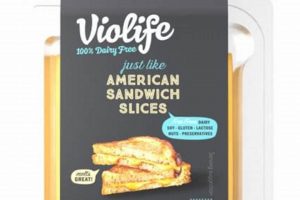
Dairy-free cheese alternatives are indispensable to the creation of credible plant-based versions of the Philadelphia cheese steak. These products aim to replicate the melting properties, texture, and flavor profiles of traditional dairy-based cheeses, enabling the iconic sandwich to be enjoyed by those adhering to vegan diets or those with dairy sensitivities.
- Base Ingredients and Composition
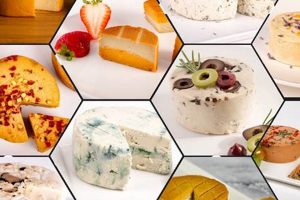
Dairy-free cheeses typically utilize a variety of plant-derived ingredients as their base, including nuts (cashews, almonds), seeds (sunflower, sesame), soy, coconut oil, and starches (tapioca, potato). The specific blend of ingredients influences the final texture and melting behavior. Some formulations prioritize replicating the creamy texture of provolone or mozzarella, while others focus on sharp cheddar-like flavors. The presence or absence of stabilizers and thickeners further contributes to the product’s overall performance.
- Melting Characteristics and Formulation Challenges
Achieving satisfactory melting behavior remains a primary challenge in the dairy-free cheese space. Traditional dairy cheese melts due to the breakdown of protein structures and the presence of milk fat. Plant-based alternatives must replicate this process using different components. Manufacturers often employ modified starches or gums to create a similar effect. However, the resulting melt may sometimes be less smooth or consistent compared to dairy cheese. Ongoing research focuses on optimizing formulations to improve melting properties and minimize separation or greasiness during heating.
- Flavor Profiles and Flavor Enhancement Strategies
Replicating the complex flavor of aged dairy cheese presents another hurdle. Many dairy-free cheeses initially exhibit a blander or more neutral taste. To compensate, manufacturers may incorporate nutritional yeast, lactic acid, or fermented plant-based cultures to introduce umami and tangy notes. The judicious use of salt and other flavor enhancers also plays a crucial role in achieving a palatable taste. Some artisan producers are exploring aging techniques to further develop the flavor complexity of their dairy-free cheeses.
- Nutritional Considerations and Additives
Dairy-free cheeses often differ significantly in their nutritional profile compared to their dairy counterparts. They tend to be lower in saturated fat and cholesterol but may also contain fewer proteins and calcium. Some manufacturers fortify their products with vitamins and minerals to address these nutritional gaps. Additionally, the presence of additives like artificial colors, preservatives, and flavorings should be considered by consumers. Scrutinizing product labels is essential to make informed dietary choices.
The continued advancement of dairy-free cheese alternatives is enabling the creation of increasingly realistic vegan cheese steaks. As technology improves and consumer demand grows, further refinements in taste, texture, and nutritional value are anticipated. These developments will likely contribute to the broader acceptance and integration of plant-based options within the culinary landscape.
3. Caramelized onion flavor
Caramelized onion flavor is a critical element in elevating plant-based cheese steak preparations, providing a depth of sweetness and umami that complements the savory nature of the protein and cheese alternatives. The Maillard reaction, occurring during the slow cooking of onions, generates a spectrum of flavor compounds that enhance the overall gustatory experience.
- Flavor Complexity and Contrast
Caramelization converts the natural sugars in onions into a variety of volatile compounds, creating a nuanced flavor profile encompassing sweetness, savoriness, and subtle bitterness. This complexity provides a crucial counterpoint to the often more straightforward flavors of plant-based protein and dairy-free cheese, preventing the sandwich from tasting one-dimensional. The sweetness balances the saltiness, while the savory notes amplify the umami. For example, in many cheesesteak recipes, the caramelized onions are the only source of sweetness, which provides a much-needed contrast.
- Textural Contribution
Properly caramelized onions soften significantly, contributing a desirable textural element to the sandwich. Their soft, yielding texture contrasts with the chewiness of seitan or the firmness of mushrooms, adding another layer of sensory appeal. This textural diversity prevents the sandwich from feeling monotonous in the mouth. Achieving the correct texture requires careful monitoring of the cooking process to avoid burning or undercooking.
- Aromatic Impact
The aroma of caramelized onions is potent and contributes significantly to the overall sensory experience of the sandwich. The volatile compounds released during caramelization stimulate olfactory receptors, enhancing the perception of flavor. This aromatic quality can increase anticipation and satisfaction. Certain cultivars of onions, like Vidalia, produce more aromatics when caramelized, making them a preferred choice.
- Nutritional Considerations
While caramelized onions primarily contribute flavor, they also offer modest nutritional benefits. Onions contain antioxidants and prebiotics, which may promote gut health. However, the slow cooking process can reduce some of the heat-sensitive nutrients. The addition of oil during caramelization can also increase the calorie content, so moderation is advisable. The nutritional impact, however, is secondary to the flavor contribution in the context of this dish.
The incorporation of expertly caramelized onions transforms a simple plant-based sandwich into a complex and satisfying culinary experience. The interplay of flavor, texture, and aroma elevates the dish beyond a mere meat substitute, creating a unique and memorable sensory impression. The judicious use of caramelized onions is, therefore, essential for crafting exceptional vegan cheese steaks.
4. Roll integrity and texture

Roll integrity and texture are critical factors influencing the structural stability and overall eating experience of plant-based Philadelphia cheese steaks. The roll serves as a vessel, containing the substantial filling of plant-based protein, melted cheese alternative, and accompanying toppings. Its ability to withstand moisture, pressure, and handling directly affects the consumer’s perception of the dish. A roll that lacks structural integrity compromises the eating experience, leading to filling spillage and a soggy texture. For example, a poorly constructed roll may disintegrate under the weight of a generous portion of seitan and melted vegan cheese, rendering the sandwich difficult to manage and diminishing its appeal.
The ideal roll for a plant-based cheese steak exhibits a balance of characteristics. It possesses a firm crust that provides structural support and prevents excessive moisture absorption. Simultaneously, the interior crumb must be soft enough to offer a pleasant mouthfeel and avoid excessive chewiness. A common choice is a hoagie roll or a similar elongated roll with a dense crumb structure. Restaurants specializing in cheese steaks often source rolls specifically designed to maintain their integrity under challenging conditions. Consider the example of plant-based eateries that pre-toast their rolls lightly to create a moisture barrier, prolonging the roll’s structural soundness. The type of wheat flour and the baking process significantly impact the roll’s ultimate texture and strength.
In summary, roll integrity and texture are essential components of a successful plant-based rendition of the classic Philadelphia cheese steak. The roll must be carefully selected to ensure it can withstand the filling’s weight and moisture without compromising the overall eating experience. Addressing this factor is essential for delivering a satisfying and structurally sound product. Attention to detail in roll selection and preparation is indicative of a commitment to quality and enhances customer satisfaction.
5. Nutritional profile considerations

The nutritional composition of plant-based Philadelphia cheese steaks requires careful evaluation, particularly when compared to traditional versions containing beef and dairy cheese. Understanding these distinctions allows for informed dietary choices.
- Macronutrient Distribution
Plant-based cheese steaks typically exhibit a different macronutrient distribution than their meat-based counterparts. They generally contain less saturated fat and cholesterol, often substituting these with unsaturated fats from plant-based oils or nuts. The protein source, whether seitan, mushrooms, or legumes, affects the overall protein content. Carbohydrate levels may vary depending on the type of roll and the quantity of onions and peppers included. For example, a seitan-based cheese steak on a white roll will likely have a higher carbohydrate content compared to a mushroom-based option served on a whole-wheat roll.
- Micronutrient Content
The micronutrient profile of plant-based cheese steaks is influenced by the specific ingredients used. Mushrooms contribute B vitamins and selenium, while certain plant-based cheeses are fortified with vitamin B12 and calcium. The presence of onions and peppers adds vitamin C and other antioxidants. However, plant-based versions may be lower in iron compared to beef-based cheese steaks, necessitating attention to iron sources in the overall diet. The use of enriched or fortified plant-based ingredients can help address potential nutrient deficiencies. For example, incorporating iron-fortified seitan or vitamin B12-fortified nutritional yeast can enhance the micronutrient profile.
- Sodium Levels
Sodium content is a crucial consideration, as both traditional and plant-based cheese steaks can be high in sodium. Processed plant-based cheeses and commercially prepared seitan often contain significant amounts of sodium. Additionally, added salt during cooking and seasoning contributes to the overall sodium load. High sodium intake is associated with increased risk of hypertension and cardiovascular disease. Consumers can mitigate this risk by selecting low-sodium plant-based cheeses, using fresh ingredients, and minimizing the addition of salt during preparation. For example, opting for homemade seitan and using herbs and spices instead of salt for flavoring can reduce the sodium content substantially.
- Fiber Content
Plant-based cheese steaks generally offer a higher fiber content compared to traditional versions, particularly if they incorporate vegetables and whole-grain rolls. Fiber promotes digestive health, aids in blood sugar control, and contributes to satiety. The type of fiber present varies depending on the ingredients used. For example, onions and peppers provide soluble fiber, while whole-wheat rolls contribute insoluble fiber. Increasing the fiber content can further enhance the nutritional profile of plant-based cheese steaks. Adding extra vegetables or choosing a high-fiber roll can be beneficial.
In conclusion, while plant-based cheese steaks can offer certain nutritional advantages over traditional versions, such as lower saturated fat and higher fiber content, it’s essential to carefully consider the macronutrient and micronutrient profile, sodium levels, and overall dietary context. Informed ingredient selection and mindful preparation are key to creating a nutritionally balanced and satisfying meal.
6. Regional variation adaptations

The incorporation of regional culinary influences represents a significant trend in the evolution of plant-based Philadelphia cheese steaks. This adaptation allows for customization based on locally available ingredients and prevailing regional tastes, moving beyond a strict replication of the original beef-based iteration.
- Local Produce Incorporation
Regional adaptations frequently involve the addition of locally sourced vegetables and other produce. For example, a Southwestern version might include roasted green chiles, while a Pacific Northwest rendition could feature sauteed wild mushrooms. This not only enhances the flavor profile but also supports local agriculture and reflects the regional culinary identity. The specific produce used often depends on seasonal availability and regional specialties.
- Sauce and Condiment Variations
Regional cheese steak adaptations often employ locally popular sauces and condiments to impart distinctive flavors. A Creole-inspired variant might incorporate a spicy remoulade, while a Southern rendition could feature a tangy vinegar-based slaw. This modification allows chefs to cater to regional preferences and create unique flavor combinations. The choice of sauce can significantly alter the overall taste and perceived authenticity of the plant-based cheese steak.
- Bread and Roll Modifications
The choice of bread or roll can also reflect regional variations. A New England adaptation might utilize a crusty sourdough roll, while a Tex-Mex version could employ a bolillo roll. The type of bread influences the texture and structural integrity of the sandwich, as well as contributing to its overall flavor profile. Regional bakeries often offer unique bread varieties that are well-suited for cheese steak preparations.
- Cheese Alternative Innovations
The selection of plant-based cheese alternatives can also be influenced by regional availability and preferences. Certain regions may have access to artisanal plant-based cheeses crafted from locally grown nuts or legumes. These cheeses can impart unique flavors and textures, distinguishing the plant-based cheese steak from more standardized versions. Regional cheese makers often experiment with innovative techniques and ingredients, resulting in a diverse range of plant-based cheese options.
These regional adaptations demonstrate the versatility of the plant-based cheese steak concept. By incorporating local ingredients, sauces, breads, and cheeses, chefs can create unique and culturally relevant versions of this classic sandwich, catering to diverse palates and supporting local food systems. The ongoing exploration of regional variations contributes to the evolution and diversification of plant-based cuisine.
7. Ethical consumption implications

The production and consumption of food products carry inherent ethical implications, and plant-based cheese steaks are no exception. Examining these implications involves considering the environmental impact, animal welfare concerns, and the labor practices associated with the ingredients and production processes.
- Animal Welfare Considerations
A primary ethical driver for choosing plant-based options, including cheese steaks, is the avoidance of animal products. Traditional cheese steaks rely on beef and dairy cheese, both industries associated with concerns regarding animal treatment, living conditions, and slaughter practices. Plant-based versions eliminate direct involvement in these industries, aligning with ethical frameworks that prioritize animal welfare. However, consumers should also consider the potential use of animal byproducts in the production of some plant-based ingredients, such as certain refined sugars or flavorings, requiring careful label examination.
- Environmental Impact Reduction
The production of beef is associated with significant environmental impacts, including greenhouse gas emissions, deforestation, and water consumption. Dairy farming also contributes to environmental degradation through methane emissions and land use. Plant-based alternatives generally have a smaller environmental footprint, requiring fewer resources and generating less pollution. However, the specific environmental impact of plant-based cheese steaks depends on the source and production methods of the ingredients. For example, the cultivation of soy can be linked to deforestation in certain regions, necessitating consideration of sustainably sourced ingredients.
- Labor Practices and Fair Trade
Ethical consumption extends to the labor practices involved in the production and distribution of food products. Plant-based cheese steaks often incorporate ingredients sourced from global supply chains, raising concerns about fair labor practices and worker exploitation. Ensuring that ingredients are sourced from suppliers who adhere to fair trade principles and provide safe working conditions is an essential aspect of ethical consumption. For example, sourcing onions from farms that pay fair wages and provide safe working conditions contributes to a more ethical supply chain.
- Sustainability of Ingredients
The long-term sustainability of the ingredients used in plant-based cheese steaks is another important consideration. The cultivation of certain crops, such as palm oil or soy, can have negative environmental and social consequences if not managed sustainably. Choosing ingredients that are certified sustainable and grown using responsible farming practices helps to minimize the negative impacts. For example, selecting plant-based cheeses made with sustainably sourced nuts or seeds promotes environmental stewardship and supports responsible agricultural practices.
By carefully considering the animal welfare, environmental, labor, and sustainability implications of the ingredients and production methods, consumers can make more ethical choices when selecting plant-based cheese steaks. This holistic approach contributes to a more sustainable and just food system.
Frequently Asked Questions About Vegan Cheese Steaks
The following addresses common inquiries regarding plant-based alternatives to the traditional Philadelphia cheese steak, offering clarity on ingredients, preparation, and nutritional aspects.
Question 1: What constitutes a “vegan cheese steak,” and what differentiates it from a standard cheese steak?
A “vegan cheese steak” is a plant-based adaptation of the traditional Philadelphia cheese steak. It replaces the customary beef with plant-derived protein sources, such as seitan (wheat gluten), mushrooms, or textured vegetable protein. Dairy-based cheese is substituted with a dairy-free alternative, typically made from nuts, seeds, or soy. The remaining componentsonions, peppers, and the rollare generally similar to those used in standard cheese steaks.
Question 2: What are the primary plant-based protein options used in plant-based cheese steaks, and how do they compare in terms of taste and texture?
Common protein options include seitan, offering a chewy texture akin to beef; mushrooms, providing an earthy and umami-rich flavor; and textured vegetable protein, which can be seasoned to mimic the savory taste of meat. The optimal choice depends on individual preference and desired flavor profile. Seitan tends to more closely resemble beef in texture, while mushrooms offer a distinct flavor dimension.
Question 3: Are dairy-free cheese alternatives nutritionally equivalent to dairy-based cheeses?
Dairy-free cheese alternatives typically differ in nutritional composition from dairy cheeses. They often contain less saturated fat and cholesterol but may also have varying levels of protein, calcium, and other micronutrients. Some are fortified to address nutritional gaps. Consumers should examine product labels to compare nutritional profiles and make informed choices based on individual dietary needs.
Question 4: What are the key challenges in replicating the taste and texture of a traditional cheese steak using plant-based ingredients?
Replicating the taste and texture of a traditional cheese steak presents several challenges. Matching the savory flavor and chewy texture of beef with plant-based proteins requires careful seasoning and preparation. Achieving a smooth and melty texture with dairy-free cheese alternatives can also be difficult. Additionally, recreating the overall flavor synergy of the traditional sandwich requires a balanced combination of ingredients and cooking techniques.
Question 5: Can plant-based cheese steaks be considered a healthier alternative to traditional cheese steaks?
Plant-based cheese steaks can offer potential health benefits compared to traditional versions, primarily due to their lower saturated fat and cholesterol content. They may also be higher in fiber, depending on the ingredients used. However, it is essential to consider the sodium content and overall nutritional profile, as some plant-based options may be high in sodium or processed ingredients. Moderation and mindful ingredient selection are crucial.
Question 6: Are there regional variations in plant-based cheese steak preparations, and what distinguishes them?
Yes, regional variations exist in plant-based cheese steak preparations. These variations often reflect locally available ingredients and regional culinary preferences. Examples include the addition of roasted green chilies in Southwestern versions or the use of unique plant-based cheeses crafted from local ingredients. These adaptations contribute to the diversity and culinary appeal of plant-based cheese steaks.
The preceding offers a brief overview of commonly asked questions. Additional information is available in subsequent sections of this discourse.
The following segment will explore the environmental impact of plant-based cheese steaks compared to the traditional counterparts.
Conclusion
This exploration has detailed the multifaceted aspects of vegan cheese steaks, from ingredient selection and preparation techniques to nutritional considerations and ethical implications. The discussion encompassed protein and cheese alternatives, the crucial role of caramelized onions, and the significance of roll integrity. Regional variations and commonly asked questions were also addressed, providing a comprehensive overview of this plant-based adaptation of a classic dish.
The growing interest in vegan cheese steaks reflects a broader shift towards more sustainable and ethical food choices. The continued development of plant-based ingredients and culinary techniques will further refine this dish, potentially making it a mainstream option. Further exploration into ingredient sourcing and optimizing nutritional profiles remains essential for its sustained success and positive impact on the food system.