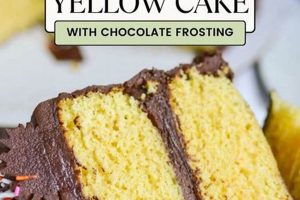
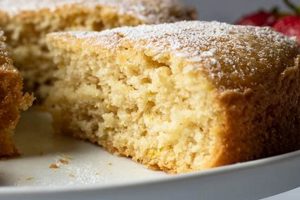
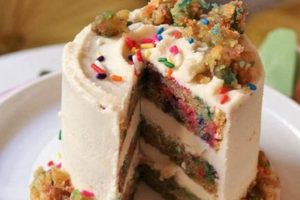
A readily available baking product, typically found in grocery stores, allows for the creation of a dessert without animal-derived ingredients. These mixes offer a convenient base, requiring the addition of liquids such as water, plant-based milk, or oil to produce a batter. An example would be a chocolate cake mix specifically formulated without eggs or dairy products, suitable for individuals adhering to a plant-based diet.
The significance of these mixes lies in their accessibility and ease of use, enabling individuals with dietary restrictions or preferences to enjoy homemade baked goods. Historically, creating desserts without animal products required specialized knowledge and ingredient substitutions. These mixes streamline the process, saving time and reducing the likelihood of errors, thus promoting broader adoption of plant-based baking. They also contribute to reduced reliance on animal agriculture and align with ethical considerations surrounding food production.
Further discussion will explore specific brands and formulations, techniques for optimizing the final product, and comparisons to traditional cake mixes. Detailed attention will also be given to ingredient analysis and potential health implications.
Tips for Optimizing Plant-Based Cake Mix Results
Achieving optimal results with plant-based baking mixes requires attention to detail. While convenient, these mixes often necessitate slight adjustments to ensure desired texture and flavor profiles.
Tip 1: Hydration is Key: Plant-based recipes often require slightly more moisture than traditional recipes. Consider adding an extra tablespoon or two of liquid, such as plant-based milk or water, to the batter to prevent a dry or crumbly final product. Thoroughly incorporate the additional liquid, avoiding overmixing.
Tip 2: Oil Selection Matters: The type of oil utilized significantly influences the cake’s texture and overall taste. Neutral-flavored oils, like canola or grapeseed oil, are suitable when a subtle flavor is desired. Coconut oil can impart a subtle coconut flavor, while olive oil should be avoided due to its strong taste, which may detract from the cake’s intended flavor profile.
Tip 3: Add Acidity: Introducing a small amount of acidity can enhance the cake’s rise and texture. Adding one teaspoon of apple cider vinegar or lemon juice to the liquid ingredients can react with the baking powder, promoting a lighter and fluffier crumb.
Tip 4: Consider Flaxseed or Chia Seed “Eggs”: For added binding and moisture, incorporate a flaxseed or chia seed “egg.” Prepare this by combining one tablespoon of ground flaxseed or chia seeds with three tablespoons of water. Allow the mixture to sit for five to ten minutes until it thickens, then add it to the batter.
Tip 5: Oven Temperature Calibration: Ensure the oven is properly calibrated. An inaccurate oven temperature can significantly impact the baking process. Use an oven thermometer to verify the internal temperature and adjust accordingly to prevent under-baking or over-baking.
Tip 6: Pan Preparation is Crucial: Properly preparing the cake pan is essential to prevent sticking. Grease the pan thoroughly with shortening or oil, then dust it with flour or cocoa powder. This will ensure a clean release and prevent the cake from tearing.
Tip 7: Cooling Technique: Allow the baked cake to cool in the pan for ten to fifteen minutes before inverting it onto a wire rack to cool completely. This prevents the cake from breaking apart during the cooling process.
Mastering these tips will significantly improve the consistency and quality of baked goods made with plant-based mixes, allowing for consistent production of delicious desserts.
These techniques contribute to a more reliable and enjoyable plant-based baking experience, leading to increased confidence and success in the kitchen.
1. Ingredient Analysis

Ingredient analysis is a fundamental aspect of understanding the suitability and composition of a box cake mix marketed as vegan. This examination delves into the detailed list of components to confirm the absence of animal-derived ingredients, a prerequisite for adherence to a vegan dietary standard. The analysis often reveals the presence of modified starches, plant-based oils (such as palm or soybean oil), leavening agents (baking powder or baking soda), and various emulsifiers. Understanding the function of each ingredient is critical, as subtle differences in formulation can impact the final product’s texture and flavor. For instance, the type of starch used can significantly affect the cake’s crumb structure and moisture retention. A thorough ingredient analysis, therefore, goes beyond simply identifying the components; it investigates their source and impact.
Furthermore, ingredient analysis allows for a comparative assessment of different plant-based cake mixes. Such analysis can uncover potential allergens (e.g., soy or gluten), the source and sustainability of oils used, and the presence of artificial additives. This enables consumers to make informed choices based on their individual needs and preferences. For example, a consumer with a soy allergy would rely on careful ingredient analysis to identify and avoid mixes containing soy lecithin or soy protein. Similarly, concerns about the environmental impact of palm oil production can drive consumers to seek out mixes using alternative oil sources. Detailed ingredient panels and, increasingly, transparent sourcing information provided by manufacturers are crucial to facilitating these assessments.
In conclusion, ingredient analysis serves as a cornerstone for verifying the plant-based nature of boxed cake mixes, allowing for informed consumer choices regarding allergens, sustainability, and overall product quality. While the term “vegan” on a product label provides an initial indication, a comprehensive ingredient analysis confirms adherence to plant-based principles and contributes to a more transparent and accountable food system. The ability to interpret ingredient lists and understand the role of each component empowers consumers to select products that align with their dietary, ethical, and health-related objectives.
2. Plant-based alternatives

The development and widespread availability of plant-based alternatives are intrinsically linked to the viability and market presence of boxed cake mixes formulated without animal products. The success of these mixes relies heavily on the effective substitution of traditional baking ingredients with plant-derived counterparts. These substitutions must maintain the desired texture, flavor, and structural integrity of the final baked good.
- Egg Replacements
Traditional cake recipes rely on eggs for binding, leavening, and moisture. Plant-based alternatives, such as flaxseed meal mixed with water (“flax egg”), applesauce, or commercially available egg replacers, aim to replicate these functions. The choice of egg replacement influences the cake’s density, crumb structure, and overall moistness. For instance, flax eggs can add a slightly nutty flavor and dense texture, while applesauce contributes moisture and sweetness.
- Dairy Substitutions
Milk, butter, and other dairy products contribute to the richness, tenderness, and flavor of traditional cakes. Plant-based milks, such as almond, soy, or oat milk, serve as direct liquid replacements. Vegan butter alternatives, formulated from plant-based oils, replicate the emulsifying and fat-contributing properties of dairy butter. The selection of dairy substitutes affects the cake’s fat content, flavor profile, and potential allergens. Coconut milk, for example, can impart a distinct flavor and higher fat content.
- Fat Replacements
Beyond butter substitutes, oil plays a crucial role in the texture of a cake. Plant-based cake mixes often utilize vegetable oils, such as canola or sunflower oil, as the primary fat source. The type of oil influences the cake’s moistness and overall flavor neutrality. Some recipes may incorporate nut butters or mashed avocado to add moisture and healthy fats, but these additions can alter the flavor profile.
- Leavening Agents
Baking powder and baking soda are essential for creating a light and airy texture. These chemical leavening agents react with acidic ingredients in the batter to produce carbon dioxide, causing the cake to rise. Plant-based mixes often rely on the same leavening agents as traditional mixes. The success depends on the balance of acidic and alkaline components within the recipe and the proper activation through heat.
The effectiveness of plant-based alternatives determines the overall quality and consumer acceptance of boxed cake mixes designed for vegan diets. Careful formulation and ingredient selection are critical for achieving a product that meets the expectations of both plant-based and traditional cake consumers. As advancements in plant-based food technology continue, more sophisticated and nuanced ingredient replacements will likely emerge, further enhancing the appeal and performance of these mixes.
3. Texture modification

Texture modification is a critical element in the successful formulation and consumer acceptance of mixes lacking animal-derived ingredients. Traditional cake recipes rely heavily on ingredients like eggs and dairy for specific textural attributes, including moistness, crumb structure, and overall tenderness. The absence of these ingredients in plant-based versions necessitates strategic adjustments to replicate the desired characteristics. For example, gluten development, typically moderated by fats present in eggs and dairy, may require control through alternative ingredient choices or mixing techniques. This underscores the direct causal relationship: the decision to omit animal products directly prompts the need for texture-modifying agents and techniques.
One common approach involves utilizing hydrocolloids such as xanthan gum or guar gum. These substances bind water, mimicking the moistening effect of eggs and preventing the cake from becoming dry or crumbly. Another technique involves increasing the fat content using plant-based oils like canola or coconut oil. However, care must be taken to balance the fat content, as excessive oil can lead to a greasy texture. Fruit purees, such as applesauce or mashed banana, can also be employed to introduce moisture and natural sweetness, simultaneously contributing to a softer crumb. The practical significance of understanding these texture modification techniques lies in the ability to predict and control the final product’s mouthfeel, a primary determinant of consumer satisfaction.
In summary, texture modification is not merely an optional consideration but a foundational requirement in plant-based baking mix formulation. The omission of animal-derived ingredients demands a deliberate and scientifically informed approach to recreating the sensory properties expected of a traditional cake. Challenges remain in perfectly replicating the complex interactions of gluten, fats, and proteins found in conventional recipes. Ongoing research and development in plant-based food science continue to yield innovative solutions, progressively closing the textural gap between traditional and animal-free baked goods. This has direct implications for the market success and mainstream adoption of these baking products.
4. Flavor balancing
Flavor balancing in the context of cake mixes formulated without animal products is not merely an aesthetic concern, but a fundamental requirement for achieving a palatable and commercially viable product. The absence of traditional ingredients like butter and eggs, which contribute significantly to the overall flavor profile, necessitates careful manipulation of other components to compensate and avoid undesirable taste outcomes.
- Sweetness Modulation
The sweetness level in plant-based cake mixes often requires precise adjustment. While sugar provides the primary sweetening component, the absence of dairy fats can lead to a perceived increase in sweetness intensity. This necessitates a careful calibration of sugar content, potentially incorporating alternative sweeteners like agave or maple syrup to provide a more nuanced and less overwhelming sweetness profile. Real-world examples include mixes where the sugar ratio is subtly reduced and augmented with fruit purees to enhance both sweetness and moisture. The implications involve improved palatability and a more appealing overall flavor experience.
- Umami Enhancement
The savory depth, or umami, contributed by dairy and eggs is often lacking in plant-based mixes. To compensate, manufacturers may incorporate ingredients like nut butters, cocoa powder (even in non-chocolate varieties), or small amounts of miso powder to provide a subtle savory undertone. This addition aims to create a more complex and satisfying flavor experience, preventing the cake from tasting bland or one-dimensional. An example is a vanilla cake mix subtly enhanced with almond butter, adding both moisture and a mild umami note. The implications include a more balanced and richer flavor profile.
- Acidic Counterpoints
The inclusion of acidic components is crucial for balancing sweetness and enhancing overall flavor perception. Ingredients such as lemon juice, apple cider vinegar, or even buttermilk powder (in specifically formulated vegan buttermilk substitutes) can provide a tart counterpoint to the sweetness, creating a more dynamic flavor profile. Real-life applications include the addition of lemon zest to a lemon-flavored cake mix, heightening the citrus notes and balancing the sugar content. The implications involve heightened flavor complexity and a more refreshing taste experience.
- Spice Integration
Spices play a significant role in enhancing the flavor of plant-based baked goods, often masking any off-flavors from alternative ingredients and contributing depth. Cinnamon, nutmeg, cardamom, and other spices can be strategically incorporated to complement and elevate the existing flavors. For example, a spice cake mix may incorporate a blend of cinnamon, cloves, and allspice to create a warm and comforting flavor profile. The implications involve enhanced flavor complexity and improved overall sensory appeal.
Flavor balancing in boxed cake mixes engineered to exclude animal products represents a complex interplay of ingredient choices and proportions. The strategic adjustment of sweetness, the introduction of umami elements, the incorporation of acidic counterpoints, and the skillful integration of spices all contribute to a final product that is both palatable and appealing to a broad consumer base. These modifications are not merely substitutions; they are deliberate enhancements designed to compensate for the absence of traditional ingredients and create a satisfying and balanced flavor experience within the parameters of plant-based formulation.
5. Dietary suitability
Dietary suitability constitutes a primary driver behind the increasing demand for boxed cake mixes formulated without animal-derived ingredients. The alignment of these mixes with various dietary restrictions and preferences expands their market reach and enhances their consumer appeal. Understanding the specific dietary needs addressed by these products is critical for both manufacturers and consumers.
- Veganism
The most direct connection lies with veganism, a dietary practice that excludes all animal products. Such cake mixes are formulated without eggs, dairy, honey, or any other ingredient derived from animals, making them suitable for individuals adhering to a strict vegan lifestyle. Real-world examples include individuals choosing these mixes to avoid supporting animal agriculture and its associated ethical concerns. The implication is an inclusive dessert option for a growing segment of the population.
- Lactose Intolerance
Many individuals experience lactose intolerance, a digestive disorder caused by the inability to digest lactose, a sugar found in dairy products. Mixes free from dairy ingredients circumvent this issue, allowing lactose-intolerant individuals to enjoy cake without adverse effects. A practical instance involves consumers selecting these mixes as a convenient alternative to traditional cakes that would otherwise cause digestive discomfort. The resulting benefit is expanded dessert options for individuals with lactose intolerance.
- Dairy Allergies
Dairy allergies, distinct from lactose intolerance, involve an immune response to proteins found in milk. The complete absence of dairy ingredients in plant-based cake mixes ensures their suitability for individuals with dairy allergies, preventing potentially severe allergic reactions. An example is parents of children with dairy allergies opting for these mixes to provide safe and enjoyable treats. This provides a safe and accessible option that mitigates health risks.
- Egg Allergies
Similar to dairy allergies, egg allergies trigger an immune response to egg proteins. The elimination of eggs from the ingredient list makes these cake mixes a safe choice for individuals with egg allergies. A relevant scenario includes individuals with egg allergies choosing these mixes for birthday celebrations or other special occasions. Such product options contribute to inclusive and safe food environments.
The dietary suitability of boxed cake mixes designed without animal products extends beyond strict veganism to encompass a broader range of dietary needs and preferences. This adaptability contributes to their increasing popularity and positions them as a viable and inclusive option for a diverse consumer base. These products offer a pathway to enjoying familiar desserts without compromising dietary restrictions, enhancing social inclusivity and personal well-being.
6. Retail availability

The extent to which boxed cake mixes formulated without animal products are accessible to consumers is directly determined by their retail availability. This factor significantly influences market penetration, consumer adoption, and ultimately, the overall success of these specialized baking products. Distribution channels, shelf placement, and marketing strategies collectively shape the consumer’s opportunity to purchase these items.
- Mainstream Grocery Chains
The presence of these mixes within major supermarket chains is a key indicator of their mainstream acceptance. Placement on shelves alongside conventional cake mixes provides increased visibility and normalizes the product category. For example, a national grocery chain stocking multiple brands of plant-based cake mixes signals a growing demand and acceptance among a wider consumer base. The implication is greater accessibility for consumers seeking plant-based options during routine grocery shopping.
- Specialty Food Stores
Health food stores and specialty grocers often serve as early adopters and incubators for niche food products. The presence of plant-based cake mixes in these venues indicates a pre-existing consumer base actively seeking out such items. For instance, a specialty food store dedicating shelf space to a diverse selection of plant-based baking mixes caters to a specific demographic with established dietary preferences. This demonstrates a commitment to serving specialized dietary needs, creating a launchpad for wider market acceptance.
- Online Retail Platforms
E-commerce platforms provide a virtual marketplace unrestricted by geographical limitations. Online retailers enable plant-based cake mix manufacturers to reach consumers beyond their immediate vicinity, expanding their potential customer base. An example is a small, independent brand selling its mixes exclusively online, reaching customers nationwide. This reduces barriers to entry and facilitates direct-to-consumer sales.
- Geographic Distribution
The concentration of retail outlets offering plant-based cake mixes varies geographically. Urban areas with a higher prevalence of health-conscious consumers and diverse dietary preferences tend to have greater availability. For instance, major metropolitan areas often have a wider selection of these products compared to rural regions. This disparity highlights the influence of local demand and consumer demographics on product availability, indicating areas with potential for further market growth.
The combined influence of these factors underscores the importance of strategic distribution and targeted marketing in maximizing the reach and impact of boxed cake mixes formulated without animal products. Increased retail availability translates to greater consumer awareness, easier access, and ultimately, broader adoption of these specialized baking options. This accessibility directly reinforces the viability and sustainability of the plant-based baking industry.
7. Ethical sourcing

The connection between ethical sourcing and plant-based cake mixes is multifaceted and increasingly significant to consumers. Ethical sourcing, in this context, pertains to ensuring that ingredients used in the production of the mixes are obtained through practices that minimize negative environmental and social impacts. This encompasses fair labor standards for agricultural workers, sustainable farming methods that protect biodiversity and reduce pollution, and responsible supply chain management that avoids deforestation or exploitation. For example, the sourcing of palm oil, a common ingredient in many cake mixes, is a critical ethical consideration. Uncertified palm oil production is frequently linked to deforestation and habitat destruction, directly contravening ethical consumer expectations. Therefore, manufacturers committed to ethical practices prioritize the use of certified sustainable palm oil (CSPO) or alternatives, mitigating environmental harm.
The importance of ethical sourcing as a component of plant-based cake mixes stems from the inherent values often associated with choosing a vegan diet. Consumers who opt for plant-based products frequently do so out of concern for animal welfare, environmental sustainability, and social justice. Consequently, they expect that products labeled as “vegan” or marketed as plant-based will align with these ethical principles throughout the entire supply chain. This expectation extends to the ingredients themselves and the conditions under which they are produced. A practical example of this is consumer preference for mixes utilizing cocoa sourced through fair trade programs, ensuring that cocoa farmers receive equitable compensation for their labor and that child labor is avoided. This consumer demand incentivizes manufacturers to adopt more transparent and responsible sourcing practices.
The understanding of ethical sourcing’s role offers practical benefits for both consumers and producers. Consumers can make informed purchasing decisions aligned with their values, supporting companies that prioritize sustainability and fair labor practices. Producers, in turn, can enhance their brand reputation, attract ethically conscious consumers, and contribute to a more sustainable and equitable food system. Challenges remain, however, in ensuring complete transparency and traceability within complex global supply chains. Third-party certifications, such as Fairtrade or Rainforest Alliance, can provide a degree of assurance, but ongoing due diligence and supply chain monitoring are essential. Ethical sourcing is thus not merely a marketing tool but an integral component of responsible plant-based cake mix production, reflecting a broader commitment to environmental stewardship and social responsibility.
Frequently Asked Questions About Box Cake Mix Vegan
This section addresses common inquiries and misconceptions regarding plant-based cake mixes, providing clarity on various aspects related to their composition, usage, and benefits.
Question 1: Are all boxed cake mixes labeled “vegan” truly free of animal-derived ingredients?
While the term “vegan” suggests the absence of animal products, careful scrutiny of the ingredient list is advised. Manufacturers may inadvertently use ingredients processed with animal products or derived from non-vegan sources. Cross-contamination during manufacturing is also a potential concern. Thoroughly review ingredient labels before consumption.
Question 2: Do vegan cake mixes taste different from traditional cake mixes?
Subtle flavor variations may exist due to the substitution of traditional ingredients with plant-based alternatives. The absence of dairy fats, for example, may affect the overall richness and mouthfeel. However, with proper formulation and baking techniques, plant-based cake mixes can yield results comparable to traditional counterparts.
Question 3: Are there specific liquid substitutions that work best with plant-based cake mixes?
Plant-based milks, such as almond, soy, or oat milk, are commonly used as liquid substitutes. The choice of liquid may influence the final flavor and texture. Neutral-flavored options are generally recommended. Water can also be used, although it may result in a slightly less rich flavor.
Question 4: Can vegan cake mixes be modified to accommodate gluten-free diets?
Certain plant-based cake mixes are specifically formulated to be both vegan and gluten-free. These mixes utilize alternative flours, such as rice flour or tapioca starch, to replace wheat flour. Confirm that the packaging explicitly states “gluten-free” to ensure suitability for individuals with gluten sensitivities or celiac disease.
Question 5: Are vegan cake mixes nutritionally comparable to traditional cake mixes?
Nutritional profiles may vary. Plant-based cake mixes may contain different amounts of fat, sugar, and fiber compared to traditional mixes. Review the nutrition facts panel to compare the nutritional content and make informed choices based on individual dietary needs.
Question 6: Are there any specific baking techniques recommended for vegan cake mixes?
Slight adjustments to baking time or temperature may be necessary. Plant-based mixes may benefit from a slightly longer baking time or a lower oven temperature to ensure thorough cooking. Close monitoring during baking is recommended.
In summary, plant-based cake mixes provide a convenient and accessible option for individuals seeking animal-free baking alternatives. Understanding the nuances of ingredient substitutions and baking techniques can optimize the final product and ensure a satisfying baking experience.
The subsequent section will address considerations for storage and preservation of plant-based cake mixes and baked goods.
Conclusion
The preceding analysis provides a comprehensive overview of “box cake mix vegan,” encompassing ingredient considerations, substitution strategies, textural adaptations, flavor balancing, dietary implications, retail availability, and ethical sourcing. The integration of these elements is crucial for the production and consumption of palatable and ethically sound baked goods. A thorough understanding of these factors enables informed decision-making by both manufacturers and consumers.
The continued evolution of plant-based baking depends on ongoing innovation, transparent labeling practices, and a sustained commitment to ethical sourcing principles. The future viability of “box cake mix vegan” hinges on its ability to meet the evolving demands of a discerning consumer base while adhering to the highest standards of quality, sustainability, and ethical production.
![Easy Vegan Smash Cake Recipe: The Best [Keyword] | Discover Delicious Vegan Food, Beauty Swaps, and Zero-Waste Tips for a Greener Life](https://thisvegangirl.com/wp-content/uploads/2026/04/th-704-300x200.jpg "Easy Vegan Smash Cake Recipe: The Best [Keyword] Discover Delicious Vegan Food, Beauty Swaps, and Zero-Waste Tips for a Greener Life")