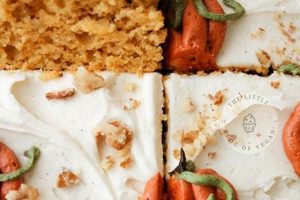
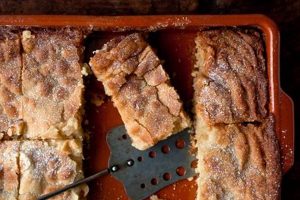
A plant-based version of the classic sweet bread, this treat excludes all animal products typically found in traditional recipes. Common substitutions involve using plant-based milk alternatives, such as almond or soy milk, in place of dairy milk. Additionally, flaxseed “eggs” or applesauce can be used as binding agents to replace chicken eggs. The result is a moist, flavorful cake with a distinctive citrus profile, adhering to vegan dietary principles.
This adaptation offers an inclusive option for individuals following plant-based diets or those with egg or dairy allergies. The absence of animal-derived ingredients can align with ethical and environmental considerations. Historically, the rise in popularity of plant-based alternatives has spurred innovation in baking, leading to readily available and palatable recipes replicating traditional baked goods. The resulting baked good offers the same satisfying taste and texture as its conventional counterpart.
The following sections will delve into the ingredients, preparation techniques, and variations associated with creating this specialized baked dessert. Further, it will explore methods for optimizing the texture and flavor, providing a thorough understanding of its creation and enjoyment.
Tips for Optimal Results
Achieving the desired texture and flavor profile requires attention to detail and a strategic approach. These guidelines aim to enhance the baking experience and ensure a successful outcome.
Tip 1: Use High-Quality Plant-Based Butter: Selecting a high-fat content vegan butter is crucial. The fat contributes to the cake’s moisture and richness. Opt for a brand specifically designed for baking, as these tend to perform better in terms of texture and emulsification.
Tip 2: Emulsify Properly: Thorough emulsification of the plant-based butter and sugar is essential for a tender crumb. Cream these ingredients together for an extended period, until the mixture is light and fluffy. This process incorporates air, leading to a lighter cake.
Tip 3: Incorporate Lemon Zest and Juice Strategically: Lemon zest contains the most potent lemon flavor. Use the zest of several lemons, and finely grate it to release the essential oils. Add lemon juice gradually to avoid curdling the batter, especially when using plant-based milk.
Tip 4: Avoid Overmixing: Overmixing develops gluten, resulting in a tough cake. Once the dry ingredients are added, mix only until just combined. A few streaks of flour are acceptable.
Tip 5: Monitor Baking Time Closely: Oven temperatures can vary. Begin checking for doneness several minutes before the recommended baking time. A toothpick inserted into the center should come out with a few moist crumbs attached.
Tip 6: Cool Completely Before Glazing: Allow the cake to cool completely in the pan before inverting it onto a wire rack. Glazing a warm cake can cause the glaze to melt and run off, resulting in an uneven finish.
Tip 7: Prepare the Glaze with Precision: Use powdered sugar and lemon juice for a classic glaze. Adjust the ratio of sugar to juice to achieve the desired consistency. A smooth, pourable glaze will provide an elegant finish.
By adhering to these recommendations, bakers can consistently produce a moist, flavorful, and visually appealing dessert.
The subsequent section will address common challenges encountered during the preparation and offer solutions for troubleshooting potential issues.
1. Ingredient Substitutions

The defining characteristic of the plant-based adaptation lies in the careful replacement of traditional ingredients with plant-derived alternatives. This process is not merely a simple swap; it involves understanding the functional properties of each ingredient and selecting a substitute that replicates those properties to maintain the desired texture, flavor, and structure. For example, dairy milk is often replaced with almond, soy, or oat milk. Each of these milk alternatives has a different protein and fat content, which can affect the final baked good’s moisture and browning characteristics. Chicken eggs, crucial for binding and leavening in conventional baking, are typically substituted with flaxseed meal mixed with water (“flax eggs”), applesauce, or commercially available egg replacers. These substitutes provide binding properties and contribute to moisture, albeit often requiring adjustments to other ingredients to achieve optimal results.
The selection of appropriate ingredient substitutions directly impacts the overall success. Using the incorrect ratio of flaxseed meal to water can result in a gummy texture. Inadequate leavening can lead to a dense, flat cake. Plant-based butter, often coconut oil or a blend of vegetable oils, differs in its melting point and fat composition compared to dairy butter, necessitating modifications to the creaming process and baking time. For instance, over-baking can dry out the crumb due to lower moisture content in some plant-based butter alternatives. Practical significance is evident in the widespread adoption of optimized recipes, catering to vegan dietary needs without sacrificing the familiar taste and texture profiles.
In summary, successful plant-based adaptation hinges on a nuanced understanding of ingredient functionality and careful selection of substitutes. The selection of substitutes must accurately mimic the roles of their animal-derived counterparts. This results in a vegan-friendly and satisfactory end product. Overcoming the challenges associated with ingredient substitutions allows for the creation of high-quality vegan baked goods accessible to a broader audience. This also broadens the accessibility of plant-based diets and baked products.
2. Moisture Retention

Moisture retention is a critical factor in determining the overall quality and palatability. In the context of a plant-based version, this aspect presents unique challenges due to the absence of animal-derived fats and proteins that traditionally contribute to moisture content. The substitutes, such as plant-based milks, oils, and fruit purees, possess different water-binding properties compared to their conventional counterparts. Consequently, formulations often require adjustments to prevent a dry or crumbly texture. Insufficient moisture can lead to a less enjoyable eating experience, characterized by a coarse mouthfeel and reduced flavor perception. For example, if flaxseed meal is used excessively without sufficient liquid, the final product may become dense and gummy, hindering moisture release.
The choice of ingredients directly impacts moisture retention. Plant-based butters with a lower fat content than dairy butter can result in a drier cake. The inclusion of ingredients like applesauce or mashed bananas not only serves as egg replacements but also contributes additional moisture and natural sugars that aid in retaining water during baking. Furthermore, baking time and temperature play a crucial role; over-baking leads to excessive moisture evaporation, whereas baking at too high a temperature can cause rapid drying. A practical approach involves carefully monitoring the cake’s internal temperature and removing it from the oven when a toothpick inserted into the center comes out with a few moist crumbs attached.
Maintaining adequate moisture is essential for achieving a pleasant texture and maximizing flavor perception. The plant-based adaptation requires meticulous attention to ingredient ratios, baking techniques, and the selection of appropriate moisture-retaining agents. Overcoming the challenges associated with moisture loss is paramount for creating a high-quality baked good that is both delicious and satisfying. This understanding allows for consistent production of plant-based baked goods, broadening their appeal to a wider audience.
3. Citrus Intensity

Citrus intensity represents a critical flavor component, defining the characteristic profile of plant-based versions of lemon loaf cake. The degree of citrus flavor significantly impacts the overall sensory experience, influencing perceived sweetness, acidity, and aromatic complexity. The source of this flavor derives primarily from lemon zest and juice, the proportions of which dictate the final intensity. Insufficient use of these ingredients yields a bland product, while excessive amounts can result in an unpleasantly tart or bitter taste. For instance, a recipe utilizing only lemon juice without zest may lack the essential oils responsible for the distinctive aroma and bright flavor. A successful example balances both, creating a harmonious flavor profile that complements the cake’s sweetness and texture.
Achieving optimal citrus intensity requires careful consideration of lemon quality and preparation techniques. Freshly grated lemon zest, as opposed to dried, releases a more potent and vibrant aroma. Additionally, the timing of ingredient addition affects flavor infusion; incorporating zest into the sugar during creaming allows for greater extraction of essential oils. The acid in lemon juice interacts with baking soda or powder, contributing to leavening and influencing texture. Furthermore, the method of juice extractionwhether hand-squeezed or commercially processedcan impact the resulting acidity and flavor nuances. Many professional bakers use specialized zesters to extract only the outer, flavorful layer of the peel, avoiding the bitter white pith.
In conclusion, mastering citrus intensity is essential for producing a well-balanced and flavorful baked loaf. This involves the careful selection of high-quality lemons, precise measurement of zest and juice, and strategic incorporation techniques. Failing to achieve the desired citrus level compromises the inherent appeal, while a well-executed approach elevates the product to a satisfying and memorable dessert experience. Therefore, a thorough understanding of this component is indispensable for bakers seeking to replicate or improve upon traditional recipes.
4. Structural Integrity

Structural integrity, referring to the ability of the product to maintain its form and shape without collapsing or crumbling, is a paramount characteristic of any successful baked product. In the specific context of a plant-based citrus loaf, achieving this integrity presents unique challenges stemming from the absence of gluten and animal-derived proteins, which typically contribute to binding and framework development in conventional recipes. The use of alternative binding agents, such as flaxseed meal or commercial egg replacers, directly influences the final structure. Insufficient binding leads to a crumbly texture and difficulty in slicing the loaf cleanly. Excessive moisture, often added to compensate for the lack of traditional fats, can also compromise structural stability, resulting in a dense, soggy product. A practical example illustrates this: A loaf made with too much applesauce and not enough flour may collapse during cooling due to the weakened structure.
Several factors contribute to enhancing structural integrity. Careful measurement of ingredients, particularly those that affect binding and moisture content, is essential. The selection of appropriate flours plays a significant role; gluten-free flour blends often require the addition of xanthan gum or other stabilizers to mimic the elastic properties of gluten. Baking time and temperature must be precisely controlled; under-baking weakens the structure, while over-baking leads to excessive dryness and brittleness. Furthermore, the method of mixing ingredients can impact the final outcome; over-mixing certain gluten-free flours can result in a tough texture, while under-mixing may leave pockets of unincorporated flour. This, in turn, undermines structural cohesion. The significance of this is seen in commercial bakeries that meticulously control each variable to ensure product consistency.
In summary, achieving satisfactory structural integrity requires a nuanced understanding of ingredient interactions and baking techniques. Addressing the challenges posed by the absence of gluten and animal-derived proteins is critical for producing a plant-based citrus loaf that is both visually appealing and texturally satisfying. The application of precise measurements, appropriate ingredient substitutions, and careful baking practices contributes to a stable and sliceable loaf. This understanding is crucial for both home bakers and commercial producers seeking to create high-quality vegan baked goods.
5. Texture Optimization

Texture optimization, in the context of a plant-based lemon loaf cake, represents a critical challenge and a key determinant of consumer acceptance. Achieving a desirable mouthfeel and overall eating experience requires careful manipulation of ingredients and baking techniques, particularly given the absence of traditional structural components derived from animal products.
- Gluten-Free Flour Blends
The selection and proportion of gluten-free flours profoundly influence the final texture. Different flours, such as rice flour, tapioca starch, and almond flour, contribute unique properties to the cake’s crumb structure. Rice flour provides a slightly grainy texture, while tapioca starch promotes binding and chewiness. Almond flour adds moisture and richness but can also lead to a denser cake. Precise ratios are essential to balance these effects and prevent an overly dry, gummy, or crumbly result. Example: A blend with excessive rice flour might yield a sandy texture, while too much tapioca starch could create an undesirable stickiness.
- Binding Agents and Emulsifiers
The incorporation of binding agents, such as flaxseed meal or applesauce, replaces the role of eggs in providing structure and moisture. Similarly, emulsifiers, such as lecithin, aid in combining fats and liquids to create a smooth batter. Flaxseed meal contributes a slightly nutty flavor and a dense, moist texture. Applesauce adds sweetness and moisture but can lead to a heavier cake if not balanced with other ingredients. Emulsifiers enhance the cake’s tenderness and prevent separation of ingredients. Implication: The careful selection and dosage of these agents determine the overall cohesiveness and mouthfeel.
- Fat Content and Type
The type and quantity of fat used impact the cake’s tenderness and moisture retention. Plant-based butters, coconut oil, and vegetable oils each contribute distinct characteristics. Plant-based butters with high fat content mimic the richness of dairy butter but may require adjustments to the baking time to prevent burning. Coconut oil solidifies at cooler temperatures, potentially resulting in a firmer texture. Vegetable oils offer a neutral flavor but may not provide the same level of richness as butter alternatives. Proper emulsification of the fat with other ingredients is crucial for a uniform texture. Effect: The strategic use of fat influences the cake’s crumb structure and overall mouthfeel.
- Mixing Techniques and Baking Parameters
Proper mixing techniques and controlled baking parameters directly influence the cake’s texture. Over-mixing gluten-free flours can lead to a tough or rubbery texture, while under-mixing results in pockets of unincorporated flour. The creaming method, involving the aeration of fat and sugar, is essential for creating a light and tender crumb. Baking temperature and time must be carefully monitored to prevent over-baking or under-baking, both of which compromise texture. Example: Baking at too high a temperature can lead to a dry, crusty exterior and a gummy interior. Proper calibration is critical.
Collectively, these facets highlight the complex interplay of ingredients and techniques necessary for achieving optimal texture. Texture optimization involves careful consideration and strategic manipulation of each component. Mastering this is a cornerstone of producing a palatable and satisfying product.
6. Glaze Consistency
Glaze consistency is a pivotal attribute directly influencing the aesthetic appeal and gustatory experience of a plant-based lemon loaf cake. The glaze serves not only as a visual enhancement but also contributes to the overall flavor profile and moisture retention of the baked good. Achieving the correct consistency requires precision and an understanding of the interaction between ingredients.
- Sugar-to-Liquid Ratio
The ratio between powdered sugar and liquid, typically lemon juice or plant-based milk, determines the glaze’s viscosity and opacity. A higher sugar concentration results in a thicker, more opaque glaze, while an increased liquid content produces a thinner, more translucent coating. An imbalance can lead to a glaze that is either too runny, failing to adhere properly to the cake, or too thick, creating a gritty texture. Examples include a glaze with insufficient liquid, which may solidify unevenly, or one with excessive liquid, which runs off the cake, leaving it bare in some areas and overly saturated in others. The desired outcome is a balance that allows the glaze to coat the cake smoothly and evenly.
- Temperature Sensitivity
Glaze consistency is susceptible to temperature variations. A warm cake may cause the glaze to melt and run off, resulting in an uneven coating and potential saturation of the cake’s surface. Conversely, a cold cake may cause the glaze to set too quickly, hindering its ability to spread smoothly. Environmental temperature also plays a role; a humid environment can affect the glaze’s drying time and overall texture. For example, a glaze applied to a warm cake on a hot day will likely become excessively thin and runny. Maintaining the correct temperature of both the cake and the glaze is crucial for achieving optimal consistency and appearance.
- Ingredient Quality
The quality of the ingredients used directly impacts the glaze’s final consistency. Using finely ground powdered sugar ensures a smooth, grit-free texture, while freshly squeezed lemon juice provides a brighter and more vibrant flavor compared to bottled alternatives. The presence of impurities or excessive moisture in the powdered sugar can lead to a clumpy or uneven glaze. Similarly, using stale or oxidized lemon juice can negatively affect the glaze’s flavor profile. High-quality ingredients contribute to a more consistent and aesthetically pleasing result.
- Application Technique
The method of applying the glaze significantly influences its final appearance and coverage. Pouring the glaze over the cake allows for a uniform coating, while brushing it on may result in streaks or uneven distribution. The use of a piping bag enables precise application and decorative effects. For instance, pouring the glaze too quickly can lead to pooling and uneven thickness, whereas brushing it on too lightly may result in incomplete coverage. The chosen application technique should complement the desired aesthetic and ensure a consistent, visually appealing finish.
The interplay of these facets underscores the importance of precision and attention to detail in achieving the desired glaze consistency. A well-executed glaze enhances the overall presentation and enjoyment of the plant-based lemon loaf cake. The successful marriage of appropriate ingredient ratios, temperature control, high-quality components, and precise application techniques ultimately contributes to a harmonious sensory experience, elevating the baked good from a simple confection to a sophisticated dessert.
7. Flavor Balance

Flavor balance in a plant-based citrus loaf hinges on a carefully calibrated interplay of sweetness, acidity, and subtle bitter notes. The absence of traditional dairy and egg components necessitates a strategic manipulation of alternative ingredients to achieve a harmonious and palatable result. A disproportionate sweetness can mask the inherent citrus tang, while excessive acidity renders the product unpleasantly tart. Slight bitterness, often derived from the lemon zest’s pith if not properly handled, can detract from the overall enjoyment. For instance, a recipe relying solely on sugar for sweetness, without considering the natural sugars present in ingredients like applesauce, may result in an overly sweet and one-dimensional flavor profile. A balanced approach, however, incorporates a measured sweetness that complements the lemon’s brightness, creating a complex and satisfying taste experience. The successful plant-based citrus loaf achieves a synergy among these elements, preventing any single flavor from overpowering the others.
Practical application of flavor balance principles requires meticulous ingredient selection and precise measurements. Plant-based sweeteners, such as agave nectar or maple syrup, possess distinct flavor characteristics that interact differently with the lemon component. A skilled baker will adjust the quantity and type of sweetener based on the lemon’s acidity and the desired final outcome. The addition of a small amount of salt enhances the sweetness and mutes any potential bitterness. Furthermore, the technique used to extract the lemon zest significantly impacts the flavor. Finely grated zest releases aromatic oils that contribute to a more complex citrus flavor, while poorly grated zest can introduce unwanted bitterness. Commercial bakeries often employ sensory panels to evaluate and refine their recipes, ensuring a consistent and balanced flavor profile that appeals to a broad range of consumers. This thorough refinement is particularly useful to those unfamiliar with making such adaptations to traditional recipes.
In conclusion, achieving flavor balance is not merely a desirable attribute but an essential component of a successful plant-based citrus loaf. It requires a deep understanding of ingredient interactions, precise measurements, and a commitment to refining the recipe through iterative testing. The challenges inherent in replicating traditional flavors with plant-based alternatives underscore the importance of this principle. A well-balanced citrus loaf exemplifies the potential of plant-based baking to deliver a satisfying and flavorful experience that rivals its conventional counterpart. The implications of this are far reaching, considering the growing preference for plant-based food options.
Frequently Asked Questions
The following section addresses common inquiries regarding the preparation, characteristics, and potential challenges associated with the plant-based adaptation of this baked good. These questions and answers aim to provide clarity and guidance for those seeking to create or understand this specialized dessert.
Question 1: Does the absence of eggs significantly alter the texture?
Yes, the absence of eggs requires the use of alternative binding agents, such as flaxseed meal or applesauce. While these substitutes can replicate some of the binding properties of eggs, slight textural differences may be apparent. A well-formulated recipe compensates for these differences to minimize any negative impact.
Question 2: Can plant-based butter be substituted with other oils?
While other oils, such as coconut or vegetable oil, can be used, they may alter the flavor and texture. Plant-based butters specifically designed for baking often provide a closer approximation to dairy butter’s richness and emulsification properties. The choice of oil will thus affect the end result.
Question 3: What is the best way to enhance the lemon flavor?
The most effective method involves using both lemon zest and juice. The zest contains concentrated essential oils that contribute significantly to the lemon aroma and flavor. Freshly squeezed juice provides the necessary acidity to balance the sweetness. High-quality lemons are vital.
Question 4: How can a dry crumb be avoided?
A dry crumb often results from over-baking or insufficient moisture. Accurate measurement of ingredients, proper hydration of dry ingredients, and careful monitoring of baking time are essential. The use of moisture-retaining ingredients, such as applesauce or mashed bananas, can also help.
Question 5: Is it possible to achieve a golden-brown crust without eggs?
Achieving a golden-brown crust without eggs can be challenging but is possible through several techniques. Brushing the loaf with plant-based milk or a sugar syrup before baking can promote browning. Adjusting oven temperature and baking time may also be necessary.
Question 6: What are common storage recommendations for this loaf?
To maintain freshness, the loaf should be stored in an airtight container at room temperature for up to three days. For longer storage, it can be refrigerated for up to a week or frozen for several months. Proper wrapping is essential to prevent drying.
These answers provide a foundation for understanding the nuances of creating a plant-based adaptation. By addressing these frequently asked questions, it is hoped that bakers will feel empowered to experiment and refine their own recipes.
The subsequent section will explore potential variations and creative adaptations, showcasing the versatility of this plant-based dessert.
Conclusion
The preceding analysis has illuminated the various facets involved in creating a palatable and structurally sound plant-based version of the classic dessert. From strategic ingredient substitutions and moisture retention techniques to flavor balancing, texture optimization, and glaze consistency considerations, the complexities of this culinary adaptation have been explored. Successful execution hinges on a nuanced understanding of these interconnected elements.
The rise in plant-based dietary choices suggests continued innovation and refinement within this domain. The creation of high-quality, accessible desserts reflects a broader societal shift. Further research and experimentation will likely yield even more sophisticated recipes, broadening the appeal and satisfying a growing demand for plant-based alternatives.