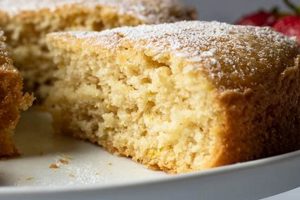
Converting a commercially prepared cake mix to a plant-based recipe involves substituting ingredients that typically contain animal products. This typically entails replacing eggs, milk, and sometimes butter with vegan alternatives. For instance, applesauce can replace eggs, while plant-based milk options can replace dairy milk. These simple adjustments allow individuals adhering to vegan diets to enjoy the convenience of boxed cake mixes.
Adapting conventional recipes offers several advantages, including increased accessibility for individuals with dietary restrictions and a reduction in animal product consumption. Historically, vegan baking relied on specialized ingredients and techniques. However, the increasing availability of vegan substitutes and the simplicity of adapting boxed cake mixes have made vegan baking more accessible to a wider audience. The shift also aligns with growing environmental consciousness by reducing the carbon footprint associated with animal agriculture.
The following sections will explore common non-vegan ingredients in boxed cake mixes, suitable vegan replacements, and step-by-step instructions for successful vegan cake preparation. Detailed consideration will be given to achieving optimal texture and flavor using these substitutions, ensuring a satisfactory baking outcome.
Tips for Veganizing Boxed Cake Mixes
Achieving optimal results when modifying commercially prepared cake mixes requires careful attention to ingredient substitutions and baking techniques. The following tips offer guidance for successful vegan cake preparation.
Tip 1: Substitute Egg with Applesauce. Use unsweetened applesauce as a direct replacement for eggs, typically a quarter cup per egg. Applesauce adds moisture and binds the ingredients, contributing to the cake’s structure.
Tip 2: Utilize Plant-Based Milk. Replace dairy milk with an equal amount of almond, soy, oat, or coconut milk. Ensure the plant-based milk is unsweetened and unflavored to avoid altering the cake’s intended flavor profile.
Tip 3: Incorporate Vegan Butter or Oil. Substitute melted vegan butter or vegetable oil for butter in the original recipe. Vegan butter provides a richer flavor, while oil results in a moister cake.
Tip 4: Add Extra Leavening. A half-teaspoon of baking powder can compensate for the lack of binding proteins from eggs. This ensures a light and fluffy texture.
Tip 5: Adjust Baking Time. Vegan cakes may require slightly longer baking times. Monitor the cake closely and test for doneness with a toothpick.
Tip 6: Consider Aquafaba. In certain cases, aquafaba (the liquid from canned chickpeas) can be whipped to create a meringue-like texture, providing additional lift and airiness.
These adjustments, when implemented thoughtfully, contribute to a successful conversion, delivering a palatable and satisfying vegan cake. Consistency and careful monitoring are crucial throughout the baking process.
The next section will address frequently asked questions regarding vegan baking, providing further clarification and addressing common challenges.
1. Ingredient substitution

Ingredient substitution forms the cornerstone of adapting a commercially prepared cake mix to align with vegan dietary requirements. The process demands a thorough understanding of each ingredient’s function and impact on the final product’s texture, flavor, and overall structure. Successful conversion hinges on selecting appropriate plant-based alternatives that replicate these attributes without compromising quality.
- Egg Replacements and Their Impact
Eggs contribute to binding, moisture, and leavening in traditional cake recipes. In vegan baking, replacements such as applesauce, mashed banana, flaxseed meal (mixed with water), or commercial egg replacers are commonly used. The choice of substitute influences the cake’s final texture and density. For example, applesauce adds moisture and a slightly dense texture, while flaxseed meal provides binding but can result in a chewier consistency.
- Dairy Milk Alternatives: Flavor and Texture Considerations
Dairy milk typically contributes moisture and richness to cake mixes. Plant-based milk options, including almond, soy, oat, and coconut milk, offer viable substitutes. Each milk alternative possesses a distinct flavor profile and fat content that can subtly alter the final taste and texture. Unsweetened varieties are preferred to avoid unwanted sweetness, and higher-fat options like coconut milk may provide a richer mouthfeel.
- Fat Replacements: Oil vs. Vegan Butter
Butter or oil are essential for moisture and tenderness. When veganizing, melted vegan butter or vegetable oil serves as direct replacements. Vegan butter can replicate the rich flavor associated with dairy butter, while oil generally results in a moister cake due to its liquid state at room temperature. The quantity used must be carefully calibrated to avoid excessive greasiness or dryness.
- Adjusting Leavening Agents
Eggs contribute to leavening. When eggs are removed, it’s often necessary to add additional baking powder to compensate. This ensures a light and airy texture, preventing the cake from becoming dense or heavy. A small increase in baking powder, typically a half teaspoon, can be sufficient to achieve the desired rise.
In summary, strategic ingredient substitution is fundamental to achieving a palatable and visually appealing vegan cake using a boxed mix. Careful selection and measured application of each alternative contribute significantly to the final result, allowing those adhering to vegan diets to enjoy the convenience and familiarity of commercially prepared cake mixes without compromising their dietary principles. The adjustments made to the mix are more than just swaps, they are well crafted additions to a traditionally baked item.
2. Moisture balance

In vegan baking, particularly when adapting boxed cake mixes, moisture balance is paramount. The removal of eggs and dairy, ingredients traditionally contributing to a cake’s moisture content, necessitates careful adjustment to prevent a dry, crumbly final product. Inadequate moisture compromises texture and palatability. This delicate balance dictates the overall success of veganizing conventional cake recipes.
The impact of altered moisture levels is significant. Substituting plant-based milk for dairy milk, while seemingly straightforward, introduces nuances. Different plant-based milks possess varying water and fat content, directly influencing the final product. For instance, almond milk, with its lower fat content compared to whole dairy milk, might require an increase in the quantity used or the addition of oil to compensate. Similarly, egg replacers like applesauce, while contributing moisture, may not provide the same level of binding as eggs, affecting the cake’s overall structure and, consequently, its ability to retain moisture during baking. A real-world example involves cakes made using a box mix with applesauce as a binder and almond milk instead of dairy, where the cakes turn out too dry and hard if the amount of almond milk isn’t adjusted.
Maintaining optimal moisture balance when preparing a vegan boxed cake requires meticulous attention. The strategic use of liquid ingredients, such as plant-based milk and oil, combined with moisture-rich substitutes like applesauce or mashed banana, is essential. Careful monitoring of baking time is also crucial, as overbaking can exacerbate moisture loss. Failure to manage these variables results in an unpalatable outcome. Proper control will result in the final product that is moist, palatable and desirable.
3. Binding agents

Binding agents are a critical component in vegan baking, particularly when adapting commercially prepared cake mixes. Their primary function is to replicate the structural role traditionally fulfilled by eggs, which provide cohesion and stability to the cake batter. When following how to make a box cake vegan, the absence of eggs necessitates the introduction of alternative binding agents to prevent the cake from crumbling or lacking the desired texture. Failure to incorporate effective binding agents can result in a final product that is structurally unsound and unappetizing. For example, a box cake mix veganized without a proper binder may spread excessively during baking, resulting in a flat and dense cake.
Common vegan binding agents include applesauce, mashed banana, flaxseed meal mixed with water (often referred to as a “flax egg”), and commercial egg replacers. Each possesses distinct properties that affect the cake’s final characteristics. Applesauce and mashed banana add moisture in addition to binding, potentially leading to a denser and moister cake. Flaxseed meal provides a slightly nutty flavor and a chewier texture. Commercial egg replacers are formulated to mimic the binding properties of eggs more closely and often provide a more neutral flavor profile. Understanding these nuances allows for informed decisions when selecting the most appropriate binding agent for a given box cake mix and desired outcome. For instance, a white cake mix might benefit from a flax egg to avoid discoloration, while a chocolate cake mix can easily accommodate the slightly darker hue imparted by applesauce.
In summary, the strategic use of binding agents is essential for successful veganization of boxed cake mixes. These agents compensate for the loss of eggs’ structural contribution, ensuring a cohesive and palatable final product. Choosing the appropriate binding agent requires careful consideration of its impact on flavor, texture, and moisture balance. When used effectively, these ingredients allow for the creation of delicious and structurally sound vegan cakes that retain the convenience of boxed mixes. The effective deployment of these agents results in baked goods comparable to the originals.
4. Leavening adjustment

Leavening adjustment is a crucial aspect of modifying a commercially prepared cake mix for vegan consumption. When following directions on how to make a box cake vegan, the absence of eggs, which contribute to leavening, often necessitates a compensatory increase in other leavening agents to achieve the desired rise and texture. This adjustment is integral to replicating the qualities of a non-vegan cake.
- The Role of Eggs in Leavening
Eggs contribute to leavening through the aeration of egg whites and the release of steam during baking. These processes create air pockets within the batter, resulting in a light and airy texture. When eggs are replaced with vegan alternatives, these leavening properties are lost, potentially leading to a denser and less voluminous cake. A vegan cake recipe relying solely on the original leavening agents in the mix may result in a flat, dense product.
- Baking Powder and Baking Soda as Compensatory Agents
Baking powder and baking soda are chemical leavening agents that release carbon dioxide gas when activated by heat or moisture. Increasing the amount of baking powder in a veganized cake mix can compensate for the loss of leavening from eggs, promoting a greater rise and a lighter texture. The precise amount of additional leavening depends on the specific cake mix and the vegan egg replacement used; however, a common starting point is an increase of 1/2 to 1 teaspoon of baking powder.
- Acidic Ingredients and Activation of Baking Soda
Baking soda requires an acidic ingredient to activate and release carbon dioxide. When veganizing a cake mix, it is essential to ensure an adequate acidic component. Ingredients such as lemon juice, vinegar, or applesauce can serve as acid sources, facilitating the activation of baking soda and contributing to leavening. Without sufficient acidity, baking soda will not react fully, resulting in a less effective rise and potentially an off-flavor.
- Over-Leavening and its Consequences
While increasing leavening is often necessary, it is crucial to avoid over-leavening, which can result in a cake that rises excessively and then collapses. Over-leavening can also lead to a coarse texture and an unpleasant taste. Careful measurement of leavening agents is essential to achieve the desired balance. A gradual increase in baking powder, combined with careful monitoring during baking, is recommended to avoid these negative consequences.
In conclusion, strategic leavening adjustment is a fundamental aspect of achieving a successful vegan boxed cake. By understanding the role of eggs in leavening and carefully compensating with baking powder, baking soda, and acidic ingredients, it is possible to create a vegan cake that is light, airy, and comparable in texture to its non-vegan counterpart. A well-executed leavening adjustment contributes significantly to the overall palatability and visual appeal of the final product. The adjustment made should balance replacing the properties of egg while not over baking the item.
5. Flavor enhancement

In the context of adapting a commercially prepared cake mix to meet vegan dietary standards, flavor enhancement assumes heightened importance. The elimination of dairy and eggs, ingredients that contribute richness and depth of flavor, necessitates a strategic approach to compensate for potential flavor deficits.
- The Impact of Dairy and Egg Removal on Flavor Profiles
Dairy products, such as butter and milk, contribute fat and complex flavors that significantly influence the overall taste and mouthfeel of a cake. Eggs contribute richness and a subtle eggy flavor. Removing these components without adequate substitution can result in a cake that lacks depth and complexity. For instance, a vanilla cake mix without dairy and eggs may taste bland and one-dimensional.
- Extracts and Essences: Augmenting Core Flavors
Extracts, such as vanilla, almond, and lemon, serve as concentrated flavor sources. Incorporating these extracts into a veganized cake mix enhances the existing flavor profile, compensating for the loss of dairy-derived nuances. Vanilla extract, for example, can add warmth and complexity to a vegan chocolate cake, mitigating any potential flatness in the chocolate flavor. Additionally, essences such as rose or orange can be used to impart unique and subtle flavors.
- Spices: Adding Depth and Warmth
Spices contribute warmth, complexity, and aromatic notes. Cinnamon, nutmeg, and cardamom can enhance a cake’s flavor profile. A small amount of cinnamon can elevate a vegan spice cake, providing a comforting and familiar flavor. The spices should be measured carefully, as excessive amounts overpower more subtle tastes.
- Citrus Zest: Brightening and Balancing Flavors
Citrus zest, such as lemon, orange, or lime zest, adds brightness and acidity, balancing sweetness and preventing a cake from tasting overly rich or cloying. The zest of a lemon can lift the flavor of a vegan lemon cake, providing a refreshing counterpoint to the cake’s sweetness. Care must be taken to avoid including the pith, as it imparts bitterness.
Strategic flavor enhancement is integral to achieving a palatable and enjoyable vegan cake from a boxed mix. By understanding the flavor contributions of dairy and eggs and compensating with extracts, spices, and citrus zest, a satisfying final product can be achieved. These adjustments contribute significantly to the overall enjoyment and address the flavor-related challenges posed by vegan ingredient substitutions. The right enhancements create a rich and flavorful dessert.
6. Baking Time
Baking time represents a critical, interconnected factor when adapting a commercially prepared cake mix to adhere to vegan dietary guidelines. Alterations in ingredient composition, inherent in veganizing a recipe, directly impact the rate and uniformity of heat distribution within the batter, thereby influencing the optimal baking duration. The substitution of dairy milk with plant-based alternatives, or the replacement of eggs with substances such as applesauce or flaxseed meal, changes the batter’s density and moisture content, necessitating careful monitoring of baking time to ensure proper doneness.
Underbaking results in a gummy texture, while overbaking leads to excessive dryness. In the context of vegan cakes, these effects can be amplified due to the altered structural properties of the batter. For instance, a cake made with applesauce as an egg replacement might appear visually done on the surface while remaining undercooked in the center, due to applesauce’s higher moisture retention. Conversely, a cake relying on flaxseed meal may dry out rapidly if overbaked, as flaxseed has a tendency to absorb moisture. Furthermore, vegan cakes often lack the browning effect associated with dairy-based products, making visual assessment of doneness more challenging. The standard toothpick test, employed to ascertain whether the center of the cake is fully baked, gains particular importance in these scenarios.
Therefore, meticulous control over baking time is paramount. It is advisable to begin by adhering to the baking time specified in the original box mix instructions, but to reduce the oven temperature by approximately 25 degrees Fahrenheit and to commence checking for doneness several minutes prior to the recommended time. Vigilant observation, coupled with the toothpick test, provides the most reliable means of achieving a properly baked vegan cake. An understanding of these principles increases the likelihood of a successful transformation and reduces the likelihood of failed attempts.
Frequently Asked Questions
The following section addresses common inquiries related to adapting boxed cake mixes for vegan diets, offering clarity on prevalent concerns and misconceptions.
Question 1: Can any boxed cake mix be veganized successfully?
While many boxed cake mixes can be adapted, success depends on the specific ingredients. Mixes heavily reliant on dairy or eggs for structure may present challenges. Examining the ingredient list is crucial to determine feasibility.
Question 2: What is the most effective egg replacement in a boxed cake mix?
Effective replacements include applesauce, mashed banana, and flaxseed meal mixed with water. The optimal choice depends on the desired texture and flavor profile. Applesauce adds moisture and slight density, while flaxseed meal provides binding.
Question 3: How does one prevent a vegan cake from being dry?
Maintaining moisture balance is vital. Increasing the amount of plant-based milk or adding a tablespoon of oil can compensate for the lack of fat from dairy and eggs. Careful monitoring of baking time prevents overbaking.
Question 4: Is additional leavening necessary when veganizing a boxed cake mix?
Often, yes. Eggs contribute to leavening, so adding approximately teaspoon of baking powder can compensate for their absence, promoting a lighter texture and adequate rise.
Question 5: Will the vegan cake taste noticeably different from a non-vegan version?
Minor differences in taste and texture may be discernible depending on the substitutions made. Flavor extracts and careful selection of plant-based milk options can minimize these differences.
Question 6: Does vegan baking require specialized equipment or techniques?
No specialized equipment is necessary. However, precise measurements and consistent techniques are important for achieving optimal results, as with any baking endeavor.
The key takeaways emphasize careful ingredient selection, moisture management, and attention to leavening. Adhering to these principles contributes to a satisfactory outcome when preparing a vegan boxed cake.
The concluding section will summarize the main points and provide final recommendations for those embarking on this endeavor.
Conclusion
The preceding exploration of “how to make a box cake vegan” has illuminated key adaptations necessary to convert commercially prepared cake mixes into plant-based desserts. Successful execution relies on strategic ingredient substitution, meticulous moisture management, the appropriate use of binding and leavening agents, flavor enhancement, and careful adjustment of baking time. Addressing these factors mitigates potential texture and flavor deficits associated with the elimination of dairy and eggs.
Adapting existing recipes offers an accessible entry point into vegan baking. By understanding the functional roles of traditional ingredients and thoughtfully employing plant-based alternatives, individuals can create palatable and visually appealing desserts aligned with their dietary preferences. Continued experimentation and refinement of techniques will further enhance the versatility and appeal of vegan baking.
![Easy Vegan Smash Cake Recipe: The Best [Keyword] | Discover Delicious Vegan Food, Beauty Swaps, and Zero-Waste Tips for a Greener Life](https://thisvegangirl.com/wp-content/uploads/2026/04/th-704-300x200.jpg "Easy Vegan Smash Cake Recipe: The Best [Keyword] Discover Delicious Vegan Food, Beauty Swaps, and Zero-Waste Tips for a Greener Life")