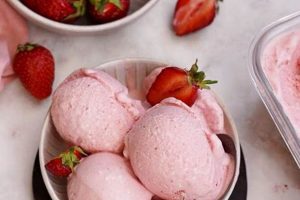
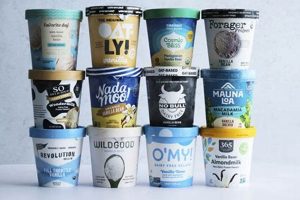
A frozen dessert alternative, produced using a specific kitchen appliance designed for creating personalized frozen treats, utilizes plant-based ingredients to cater to individuals adhering to vegan dietary principles. The resultant product offers a dairy-free and often lower-calorie option compared to traditional ice cream.
This approach allows for greater control over ingredients, enabling consumers to avoid artificial additives, refined sugars, and unwanted fats often found in commercially produced ice creams. The ability to tailor recipes to specific dietary needs or preferences, such as sugar-free or gluten-free variations, enhances its appeal. The method provides a convenient means of producing single-serving portions, minimizing waste and promoting portion control.
The ensuing sections will delve into the optimal ingredients for achieving desirable textures and flavors, explore innovative recipe ideas, and provide troubleshooting tips for overcoming common challenges encountered during the preparation process. This guide aims to empower individuals to confidently create delicious and satisfying frozen vegan desserts at home.
Tips for Optimal Vegan Frozen Dessert Creation
Achieving desirable texture and flavor profiles in vegan frozen desserts requires careful consideration of ingredient selection and processing techniques. The following tips offer guidance for producing high-quality, plant-based frozen treats using a compatible ice cream maker.
Tip 1: Base Formulation is Crucial. The foundation of any successful batch relies on a balanced ratio of plant-based milk (e.g., oat, cashew, coconut), sweetener (e.g., agave, maple syrup, erythritol), and fat (e.g., coconut cream, avocado). Experimentation is encouraged to determine optimal ratios based on individual taste preferences and desired consistency.
Tip 2: Pre-Freezing Technique Matters. A 24-hour pre-freeze of the prepared base is recommended to ensure thorough freezing and optimal crystal formation. This extended freezing period facilitates a smoother final texture.
Tip 3: Sweetener Adjustment May be Necessary. Vegan sweeteners can behave differently than traditional sugar in freezing applications. Adjustments to the sweetener quantity might be required to achieve the desired level of sweetness and to prevent an overly icy texture.
Tip 4: Consider Stabilizers. Guar gum or xanthan gum, used sparingly, can help improve texture and prevent ice crystal formation. These stabilizers contribute to a creamier, more stable final product.
Tip 5: Incorporate Flavor Concentrates. Natural extracts, such as vanilla, almond, or peppermint, provide concentrated flavor without adding excess liquid. Utilize these sparingly to enhance the overall taste profile.
Tip 6: Allow Softening Before Serving. After processing, the frozen dessert may require a brief period of softening at room temperature (approximately 5-10 minutes) to achieve a scoopable consistency. This softening period will vary depending on the specific recipe and freezer temperature.
Tip 7: Experiment with Add-Ins. Incorporate solid ingredients such as chopped nuts, chocolate chips, or fruit pieces after the initial processing cycle. This allows for even distribution and prevents these additions from becoming overly processed.
By adhering to these guidelines, individuals can significantly improve the quality and consistency of homemade frozen vegan desserts. Mastering these techniques enables the creation of personalized, plant-based frozen treats tailored to specific dietary needs and preferences.
The subsequent section will provide sample recipes illustrating the application of these tips and techniques, further empowering users to create delectable vegan frozen desserts.
1. Plant-Based Base

The selection of a plant-based base is paramount in the creation of frozen vegan desserts, directly influencing the final product’s texture, flavor, and overall suitability for those adhering to vegan dietary principles. The base serves as the primary liquid component, replacing dairy milk in traditional ice cream recipes.
- Milk Variety Impact
Different plant-based milks possess distinct characteristics that significantly affect the final product. Coconut milk, for example, contributes a creamy texture and a noticeable coconut flavor. Oat milk, conversely, offers a more neutral flavor profile and a smoother consistency. Cashew milk provides a rich and creamy texture, while almond milk tends to be thinner and requires additional stabilizers to achieve optimal results. Understanding these nuances is essential for selecting the appropriate milk to complement the desired flavor and texture of the frozen dessert.
- Fat Content Considerations
The fat content of the plant-based milk directly influences the creaminess and mouthfeel of the final product. Higher fat content, as found in full-fat coconut milk or cashew cream, generally results in a richer, smoother texture more closely resembling traditional ice cream. Lower-fat options may require the addition of supplemental fats, such as avocado or coconut oil, to compensate and prevent an icy or grainy texture.
- Sweetener Compatibility
The interaction between the plant-based milk and the chosen sweetener is crucial for achieving a balanced flavor profile. Certain sweeteners, such as agave or maple syrup, may complement specific plant-based milks better than others. For example, the caramel notes of maple syrup may pair well with the nutty flavor of cashew milk. Additionally, some sweeteners may alter the freezing point of the base, necessitating adjustments to the recipe to prevent excessive iciness.
- Protein Content Influence
While generally lower in protein compared to dairy milk, the protein content of the plant-based base can still affect the final product’s texture. Certain plant-based milks, such as soy milk, contain higher levels of protein, which can contribute to a slightly firmer texture. However, excessive protein can also lead to a gummy or chewy consistency. Careful selection of the base and potential addition of stabilizers can mitigate these effects.
The deliberate selection of a plant-based base, considering its unique characteristics and interactions with other ingredients, is a critical step in the creation of satisfactory vegan frozen desserts. The base directly influences the final products texture, flavor, and overall acceptance, ultimately determining whether the end result effectively emulates the desired qualities of traditional dairy-based ice cream while adhering to vegan dietary requirements.
2. Texture Modification

Texture modification constitutes a pivotal aspect in the production of plant-based frozen desserts. Replicating the creamy mouthfeel of traditional dairy ice cream necessitates careful manipulation of ingredients and processing techniques, given the inherent differences between plant-based and dairy-based components.
- Stabilizers and Their Function
Stabilizers, such as guar gum, xanthan gum, and tapioca starch, play a crucial role in preventing ice crystal formation and maintaining a smooth consistency. These hydrocolloids bind water, reducing its mobility and inhibiting the growth of ice crystals during the freezing process. Without stabilizers, the final product tends to be grainy and icy, lacking the desired creaminess associated with high-quality frozen desserts. For example, a recipe omitting guar gum may result in a noticeably coarser texture compared to one incorporating it.
- Fat Content Optimization
Fat contributes significantly to the richness and smoothness of ice cream. In plant-based formulations, the source and quantity of fat are critical. Ingredients such as coconut cream, avocado, or cashew butter provide fat, but their inherent flavor profiles must be carefully considered. Adjusting the fat content is crucial to achieving a balanced texture without overpowering the other flavors. Insufficient fat results in an icy product, while excessive fat can lead to a greasy or heavy mouthfeel.
- Sweetener Selection and Impact
The choice of sweetener not only affects the taste but also influences the texture. Certain sweeteners, like corn syrup, contain properties that inhibit ice crystal formation. However, many consumers prefer natural sweeteners such as agave or maple syrup. These alternatives may require adjustments to stabilizer levels to compensate for their different freezing point depression characteristics. Erythritol, a sugar alcohol, is often used in sugar-free recipes but can impart a cooling sensation and may require careful balancing with other ingredients.
- Processing Techniques and Their Effect
The freezing and churning process significantly impacts texture. The rapid freezing facilitated by specialized ice cream makers, like those within the “Ninja Creami” product line, minimizes ice crystal size. Moreover, the churning process incorporates air, which contributes to a lighter and creamier texture. Over-churning, however, can result in a dense and gummy texture. Careful monitoring and adherence to recommended processing times are essential for optimal results.
These elements of texture modification, carefully considered and implemented, are paramount for achieving a palatable and desirable outcome in “Ninja Creami” vegan ice cream production. Balancing stabilizers, fat content, sweetener selection, and processing techniques allows for the creation of plant-based frozen desserts that closely emulate the texture of traditional dairy-based ice cream, while catering to vegan dietary preferences and restrictions.
3. Sweetener Selection

Sweetener selection exerts a profound influence on the final characteristics of plant-based frozen desserts produced with specialized kitchen appliances. The type and quantity of sweetener not only determine the sweetness level, a primary sensory attribute, but also significantly impact the freezing point, texture, and overall stability of the final product. For instance, using excessive amounts of certain liquid sweeteners, such as agave or maple syrup, can lower the freezing point considerably, resulting in a softer, less stable product that melts more rapidly. Conversely, insufficient sweetener may lead to an icy texture due to the unrestricted formation of large ice crystals. The choice of sweetener also influences the flavor profile; coconut sugar offers a subtle caramel note, while erythritol provides a cooling sensation without added calories, requiring careful consideration of the desired taste outcome. The absence of refined sugars can also lead to a less creamy mouthfeel if not properly compensated for with stabilizers or higher fat content.
The application of non-nutritive sweeteners, such as stevia or monk fruit, presents unique challenges. These sweeteners, while contributing minimal calories, often lack the bulk and binding properties of traditional sugar. Consequently, recipes employing these alternatives may necessitate the inclusion of additional ingredients like gums or fibers to improve texture and prevent ice crystal formation. A practical example is the combination of erythritol with a small amount of guar gum to create a sugar-free vegan ice cream that retains a smooth, creamy consistency. Furthermore, the interaction between the sweetener and the specific plant-based milk used is critical. The enzymes present in some plant milks can react with certain sweeteners, potentially altering the flavor or texture over time. For example, combining brown rice syrup with oat milk may result in a more pronounced malty flavor compared to using it with almond milk.
In summary, informed sweetener selection is integral to successful vegan frozen dessert creation. Understanding the unique properties of each sweetener, its impact on freezing point and texture, and its interaction with other ingredients is essential for achieving a palatable and stable final product. Challenges associated with using alternative sweeteners can be addressed through careful recipe formulation and the strategic incorporation of stabilizers, resulting in frozen treats that meet both dietary requirements and desired sensory characteristics. The balance of sweetness and texture is key to delivering a product comparable to traditional dairy ice cream, adapted for a plant-based lifestyle.
4. Flavor Infusion

Flavor infusion represents a critical stage in the creation of palatable plant-based frozen desserts utilizing specialized appliances. The absence of dairy necessitates a greater reliance on concentrated flavor elements to compensate for the diminished richness and complexity characteristic of traditional ice cream. Successful flavor infusion ensures that the final product possesses a distinct and satisfying taste profile, mitigating the potential for blandness often associated with vegan alternatives. Consider, for instance, the incorporation of vanilla extract. A high-quality extract, used judiciously, can impart a warm, aromatic note that enhances the overall sensory experience. Conversely, a synthetic or low-quality extract may contribute an artificial or chemical taste, detracting from the final product. This exemplifies the cause-and-effect relationship between ingredient quality and final flavor outcome.
The timing of flavor infusion also significantly affects the final result. Flavor compounds added before the initial freezing process tend to meld more thoroughly, creating a cohesive and integrated taste experience. Conversely, the addition of delicate flavor elements, such as fresh herbs or citrus zest, after the initial churning may preserve their distinct character and aroma. A practical example involves adding chopped mint leaves after the initial processing to retain their fresh, vibrant flavor, preventing it from becoming muddled during the lengthy freezing process. The use of natural fruit purees provides another avenue for flavor infusion, simultaneously contributing sweetness, moisture, and vibrant color. However, it is crucial to adjust the overall liquid content of the recipe to compensate for the added moisture from the fruit puree, thereby preventing an overly icy texture. The potential for ingredient interactions must also be considered; for example, the acidity of certain fruit purees may destabilize certain plant-based milk bases, necessitating the inclusion of a buffering agent or stabilizer.
In summary, flavor infusion is a non-trivial aspect of creating successful plant-based frozen desserts. The quality of flavor ingredients, the timing of their addition, and potential interactions with other recipe components all contribute to the final sensory outcome. Challenges in this area can be mitigated through careful ingredient selection, precise measurement, and a thorough understanding of the flavor characteristics of individual ingredients. The successful implementation of flavor infusion techniques elevates the finished product, transforming a potentially bland vegan alternative into a satisfying and flavorful dessert option.
5. Freezing Process

The freezing process is a critical determinant of the final texture and palatability of vegan ice cream produced using specialized appliances. The speed and method by which the plant-based base is frozen directly influence ice crystal formation, a key factor differentiating creamy, smooth ice cream from a grainy, icy imitation. Faster freezing rates generally yield smaller ice crystals, resulting in a smoother mouthfeel. The specific appliance employs a unique “Creamify” technology that shaves and churns the frozen block, disrupting ice crystal structure and incorporating air. This process is essential for achieving a texture comparable to traditional dairy ice cream.
The initial pre-freezing stage is also of significant consequence. A well-frozen block, ideally frozen for at least 24 hours, provides the optimal starting point for the “Creamify” process. Inadequate pre-freezing results in a softer, less stable mixture that may not achieve the desired texture. Further manipulation via the “re-spin” function can refine the consistency. Understanding the cause-and-effect relationship between freezing parameters and final product texture is paramount. Adjustments to pre-freezing time, “Creamify” cycle duration, and “re-spin” repetitions allow for precise control over the final outcome. For instance, a recipe utilizing a higher water content plant-based milk may require a longer pre-freezing period to achieve optimal results. Similarly, the addition of alcohol, a common flavoring agent, necessitates an extended pre-freezing time due to its effect on freezing point depression.
In conclusion, the freezing process represents a non-negotiable element in the successful creation of vegan ice cream. The precise interaction between pre-freezing duration, appliance operation, and recipe composition directly determines the final texture and overall satisfaction. Challenges related to achieving the desired consistency can be effectively addressed by carefully manipulating freezing parameters and adjusting the recipe to compensate for the unique properties of plant-based ingredients. By mastering these techniques, individuals can reliably produce high-quality vegan ice cream that closely emulates the sensory experience of traditional dairy-based alternatives.
Frequently Asked Questions About Plant-Based Frozen Desserts Created with Specialized Appliances
This section addresses common inquiries regarding the production and characteristics of frozen vegan desserts created with appliances such as the Ninja Creami, providing clarity and dispelling potential misconceptions.
Question 1: What plant-based milks are most suitable for creating frozen vegan desserts?
Optimal results are generally achieved with plant-based milks possessing higher fat content, such as coconut milk or cashew milk. These contribute to a creamier texture, emulating the mouthfeel of traditional dairy-based ice cream. Lower-fat options, such as almond milk, often require the addition of supplementary fats or stabilizers.
Question 2: Are stabilizers always necessary in plant-based frozen dessert recipes?
While not strictly mandatory, stabilizers such as guar gum or xanthan gum significantly improve texture and prevent ice crystal formation, particularly in recipes utilizing lower-fat plant-based milks or higher water content ingredients. Their use is generally recommended for achieving a smoother, more desirable final product.
Question 3: How does the choice of sweetener impact the final texture of frozen vegan desserts?
The type and quantity of sweetener affect the freezing point of the mixture. Excessive amounts of liquid sweeteners, such as agave or maple syrup, can lower the freezing point, resulting in a softer, less stable product. Conversely, insufficient sweetener may lead to an icy texture. A balance is necessary to achieve both desired sweetness and optimal texture.
Question 4: Can frozen vegan desserts be successfully created without added sugars?
Yes, sugar-free options can be created utilizing non-nutritive sweeteners such as erythritol or stevia. However, these sweeteners lack the bulk and binding properties of sugar, often necessitating the addition of stabilizers or other texture-modifying agents to compensate.
Question 5: How long should the plant-based base be pre-frozen before processing in a specialized appliance?
A minimum pre-freezing period of 24 hours is generally recommended to ensure thorough freezing and optimal crystal formation. This extended freezing period facilitates a smoother final texture after processing.
Question 6: Is it necessary to “re-spin” the frozen dessert after the initial processing cycle?
The “re-spin” function can further refine the texture, particularly if the initial processing cycle yields a crumbly or uneven consistency. This function helps to break down any remaining ice crystals and incorporate air, resulting in a smoother, creamier final product.
In summary, achieving successful results in the creation of plant-based frozen desserts requires careful consideration of ingredient selection, processing techniques, and an understanding of how these factors interact to influence the final texture and palatability. These principles apply regardless of specific appliance used.
The following section will explore advanced techniques and troubleshooting tips for addressing more complex challenges encountered during the preparation of frozen vegan desserts.
Conclusion
The preceding analysis has illuminated the multifaceted nature of “ninja creami vegan ice cream” production. A comprehensive understanding of plant-based base selection, texture modification strategies, sweetener influence, flavor infusion techniques, and freezing process parameters is essential for achieving palatable results. The careful management of these variables enables the creation of frozen desserts that approximate the sensory experience of traditional dairy-based ice cream while adhering to vegan dietary principles.
The pursuit of optimal plant-based frozen dessert formulations remains an ongoing endeavor, requiring continued experimentation and refinement. The information provided serves as a foundation for individuals seeking to create high-quality, customized frozen treats. Continued adherence to these principles will yield further advancements in the field, enhancing the accessibility and enjoyment of vegan frozen desserts for all.

![Best Vegan Ice Cream in Portland, ME: [Your Brand] & More! | Discover Delicious Vegan Food, Beauty Swaps, and Zero-Waste Tips for a Greener Life](https://thisvegangirl.com/wp-content/uploads/2026/04/th-87-300x200.jpg "Best Vegan Ice Cream in Portland, ME: [Your Brand] & More! Discover Delicious Vegan Food, Beauty Swaps, and Zero-Waste Tips for a Greener Life")