![Easy Vegan Banana Ice Cream Recipe [Dairy-Free]](data:image/svg+xml;base64,PHN2ZyB4bWxucz0iaHR0cDovL3d3dy53My5vcmcvMjAwMC9zdmciIHdpZHRoPSI0NzQiIGhlaWdodD0iMTUwIiB2aWV3Qm94PSIwIDAgNDc0IDE1MCI+PHJlY3Qgd2lkdGg9IjEwMCUiIGhlaWdodD0iMTAwJSIgc3R5bGU9ImZpbGw6I2NmZDRkYjtmaWxsLW9wYWNpdHk6IDAuMTsiLz48L3N2Zz4= "Easy Vegan Banana Ice Cream Recipe [Dairy-Free] Discover Delicious Vegan Food, Beauty Swaps, and Zero-Waste Tips for a Greener Life")
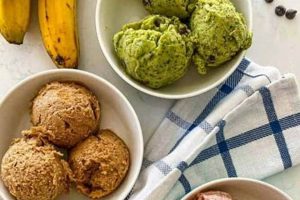
A frozen dessert crafted from blended bananas, often with additional ingredients to enhance flavor and texture, provides a dairy-free alternative to traditional ice cream. Preparation commonly involves freezing sliced bananas and then processing them in a food processor or blender until a smooth, creamy consistency is achieved. Common variations include adding flavorings like vanilla extract, cocoa powder, or nut butter.
This approach offers several advantages: it avoids dairy and other animal products, catering to individuals with dietary restrictions or ethical preferences. It also presents a naturally sweet and often lower-fat option compared to conventional ice cream. The simplicity of its preparation and the readily available nature of its primary ingredient contribute to its growing popularity. Historically, utilizing fruit as a base for frozen desserts has roots in resourcefulness and health-conscious eating habits.
Given its unique characteristics and benefits, an in-depth examination of recipes, nutritional aspects, and storage techniques is warranted. Further discussion will delve into the optimal banana ripeness for producing a desirable outcome, the potential for incorporating diverse flavor profiles, and methods for maintaining quality during freezing and thawing.
Enhancing the Qualities of the Frozen Banana Dessert
The following recommendations offer practical guidance to optimize the preparation and enjoyment of this particular frozen dessert.
Tip 1: Optimal Banana Ripeness. Achieve the most desirable sweetness and texture by utilizing bananas that are heavily speckled with brown spots. These exhibit a higher sugar content and yield a smoother consistency upon blending.
Tip 2: Pre-Freezing Preparation. Slice bananas into uniform pieces before freezing. This facilitates easier and more consistent blending, preventing uneven textures.
Tip 3: Freezer Organization. Freeze banana slices in a single layer on a parchment-lined tray prior to transferring them to a freezer-safe container. This prevents clumping and ensures individual pieces freeze evenly.
Tip 4: Controlled Blending. Blend the frozen banana slices in short bursts, scraping down the sides of the food processor or blender as needed. This prevents overheating of the appliance and promotes a uniform texture.
Tip 5: Flavor Enhancement. Incorporate small amounts of liquid, such as plant-based milk or lemon juice, to aid in the blending process and prevent a dry or crumbly texture. Use sparingly to avoid a watery consistency.
Tip 6: Texture Refinement. If the mixture becomes too soft during blending, return it to the freezer for a brief period to firm up before serving. This will enhance the structural integrity of the final product.
Tip 7: Storage Practices. Store any leftovers in an airtight container in the freezer. Allow the dessert to soften slightly at room temperature for a few minutes before serving to improve scoopability.
Adherence to these practices will contribute to a consistently superior outcome, ensuring a pleasing texture and enhanced flavor profile.
With these techniques established, the subsequent section will explore diverse flavor combinations and variations that can be adapted to suit individual preferences.
1. Ripeness

The degree of ripeness in bananas directly impacts the characteristics of the resultant frozen dessert. A more ripe banana exhibits a higher concentration of sugars due to the enzymatic breakdown of starches. This elevated sugar content translates to a sweeter final product, minimizing or eliminating the need for added sweeteners, which aligns with the desire for a naturally derived dessert. The texture is also influenced: ripe bananas soften considerably, lending a smoother, creamier consistency when blended in its frozen form. Conversely, underripe bananas lack the sweetness and yield a more starchy and less palatable result.
In practical applications, the visual cues of ripeness are paramount. Bananas with extensive brown spotting, but that are not bruised or overly soft to the touch, represent the ideal state. This level of ripeness ensures optimal sweetness without compromising structural integrity during the freezing and blending processes. An example illustrating this point is a side-by-side comparison: a dessert prepared with green-tinged bananas will demonstrably lack sweetness and possess a less desirable mouthfeel when compared to one made with appropriately ripened fruit. Experimentation has shown that adding brown sugar or maple syrup can only partially compensate for the lack of natural sweetness in underripe bananas.
Therefore, selecting bananas at the peak of ripeness is a crucial step in crafting a satisfying frozen dessert. This choice affects both the flavor and the texture of the final product. Though the selection process may appear simple, its impact is significant. Overripe fruit, while sweet, may introduce undesirable flavors or textures. Understanding the relationship between ripeness and the final characteristics is therefore essential to producing a consistently high-quality, naturally sweet and creamy frozen dessert.
2. Sweetness

Sweetness, a primary sensory attribute of foods, plays a critical role in the palatability and acceptance of a frozen banana-based dessert. It is intrinsically linked to the natural sugars present in the fruit and is further influenced by any added sweeteners or flavor enhancers.
- Natural Sugars from Bananas
The inherent sweetness derived from bananas constitutes the foundational element. As bananas ripen, starch is converted into glucose, fructose, and sucrose, resulting in a progressive increase in sweetness. The degree of ripeness directly correlates with the intensity of the sweet taste, necessitating careful selection to avoid under-sweetness or excessive saccharinity. For example, recipes often specify “overripe” bananas precisely because they offer a concentrated source of natural sugars, thereby reducing the need for supplemental sweeteners.
- Impact of Added Sweeteners
While bananas contribute significant sweetness, supplemental sweeteners are frequently incorporated to augment the flavor profile or compensate for variations in banana ripeness. Common additions include maple syrup, agave nectar, dates, or artificial sweeteners. Each imparts a unique flavor note and sweetness intensity. The choice of sweetener dictates the final product’s overall flavor profile and influences its suitability for individuals with specific dietary requirements. For example, maple syrup introduces a distinct caramel-like flavor that complements the banana, while dates provide a richer, more complex sweetness.
- Perception and Balance
Achieving the appropriate level of sweetness necessitates a balanced approach, considering the interplay between the natural sugars and any added components. Excessive sweetness can mask other subtle flavors, while insufficient sweetness renders the dessert unappealing. The addition of complementary flavors, such as vanilla extract, cinnamon, or citrus zest, can modulate the perception of sweetness and enhance the overall sensory experience. The integration of a small amount of lemon juice, for instance, can offset an overly saccharine flavor and provide a refreshing counterpoint.
- Dietary Considerations
The level of sweetness is an important consideration for individuals managing specific dietary restrictions, such as diabetes or weight management. The glycemic index and glycemic load of the chosen sweeteners must be taken into account to minimize blood sugar fluctuations. Selecting low-glycemic sweeteners or reducing the overall quantity of sweeteners allows for a healthier formulation that maintains the desired level of palatability without compromising dietary guidelines. Incorporating unsweetened cocoa powder or spices can also enhance the flavor perception without significantly impacting the sugar content.
In summary, the perception and management of sweetness in a frozen banana-based dessert is a multifaceted endeavor. It necessitates a nuanced understanding of the natural sweetness derived from bananas, the impact of supplemental sweeteners, the importance of flavor balance, and considerations for dietary needs. Successfully navigating these aspects is crucial to crafting a dessert that is both palatable and aligns with individual health preferences.
3. Texture

The textural qualities of a frozen banana-based dessert are paramount to its overall appeal. Achieving a smooth, creamy consistency, similar to traditional dairy-based ice cream, presents a significant challenge. Factors such as banana ripeness, blending techniques, and the addition of other ingredients all contribute to the final textural outcome.
- Ice Crystal Formation
Ice crystal size directly impacts the perceived smoothness. Large ice crystals result in a grainy texture, while smaller crystals contribute to a creamier mouthfeel. Rapid freezing minimizes ice crystal growth, thereby enhancing the dessert’s texture. Techniques like using a blast freezer or adding stabilizers, such as guar gum or tapioca starch, can further inhibit crystal formation. Ineffective freezing protocols typically produce a coarse, unappealing result.
- Banana Ripeness and Pectin
Ripe bananas contain higher levels of pectin, a naturally occurring polysaccharide. Pectin acts as a binding agent and contributes to the dessert’s structural integrity. Overripe bananas, while sweeter, may result in a slightly mushier texture due to pectin degradation. Selecting bananas at the peak of ripeness, characterized by numerous brown spots, optimizes both sweetness and textural qualities.
- Blending and Overmixing
Proper blending is essential for achieving a uniform consistency. Overmixing, however, can lead to a gummy or pasty texture due to the breakdown of cellular structures and the release of excessive starch. Pulsing the frozen banana pieces in a food processor or high-powered blender, followed by short bursts of blending, minimizes overmixing and promotes a smoother, more desirable texture.
- Addition of Fats and Liquids
Incorporating fats, such as coconut cream or nut butters, enhances creaminess and mouthfeel. Liquids, like plant-based milks or fruit juices, aid in the blending process and prevent the mixture from becoming too dry. The proportion of fats and liquids must be carefully controlled to avoid a greasy or watery texture. Experimentation with different ratios allows for customization of the dessert’s textural profile.
The textural characteristics of a frozen banana-based dessert are a multifaceted result of ingredients and preparation techniques. Controlling ice crystal formation, optimizing banana ripeness, employing precise blending methods, and strategically incorporating fats and liquids contribute to achieving a smooth, creamy, and appealing final product. Mastering these elements is crucial for replicating the desirable texture of traditional ice cream in a plant-based alternative.
4. Additives
Additives play a pivotal role in shaping the sensory experience of frozen banana-based desserts. The base ingredient, while providing a natural sweetness and creamy texture when processed, often requires supplemental enhancements to achieve a complex and satisfying flavor profile. These additions address specific shortcomings, such as a lack of richness, limited flavor depth, or undesirable textural nuances. Examples include vanilla extract to amplify the inherent sweetness, cocoa powder to introduce a chocolate flavor, and nut butter to enhance creaminess and add a nutty undertone. Without such additives, the resulting product often lacks the complexity and appeal of traditional ice cream.
The selection of additives dictates the final product’s nutritional composition and suitability for diverse dietary needs. For instance, using maple syrup or agave nectar as sweeteners introduces different glycemic profiles compared to refined sugars. The addition of plant-based proteins, such as pea protein or soy protein isolate, can augment the protein content of the dessert, appealing to health-conscious consumers. Moreover, the absence of dairy-based additives distinguishes this frozen dessert, making it accessible to individuals with lactose intolerance or those adhering to a plant-based diet. Careful consideration of additive sources and their respective impacts on the final product is therefore crucial for achieving a desired balance between flavor, texture, and nutritional value.
In conclusion, the strategic incorporation of additives is not merely a cosmetic step but an integral component in crafting a palatable and nutritionally relevant frozen banana-based dessert. Additives compensate for the limitations of the base ingredient, allowing for the creation of a wide range of flavor profiles and textural experiences. Understanding the cause-and-effect relationships between specific additives and the resulting dessert characteristics is essential for optimizing recipes and catering to individual dietary preferences and needs. The challenge lies in selecting additives that enhance the dessert without compromising its natural qualities or introducing undesirable ingredients.
5. Freezing

The freezing process is foundational to the production of a plant-based banana frozen dessert. Unlike traditional ice cream, which relies on dairy fats to create a smooth texture, this dessert utilizes frozen bananas as its primary structural component. Freezing the bananas before processing is not merely a chilling step; it fundamentally alters the cellular structure of the fruit, creating the potential for a creamy, ice cream-like consistency when blended. For instance, room-temperature bananas, when blended, will result in a liquid smoothie; the prior freezing stage is essential for the transformation into a frozen confection.
The rate and method of freezing significantly impact the final product’s quality. Slow freezing promotes the formation of larger ice crystals, resulting in a grainier texture. In contrast, rapid freezing inhibits crystal growth, contributing to a smoother mouthfeel. Placing sliced bananas in a single layer on a baking sheet before transferring them to the freezer facilitates faster and more even freezing. Practical applications of this knowledge include home cooks using their freezer’s “quick freeze” setting or commercial operations employing blast freezers to achieve superior texture. Failure to control the freezing rate often results in a dessert with an undesirable icy consistency, negating many of the intended benefits of a plant-based alternative.
In conclusion, freezing is not simply a preparatory step, but an integral transformation process. Understanding and controlling the freezing parameters is crucial for achieving the desired texture and overall quality. While ingredient selection and blending techniques are important, the effectiveness of these steps is contingent upon proper freezing. This knowledge directly translates to improved product quality and consumer satisfaction within both home-based and commercial settings, further emphasizing the practical significance of controlled freezing techniques in the creation of plant-based banana frozen desserts.
6. Storage

Proper storage directly influences the quality and longevity of the frozen banana dessert. Suboptimal storage conditions lead to undesirable textural changes, flavor degradation, and, ultimately, a reduction in palatability. The primary concern is freezer burn, a dehydration process that occurs when the surface of the dessert is exposed to cold, dry air within the freezer. This results in ice crystal formation on the surface, leading to a dry, crystallized, and often discolored product. For example, a container left partially open in a freezer for an extended period is highly susceptible to freezer burn, rendering the exposed portion unappetizing. Consequently, airtight containment is essential to mitigate moisture loss and preserve the dessert’s intended texture.
Furthermore, storage temperature fluctuations contribute to the deterioration of texture. Repeated thawing and refreezing cycles promote the growth of larger ice crystals, resulting in a grainy consistency. Maintaining a consistent freezer temperature, ideally below 0F (-18C), minimizes these fluctuations and preserves the smooth texture. Additionally, the proximity of the dessert to other strong-smelling foods can affect its flavor profile. Banana-based desserts are particularly susceptible to absorbing odors, thus warranting separate storage or robust packaging to prevent flavor contamination. For instance, storing the dessert near onions or garlic can impart undesirable flavors, negating the intended sweetness and fruitiness.
In summary, effective storage practices are critical for maintaining the quality of plant-based banana frozen desserts. Airtight containment, consistent freezer temperatures, and odor isolation are essential to prevent freezer burn, textural degradation, and flavor contamination. Adherence to these guidelines ensures that the dessert retains its intended sensory attributes, providing a palatable and enjoyable experience. Addressing these storage considerations is an integral part of the overall process, from preparation to consumption, ensuring that the effort invested in creating the dessert is not undermined by improper handling.
Frequently Asked Questions about Banana Ice Cream Vegan
The following addresses common inquiries regarding the preparation, properties, and potential issues associated with this specific type of plant-based frozen dessert.
Question 1: Is this dessert inherently healthy?
The nutritional profile depends heavily on ingredients beyond the banana. While bananas offer potassium and fiber, added sweeteners or fats significantly alter the overall healthfulness. A dessert consisting solely of bananas possesses a different nutritional value than one containing added sugars or coconut cream.
Question 2: Can alternative sweeteners be substituted?
Various sweeteners, such as maple syrup, agave nectar, or dates, may replace refined sugar. However, each impacts the final flavor and texture differently. The suitability of a specific substitute hinges on individual preferences and dietary requirements. Altering the sweetener may require adjustments to other ingredients to maintain the desired consistency.
Question 3: What causes a grainy texture?
Graininess typically results from large ice crystal formation. This can occur due to slow freezing, temperature fluctuations during storage, or inadequate blending. Employing rapid freezing techniques and ensuring airtight storage minimizes ice crystal growth. Correcting the blending process prevents excessive air incorporation, which contributes to ice crystal development.
Question 4: How long does it remain palatable in the freezer?
Properly stored, it generally maintains quality for approximately one to two months. Beyond this period, freezer burn and textural degradation may occur. Airtight packaging and consistent freezer temperatures are essential for extended storage. Inspect the dessert visually for ice crystals or discoloration before consumption.
Question 5: Can it be refrozen after thawing?
Refreezing is generally discouraged. Repeated freezing and thawing cycles lead to significant ice crystal growth, resulting in a noticeably inferior texture. Furthermore, refreezing may promote bacterial growth, potentially compromising food safety. Consuming only the desired portion and preventing unnecessary thawing minimizes waste and preserves quality.
Question 6: What are common variations?
Numerous variations exist, incorporating ingredients such as cocoa powder, nut butters, vanilla extract, spices, and fruit purees. These additions allow for a wide range of flavor profiles and cater to diverse preferences. Experimentation with different combinations facilitates the creation of unique and personalized frozen desserts.
In summary, meticulous attention to ingredient selection, preparation techniques, and storage conditions is crucial for maximizing the quality and enjoyment of this plant-based frozen dessert. Informed practices mitigate potential issues and ensure a consistently satisfying outcome.
The subsequent section will delve into the economic considerations associated with this dessert, examining cost-effectiveness and accessibility.
Conclusion
This exploration has detailed the multifaceted nature of the banana ice cream vegan dessert. Key considerations encompass banana ripeness, sweetness modulation, textural control, additive selection, the freezing process, and appropriate storage. Mastery of these elements is crucial for achieving a palatable and high-quality final product.
The information presented equips both home cooks and commercial producers with the knowledge necessary to optimize their methods. Continued experimentation and refinement will likely lead to further innovations and enhanced accessibility of this plant-based dessert, solidifying its position as a viable alternative to traditional dairy-based frozen treats. Further research on the optimal use of stabilizers and alternative freezing methods is warranted to enhance quality and reduce costs.