The combination of plant-based ingredients with the deeply nutty and caramelized flavor typically associated with browned dairy butter results in a unique baked confection. These treats offer a way to enjoy a familiar dessert with a complex flavor profile, all while adhering to a vegan lifestyle. The process involves carefully heating a vegan butter alternative until it reaches a browned and fragrant state, then incorporating it into a traditional cookie recipe.
This approach caters to individuals seeking both ethical and flavorful food options. The browning process elevates the taste beyond a standard vegan cookie, adding richness and depth often lacking in such recipes. Historically, creating vegan baked goods that replicate the texture and taste of their non-vegan counterparts has been a challenge. This specific variation represents a significant step towards bridging that gap, providing a satisfying and inclusive dessert option.
The subsequent sections will delve into the specifics of achieving the desired brown butter flavor using vegan alternatives, outline the key components of a successful recipe, and address potential challenges in the baking process. The impact of different vegan butter types on the final product will also be explored.
Baking Insights
Achieving optimal results requires careful attention to detail. The following insights address crucial aspects of the baking process.
Tip 1: Vegan Butter Selection: The choice of vegan butter significantly influences the outcome. Options with higher fat content tend to brown more effectively and contribute to a richer, chewier texture. Experimentation with different brands is recommended to find a preference.
Tip 2: Browning Process Vigilance: The browning of the vegan butter alternative demands constant monitoring. Overheating can result in burning and a bitter taste, while insufficient heating will fail to unlock the desired nutty flavor. A light golden-brown hue and a noticeable aroma are indicators of readiness.
Tip 3: Cooling the Browned Vegan Butter: Allowing the browned vegan butter to cool slightly before incorporating it into the dough is essential. This prevents the melting of chocolate chips and ensures a more cohesive dough consistency.
Tip 4: Flour Measurement Precision: Precise flour measurement is crucial for achieving the correct texture. Using a kitchen scale is advisable over volume-based measurements to ensure accuracy and avoid overly dry or dense cookies.
Tip 5: Chilling the Dough: Chilling the dough for at least 30 minutes prior to baking helps to prevent excessive spreading and promotes a chewier texture. Longer chilling times, up to 24 hours, can further enhance the flavor development.
Tip 6: Chocolate Chip Quality: Selecting high-quality chocolate chips with a high cocoa content will elevate the overall flavor profile. Consider using chopped chocolate for a more intense chocolate experience.
Tip 7: Baking Time and Temperature Accuracy: Oven calibration is recommended to ensure accurate baking temperatures. Overbaking can result in dry, crumbly cookies, while underbaking can lead to a doughy center. Visual cues, such as golden-brown edges, are useful indicators of doneness.
These insights aim to improve the success rate and overall quality of baked goods. Consistent application of these principles will yield more consistent and satisfying results.
The following section will address common troubleshooting scenarios encountered during the baking process and offer solutions for achieving the desired outcome.
1. Vegan butter browning

The process of browning vegan butter is pivotal in the creation of a flavorful confection. It transcends mere substitution of dairy-based butter, instead imparting distinct characteristics that define the final product. The Maillard reaction, responsible for the browning, generates a complex array of flavor compounds that enhance the overall sensory experience.
- Flavor Development via Maillard Reaction
The Maillard reaction, occurring between reducing sugars and amino acids in the vegan butter, is intensified during the heating process. This chemical reaction creates hundreds of flavor compounds, lending a nutty, caramel-like taste not present in un-browned vegan butter. Without this, the cookie lacks depth and complexity.
- Impact on Cookie Texture
The browning process alters the fat structure in the vegan butter, leading to a change in the final cookie texture. The browned butter creates a more tender crumb and a chewier edge due to the altered fat molecules interacting differently with gluten development. This differs from cookies using melted but not browned vegan butter, which may be flatter and crisper.
- Influence on Cookie Color
The caramelized sugars from browning contribute to a richer, more appealing color in the finished cookie. The visual appeal is heightened by the transformation of the initially pale butter to a deeper golden-brown, impacting consumer perception and indicating a richer, more flavorful product.
- Vegan Butter Composition Considerations
Different vegan butter brands exhibit varying fat and moisture content. High-fat varieties tend to brown more effectively, replicating the qualities of dairy butter more closely. The water content of the vegan butter affects the duration of browning and the resulting intensity of the flavor. Awareness of these compositional differences is crucial for consistent results.
In essence, the browning of vegan butter is not merely a procedural step; it is a transformative element that dictates the flavor profile, texture, and visual appeal. The subtle nuances introduced during this process collectively define the success and uniqueness of a “vegan brown butter chocolate chip cookie.”
2. Chocolate type selection

The selection of chocolate type significantly influences the overall sensory experience. The diverse range of chocolate varieties available each contributes unique flavor profiles and textural elements that interact with the established characteristics of a vegan brown butter base.
- Cocoa Percentage and Bitterness
Higher cocoa percentages in chocolate contribute to increased bitterness and a more intense chocolate flavor. In the context of this treat, a darker chocolate can counterbalance the sweetness of the cookie dough and the nutty notes from the browned butter, creating a balanced flavor profile. Alternatively, a milk or semi-sweet vegan chocolate offers a sweeter, milder counterpoint, suitable for palates preferring less intensity.
- Vegan Chocolate Composition
Vegan chocolate formulations vary significantly. Some utilize alternative milks derived from rice, oats, or nuts. The type of milk alternative used impacts the chocolate’s creaminess, melting properties, and overall flavor. Varieties employing cashew milk may provide a richer mouthfeel compared to those based on rice milk, and that difference is apparent in the finished cookie.
- Form and Texture
Chocolate is available in various forms, including chips, chunks, and bars intended for chopping. The form influences the distribution of chocolate within the cookie and the texture it provides. Chocolate chunks, for instance, yield larger pools of molten chocolate and a softer bite compared to smaller chocolate chips that tend to maintain their shape and offer a slightly firmer texture. Pre-chopped vegan chocolate is also readily available.
- Flavor Additives and Enhancements
Many chocolate types incorporate additional flavors and ingredients, such as sea salt, espresso powder, or spices. The inclusion of these elements can complement or contrast with the flavors inherent in the browned vegan butter and cookie dough. Sea salt, for example, enhances the sweetness and depth of the chocolate, creating a more nuanced and compelling flavor combination. A dash of espresso powder may also enhance the chocolate flavor.
Ultimately, the ideal chocolate type is contingent on individual preferences and the desired flavor profile. Experimentation with different cocoa percentages, vegan chocolate compositions, and forms allows for the creation of countless variations, each showcasing a unique interpretation. This selection is critical for the overall success of any vegan brown butter chocolate chip cookie recipe.
3. Flour to fat ratio

The proportion of flour to fat is a critical determinant of texture and structure within these cookies. Deviations from established ratios influence spread, chewiness, and overall structural integrity. Precise control over this ratio is essential to achieve predictable and desirable results in the final product.
- Impact on Cookie Spread
The quantity of fat relative to flour dictates the degree to which the cookie spreads during baking. A higher fat content promotes greater spread, resulting in thinner, crisper cookies. Conversely, a lower fat content limits spread, yielding thicker, chewier cookies. The type of fat employedin this case, browned vegan butterfurther influences spread due to its altered composition compared to un-browned fat.
- Influence on Gluten Development
Flour contains gluten-forming proteins that provide structure to baked goods. Fat inhibits gluten development by coating flour particles, preventing them from fully hydrating and forming a strong gluten network. A higher fat content results in a more tender cookie with less gluten development, while a lower fat content allows for greater gluten formation, leading to a chewier, potentially tougher texture. The browning of vegan butter does change the gluten development process.
- Effect on Moisture Content
Fat contributes to the perceived moistness of a cookie. A higher fat content traps moisture within the baked structure, resulting in a more tender and moist product. A lower fat content may lead to a drier cookie, particularly if overbaked. Browned vegan butter, containing less water content than the initial vegan butter, leads to slight variation moisture.
- Balance with Other Ingredients
The ideal flour-to-fat ratio must be considered in conjunction with other ingredients, such as sugar and liquid. Sugar also influences spread and moisture, while liquid affects gluten development. A balanced recipe accounts for the interactions between all ingredients to achieve the desired texture and flavor profile.
By understanding and carefully controlling the flour-to-fat ratio, bakers can manipulate the texture and structure. This control, coupled with precise execution of the browning process, contributes to consistent and desirable result.
4. Dough chilling time

The duration for which cookie dough is chilled prior to baking exerts a substantial influence on the final characteristics of vegan brown butter chocolate chip cookies. This seemingly simple step initiates a cascade of physical and chemical changes that impact flavor development, texture, and overall aesthetic presentation.
- Fat Solidification and Reduced Spread
Chilling the dough solidifies the fats present, including the browned vegan butter. Solidified fats melt more slowly during baking, reducing the cookie’s tendency to spread excessively. This results in thicker, chewier cookies with a more controlled shape, preventing the thin, flat outcome often associated with vegan baking.
- Gluten Relaxation and Enhanced Tenderness
Gluten, the protein network responsible for elasticity and chewiness, can develop excessively during dough preparation. Chilling allows the gluten strands to relax, leading to a more tender crumb and a less tough final product. This is particularly important in vegan recipes where gluten development can be more pronounced due to ingredient substitutions.
- Flavor Maturation and Depth
Prolonged chilling periods allow flavors to meld and intensify. The vegan butters browned notes, the sweetness of the sugar, and the bitterness of the chocolate intermingle and equilibrate over time. This results in a more complex and harmonious flavor profile compared to cookies baked immediately after mixing, where the individual components remain more distinct.
- Moisture Content Equilibration and Texture Stability
Chilling allows the moisture within the dough to distribute evenly, preventing pockets of dryness or excessive wetness. This equilibration contributes to a more uniform texture and extends the cookie’s shelf life by reducing the likelihood of staling or becoming soggy. The result is better control during the baking process.
These facets collectively highlight the importance of chilling. Implementing an appropriate chilling strategy, tailored to the specific recipe and desired characteristics, is paramount for achieving superior results in vegan brown butter chocolate chip cookies. Varying the chilling time allows fine-tuning the final product, creating cookies tailored to individual preferences and textural goals.
5. Baking temperature control
Accurate baking temperature control is paramount to achieving desirable characteristics. The chemical reactions responsible for texture, flavor, and structural integrity are highly temperature-dependent. Inadequately controlled temperatures can lead to undesirable outcomes, such as excessive spreading, uneven baking, or burnt edges. These deviations directly affect the final quality of this particular cookie. For example, an oven thermometer reveals a 25F discrepancy from the set temperature. Without this verification, the batch could over-spread because of oven is not hot enought to bake the dough properly.
In practice, consistent baking temperatures facilitate predictable results. An oven calibrated to 350F, verified by an independent thermometer, allows for the precise caramelization of sugars, proper activation of leavening agents, and the controlled melting of vegan butter and chocolate. Furthermore, proper oven temperature control is essential for the vegan nature of cookie because sometimes, it cannot be replicated with non-vegan cookies. Because ingredients are different, the oven temperature needs to be calibrated. Without proper control on temperature, it can be too soft or too hard, because it lacks of gluten that is present in the non-vegan cookies.
In summary, baking temperature is a critical variable. Over or under-baking will directly influence texture, flavor, and color. Understanding how specific temperatures affect ingredient interactions provides a foundation for consistently producing high-quality cookies, mitigating common challenges. As previously discussed, the correct ingredients cannot be fully used to baking a cookie if temperature has not been calibrated.
6. Texture and mouthfeel
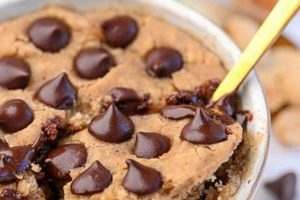
Texture and mouthfeel are critical determinants of the overall sensory experience. The integration of these elements in this type of cookie represents a departure from conventional vegan baked goods, often criticized for textural shortcomings. The interplay between a crisp exterior, a chewy interior, and the molten pockets of chocolate contributes significantly to consumer satisfaction. This cookie aims to replicates the characteristics of conventional, non-vegan options. The absence of traditional binding agents, such as eggs, necessitates careful manipulation of other ingredients to achieve the desired outcome.
The browning of the vegan butter alternative is a key factor in shaping the texture and mouthfeel. The Maillard reaction, occurring during the browning process, generates compounds that enhance the chewiness and tenderness of the cookie. Inadequate browning results in a flatter, less flavorful product, while excessive browning can lead to a bitter taste. Other ingredient ratios further impact. The precise balance of flour, sugar, and fat, influence spread, density, and overall mouthfeel. A higher fat ratio, for example, promotes a softer, more melt-in-the-mouth texture. The inclusion of ingredients such as cornstarch or tapioca flour can also enhance chewiness and provide a smoother texture.
Ultimately, the textural profile and mouthfeel defines the success. The interplay of crispness, chewiness, tenderness, and chocolate intensity must be carefully balanced to create a satisfying and memorable eating experience. Continuous refinement of recipes and techniques contributes to the development of this cookie and provides a compelling alternative to traditional dairy-based options.
Frequently Asked Questions
This section addresses common queries regarding “vegan brown butter chocolate chip cookies,” providing clarity and guidance for successful preparation and understanding.
Question 1: What are the primary differences between a standard chocolate chip cookie and its vegan brown butter counterpart?
The vegan version utilizes plant-based butter alternatives and omits eggs or dairy-based chocolate. The browning of the vegan butter aims to replicate the flavor complexity of dairy butter, enhancing taste and creating a richer profile.
Question 2: Why is browning the vegan butter essential, and what are the potential pitfalls?
Browning generates complex flavor compounds through the Maillard reaction, contributing depth and richness. Overheating can result in a burnt flavor, while insufficient browning may yield a bland result.
Question 3: How does the absence of eggs impact the texture, and what techniques compensate for this?
Eggs contribute binding and moisture. Vegan recipes often rely on flax eggs, applesauce, or other binders, combined with careful flour and fat ratios to achieve a desirable texture.
Question 4: What are some recommended vegan chocolate options suitable for baking?
Several brands offer dedicated vegan chocolate chips and bars with varying cocoa percentages and sweetness levels. Reading labels is crucial to confirm the absence of dairy-derived ingredients.
Question 5: How does chilling the dough affect the final outcome, and what is the optimal chilling time?
Chilling solidifies fats, reduces spread, and allows flavors to meld. A minimum of 30 minutes is recommended, with longer chilling times (up to 24 hours) potentially enhancing flavor and texture further.
Question 6: What constitutes an indicator of doneness during baking, and how can overbaking be avoided?
Golden-brown edges and a slightly soft center are indicative of doneness. Overbaking results in dry, crumbly cookies. Regular oven calibration and careful monitoring of baking time are essential.
By addressing these frequently asked questions, a clearer understanding of the nuances involved in vegan baking is established, fostering confidence in executing recipes successfully.
The subsequent section delves into potential variations and customizations to explore alternative flavors and textures.
Conclusion
This exploration has sought to elucidate the critical elements inherent in achieving successful “vegan brown butter chocolate chip cookies.” These recipes hinge upon meticulous attention to detail. The Maillard reaction during vegan butter browning, precise flour-to-fat ratios, the impact of varied chocolate selections, strategic dough chilling, and scrupulous temperature management. Each facet contributes distinct characteristics to the finished product.
The commitment to vegan baking without sacrificing the textural and flavorful qualities is a worthy pursuit. Continued refinement of techniques and exploration of plant-based ingredients will undoubtedly lead to greater innovation and satisfaction for both bakers and consumers. The creation of this particular item represents a commitment to ethical and gastronomic excellence.