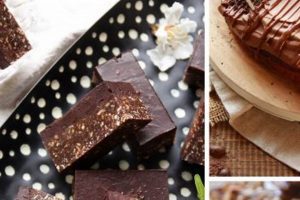
A dessert option that aligns with both raw food and vegan dietary principles is characterized by its unprocessed, plant-based ingredients. The preparation avoids heating ingredients above a specific temperature threshold, typically around 118F (48C), to preserve enzymes and nutrients. Example ingredients include nuts, seeds, dates, cacao powder, and natural sweeteners. These components are blended or processed to achieve a texture resembling traditional baked goods.
This approach to dessert creation offers potential advantages. It allows individuals adhering to raw and vegan lifestyles to enjoy familiar flavors and textures without compromising their dietary restrictions. Furthermore, the reliance on whole, unprocessed foods contributes to a nutrient-dense treat compared to conventional alternatives often laden with refined sugars and processed fats. The method’s origins are intertwined with the rise of the raw food movement, emphasizing the consumption of foods in their natural state.
Understanding the specific elements comprising these treats, such as base ingredients and binding agents, alongside common preparation techniques and available variations, offers a comprehensive perspective on this specialized dessert form. Subsequent sections will delve into these aspects, providing a detailed exploration of the process and its components.
Preparation Tips
Achieving optimal results in crafting desserts necessitates careful attention to ingredient selection and preparation techniques.
Tip 1: Ingredient Quality: Source high-quality, organic raw cacao powder for a richer flavor and enhanced nutritional profile. Impurities or processing methods can significantly impact the final taste.
Tip 2: Nut and Seed Activation: Soaking nuts and seeds prior to use increases their bioavailability and improves digestibility. Ensure proper rinsing and drying after soaking to prevent spoilage.
Tip 3: Date Consistency: Medjool dates, due to their soft texture and natural sweetness, are often utilized. Ensure dates are pitted and thoroughly blended to create a smooth and uniform binder.
Tip 4: Blending Precision: Utilize a high-speed blender or food processor to achieve a consistent texture. Under-blending results in a grainy product, while over-blending can create an undesirable paste.
Tip 5: Temperature Control: Monitor ingredient temperatures to ensure they remain within the raw food threshold (typically below 118F or 48C). Prolonged blending can generate heat, requiring periodic pauses.
Tip 6: Setting Time:Allow sufficient time for the mixture to set, typically in the refrigerator or freezer. The precise duration depends on the specific recipe and desired consistency.
Tip 7: Storage Considerations: Store in an airtight container in the refrigerator for optimal freshness. This prevents oxidation and preserves the texture and flavor.
Adhering to these guidelines can significantly improve the texture, flavor, and nutritional value of the final product, ensuring a successful outcome.
The following sections will explore variations and creative applications of this dessert concept.
1. Unprocessed Ingredients

The term “unprocessed ingredients” forms the bedrock upon which the dessert described is constructed. Without a commitment to minimally altered food components, it ceases to align with the core tenets of both raw and vegan diets. The effect is a transformative one; the absence of refined sugars, flours, and processed fats necessitates the utilization of alternatives like dates for sweetness and nuts as binding agents. The importance of this element lies in the retention of inherent nutritional value, as enzymes and vitamins remain largely intact due to the avoidance of high-heat treatments. A direct consequence of employing ingredients in their natural state is a potentially higher concentration of fiber and micronutrients per serving compared to conventional baked goods.
For example, raw cacao powder, replacing processed cocoa, provides antioxidants and minerals without the added sugars and additives often found in its commercially processed counterpart. Similarly, the use of soaked and sprouted nuts not only improves digestibility but also unlocks nutrients that are otherwise less accessible. This approach demands a heightened awareness of sourcing and handling ingredients. The practical significance is a final product that can be consumed with a greater sense of nutritional benefit, provided sourcing standards are upheld.
In summary, the reliance on minimally processed components defines the characteristics of this dessert. This ingredient selection is not merely a preference but a fundamental aspect shaping its nutritional profile and alignment with specific dietary philosophies. Challenges exist in ensuring ingredient purity and managing texture without conventional methods. However, the understanding that unprocessed ingredients are integral to this recipes intended benefits is paramount.
2. Nutrient Preservation

The pursuit of nutrient preservation stands as a central motivation behind the creation and consumption of desserts adhering to raw vegan principles. The methodology directly impacts the bioavailability and overall nutritional density of the final product.
- Enzyme Retention
Raw food diets emphasize the preservation of enzymes naturally present in foods. Enzymes facilitate digestion and nutrient absorption. By avoiding high-heat processes, these enzymes remain active, potentially aiding in the breakdown of the dessert’s components. The consequence is a potentially easier digestive experience and improved nutrient uptake.
- Vitamin Integrity
Many vitamins are heat-sensitive and degrade during conventional baking. The raw approach minimizes this degradation, preserving higher concentrations of vitamins like Vitamin C and B vitamins found in ingredients like cacao and nuts. The effect is an increased contribution to the daily recommended intake of these essential nutrients.
- Mineral Bioavailability
Soaking and sprouting nuts and seeds, common practices in raw food preparation, enhance mineral bioavailability. This process reduces phytic acid, a compound that binds to minerals and inhibits their absorption. Increased bioavailability translates to improved mineral absorption by the body.
- Antioxidant Protection
Raw cacao, a core ingredient, is rich in antioxidants. High heat can diminish antioxidant activity. The raw preparation method protects these compounds, allowing them to exert their beneficial effects in combating oxidative stress. The result is a dessert with a higher antioxidant profile compared to its baked counterparts.
The facets detailed above underscore the importance of preparation techniques. The choice of avoiding high temperatures and incorporating activation processes, such as soaking and sprouting, has a tangible impact on the nutritional quality. While the extent of nutrient preservation depends on ingredient handling and storage, the underlying principle remains consistent: the raw vegan approach prioritizes maintaining the inherent nutritional value of the ingredients.
3. Vegan compliance

Vegan compliance dictates the exclusion of all animal-derived ingredients. This constraint necessitates careful ingredient selection. In the context of desserts, traditional components like dairy milk, butter, eggs, and gelatin are categorically prohibited. The impact is a complete reformulation of recipes. The need for plant-based substitutes becomes paramount. For example, almond milk replaces dairy milk, coconut oil or cacao butter takes the place of butter, and flax seeds or chia seeds serve as egg replacements for binding purposes. The essence lies in the ethical considerations underpinning veganism; the avoidance of animal exploitation and cruelty in all its forms. Consequently, vegan compliance isn’t merely a recipe adjustment; it is a fundamental ethical stance manifested in culinary choices.
Considering specific ingredients, raw cacao powder is inherently vegan, sourced from cacao beans. However, sweeteners may present a challenge. Honey, a common sweetener, is excluded. Alternatives include maple syrup, dates, or agave nectar. Dates, in particular, offer a dual benefit. They provide sweetness and contribute to the brownie’s structure, acting as a binding agent. This reliance on plant-based materials requires a thorough understanding of ingredient origins. Supply chain transparency is essential to verify vegan status and ensure ethical sourcing practices are upheld. Thus, vegan compliance extends beyond ingredient lists to encompass the entire production process.
The adherence to vegan principles within recipes is not only critical for those practicing veganism for ethical or health reasons but also for ensuring the inclusivity of the recipes. This increases its accessibility to a wider audience. The integration of vegan substitutes requires careful consideration to maintain desired taste and texture. The understanding of vegan compliance in the creation of products like this ensures alignment with core values and the provision of a product that respects ethical considerations.
4. Texture imitation

The concept of texture imitation is central to the appeal and success of recipes. The objective is to replicate the familiar mouthfeel of conventionally baked goods using raw, vegan ingredients. This process presents considerable challenges, given the absence of gluten, eggs, and high-heat baking, all critical components in traditional brownie construction. The importance of achieving a desirable texture stems from its direct influence on consumer acceptance. A dessert that deviates significantly from the expected brownie texture may be perceived as unappetizing, regardless of its nutritional benefits.
Methods employed to achieve texture imitation include the strategic use of nuts, seeds, and binding agents. For instance, blending soaked nuts and dates creates a sticky base. This process mimics the moisture and binding properties of eggs and flour. The choice of nut variety influences the final outcome. Cashews contribute to a creamy consistency, while walnuts provide a more crumbly texture. The fineness of the blend is also crucial. Over-processing can lead to an oily texture, while under-processing results in a grainy one. Cacao powder, aside from its flavor contribution, also affects texture. Its dryness can counterbalance the moisture from dates, preventing the dessert from becoming overly sticky. Successful texture imitation enhances the sensory experience. This makes the raw vegan alternative more appealing to individuals accustomed to traditional treats.
Ultimately, the pursuit of texture imitation is not merely about mimicking a familiar sensation. It is about bridging the gap between dietary restrictions and culinary enjoyment. While replicating the precise texture of a baked brownie may be unattainable, the skillful manipulation of raw ingredients allows for the creation of a satisfying dessert. This meets the textural expectations of the consumer. The ongoing refinement of recipes reflects the commitment to improving the sensory qualities of raw vegan desserts, contributing to their increased popularity and acceptance.
5. Dietary Restriction
Dietary restrictions, whether imposed by medical conditions, ethical beliefs, or personal preferences, significantly influence food choices. Raw vegan desserts, specifically, offer a viable option for individuals navigating specific dietary limitations. These restrictions often exclude common ingredients found in conventional desserts, necessitating alternative approaches to satisfy culinary desires.
- Allergies and Intolerances
Common allergens, such as gluten, dairy, and eggs, are absent. This absence broadens accessibility to individuals with celiac disease, lactose intolerance, or egg allergies. Substituting conventional ingredients with plant-based alternatives mitigates the risk of allergic reactions or digestive discomfort. The use of nut flours may pose a challenge for those with nut allergies, highlighting the need for careful ingredient scrutiny.
- Veganism and Ethical Considerations
Veganism, driven by ethical concerns regarding animal exploitation, necessitates the exclusion of all animal products. Raw vegan recipes adhere to this principle, utilizing plant-based sweeteners, fats, and binding agents. This compliance provides a dessert option aligned with the ethical framework of veganism. It allows individuals to indulge without compromising their values.
- Raw Food Diet Principles
The raw food diet, which emphasizes the consumption of unprocessed foods that have not been heated above a certain temperature, seeks to preserve enzymes and nutrients. Recipes avoid baking and high-heat processing. Ingredients are consumed in their natural state to maximize nutritional value. This aligns with the dietary restriction. It avoids the potential nutrient degradation associated with cooking.
- Sugar Consumption Management
Refined sugars are often restricted or avoided in certain dietary approaches. Raw vegan recipes typically rely on natural sweeteners, such as dates or maple syrup. Although these alternatives still contain sugar, they are often perceived as having a lower glycemic impact. They contain additional nutrients compared to refined counterparts, addressing concerns related to sugar intake.
The facets outlined demonstrate the applicability for individuals with specific dietary restrictions. By excluding common allergens, adhering to vegan principles, complying with raw food guidelines, and offering alternatives to refined sugars, this approach offers a dessert option to those navigating various dietary limitations. Careful attention to ingredient selection and preparation is crucial to ensure alignment with the specific dietary needs of the consumer.
6. Flavor profile

The flavor profile of this product is defined by a complex interplay of raw cacao’s inherent bitterness, the concentrated sweetness of dates, and the nutty undertones derived from various nuts and seeds. The absence of refined sugars and processed fats necessitates a careful balancing act to achieve a palatable and appealing final product. The specific combination of ingredients aims to replicate the rich, decadent experience of traditional brownies, albeit within the constraints of raw and vegan dietary principles. The success of any particular recipe is directly correlated to its ability to deliver a satisfying and recognizable flavor experience to the consumer.
The selection of ingredients profoundly impacts the flavor outcome. For example, the choice between raw cacao nibs and processed cocoa powder significantly alters the intensity and complexity of the chocolate notes. Raw cacao retains more of its natural bitterness and fruity undertones, while processed cocoa tends to be milder and more uniform in flavor. Similarly, the type of nut employedwalnuts, pecans, or almondsintroduces distinct nuances, contributing to a unique overall taste. The use of natural flavor extracts, such as vanilla or almond, can further enhance the flavor profile, providing added depth and aroma. The fermentation process can also alter or enhance flavors based on the ingredients.
Understanding the interplay between these elements is crucial for achieving a successful product. Challenges arise from the inherent limitations of raw ingredients. The bitterness of cacao, if not properly balanced with sweetness, can be overwhelming. The texture, too, plays a role in flavor perception. A grainy or overly dense texture can detract from the overall eating experience, regardless of the flavor complexity. In conclusion, the construction of a favorable experience necessitates a deep understanding of ingredient properties, careful balancing, and the ability to overcome textural limitations.
7. Energy source
The provision of energy is an inherent function of any food product. In the context of this product, energy stems from its raw and vegan ingredients. This energy manifests in various forms, influencing both the immediate and sustained effects on the consumer. The nature and delivery of this energy are critical considerations.
- Complex Carbohydrates from Dates
Dates, a primary ingredient, contribute complex carbohydrates. These carbohydrates provide a sustained release of energy. Unlike simple sugars, complex carbohydrates are digested more slowly, preventing rapid spikes and subsequent crashes in blood sugar levels. This steady energy release is beneficial for maintaining focus and preventing feelings of fatigue. The glycemic index of dates remains a factor to consider, particularly for individuals managing blood sugar levels.
- Healthy Fats from Nuts and Seeds
Nuts and seeds contribute a significant portion of the total caloric content in the form of healthy fats. These fats are essential for hormone production, cell function, and the absorption of fat-soluble vitamins. Furthermore, fats provide a slower, more sustained energy source compared to carbohydrates. The type of fat also matters. Unsaturated fats, prevalent in many nuts and seeds, are considered more beneficial for cardiovascular health than saturated fats often found in processed foods.
- Fiber Content and Energy Regulation
The presence of fiber, derived from nuts, seeds, and dates, plays a crucial role in regulating energy absorption. Fiber slows down the digestive process, preventing rapid glucose absorption and promoting a feeling of fullness. This can contribute to appetite control and weight management. Additionally, fiber supports healthy gut bacteria, further influencing energy metabolism and overall well-being. Insufficient fiber can lead to digestive issues and fluctuations in energy levels.
- Micronutrients and Energy Metabolism
Beyond macronutrients, micronutrients like vitamins and minerals are vital for energy metabolism. Raw cacao, for instance, contains iron and magnesium, both essential for energy production. B vitamins, often present in nuts and seeds, play a critical role in converting food into usable energy. Deficiencies in these micronutrients can impair energy metabolism and contribute to fatigue. The preservation of these micronutrients, facilitated by the raw preparation method, enhances the product’s potential to support optimal energy levels.
The energy derived from this product is complex and multifaceted, extending beyond simple caloric provision. The interplay between complex carbohydrates, healthy fats, fiber, and micronutrients contributes to a sustained and balanced energy release. This aligns with the dietary goals of individuals seeking nutritious and energy-sustaining food options.
Frequently Asked Questions
The following questions address common inquiries and misconceptions regarding recipes, providing clarity on their unique characteristics and nutritional aspects.
Question 1: What distinguishes this dessert from conventional brownies?
Raw vegan recipes are defined by their adherence to two primary principles: the exclusion of all animal-derived ingredients and the avoidance of cooking or heating ingredients above a specific temperature, typically around 118F (48C). This contrasts sharply with conventional brownies, which contain eggs, butter, and are baked at high temperatures.
Question 2: Are recipes truly “raw” if ingredients are processed in a blender?
The term “raw” in this context refers to the avoidance of heat processing, not the complete absence of physical manipulation. Blending and food processing are acceptable methods as long as the ingredients are not heated during the process. The intent is to preserve enzymes and nutrients that may be denatured by heat.
Question 3: What are the primary ingredients used in place of flour and eggs?
Common substitutes include nuts (almonds, walnuts, cashews), seeds (sunflower, pumpkin), and dates. Nuts and seeds provide structure and fats, while dates contribute sweetness and binding properties. Other binding agents may include chia seeds or flaxseeds soaked in water.
Question 4: Is this dessert nutritionally superior to traditional brownies?
The nutritional profile of this dessert is generally more favorable due to the reliance on whole, unprocessed ingredients. The recipe tends to be higher in fiber, healthy fats, and micronutrients compared to conventional brownies, which are often laden with refined sugars and saturated fats. However, caloric content can still be significant, requiring mindful consumption.
Question 5: How does one achieve a fudgy texture without baking?
A fudgy texture is typically achieved by using ingredients rich in fats and moisture, such as soaked nuts, avocados, and dates. The precise ratio of these ingredients is crucial. Refrigeration or freezing further enhances the texture by solidifying the fats and binding the ingredients together.
Question 6: What is the shelf life of the recipe?
Due to the absence of preservatives and the high moisture content of raw ingredients, this recipe generally has a shorter shelf life compared to baked goods. It is recommended to store this item in an airtight container in the refrigerator for up to 5 days or in the freezer for longer storage.
In summary, these recipes present a distinct alternative to conventional brownies, emphasizing minimally processed, plant-based ingredients. While offering potential nutritional benefits, the caloric density warrants careful consideration.
The following sections explore the versatility and potential adaptations of this dessert concept.
Conclusion
The preceding exploration has detailed various facets of the dessert option, from ingredient selection and preparation techniques to nutritional considerations and flavor profiles. A core characteristic lies in adherence to both raw and vegan dietary principles, shaping ingredient choices and processing methods. The information presented clarifies the potential benefits and limitations associated with the consumption of this specific dessert form.
Moving forward, further investigation into the long-term health effects and sustainable sourcing of ingredients is warranted. The continued innovation in recipe development will likely refine texture and flavor, potentially increasing mainstream acceptance. The understanding and application of the concepts will contribute to informed dietary choices and culinary experimentation.




![Best Vegan Chocolate Rabbit for Easter [Plant-Based] | Discover Delicious Vegan Food, Beauty Swaps, and Zero-Waste Tips for a Greener Life](https://thisvegangirl.com/wp-content/uploads/2026/04/th-301-300x200.jpg "Best Vegan Chocolate Rabbit for Easter [Plant-Based] Discover Delicious Vegan Food, Beauty Swaps, and Zero-Waste Tips for a Greener Life")