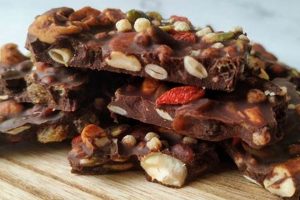
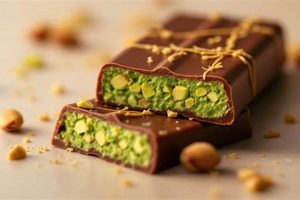
The question of whether a specific brand’s dark chocolate aligns with vegan dietary restrictions hinges on its ingredients. Many dark chocolate products contain dairy derivatives, such as milk fat or milk solids, which are non-vegan. A thorough examination of the ingredient list is therefore crucial for determining suitability for individuals following a vegan lifestyle. For example, a product containing whey or casein would automatically be considered unsuitable.
The relevance of this inquiry stems from the increasing adoption of veganism, driven by ethical, environmental, and health considerations. The demand for clear labeling and transparent ingredient sourcing has risen correspondingly. Historically, chocolate production frequently included animal products, but evolving consumer preferences have led to the development and availability of vegan-friendly alternatives. The ability to identify compliant options allows individuals to adhere to their dietary choices without sacrificing indulgence.
The following sections will delve into the specifics of Lindt’s dark chocolate offerings, carefully analyzing their compositions to ascertain which, if any, varieties meet vegan standards. This analysis will consider common non-vegan ingredients and provide guidance on interpreting product labels to make informed purchasing decisions.
Guidance on Lindt Dark Chocolate and Veganism
The selection of appropriate dark chocolate within a vegan dietary framework requires careful consideration. The following points offer guidance in evaluating Lindt dark chocolate offerings.
Tip 1: Scrutinize the Ingredient List. A meticulous review of the product’s ingredient list is paramount. Key non-vegan ingredients to avoid include milk solids, milk fat, butter oil, whey, casein, and lactose. Even trace amounts of these substances render the product unsuitable.
Tip 2: Examine Allergen Statements. The allergen statement often indicates the presence of milk, even if not explicitly listed as an ingredient. A statement indicating “May contain milk” suggests potential cross-contamination during production, which some vegans may prefer to avoid.
Tip 3: Consult Lindt’s Official Website. The manufacturer’s website serves as a definitive source of information. Product specifications, including ingredient lists and allergen information, are typically updated on the official site. Search for the specific product name and review the details.
Tip 4: Contact Lindt Customer Service. Direct communication with Lindt customer service offers the opportunity to clarify ambiguous ingredient information. Inquire about the presence of hidden dairy derivatives or potential cross-contamination issues within their production processes.
Tip 5: Be Aware of “Dark Chocolate” Misconceptions. The term “dark chocolate” does not inherently guarantee vegan suitability. Dairy ingredients are frequently incorporated to influence texture and flavor profiles. Rely solely on the ingredient list, not the product name.
Tip 6: Research Third-Party Vegan Certifications. Look for recognized vegan certifications on the packaging. Logos from organizations like Vegan Action or The Vegan Society provide an independent verification of vegan compliance.
Tip 7: Compare Multiple Lindt Dark Chocolate Varieties. Different Lindt dark chocolate bars possess varying formulations. Some may be vegan-friendly, while others are not. Compare ingredient lists across different products to identify suitable options.
Adherence to these guidelines enables individuals to make informed decisions when purchasing Lindt dark chocolate, ensuring alignment with vegan principles. Diligence in ingredient verification is crucial for avoiding unintended consumption of animal products.
The subsequent sections will address common questions and concerns surrounding the compatibility of Lindt dark chocolate with a vegan diet.
1. Ingredient List Scrutiny
The determination of whether Lindt dark chocolate is suitable for a vegan diet necessitates rigorous ingredient list scrutiny. This process serves as the primary means of verifying the absence of animal-derived products and, consequently, confirming its alignment with vegan dietary principles.
- Identification of Milk Derivatives
The primary objective is to identify any and all milk-derived ingredients. These commonly appear as milk solids, milk fat, butter oil, lactose, whey, or casein. Their presence, regardless of quantity, classifies the chocolate as non-vegan. A careful reading of the entire ingredient list is crucial, as these derivatives may be listed under less obvious designations. The absence of these items is a preliminary indication of suitability.
- Assessment of Potential Cross-Contamination
Beyond the explicitly listed ingredients, potential cross-contamination must be considered. Allergen statements often provide clues, with warnings such as “may contain milk” indicating potential contact with dairy during manufacturing. While some vegans may accept products with such warnings, others may opt for guaranteed dairy-free options to avoid even trace amounts.
- Evaluation of Additives and Emulsifiers
Certain additives and emulsifiers, while not always animal-derived, warrant further investigation. For example, lecithin can be sourced from soy or eggs. In the context of Lindt dark chocolate, confirming the source of such ingredients is necessary to establish vegan compliance. Manufacturers may provide this information on their website or through direct inquiry.
- Verification of Sugar Processing
While less common in dark chocolate, the processing method of sugar can be a concern. Some sugar refining processes utilize bone char, an animal-derived product. Although the sugar itself does not contain bone char, the process renders it non-vegan for some individuals. Confirming that the sugar used is not processed with bone char, typically through manufacturer inquiry, addresses this specific concern.
The cumulative effect of these scrutiny processes directly impacts the conclusion regarding the vegan status of Lindt dark chocolate. A comprehensive evaluation, considering all potential sources of animal-derived products and cross-contamination risks, is essential for making an informed dietary choice. The absence of milk derivatives and the confirmation of vegan-friendly additives and sugar processing methods are vital for ensuring suitability.
2. Milk Derivatives Absence

The absence of milk derivatives is a critical determinant in assessing whether Lindt dark chocolate aligns with vegan dietary standards. This absence directly dictates its suitability for individuals avoiding all animal-derived products.
- Defining Milk Derivatives
Milk derivatives encompass a range of substances originating from milk, including but not limited to milk solids, milk fat, butter oil, whey, casein, and lactose. These components, even in trace amounts, disqualify a product from being considered vegan. The precise identification of these derivatives within the ingredient list is therefore paramount.
- Impact on Vegan Compatibility
The inclusion of any milk derivative, regardless of its concentration, renders the Lindt dark chocolate product unsuitable for vegans. This incompatibility stems from the fundamental principle of veganism, which seeks to exclude all forms of animal exploitation and cruelty. The presence of milk derivatives directly contradicts this principle.
- Labeling Transparency
Accurate and transparent labeling practices are essential for consumers seeking vegan options. Lindt, like other manufacturers, is obligated to provide a comprehensive ingredient list. However, consumers must remain vigilant, as milk derivatives may be listed under various names or present as cross-contamination risks indicated in allergen statements.
- Distinguishing Between Dark Chocolate Varieties
Not all Lindt dark chocolate varieties are formulated identically. Some may contain milk derivatives, while others may be formulated without. Therefore, consumers must not assume that all products within the Lindt dark chocolate range are vegan-friendly. Individual product labels must be consulted to confirm the absence of milk derivatives.
In conclusion, the meticulous evaluation for milk derivatives is indispensable when determining the vegan status of Lindt dark chocolate. This assessment requires careful reading of ingredient lists, attention to allergen statements, and an understanding of the various forms in which milk derivatives may be present. The absence of these substances is a non-negotiable requirement for vegan compatibility.
3. Allergen Statement Review
The allergen statement on Lindt dark chocolate packaging holds significant importance in determining its suitability for individuals adhering to vegan dietary restrictions. It serves as an immediate indicator of potential cross-contamination with milk products, irrespective of their presence within the explicit ingredient list.
- “May Contain Milk” Declaration
The phrase “may contain milk” suggests that while milk is not intentionally added, the product may have come into contact with milk during manufacturing, processing, or packaging. This declaration arises from shared equipment or facilities handling both dairy and non-dairy items. For strict vegans, this statement typically disqualifies the product, as it signifies a risk of consuming trace amounts of animal-derived substances. The absence of this statement enhances the likelihood of the dark chocolate conforming to vegan standards.
- Implications of Shared Equipment
Shared equipment within a production facility introduces the possibility of unintentional transfer of allergens, including milk proteins, to products not explicitly containing those allergens. Cleaning protocols, while in place, may not entirely eliminate the risk of cross-contamination. Lindt, like other manufacturers, is legally obligated to declare potential allergen exposure based on its manufacturing processes. This information is crucial for consumers with sensitivities or dietary restrictions to make informed purchasing decisions.
- Distinction from “Free From” Claims
The “may contain milk” declaration contrasts sharply with “free from” claims. A “dairy-free” or “vegan” certification indicates a higher level of assurance, suggesting measures have been taken to minimize or eliminate the risk of cross-contamination. However, the absence of a “may contain” statement does not automatically equate to a “dairy-free” claim. Consumers should still carefully examine the full ingredient list and consider contacting the manufacturer for clarification if needed.
- Legal and Ethical Considerations
Allergen labeling is governed by legal regulations designed to protect consumers with allergies and dietary restrictions. Manufacturers are held accountable for accurate and transparent declaration of potential allergen exposure. Beyond legal obligations, ethical considerations also play a role. Clear and honest labeling practices demonstrate a commitment to consumer safety and informed decision-making. The allergen statement is therefore a critical piece of information for vegan consumers evaluating Lindt dark chocolate.
The allergen statement, in conjunction with the complete ingredient list, provides a comprehensive overview of the potential for milk exposure in Lindt dark chocolate. Careful review of this information is paramount for individuals strictly adhering to vegan principles, ensuring the avoidance of even trace amounts of animal-derived products.
4. Cross-Contamination Risk

Cross-contamination risk represents a significant consideration when evaluating the suitability of Lindt dark chocolate for vegan consumption. The presence of shared manufacturing equipment or facilities can introduce unintended animal-derived ingredients, thereby negating the product’s vegan status, despite the absence of such ingredients in the intended recipe.
- Shared Equipment Usage
Many chocolate manufacturers, including Lindt, may process milk chocolate and dark chocolate on the same production lines. This shared usage elevates the potential for trace amounts of milk solids to transfer to dark chocolate products, even if the dark chocolate recipe itself does not include milk. Thorough cleaning protocols aim to mitigate this risk; however, absolute elimination is not always guaranteed. This presents a challenge for strict vegans seeking assurances of complete dairy avoidance.
- Ingredient Sourcing and Handling
The risk of cross-contamination extends beyond the manufacturing process to the sourcing and handling of raw ingredients. If ingredients like cocoa beans are processed or stored in facilities that also handle dairy products, the potential for unintended contact exists. Transparent sourcing practices and rigorous quality control measures are necessary to minimize this risk, but complete elimination cannot always be verified by the consumer.
- “May Contain” Labeling Implications
The presence of a “may contain milk” statement on Lindt dark chocolate packaging is a direct indicator of cross-contamination concerns. This labeling signifies that the manufacturer acknowledges the potential for milk exposure during production, even if milk is not an intentional ingredient. While the decision to consume products with this labeling remains a personal one, it highlights the inherent limitations in achieving complete separation of dairy and non-dairy production processes.
- Third-Party Certifications and Audits
Vegan certifications from reputable third-party organizations offer a degree of assurance regarding cross-contamination control. These certifications often involve audits of manufacturing facilities to assess hygiene practices and segregation measures. While these certifications do not entirely eliminate the risk, they provide consumers with evidence of a manufacturer’s commitment to minimizing potential contact with animal-derived substances. Absence of such certification increases the onus on the consumer to evaluate the risk independently.
The assessment of cross-contamination risk, therefore, forms an integral component in determining whether Lindt dark chocolate aligns with vegan dietary requirements. Vigilant examination of allergen statements, consideration of manufacturing processes, and awareness of certification practices are necessary for informed decision-making. The inherent challenges in completely eliminating cross-contamination require a nuanced understanding of production environments and a careful evaluation of the available information.
5. Vegan Certification Status
The vegan certification status of a Lindt dark chocolate product serves as a critical indicator of its compliance with vegan dietary standards. The presence of a recognized vegan certification mark signifies that an independent organization has assessed the product and its manufacturing processes, verifying the absence of animal-derived ingredients and the implementation of measures to minimize cross-contamination. This certification offers consumers a level of assurance beyond the manufacturer’s self-declaration, serving as a valuable tool in determining whether a specific Lindt dark chocolate offering is indeed vegan. For instance, products carrying the Vegan Action or Vegan Society logos have undergone scrutiny of their ingredient sourcing and production practices, confirming their adherence to stringent vegan criteria. This process directly addresses the core concern of “is lindt dark chocolate vegan?”
The absence of a vegan certification does not automatically disqualify a Lindt dark chocolate product from being vegan-friendly. However, it necessitates a more thorough evaluation of the ingredient list and allergen statements by the consumer. Products lacking certification require consumers to independently assess the potential for hidden animal-derived ingredients or cross-contamination. This involves contacting Lindt directly for clarification regarding specific ingredients or manufacturing processes. Practical application of this understanding requires consumers to develop a strong understanding of common non-vegan ingredients and the implications of various allergen declarations. For example, a product without certification might still be vegan if the ingredient list is free of animal products and the allergen statement does not indicate potential milk contamination; however, the consumer bears the responsibility for confirming this independently.
In summary, the vegan certification status provides a valuable, but not definitive, data point in determining whether a Lindt dark chocolate product conforms to vegan dietary requirements. Products bearing recognized vegan certifications offer a higher degree of assurance due to independent verification processes. However, the absence of certification necessitates a more in-depth analysis of ingredients and manufacturing information by the consumer. The challenges lie in accurately interpreting ingredient lists and obtaining reliable information regarding cross-contamination risks, underscoring the importance of both certification and informed consumer scrutiny in navigating the complexities of vegan chocolate consumption.
Frequently Asked Questions
This section addresses common inquiries regarding the suitability of Lindt dark chocolate for individuals adhering to vegan dietary principles. The answers provided are based on current ingredient information and accepted interpretations of vegan standards. Verification of information is recommended, as formulations may change.
Question 1: Is all Lindt dark chocolate vegan?
No, not all Lindt dark chocolate is vegan. The presence of milk derivatives varies across different product formulations. A careful examination of the ingredient list is essential to determine suitability. Do not assume that all products labeled as “dark chocolate” are inherently vegan.
Question 2: How can one identify vegan-friendly Lindt dark chocolate?
The primary method involves scrutinizing the ingredient list for milk-derived ingredients, such as milk solids, milk fat, butter oil, whey, casein, or lactose. The absence of these ingredients suggests vegan compatibility. Additionally, allergen statements should be reviewed for indications of potential milk cross-contamination.
Question 3: What does a “may contain milk” allergen statement signify?
A “may contain milk” statement indicates that the product was manufactured in a facility that also processes milk products. While the product may not intentionally contain milk, the possibility of trace amounts due to shared equipment exists. Strict vegans may choose to avoid products with this statement.
Question 4: Are there any Lindt dark chocolate products that are certified vegan?
Currently, it is not widely known that Lindt dark chocolate bars are certified vegan by a third-party organization such as Vegan Action or The Vegan Society. Consumers should seek official confirmation from Lindt or check for updated information from vegan certification bodies.
Question 5: Can Lindt confirm the vegan status of its dark chocolate products?
Direct communication with Lindt customer service offers a means to verify the vegan status of specific products. Inquiries regarding ingredient sourcing, manufacturing processes, and potential cross-contamination risks can be addressed through this channel.
Question 6: Are sugar alternatives in Lindt dark chocolate vegan?
The type of sugar used, and the refining process it undergoes, may influence its vegan status. Verify with Lindt if bone char is utilized in the refining process of the sugar used in their dark chocolate, as some vegans avoid sugar refined through this process.
In summary, determining the vegan suitability of Lindt dark chocolate requires careful attention to ingredient lists, allergen statements, and potential cross-contamination risks. Direct verification with Lindt and reliance on third-party certifications, where available, provide additional assurance.
The next section will explore specific Lindt dark chocolate products and analyze their potential suitability for vegan consumption based on available ingredient information.
Conclusion
The determination of whether a given Lindt dark chocolate product is congruent with vegan principles necessitates careful examination. Factors such as ingredient lists, allergen statements, and the potential for cross-contamination each contribute to the ultimate assessment. While some varieties may lack animal-derived ingredients, the risk of exposure during manufacturing processes cannot be dismissed. The presence or absence of recognized vegan certification provides an additional layer of information, although its absence does not automatically preclude vegan status.
The onus remains on the consumer to meticulously evaluate product information and, when necessary, seek clarification from the manufacturer regarding specific ingredients and production practices. Ongoing vigilance is advised, as product formulations are subject to change. Informed decisions, based on rigorous assessment, are paramount for ensuring adherence to vegan dietary commitments.