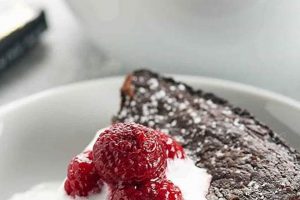
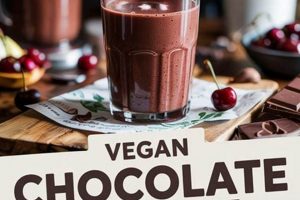
A rich, layered confection that excludes all animal products constitutes a plant-based dessert option. This indulgence typically features a dense, moist cake base often made with ingredients such as plant-based milk, oil, and cocoa powder. It is frequently enhanced with a dark chocolate ganache or similar plant-derived frosting, offering a decadent experience free from dairy and eggs. An example would be a dark chocolate cake layered with a cashew-based chocolate cream and topped with fresh berries.
The increasing popularity of plant-based diets contributes to the significance of such desserts. Individuals adhering to vegan lifestyles can enjoy a satisfying treat without compromising their dietary principles. Historically, recreating classic desserts without animal products presented challenges, but advancements in plant-based ingredients and techniques have facilitated the production of exceptional alternatives. This availability broadens the options for those seeking ethical and potentially healthier sweet alternatives.
This exploration delves into the specific ingredients, preparation techniques, and variations of plant-based decadent treats, as well as offering insights into their nutritional profiles and considerations for successful baking. It will also address potential substitutions for common ingredients and provide a guide to creating a truly exceptional plant-based dessert.
Tips for Superior Plant-Based Chocolate Torte Creation
Achieving optimal results when crafting a plant-based decadent dessert requires careful consideration of ingredients and techniques. The following tips address crucial aspects of the baking process to ensure a satisfying outcome.
Tip 1: Select High-Quality Cocoa Powder: The depth of chocolate flavor is significantly influenced by the cocoa powder utilized. Opt for Dutch-processed cocoa powder, known for its less acidic nature and richer, smoother taste profile.
Tip 2: Employ a Robust Plant-Based Milk: The moisture content and structural integrity of the torte benefit from a creamy, full-bodied plant-based milk. Coconut milk (from the carton, not canned), oat milk, or soy milk are recommended over thinner varieties like rice milk.
Tip 3: Incorporate a Binding Agent: The absence of eggs necessitates a binding agent to provide structure. Flaxseed meal mixed with water (“flax egg”) or applesauce contributes moisture and cohesion to the batter. A typical ratio is 1 tablespoon of flaxseed meal mixed with 3 tablespoons of water per egg replaced.
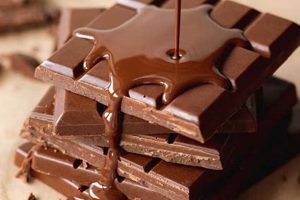
Tip 4: Temper the Chocolate Carefully: When creating a plant-based ganache or glaze, proper tempering is crucial for a glossy, stable finish. This involves melting the chocolate slowly and carefully monitoring the temperature to ensure proper crystal formation.
Tip 5: Avoid Overbaking: Plant-based cakes tend to dry out more readily than those containing eggs. Monitor the baking process closely, and use a toothpick to check for doneness. A few moist crumbs clinging to the toothpick indicate that the cake is ready.
Tip 6: Allow for Complete Cooling: Allowing the dessert to cool completely before frosting or slicing is essential. This prevents the torte from crumbling and ensures that the frosting adheres properly.
Tip 7: Enhance with Complementary Flavors: The flavor profile can be elevated by incorporating complementary ingredients such as espresso powder, vanilla extract, or a pinch of sea salt. These additions enhance the inherent chocolate notes.
Consistent application of these techniques and attention to detail throughout the baking process yields a remarkably delicious and visually appealing plant-based indulgent dessert.
These tips serve as a foundation for mastering plant-based baking, leading to the creation of other delectable treats.
1. Texture

Texture is paramount in the appreciation of any dessert, and its importance is amplified in the context of plant-based creations, where the absence of traditional binding agents necessitates careful consideration of ingredient selection and preparation techniques to achieve a desirable mouthfeel. This section examines key facets of texture specifically relevant to crafting a high-quality, plant-based decadent dessert.
- Crumb Structure
The internal structure of the cake, characterized by the size and distribution of air pockets, significantly impacts texture. A fine, even crumb indicates proper gluten development (or a suitable substitute in gluten-free versions) and results in a tender, melt-in-the-mouth quality. Conversely, a coarse crumb can lead to a dry, crumbly dessert. Techniques such as proper mixing and sifting of dry ingredients contribute to optimal crumb formation.
- Moisture Content
The level of moisture directly influences the perceived texture. A sufficiently moist torte avoids the sensation of dryness or crumbiness. Ingredients like applesauce, plant-based yogurt, or avocado can be incorporated to enhance moisture retention within the cake batter. Furthermore, ensuring adequate hydration of dry ingredients during preparation is essential.
- Creaminess of Ganache
The ganache, a key component of most decadent desserts, contributes significantly to the overall texture. A smooth, velvety ganache provides a luxurious mouthfeel that complements the cake’s texture. Achieving this requires careful tempering of the chocolate, proper emulsion of plant-based cream or coconut milk, and avoiding the introduction of air bubbles during preparation.
- Density and Chewiness
The density and chewiness balance within the cake itself. A slight chewiness, indicating proper gluten development or a well-formulated gluten-free blend, can enhance the experience. Achieving the right density prevents the dessert from being either too airy or excessively heavy. This balance is often achieved through careful ingredient ratios and baking time adjustments.
The skillful manipulation of these textural elements allows for the creation of a plant-based dessert that is not only delicious but also satisfying in its sensory experience. Understanding the interplay between ingredients and techniques enables bakers to achieve a desired texture that rivals, or even surpasses, that of traditional counterparts.
2. Flavor

Flavor, the composite sensory experience arising from taste and aroma, is undeniably crucial to the success of any culinary creation, particularly within the realm of desserts. In the context of a plant-based rich chocolate creation, achieving a complex and satisfying flavor profile requires careful selection and strategic combination of ingredients to compensate for the absence of animal-derived fats and proteins that traditionally contribute to richness and depth.
- Cocoa Intensity and Quality
The type and quality of cocoa powder wield a profound influence on the ultimate flavor. Dutch-processed cocoa, with its alkaline treatment, delivers a smoother, less acidic chocolate flavor, often preferred for layered confections. Single-origin cocoa powders offer distinct flavor nuances, ranging from fruity to earthy, and can be selected to complement other ingredients. Inadequate cocoa quality results in a bland or bitter taste, undermining the intended decadence.
- Sweetness Modulation
The type and amount of sweetener employed directly impact the flavor perception. Refined sugars provide a straightforward sweetness, while alternatives such as maple syrup, coconut sugar, or dates contribute additional flavor notes and complexity. Overly sweetening can mask the subtle chocolate nuances, while insufficient sweetness results in a bitter or unbalanced profile. The choice of sweetener should harmonize with the overall flavor goals.
- Flavor Enhancers and Complementary Notes
Strategic use of flavor enhancers elevates the richness and complexity. Espresso powder intensifies the chocolate flavor. Vanilla extract adds a subtle sweetness and aromatic depth. A pinch of sea salt balances the sweetness and enhances the perception of other flavors. The addition of spices such as cinnamon or cardamom introduces warmth and complexity. These enhancements, when used judiciously, create a multi-dimensional flavor profile.
- Fat Source and Mouthfeel
The source of fat, traditionally butter or cream, significantly impacts the mouthfeel and flavor delivery. Plant-based alternatives such as coconut oil, avocado oil, or nut butters introduce their own distinct flavor characteristics. Coconut oil imparts a subtle coconut flavor, while nut butters contribute nutty undertones. The selection of fat source should complement the overall flavor profile and contribute to a smooth, rich mouthfeel.
The interplay of cocoa intensity, sweetness modulation, flavor enhancers, and the selected fat source is essential to creating a compelling plant-based chocolate dessert experience. The absence of animal products necessitates a deliberate and nuanced approach to flavor development, ensuring a finished product that is both decadent and satisfying.
3. Ingredients

The defining characteristic of any plant-based dessert lies in its constituent elements. The selection and combination of ingredients directly determine whether a chocolate torte achieves its desired flavor, texture, and structural integrity while adhering to vegan principles. The absence of animal products necessitates strategic substitutions and a deep understanding of the properties of plant-based alternatives. For instance, replacing eggs, a common binder in traditional tortes, requires incorporating ingredients like flaxseed meal or applesauce, which contribute moisture and help bind the dry ingredients. The choice of flour, cocoa powder, sweetener, and fat source each contributes uniquely to the final product’s success or failure. The inherent properties of each ingredient must be carefully considered to ensure a cohesive and appealing outcome.
The interaction of specific components further underscores the critical role of ingredient selection. Consider the combination of aquafaba (chickpea brine) and chocolate. Aquafaba, when whipped, can create a meringue-like texture, providing a light and airy element to the torte that is often absent in vegan baking. The type of chocolate used interacts with the aquafaba, affecting the stability and overall flavor. Different cocoa percentages or added ingredients in the chocolate itself can significantly alter the final product. Similarly, the type of plant-based milk used impacts the torte’s moisture and richness. Oat milk, for example, imparts a creamier texture than almond milk due to its higher fat content.
In essence, the ingredients are not merely components of a plant-based decadent treat; they are the foundational elements dictating its success. The skillful selection and manipulation of these elements, based on an understanding of their individual properties and interactions, are what transform ordinary plant-based ingredients into a sophisticated, decadent chocolate experience. Overlooking the significance of individual ingredients or their interactions can compromise the final result. Furthermore, as ingredient science advances, understanding new innovations and their applications to plant-based baking will continue to be essential for delivering exceptional vegan desserts.
4. Moisture

Moisture represents a critical parameter in the quality and appeal of a rich, layered confection free of animal products. Its role extends beyond simple hydration, influencing texture, flavor perception, and overall palatability. Achieving and maintaining optimal moisture is particularly challenging in plant-based baking due to the absence of traditional ingredients like eggs and butter, which contribute significantly to moisture retention.
- Humectants and Their Function
Humectants, substances that attract and retain moisture, play a vital role in maintaining the desired consistency. Ingredients such as molasses, maple syrup, agave nectar, or even cooked and pureed fruits like apples or bananas act as humectants. These ingredients not only sweeten the cake but also draw moisture from the surrounding environment, preventing it from drying out too quickly. In a plant-based dark chocolate creation, the choice of humectant can affect the final flavor profile; for instance, molasses lends a deeper, more robust flavor, while maple syrup contributes a more delicate sweetness.
- Fat Content and Moisture Perception
The fat content, even in a plant-based context, influences the perceived moisture. Oils, plant-based butter alternatives, or nut butters contribute to a richer mouthfeel, which can be interpreted as increased moisture. However, excessive fat can lead to a greasy texture, counteracting the intended effect. A balanced ratio of fats to dry ingredients is crucial. The type of fat also matters; coconut oil, for example, solidifies at cooler temperatures, which can affect the torte’s perceived moisture depending on serving temperature, unlike liquid oils, which remain fluid.
- Overbaking and its Consequences
Overbaking is a primary cause of dryness. The prolonged exposure to heat causes excessive evaporation of moisture, resulting in a crumbly and unappetizing confection. Monitoring baking time and temperature diligently is essential. Lowering the baking temperature slightly and increasing baking time can sometimes help prevent rapid moisture loss. Utilizing a water bath (bain-marie) can also create a more humid environment in the oven, minimizing evaporation.
- Storage and Moisture Preservation
Proper storage is critical for maintaining moisture after baking. Wrapping the dessert tightly in plastic wrap or storing it in an airtight container prevents moisture from escaping. Refrigeration can sometimes dry out the confection, so it is often advisable to store it at room temperature, if appropriate, or to wrap it very well before refrigerating. Adding a simple syrup or glaze after baking can also help to seal in moisture and enhance the overall flavor and texture.
These interconnected aspects of moisture management highlight its central role in creating a satisfying confection. By carefully considering humectants, fat content, baking time, and storage techniques, a plant-based rich dark chocolate creation can achieve a texture and flavor that rivals its traditional counterparts, offering a decadent experience without compromising vegan principles. The absence of eggs and dairy necessitates a more conscious and strategic approach to retaining moisture throughout the baking and storage processes.
5. Structure

In the context of a plant-based confection, structural integrity is a paramount consideration. The absence of traditional binding agents, such as eggs and gluten, necessitates a deliberate approach to creating and maintaining form. Understanding the factors contributing to the structural framework is essential for achieving a cohesive and visually appealing final product.
- Gluten Development (or Lack Thereof)
While not all plant-based recipes are gluten-free, the presence or absence of gluten significantly impacts the cake’s framework. If gluten is present (e.g., using wheat flour), proper development through mixing is crucial. In gluten-free versions, alternative flours (e.g., almond, rice, tapioca) require the addition of binding agents like xanthan gum or psyllium husk to mimic gluten’s structural properties. Insufficient binding results in a crumbly, unstable cake.
- Binding Agents and their Mechanisms
Binding agents are critical for holding the ingredients together in the absence of eggs. Flaxseed meal mixed with water (“flax egg”) creates a gel-like substance that binds ingredients. Applesauce provides moisture and pectin, aiding in structure. Tofu, particularly silken tofu, can also contribute to the structure, especially in denser torte variations. The effectiveness of each agent depends on the specific recipe and the desired texture. Overuse can lead to a dense or gummy texture, while underuse results in a fragile structure.
- Emulsification and Fat Distribution
Proper emulsification, the process of dispersing fat evenly throughout the batter, is essential for uniform structure. Plant-based milks and oils must be thoroughly incorporated to prevent separation during baking. Lecithin, often derived from soy, can act as an emulsifier, promoting stability. Uneven fat distribution leads to inconsistencies in texture and potential structural weakness.
- Cooling and Setting Time
The cooling process is integral to structural stability. Allowing the torte to cool completely enables the binding agents to set and the structure to solidify. Rushing the cooling process can result in a collapsed or misshapen cake. Refrigeration can further enhance setting, particularly for tortes containing plant-based creams or ganaches that require chilling to achieve a firm consistency.
The interplay of these structural elements determines the overall success of a plant-based rich chocolate creation. Mastering the techniques of gluten management (or effective gluten-free alternatives), binder utilization, emulsification, and proper cooling allows for the creation of a stable, visually appealing, and texturally satisfying dessert that adheres to vegan principles. The selection of ingredients and methods should be carefully considered, based on an understanding of their impact on the overall framework.
6. Presentation

The aesthetic appeal of a plant-based decadent treat significantly influences the overall perception and enjoyment. While taste and texture are paramount, the visual presentation creates an initial impression that can elevate or diminish the dining experience. A thoughtfully presented dessert communicates quality, attention to detail, and the skill of the creator, thereby enhancing the anticipation and satisfaction associated with consumption. The absence of animal-derived ingredients does not preclude the creation of a visually stunning confection; rather, it necessitates a creative approach to achieve an equally impactful presentation.
The application of a glossy dark chocolate ganache, for example, provides a smooth and reflective surface that enhances the torte’s visual richness. Fresh berries, strategically arranged, offer a contrasting burst of color and visual texture, complementing the dark chocolate hue. A dusting of cocoa powder or a sprinkle of edible gold flakes adds a touch of elegance and sophistication. The choice of serving dish also contributes to the overall presentation; a minimalist plate allows the confection to take center stage, while a more ornate dish adds a touch of extravagance. A rustic presentation, perhaps featuring a slightly imperfect ganache and a scattering of nuts, communicates a homemade, artisanal quality. The effectiveness of the presentation lies in its ability to complement the torte’s flavor profile and overall character.
In conclusion, while the absence of traditional ingredients presents unique challenges, a focus on presentation allows for a more impactful and satisfying consumption experience. The strategic use of color, texture, and serving ware transforms a simple cake into a visual and culinary masterpiece. Skillful execution of presentation techniques elevates the perception of a plant-based cake, demonstrating that vegan desserts can be both ethically sound and visually stunning, while the flavor remains as decadent as their original inspiration.
Frequently Asked Questions
The following addresses common inquiries and misconceptions regarding the preparation, ingredients, and characteristics of a dark chocolate dessert that excludes all animal products. The information aims to provide clarity and enhance understanding of this specific culinary category.
Question 1: What distinguishes a plant-based rich chocolate confection from a traditional one?
The defining characteristic is the absence of animal-derived ingredients such as eggs, dairy milk, and butter. Plant-based alternatives, including plant-based milks, oils, and binding agents like flaxseed meal, are substituted to achieve similar flavor and texture profiles.
Question 2: Is it more challenging to bake a plant-based rich chocolate dessert compared to a traditional one?
It may require adjustments in techniques and ingredient ratios. The absence of eggs necessitates careful selection of binding agents to provide structure, and the properties of plant-based fats differ from those of butter, impacting texture and moisture.
Question 3: Are the ingredients more expensive than traditional baking ingredients?
The cost varies depending on the specific ingredients and location. Some plant-based alternatives, such as certain nut flours or specialty plant-based chocolates, may be more expensive than their traditional counterparts, while others, such as flaxseed meal or applesauce, are generally affordable.
Question 4: Can plant-based versions achieve the same level of richness and decadence as traditional versions?
Yes, with careful ingredient selection and technique, plant-based creations can replicate or even surpass the richness and decadence of traditional versions. The key lies in utilizing high-quality cocoa, appropriate fats, and complementary flavors.
Question 5: What are common pitfalls to avoid when baking this type of dessert?
Common mistakes include overbaking, insufficient binding, and improper emulsification of fats. Overbaking leads to dryness, while insufficient binding results in a crumbly texture. Failure to emulsify fats properly can cause separation and an uneven texture.
Question 6: How does the nutritional profile compare to that of a traditional cake?
The nutritional profile varies depending on the specific ingredients used. Plant-based versions may be lower in saturated fat and cholesterol but may contain similar amounts of sugar and calories. The addition of nuts and seeds can increase the fiber and nutrient content.
Plant-based dark chocolate creations present a compelling alternative to traditional desserts, offering a satisfying experience that aligns with vegan principles, provided that careful consideration is given to ingredient selection and preparation techniques. The key to success lies in understanding the specific properties of plant-based alternatives and how they interact to create the desired flavor and texture. Further experimentation with ingredient combinations can unlock new and exciting flavor profiles within this culinary category.
A comprehensive understanding of the ingredients and techniques involved in plant-based baking allows for greater creativity and adaptability in the kitchen.
Conclusion
The preceding exploration details the key elements inherent in creating a successful dessert that is free from animal products, focusing on texture, flavor, ingredients, moisture, structure, and presentation. The absence of eggs and dairy necessitates a thorough understanding of plant-based alternatives and their impact on the final product. Through careful ingredient selection and technique, a dessert that avoids animal products can achieve the richness and decadence associated with traditional versions.
The ability to produce such a confection holds significance for those adhering to vegan principles and for individuals seeking alternatives to traditional desserts. Continued refinement of plant-based baking techniques and increased accessibility of quality ingredients will further expand the possibilities and acceptance of such culinary creations. The future of decadent desserts includes options that are both ethically conscious and gastronomically satisfying.