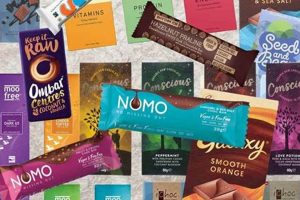
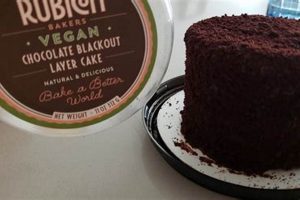
Formulations that replicate the taste and texture of traditional milk chocolate, but without the use of any animal-derived ingredients, represent a specific category of dessert creation. These formulations typically substitute dairy milk with plant-based alternatives such as oat milk, almond milk, or coconut milk, while maintaining the characteristic sweetness and creaminess associated with the conventional product. For instance, a recipe might call for cocoa butter, cocoa powder, sugar, and oat milk powder to achieve a similar flavor profile.
The rising demand for these types of recipes is driven by several factors, including increasing awareness of ethical and environmental concerns related to dairy farming, as well as dietary restrictions and preferences. These plant-based alternatives allow individuals to enjoy a familiar treat while adhering to vegan principles or managing lactose intolerance. Historically, achieving the desired taste and texture without dairy posed significant challenges, leading to ongoing experimentation with various plant-based ingredients and techniques to mimic the mouthfeel and richness of the original product.
The subsequent sections will delve into specific ingredients commonly used in these dairy-free confections, explore techniques for achieving optimal texture and flavor balance, and provide examples of successful formulations that demonstrate the versatility of this increasingly popular culinary approach.
Essential Guidance for Dairy-Free Confectionery Creation
Achieving a satisfactory dairy-free replication of a beloved confectionery necessitates careful consideration of ingredients and techniques. The following tips provide essential guidance for producing a high-quality product.
Tip 1: Select High-Quality Cocoa Components: The foundation of any satisfactory version relies on the quality of the cocoa butter and cocoa powder utilized. Opt for ethically sourced, high-fat cocoa butter and Dutch-processed cocoa powder for a richer, less acidic flavor profile.
Tip 2: Carefully Choose the Plant-Based Milk: The selection of the plant-based alternative significantly impacts the final taste and texture. Oat milk, cashew milk, and coconut milk offer distinct characteristics. Experimentation is recommended to determine the most suitable choice for a specific application.
Tip 3: Incorporate a Creaminess Enhancer: Certain ingredients can enhance the perception of creaminess. Cashew butter or coconut cream, added in small quantities, can contribute to a smoother mouthfeel and richer texture.
Tip 4: Temper the Confection: Proper tempering is crucial for achieving a glossy finish and a satisfying snap. This process involves carefully heating and cooling the mixture to stabilize the cocoa butter crystals.
Tip 5: Balance Sweetness Levels: Plant-based milks often have varying levels of inherent sweetness. Adjust the amount of added sweetener, such as cane sugar, maple syrup, or agave nectar, to achieve the desired sweetness level without overpowering the other flavors.
Tip 6: Consider Adding Lecithin: Lecithin, derived from sunflower or soy, acts as an emulsifier, helping to bind the cocoa butter and milk solids together. This can improve the texture and prevent separation.
Tip 7: Control the Temperature During Mixing: Overheating can cause the cocoa butter to separate and result in a grainy texture. Monitor the temperature carefully throughout the mixing process, using a double boiler or a low heat setting.
Successful creation of this type of confectionery relies on attention to detail and a willingness to experiment with different ingredients and techniques. By following these guidelines, one can achieve a product that rivals its traditional counterpart in both taste and texture.
The subsequent section will address common challenges encountered during the process and offer solutions for overcoming them.
1. Ingredient Substitution

Ingredient substitution forms the bedrock of crafting dairy-free alternatives to traditional milk chocolate. The inherent characteristics of dairy milk, such as its fat content, protein structure, and sweetness profile, contribute significantly to the texture and taste of conventional confectionery. Therefore, replacing dairy with plant-based alternatives requires careful consideration of how each substitution impacts the final product. For instance, the absence of milk proteins, which contribute to the smooth mouthfeel of traditional confectionery, necessitates the inclusion of alternative ingredients, such as cashew butter or coconut cream, to mimic this sensation.
The selection of the specific plant-based milk alternativewhether oat milk, almond milk, or coconut milkdirectly influences the final flavor profile. Oat milk, for example, often imparts a slightly sweet and oaty flavor, which can complement the cocoa notes. Almond milk, on the other hand, can introduce a subtle nutty undertone. Coconut milk, due to its higher fat content, can contribute to a richer and creamier texture but may also impart a distinct coconut flavor. Consequently, the choice of plant-based milk must be carefully aligned with the desired taste and texture attributes. Furthermore, the incorporation of emulsifiers, such as sunflower lecithin, is often necessary to stabilize the emulsion of cocoa butter and plant-based milk, preventing separation and maintaining a consistent texture.
In essence, successful dairy-free milk chocolate confectionery hinges on a thorough understanding of the functional properties of each ingredient and the careful selection of substitutes that can replicate the key characteristics of the original dairy-based product. This deliberate approach to ingredient substitution is essential for achieving a palatable and texturally satisfying result, aligning with the growing demand for plant-based alternatives in the confectionery market. Overcoming the challenges of imitation is rooted in the skillful art of ingredient substitution, thus its value remains crucial to the success of a recipe.
2. Texture Development

Texture development is a critical element in the successful replication of milk chocolate within a vegan recipe. The absence of dairy milk, with its inherent fat and protein structure, necessitates careful manipulation of alternative ingredients to achieve a similar mouthfeel and consistency. The desired texture is typically characterized by smoothness, a slight snap when broken, and a melt-in-the-mouth sensation. Achieving this requires precise control over ingredient ratios and processing techniques. For example, a recipe relying solely on cocoa butter and cocoa powder may result in a brittle and grainy product. Therefore, the addition of ingredients such as coconut oil, cashew butter, or specialized plant-based milk powders becomes necessary to introduce the requisite level of fat and moisture content.
The interplay between fat crystallization and particle size distribution is central to texture development. Proper tempering, a process involving controlled heating and cooling cycles, is essential to stabilize the cocoa butter crystals in a desired form, typically the Beta crystal form. This results in a glossy appearance, a firm snap, and prevents blooming (the formation of white streaks on the surface). Furthermore, the particle size of cocoa powder and any added plant-based milk solids must be minimized to avoid a gritty texture. This can be achieved through fine grinding or the use of specialized equipment, such as a melangeur. A practical example is the use of high-speed blenders to ensure uniform mixing and reduce the particle size of added nut butters, contributing to a smoother texture.
In summary, the successful creation of dairy-free milk chocolate relies heavily on a thorough understanding of texture development principles. By carefully selecting ingredients to mimic the fat and protein contributions of dairy milk, controlling fat crystallization through proper tempering, and minimizing particle size, it is possible to achieve a texture that closely resembles traditional milk chocolate. Overcoming the texture challenges is paramount in creating a desirable vegan alternative.
3. Flavor Balancing

Flavor balancing stands as a cornerstone in the pursuit of a satisfactory milk chocolate vegan recipe. Unlike traditional milk chocolate, which derives its characteristic flavor profile from dairy milk, plant-based alternatives require meticulous attention to the interplay of various ingredients to achieve a harmonious and palatable taste. The absence of dairy necessitates a strategic approach to balancing sweetness, bitterness, acidity, and other flavor notes to create a compelling and convincing experience.
- Cocoa Intensity Management
The intensity of the cocoa flavor must be carefully managed to compensate for the lack of dairy’s mellowing effect. Overly intense cocoa can result in a bitter or astringent taste, while insufficient cocoa can lead to a bland and uninteresting product. The selection of specific cocoa powders, such as Dutch-processed or natural cocoa, plays a crucial role in modulating the cocoa flavor. Furthermore, the quantity of cocoa butter must be balanced with the cocoa solids to create a smooth and rich texture that complements the flavor profile.
- Sweetener Selection and Dosage
The choice of sweetener significantly impacts the overall flavor balance. Refined sugar, maple syrup, agave nectar, and other alternative sweeteners each contribute unique flavor nuances. The appropriate dosage of sweetener is critical to mask any inherent bitterness from the cocoa and create a pleasant sweetness level. Too much sweetener can overwhelm other flavors, while too little can leave the confection lacking in appeal. Considerations must also be made for the glycemic index of the sweetener and the desired impact on the overall health profile of the product.
- Plant-Based Milk Nuances
The flavor profile of the chosen plant-based milk directly influences the final taste. Oat milk, almond milk, cashew milk, and coconut milk each possess distinct flavor characteristics that can either enhance or detract from the desired outcome. The selection of a plant-based milk with a complementary flavor profile is essential for achieving a harmonious balance. Furthermore, the concentration of the plant-based milk solids must be carefully controlled to prevent any unwanted flavors from dominating the confection.
- Vanilla and Enhancers
Vanilla extract or vanilla bean powder can be used to enhance the sweetness and complexity of the overall flavor profile. Small amounts of salt can also be added to balance the sweetness and enhance the other flavors. Other flavor enhancers, such as cinnamon or nutmeg, can be used to add subtle nuances and create a more sophisticated and interesting product.
In conclusion, achieving successful flavor balancing in a dairy-free confectionery recipe requires a deep understanding of the flavor interactions between cocoa, sweeteners, plant-based milk, and other flavor enhancers. This nuanced approach allows for the creation of a vegan alternative that not only replicates the taste of traditional milk chocolate but also offers a unique and compelling flavor experience. The final product is highly dependent on the flavor harmony.
4. Sweetness Control

Sweetness control is a critical determinant of success in any plant-based replication of milk chocolate. The inherently different sugar profiles of plant-based milks, compared to cow’s milk, necessitate meticulous calibration of added sweeteners. Overcompensation leads to cloying, unpalatable results, obscuring the intended cocoa flavor. Conversely, inadequate sweetness results in a bitter, unbalanced product, particularly given the absence of dairy’s masking effect. The appropriate type and quantity of sweetener must, therefore, be carefully selected to achieve a harmonious balance.
Consider, for example, the formulation of a vegan confection using oat milk. Oat milk naturally exhibits a higher sugar content than almond milk. A recipe using the same amount of added cane sugar in both versions would result in an overly sweet product when oat milk is employed. Adjustments to the added sweetener, perhaps reducing the cane sugar and incorporating a small amount of a low-glycemic sweetener like erythritol, would be necessary to achieve the desired sweetness level without overpowering the cocoa notes. Similarly, if maple syrup is used, its distinctive flavor profile must be considered to avoid introducing an unwanted maple taste that clashes with the chocolate. Experimentation and precise measurement are crucial for achieving the optimal balance.
In essence, successful sweetness control in a dairy-free confection represents more than simply adding sugar; it requires a deep understanding of the interplay between the inherent sweetness of plant-based ingredients and the characteristics of added sweeteners. Achieving this balance is essential for creating a product that not only mimics the taste of traditional milk chocolate but also provides a pleasing and well-rounded sensory experience. Improper sweetness can render an otherwise well-executed recipe unpalatable, underscoring the practical significance of mastering this aspect.
5. Tempering Process

The tempering process holds significant importance in the creation of satisfactory vegan milk chocolate. Proper tempering influences the final product’s gloss, snap, and shelf life. In dairy-free confectionery, the absence of milk solids and their inherent stabilizing properties necessitates even greater precision in tempering to achieve comparable results to traditional milk chocolate.
- Cocoa Butter Crystal Formation
Cocoa butter can crystallize into several different forms, each with distinct properties. Only one form, the Beta crystal, provides the desired gloss, snap, and stability. Tempering involves carefully heating and cooling the cocoa butter to encourage the formation of these Beta crystals and inhibit the formation of less desirable crystal structures. In the context of a plant-based confectionery, precise temperature control is crucial, as the presence of alternative fats from plant-based milks can interfere with crystal formation.
- Stabilization of Plant-Based Fats
Vegan milk chocolate often incorporates plant-based fats from sources such as coconut oil, shea butter, or cocoa butter alternatives to mimic the texture of traditional milk chocolate. These fats can exhibit different melting points and crystallization behaviors than cocoa butter. The tempering process must account for these variations to ensure that all fats are properly stabilized and contribute to a homogenous, stable product. Improper tempering can lead to blooming (the formation of white streaks) or a soft, unstable texture.
- Influence on Texture and Mouthfeel
The tempering process directly impacts the texture and mouthfeel of the final confectionery. Properly tempered results in a smooth, melt-in-the-mouth sensation, while poorly tempered will be grainy or waxy. The correct crystal structure allows for a uniform breakdown of fats on the palate, creating a pleasant sensory experience. Plant-based ingredients can sometimes contribute to a grittier texture, making proper tempering even more critical for achieving the desired smoothness.
- Impact on Shelf Life
Proper tempering increases the shelf life of vegan milk chocolate by preventing fat bloom and maintaining a stable crystal structure. This ensures that the product remains visually appealing and texturally consistent over time. Untempered can quickly develop a dull, streaky appearance and become unappetizing. For commercial production, consistent tempering is essential for maintaining product quality and customer satisfaction.
The tempering process is not merely a technical step, but a critical factor determining the overall quality and consumer appeal of confectionery. By carefully controlling the crystallization of cocoa butter and stabilizing plant-based fats, one can create a confectionery that rivals its traditional counterpart in terms of appearance, texture, and shelf life. For vegan milk chocolate, where the absence of dairy presents unique challenges, mastering the art of tempering is essential for achieving a truly satisfying result.
Frequently Asked Questions
The following section addresses common inquiries regarding the creation of dairy-free alternatives to traditional milk chocolate. These answers provide clarity on key aspects of ingredient selection, processing techniques, and potential challenges.
Question 1: Can the flavor of dairy milk be accurately replicated in a plant-based version?
Complete replication of dairy milk’s complex flavor profile is challenging. However, strategic use of ingredients like oat milk, cashew butter, and flavor enhancers can achieve a result that closely mimics the desired taste. The specific plant-based milk chosen significantly influences the final flavor, requiring adjustments to other components for optimal balance.
Question 2: What are the most common challenges in achieving a smooth texture in dairy-free creations?
Common textural challenges include graininess, brittleness, and a lack of melt-in-the-mouth sensation. These issues often stem from improper tempering, insufficient fat content, or large particle sizes in ingredients. Proper tempering techniques, the addition of ingredients like coconut oil, and the use of finely ground powders can mitigate these problems.
Question 3: How does the selection of cocoa powder impact the final product?
The type of cocoa powder significantly affects the flavor and color. Dutch-processed cocoa powder, with its lower acidity, generally produces a smoother and richer flavor. Natural cocoa powder, with its higher acidity, can impart a more intense and slightly bitter taste. The choice should align with the desired taste profile and the other ingredients used.
Question 4: Is tempering as critical in dairy-free formulations as it is in traditional ones?
Tempering remains crucial. It ensures that cocoa butter forms stable crystals, resulting in a glossy appearance, a satisfying snap, and resistance to bloom (white streaks). The absence of milk solids in plant-based versions can make proper tempering even more critical for achieving a desirable texture and appearance.
Question 5: Can artificial sweeteners be used effectively in dairy-free confectionery recipes?
Artificial sweeteners can be employed, but with caution. They often possess distinct aftertastes or sweetness profiles that may not perfectly replicate the experience of traditional sugar. Careful selection and dosage are essential to avoid detracting from the overall flavor. Natural sweeteners like maple syrup or agave nectar are often preferred for their more nuanced flavor contributions.
Question 6: How does shelf life compare between traditional and dairy-free products?
Shelf life can vary. Properly formulated and tempered dairy-free confectionery can achieve a comparable shelf life to traditional versions. However, certain plant-based fats may be more prone to oxidation or rancidity. Proper storage conditions, such as cool temperatures and airtight packaging, are crucial for maximizing shelf life.
In summary, while achieving a dairy-free confectionery requires careful attention to ingredient selection and processing techniques, the results can be a pleasing and ethical substitute to conventional treats.
The subsequent article section will explore specific dairy-free recipes, providing practical examples of the concepts discussed.
Conclusion
This exploration of “milk chocolate vegan recipe” underscores the intricacies involved in replicating a familiar confectionery experience without dairy. Success hinges on strategic ingredient substitution, meticulous texture development, precise flavor balancing, diligent sweetness control, and mastery of the tempering process. Each element requires careful consideration to overcome the inherent challenges posed by the absence of dairy milk and its associated characteristics.
The ongoing innovation in plant-based ingredients and culinary techniques suggests a promising future for dairy-free confectionery. Further research and experimentation will undoubtedly lead to increasingly sophisticated formulations, broadening the appeal of vegan alternatives and providing consumers with more sustainable and ethically responsible options. The pursuit of excellence in this culinary domain demands a commitment to both scientific understanding and creative application.