The combination of ingredients results in a baked good that satisfies specific dietary needs and preferences. This food item integrates familiar flavors with a commitment to plant-based ingredients, excluding animal products such as dairy and eggs. The result is a moist, sweet confection suitable for individuals following a vegan lifestyle or those with related dietary restrictions.
Offering a convenient and accessible treat, this formulation addresses a growing demand for inclusive food options. The utilization of fruit contributes natural sweetness and moisture, potentially reducing the need for refined sugars and fats. Furthermore, the inherent nature of the primary ingredients provides a source of essential nutrients. This type of baked product demonstrates the evolution of culinary practices towards accommodating diverse dietary needs while maintaining palatable flavors.
The subsequent sections will elaborate on ingredient selection, preparation techniques, potential nutritional advantages, and variations that enhance the overall profile of this unique baked item. This detailed exploration aims to provide a complete understanding of its creation, consumption, and relevance within contemporary food culture.
Essential Considerations for Plant-Based Banana Chocolate Chip Muffins
The following guidelines facilitate successful preparation of these baked items, ensuring optimal flavor and texture in alignment with vegan principles.
Tip 1: Ripe Banana Selection: Overripe bananas are crucial for achieving desired sweetness and moisture. Their increased sugar content and soft texture contribute to a superior batter consistency. Utilize bananas exhibiting substantial spotting on the peel.
Tip 2: Flour Management: Precise measurement of flour prevents dense or dry outcomes. Employ a kitchen scale for accuracy or utilize the spoon-and-level method when using measuring cups. Avoid packing the flour.
Tip 3: Plant-Based Milk Choice: The selection of plant-based milk impacts flavor and moisture. Oat milk and almond milk offer neutral profiles, while soy milk may impart a subtle flavor. Consider the impact on the final product.
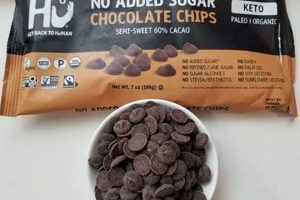
Tip 4: Vegan Chocolate Chip Selection: Standard chocolate chips may contain dairy. Verify that the product is explicitly labeled as vegan or consult ingredient lists for milk-derived components. Dark chocolate varieties are frequently compliant.
Tip 5: Leavening Agent Activation: Ensure freshness of baking powder and baking soda. Improper leavening can result in flat or dense muffins. Adhere to recommended quantities and test for activity if uncertain.
Tip 6: Gentle Mixing: Overmixing develops gluten, leading to tough muffins. Combine wet and dry ingredients until just incorporated. A few lumps in the batter are acceptable.
Tip 7: Muffin Tin Preparation: Proper greasing or the use of muffin liners prevents sticking. This facilitates easy removal and maintains the integrity of the finished product.
Tip 8: Temperature Regulation: Accurate oven temperature is critical for uniform baking. Employ an oven thermometer to verify accuracy and prevent uneven cooking or burning.
Adherence to these recommendations will result in plant-based banana chocolate chip muffins characterized by desirable texture, flavor, and consistent quality.
The subsequent discussion will focus on recipe variations and potential adjustments to accommodate specific dietary considerations or flavor preferences.
1. Ingredient substitution

Ingredient substitution is a cornerstone of producing baked goods that align with vegan dietary principles. The adaptation of traditional recipes requires careful selection of plant-based alternatives that mimic the functional properties of animal-derived ingredients. This process directly impacts the texture, flavor, and overall structure of the finished product.
- Egg Replacement
The absence of eggs necessitates the introduction of binding agents and emulsifiers. Common substitutes include flaxseed meal mixed with water (“flax eggs”), applesauce, mashed banana (in addition to the primary banana ingredient), or commercial egg replacers. These components contribute moisture and assist in binding the ingredients, albeit with varying effects on texture and density. For example, flax eggs produce a denser result, while applesauce adds moisture and sweetness.
- Dairy Milk Replacement
Dairy milk is replaced by plant-based alternatives such as almond milk, soy milk, oat milk, or coconut milk. The selection influences the muffin’s flavor profile and moisture content. Oat milk, for instance, provides a creamy texture, while coconut milk can impart a subtle coconut flavor. Unsweetened varieties are preferable to control the overall sugar content of the recipe.
- Butter/Oil Replacement
Traditional butter is typically substituted with plant-based oils (such as canola, coconut, or olive oil) or vegan butter alternatives. Coconut oil, in its solid form, can mimic the texture of butter, while other oils contribute moisture. The choice of fat source impacts the muffin’s tenderness and mouthfeel. It’s essential to consider the specific characteristics of each oil to achieve the desired consistency.
- Honey/Sugar Alternatives
Refined sugar and honey are often replaced by plant-based sweeteners like maple syrup, agave nectar, or coconut sugar to comply with vegan guidelines. The sweetness intensity and moisture content of these substitutes vary, requiring adjustments to the liquid and dry ingredient ratios to maintain optimal batter consistency. Maple syrup and agave nectar, for example, are liquid sweeteners and will alter the moisture balance in the recipe.
These ingredient substitutions collectively define the characteristics of banana muffins that adhere to vegan standards. The success of these substitutions directly impacts the final product’s palatability and structural integrity, underscoring the importance of understanding the functional properties of each ingredient. The interplay between substituted elements further modifies the recipe and ensures the final result will yield a quality vegan product.
2. Texture optimization

The texture of a vegan chocolate chip banana muffin is a critical attribute influencing its overall acceptability. Optimizing this aspect necessitates a precise understanding of the interplay between ingredients and baking techniques, given the absence of traditional binding agents like eggs. The inherent moisture content of bananas contributes significantly to the final texture, but excessive moisture can result in a gummy or dense product. Conversely, insufficient moisture leads to dryness and crumbling. Therefore, balancing moisture sources is crucial. For example, the type of plant-based milk used impacts texture, with oat milk contributing a creamier mouthfeel than almond milk, due to its higher fat content. Furthermore, overmixing the batter develops gluten, which results in a tougher muffin.
The selection of flour also plays a key role. All-purpose flour produces a different texture than whole wheat flour, which tends to yield a denser muffin. The ratio of dry to wet ingredients must be carefully calibrated to achieve a tender crumb. Incorporating ingredients like applesauce or flaxseed meal as egg replacements further alters the texture profile. Applesauce adds moisture and sweetness, while flaxseed meal provides a binding effect that mimics eggs. Proper creaming of vegan butter alternatives with sugar, although challenging due to the fat composition, aids in creating air pockets that contribute to a lighter texture. Adjusting the baking time and temperature is essential to ensure uniform cooking and prevent over-browning, which can lead to dryness.
In summary, the texture optimization of these muffins is a multifaceted process involving careful ingredient selection, precise measurements, and controlled baking conditions. Achieving the ideal balance between moisture, binding, and gluten development is vital for producing vegan banana chocolate chip muffins with a desirable crumb and mouthfeel. Understanding these principles allows for adjustments to accommodate specific dietary needs or flavor preferences while maintaining optimal textural qualities.
3. Flavor profile

The overall palatability of these muffins is significantly influenced by its flavor profile. This aspect encompasses the interplay of various ingredients, each contributing unique notes that collectively define the sensory experience. An understanding of these components is essential for achieving a balanced and desirable taste.
- Banana Base Notes
The foundation of the flavor profile is the banana component. Overripe bananas contribute a concentrated sweetness and a distinct, almost caramelized flavor. This natural sweetness reduces the need for excessive added sugars. The use of underripe bananas results in a less pronounced flavor, which may necessitate additional sweeteners to compensate.
- Chocolate Chip Accents
Chocolate chips introduce a contrasting bitterness that complements the sweetness of the banana. The type of chocolate used affects the overall flavor; dark chocolate provides a deeper, more intense flavor, while semi-sweet chocolate offers a milder, more balanced sweetness. Vegan chocolate chips, typically made without dairy, maintain the integrity of the vegan formulation while delivering the desired chocolate flavor.
- Spice Infusion
The addition of spices, such as cinnamon, nutmeg, or cardamom, adds complexity and warmth to the flavor profile. These spices enhance the perceived sweetness and provide aromatic nuances that contribute to a more sophisticated taste. The quantity of spice used must be carefully controlled to avoid overpowering the other flavors.
- Nutty Undertones
The inclusion of nuts, such as walnuts or pecans, provides textural contrast and adds a nutty undertone to the flavor. The toasting of nuts before incorporation intensifies their flavor and enhances their contribution to the overall profile. The choice of nut influences the flavor; walnuts offer a slightly bitter edge, while pecans provide a sweeter, more buttery flavor.
These flavor components collectively define the taste characteristics. The careful selection and balancing of ingredients are crucial for creating a product that is both appealing and aligned with dietary preferences. Variations in ingredient ratios and additions allow for customization of the flavor to cater to individual preferences. For example, the addition of a small amount of lemon juice can heighten the acidity and provide a better balance with the sweetness.
4. Nutritional composition

The nutritional composition is an essential consideration in the context of a “chocolate chip banana muffin vegan”. The absence of animal products alters the macronutrient and micronutrient profile compared to traditional muffins. The type and quantity of ingredients dictate the resulting nutritional value. The substitution of eggs and dairy introduces significant changes in protein content, fat sources, and the presence of certain vitamins and minerals. For instance, the use of plant-based milk impacts calcium and vitamin D levels, while the inclusion of whole wheat flour contributes to fiber content. The nutritional composition is also affected by the sugar source and quantity. The ratio of macronutrients (carbohydrates, fats, and proteins) and the presence of micronutrients (vitamins, minerals) determine the nutritional value of the final product. For example, a muffin with a high sugar content and low fiber content will have a different nutritional impact than one with a lower sugar content and higher fiber content.
The selection of ingredients plays a pivotal role in shaping the muffin’s nutritional value. Replacing refined sugar with natural sweeteners like maple syrup or agave nectar affects the glycemic index. The utilization of whole grains increases fiber intake and promotes satiety. The addition of nuts and seeds introduces healthy fats, protein, and essential minerals. The types of chocolate chips used also contribute; dark chocolate, with its higher cocoa content, offers antioxidants. The fiber content in muffins helps promote digestive health and can aid in regulating blood sugar levels. The fat content, derived from oils or nut butters, influences the muffin’s caloric density and satiety value. A mindful approach to ingredient selection can significantly enhance the nutritional profile of the “chocolate chip banana muffin vegan”.
In summary, the nutritional composition is a defining characteristic, influencing its health implications. A focus on whole grains, natural sweeteners, and nutrient-rich additives can enhance the nutritional value. Analyzing the interplay between ingredient choices and their impact on macronutrient and micronutrient profiles allows for the creation of a “chocolate chip banana muffin vegan” that satisfies both dietary restrictions and nutritional goals. Attention to sugar content and the source of fats will ensure a more balanced nutritional outcome.
5. Allergen considerations
Allergen considerations represent a critical aspect in the production and consumption of “chocolate chip banana muffins vegan”. The exclusion of animal products does not inherently render a product allergen-free. Awareness of potential allergens and meticulous ingredient selection are paramount in ensuring the safety of individuals with sensitivities.
- Gluten Contamination
While many recipes for “chocolate chip banana muffins vegan” may not intentionally include gluten, cross-contamination during ingredient processing or preparation poses a risk. Wheat flour is a common ingredient in baking environments, and its presence can inadvertently contaminate gluten-free ingredients. Individuals with celiac disease or gluten sensitivity must exercise caution. Certified gluten-free flours and strict adherence to cross-contamination protocols are essential to mitigate this risk.
- Nut Allergies
Tree nuts, such as almonds, walnuts, and pecans, are frequently incorporated into vegan recipes for added flavor and texture. However, these nuts are potent allergens for a significant portion of the population. Furthermore, some vegan chocolate chips may be manufactured in facilities that also process nuts, leading to potential cross-contamination. Clear labeling and avoidance of nuts are necessary for individuals with nut allergies. Alternative ingredients, such as seeds or dried fruits, can provide similar textural and flavor enhancements without the allergenic risk.
- Soy Sensitivity
Soy is a common ingredient in vegan products, including plant-based milk alternatives and some vegan chocolate chips. Soy allergies are prevalent, particularly among children. Careful scrutiny of ingredient labels is necessary to avoid soy-containing products. Alternatives such as oat milk, almond milk, or coconut milk can be used in place of soy milk. Additionally, soy-free vegan chocolate chip options are available.
- Seed Allergies
Seeds, like sunflower or sesame, are increasingly common in vegan baking. Although less prevalent than nut or soy allergies, seed allergies can trigger severe reactions in sensitive individuals. As with other allergens, clear labeling and avoidance are critical. When seeds are used, the type and quantity should be prominently displayed on the product packaging.
Addressing allergen considerations in “chocolate chip banana muffins vegan” requires diligence in ingredient selection, manufacturing processes, and labeling practices. Thoroughly reviewing ingredient lists and understanding potential sources of cross-contamination are crucial steps in safeguarding individuals with allergies. Furthermore, transparent communication regarding potential allergens empowers consumers to make informed choices and minimize the risk of adverse reactions. Recipes can be modified to use alternative ingredients to reduce allergy risks and create a safer product for consumers.
6. Preparation techniques

The creation of “chocolate chip banana muffins vegan” is significantly influenced by preparation techniques, wherein specific methods determine the final product’s texture, flavor, and overall quality. The initial step, mashing the bananas, requires attention to ensure consistency. Over-mashing can result in a gummy texture, while insufficient mashing leaves undesirable lumps. The order in which ingredients are combined affects gluten development. Combining wet and dry ingredients separately before gently incorporating them minimizes gluten formation, resulting in a more tender muffin. For instance, adding wet ingredients to dry ingredients at once leads to excessive mixing, creating a tougher texture. These seemingly minor variations have marked effects on the final baked product.
Further precision is required during the baking process itself. Oven temperature calibration is critical; deviations from the recommended temperature can lead to uneven baking, resulting in either undercooked or excessively dry muffins. The method of distributing the batter into muffin tins impacts consistency. Using a consistent volume ensures uniform baking across all muffins. Overfilling can cause overflow, while underfilling leads to variations in cooking time and final product size. Monitoring baking time closely is essential to prevent over-browning or undercooking, both of which compromise the muffin’s texture and flavor. These specific actions exemplify the relationship between procedure and result.
In summary, successful preparation of “chocolate chip banana muffins vegan” hinges on the application of precise and deliberate techniques. Mashing consistency, ingredient combination, oven temperature control, and baking time management collectively define the quality of the final product. Neglecting these techniques compromises the muffin’s texture, flavor, and appearance. Understanding these preparation principles will allow recipe adjustments to accommodate specific ingredient variations while maintaining optimal results.
7. Shelf life
The duration for which a “chocolate chip banana muffin vegan” remains palatable and safe for consumption, its shelf life, is a primary concern for both producers and consumers. Several factors influence this period, requiring careful consideration of ingredients, storage conditions, and potential spoilage mechanisms.
- Moisture Content and Microbial Growth
The high moisture content, largely attributable to the bananas, renders these muffins susceptible to microbial growth, particularly mold. Vegan recipes often lack preservatives found in commercially produced baked goods, accelerating this process. Proper cooling and airtight storage are crucial to minimizing moisture-related spoilage. Failure to do so can rapidly degrade the muffin’s texture and lead to visible mold growth, rendering it unsafe for consumption.
- Fat Rancidity
The type of fat used, whether oil or vegan butter substitute, influences the potential for rancidity. Unsaturated fats are more prone to oxidation, leading to off-flavors and odors. Storage in cool, dark conditions can slow this process, but the selection of more stable fat sources, such as refined coconut oil, can extend shelf life. The development of rancidity indicates significant degradation, rendering the muffin unpalatable.
- Staling and Texture Degradation
Staling, or starch retrogradation, affects the muffin’s texture, causing it to become dry and crumbly. Vegan formulations, which may lack gluten’s structural support, can experience accelerated staling. Proper storage in airtight containers minimizes moisture loss, slowing this process. However, even with optimal storage, staling will inevitably occur, limiting the muffin’s palatable lifespan.
- Ingredient Interactions and Preservatives
The interactions between ingredients, particularly the bananas and the leavening agents, can affect shelf life. Residual leavening activity can alter the muffin’s pH, potentially inhibiting microbial growth. However, this effect is limited. The absence of artificial preservatives in many vegan recipes means reliance on natural preservation methods, such as refrigeration or freezing, to extend shelf life significantly. Preservatives might artificially extend this shelf life, yet contradict the essence of creating healthy, plant-based food.
These factors collectively determine the shelf life of a “chocolate chip banana muffin vegan”. Vigilance in ingredient selection, adherence to proper baking and cooling protocols, and appropriate storage are essential to maximizing the period for which these muffins retain acceptable quality and safety. A thorough understanding of these influences allows for informed decisions regarding production, storage, and consumption timelines.
Frequently Asked Questions
The following section addresses common inquiries and misconceptions pertaining to these muffins, providing detailed answers to enhance understanding.
Question 1: What distinguishes vegan banana chocolate chip muffins from traditional muffins?
Vegan muffins exclude all animal-derived ingredients, such as eggs, dairy milk, and butter, replacing them with plant-based alternatives. Traditional muffins incorporate these animal products, impacting texture, flavor, and nutritional composition.
Question 2: How does the absence of eggs affect the texture of these muffins?
Eggs contribute to binding and moisture. In vegan recipes, substitutes like flaxseed meal, applesauce, or mashed banana are used to replicate these functions, resulting in a slightly denser texture compared to egg-containing muffins. The extent of the textural difference is contingent upon the selected substitution.
Question 3: Are vegan chocolate chips readily available, and what are their key characteristics?
Vegan chocolate chips are increasingly accessible in grocery stores and online retailers. They are formulated without dairy milk, often utilizing cocoa butter, sugar, and cocoa solids. Checking ingredient labels is essential to confirm the absence of milk-derived components.
Question 4: Can whole wheat flour be used in these muffins, and what impact does it have?
Whole wheat flour can be incorporated, increasing the fiber content. This results in a denser, nuttier flavor, and alters the texture. Adjustments to liquid content may be necessary to maintain optimal moisture levels.
Question 5: How should these muffins be stored to prolong their shelf life?
These muffins should be stored in an airtight container at room temperature for up to three days or refrigerated for up to a week. Freezing is also an option for longer-term storage, preserving quality for several months.
Question 6: Is it possible to modify these muffins to accommodate other dietary restrictions, such as gluten intolerance?
Gluten-free versions can be made by substituting wheat flour with a certified gluten-free flour blend. Ensure all other ingredients are also gluten-free to avoid cross-contamination. A variety of gluten-free flours can be used to create similar taste and texture profiles.
These answers underscore the importance of ingredient selection, preparation techniques, and storage methods in achieving optimal results. A thorough understanding of these factors ensures the creation of palatable and safe vegan banana chocolate chip muffins.
The following discussion will delve into recipe variations and innovative approaches to enhance the characteristics of this vegan treat.
Final Assessment
The preceding exploration has illuminated the multifaceted characteristics of chocolate chip banana muffins vegan. The analysis encompassed ingredient substitutions, textural nuances, flavor complexities, nutritional considerations, allergen awareness, preparation protocols, and shelf-life determinants. These elements collectively define the scope of considerations necessary for successful production and consumption of this baked product.
Continued refinement of recipes and adaptation to evolving dietary needs will further enhance the relevance and appeal of chocolate chip banana muffins vegan. A commitment to transparency in ingredient sourcing and a focus on optimizing nutritional profiles will contribute to greater consumer confidence. Future advancements in plant-based baking techniques will broaden the potential for innovation in this culinary domain.