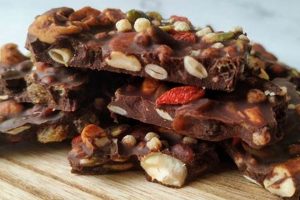
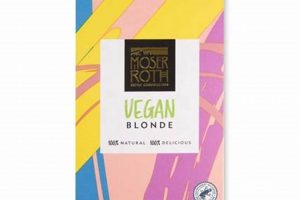
Plant-based confectionery presents an alternative for individuals adhering to dietary restrictions or ethical consumption practices. Such items, suitable for various occasions, exclude animal-derived ingredients common in traditional formulations. An example is a curated selection of dark truffles, crafted without dairy and often featuring ethically sourced cocoa.
These products offer a means of inclusive gifting, catering to a growing segment of the population concerned with animal welfare and environmental sustainability. Historically, specialized production of this type of dessert was limited, but increasing demand has spurred innovation and availability, leading to a wider range of options.
The subsequent sections will delve into the sourcing of ingredients, variations in flavor profiles, and considerations for selecting high-quality plant-based dessert options suitable for presentation.
Selecting Plant-Based Confectionery
Choosing appropriate plant-based confectionery requires careful consideration of several factors to ensure a satisfactory experience for both the giver and recipient.
Tip 1: Ingredient Verification: Scrutinize the ingredient list. Ensure the absence of dairy, eggs, honey, and other animal-derived substances. Seek certifications from reputable organizations confirming plant-based status.
Tip 2: Cocoa Sourcing: Prioritize selections made with ethically sourced cocoa. Look for Fair Trade or Rainforest Alliance certifications to support responsible labor practices and environmental sustainability.
Tip 3: Sugar Type: Investigate the sugar refining process. Some sugar is processed using bone char, rendering it unsuitable. Opt for products explicitly labeled as using unrefined or beet sugar.
Tip 4: Flavor Profiles: Consider the recipient’s preferences. Plant-based varieties offer a diverse range of flavor profiles, from intense dark to creamy oat milk-based options. Sample small quantities beforehand, if possible.
Tip 5: Brand Reputation: Research brands specializing in plant-based confectionery. Established manufacturers are more likely to adhere to strict quality control standards and provide transparent ingredient information.
Tip 6: Packaging Considerations: Evaluate packaging materials. Opt for options that are recyclable or compostable to minimize environmental impact.
Tip 7: Storage Requirements: Note specific storage instructions. Plant-based formulations may have unique temperature sensitivities that affect texture and flavor.
Careful attention to these details ensures the selected plant-based confectionery aligns with ethical and dietary requirements, while also maximizing enjoyment of the product.
The following sections will cover common pitfalls in choosing appropriate plant-based confectionery and offer guidance on avoiding them.
1. Ingredient Sourcing

Ingredient sourcing constitutes a foundational element in the composition of confectionery compliant with plant-based dietary principles. The selection of raw materials dictates whether a product can genuinely be classified as suitable for consumption by individuals adhering to a vegan lifestyle. Transparency and traceability in the supply chain are therefore paramount.
- Cocoa Bean Origin and Processing
The geographical origin of cocoa beans and the methods employed in their processing are critical. Cocoa beans sourced from regions with documented instances of forced labor or unsustainable farming practices are ethically problematic. Furthermore, processing methods must exclude the use of animal-derived products, such as bone char, which is sometimes employed in sugar refining. The sourcing of cocoa directly impacts the ethical permissibility of a finished item.
- Sugar Alternatives
Refined sugar, often derived from sugarcane, may undergo processing involving bone char, an animal-derived filter. Plant-based alternatives such as beet sugar, coconut sugar, maple syrup, or agave nectar serve as suitable replacements, provided their production is demonstrably free from animal product usage. The choice of sweetener influences the overall plant-based integrity.
- Fat Sources
Traditional formulations commonly utilize dairy butter or milk fat. Alternatives include cocoa butter itself, vegetable oils (e.g., coconut oil, sunflower oil), or nut butters. The source and processing of these fats must be verified to ensure they are purely plant-derived and have not been contaminated with animal products during production.
- Emulsifiers and Additives
Some emulsifiers and additives used in confectionery production may be animal-derived. For example, lecithin can be sourced from soy or eggs. Careful scrutiny of ingredients is essential to ensure all emulsifiers and additives are exclusively plant-based, maintaining compliance with dietary restrictions.
The intersection of these factors underscores the complexities inherent in ensuring a plant-based nature. Vigilant attention to each component, from the cocoa bean to the emulsifier, is imperative for crafting confectionery truly aligned with the principles of plant-based dietary choices. This impacts not only the ethical permissibility of a but also its overall appeal to a consumer base increasingly concerned with ethical and sustainable food systems.
2. Certification Verification

Certification verification serves as a critical component in ensuring the authenticity and integrity of a vegan chocolate product. This process involves independent third-party organizations assessing and confirming that the production of the confectionery adheres to established plant-based standards. The presence of a recognized certification mark on the packaging functions as a direct indicator to consumers that the chocolate is free from animal-derived ingredients, mitigating the risk of unintentional consumption of non-compliant items. For example, certifications such as Certified Vegan, Vegan Action, or similar locally recognized marks provide a degree of assurance to purchasers. The absence of credible certification necessitates rigorous individual assessment of ingredient lists and manufacturing processes, which can be both time-consuming and potentially unreliable for the average consumer.
The significance of certification extends beyond mere ingredient confirmation. It often encompasses aspects of the manufacturing process, including cross-contamination prevention. Certified facilities are typically subject to regular audits and inspections to guarantee that equipment and processes are segregated to prevent the introduction of non-vegan materials into the production line. Real-world examples demonstrate instances where products marketed as vegan were later found to contain trace amounts of dairy due to inadequate cross-contamination controls. Certification bodies address this issue through established protocols and ongoing monitoring, thus reducing this risk.
In summary, certification verification provides essential assurance in a complex food supply chain. It reduces consumer reliance on self-assessment and promotes transparency in the manufacturing process. While certification does not guarantee absolute perfection, it represents a significant step in promoting the credibility and reliability of vegan chocolate items. Further development in the standardization and enforcement of certification programs is necessary to address ongoing challenges in the plant-based food sector.
3. Flavor Profile

The flavor profile is paramount when considering a confectionery item, particularly one intended as a gift. For plant-based options, the attainment of desirable taste characteristics often requires careful selection of ingredients and specialized processing techniques to compensate for the absence of animal-derived components. This is critically relevant for a “vegan chocolate gift”.
- Cocoa Bean Variety and Origin
The specific variety of cocoa bean and its geographic origin significantly influence the flavor profile. For example, beans from South America may exhibit fruity or floral notes, while those from Africa tend toward earthy or robust flavors. Understanding these distinctions allows for selection of products aligned with the recipient’s preferred taste characteristics. The careful selection of beans can create unique vegan offerings.
- Sweetener Selection
The type of sweetener employed directly affects the final flavor. Refined white sugar provides a neutral sweetness, while alternatives such as agave nectar or coconut sugar impart distinct nuances. These sweeteners, while plant-based, contribute unique elements to the overall taste profile. Careful balancing of sweetness and other flavor notes is vital to making the vegan chocolate gift more appealing.
- Fat Composition
The type of fat used impacts texture and mouthfeel and contributes subtly to the flavor profile. Cocoa butter is the standard, but additional plant-based fats such as coconut oil or nut butters can be incorporated to modify the overall sensory experience. The fat composition can either detract or enhance the perception of quality.
- Inclusion of Flavor Enhancers
Flavor enhancers, such as vanilla extract, sea salt, or spices, are frequently added to augment the inherent taste of the cocoa. These additions require careful consideration, as they can either complement or clash with the base chocolate flavor. Properly executed flavor enhancement provides a complex and satisfying experience, contributing significantly to the overall perception of the vegan product.
The interplay of these factors determines the ultimate success of a plant-based confection as a desirable item. A nuanced understanding of each element allows manufacturers to create a product that appeals to a broad audience, offering a satisfying and ethical indulgence. Failure to consider these variables can result in a product that lacks depth and complexity, diminishing its value as a gifting item.
4. Ethical Production

Ethical production constitutes an indispensable aspect of items compliant with plant-based dietary standards, extending beyond mere ingredient composition to encompass the well-being of individuals involved in the manufacturing process and the environmental impact of production methods.
- Labor Practices
Fair labor practices within cocoa farming and chocolate manufacturing are paramount. Exploitation, including child labor and forced labor, remains a persistent issue in some regions. Ethically produced confectionery mitigates these risks by ensuring fair wages, safe working conditions, and adherence to international labor standards. Third-party certifications, such as Fair Trade, provide a measure of assurance in this domain, though constant vigilance and improvement are essential.
- Environmental Sustainability
Cocoa cultivation can contribute to deforestation, biodiversity loss, and soil degradation. Sustainable farming practices, such as agroforestry and organic farming, mitigate these impacts. Responsible manufacturers prioritize these practices, reducing their carbon footprint and promoting environmental conservation. The environmental footprint of the ingredients must align with broader principles of ethical production.
- Supply Chain Transparency
Supply chain transparency is essential for verifying ethical sourcing and production. Manufacturers should provide clear and verifiable information about the origin of their ingredients and the labor conditions under which they were produced. Traceability systems allow for the tracking of cocoa beans from farm to finished product, enhancing accountability and reducing the risk of unethical practices infiltrating the supply chain.
- Community Impact
Ethical production considers the impact of manufacturing operations on local communities. This includes supporting local farmers, investing in community development projects, and promoting sustainable livelihoods. Responsible companies engage in initiatives that benefit the communities where their ingredients are sourced, fostering long-term partnerships and shared prosperity.
The interplay of these factors underscores the multifaceted nature of ethical production. A product marketed as a “vegan chocolate gift” must not only adhere to plant-based ingredient standards but also embody a commitment to responsible labor practices, environmental sustainability, supply chain transparency, and community impact. Consumers are increasingly seeking products that align with their ethical values, making ethical production an increasingly vital aspect of product development and marketing.
5. Packaging Sustainability
Packaging sustainability represents a critical consideration in the selection and presentation of plant-based confectionery, aligning with the ethical and environmental values often associated with veganism. The materials utilized, their end-of-life management, and the overall environmental impact of the packaging process significantly contribute to the product’s sustainability profile.
- Material Selection
The choice of packaging material directly affects environmental impact. Traditional plastics, derived from fossil fuels, contribute to pollution and resource depletion. Sustainable alternatives include recycled cardboard, compostable films derived from plant-based sources (e.g., cornstarch), and biodegradable materials. For example, a vegan chocolate gift might be presented in a box made from recycled paperboard with vegetable-based inks. The selection of such materials diminishes the overall environmental burden.
- Recyclability and Compostability
The recyclability or compostability of packaging materials determines their end-of-life fate. Materials readily recyclable through existing infrastructure divert waste from landfills. Compostable packaging, suitable for home or industrial composting, breaks down into natural elements. An item wrapped in a non-recyclable plastic film, even if the chocolate itself is ethically sourced, introduces an element of environmental inconsistency. Promoting materials compatible with established recycling or composting systems is crucial.
- Minimization of Packaging
Reducing the amount of packaging used directly minimizes resource consumption and waste generation. Overly elaborate packaging, while visually appealing, often contributes unnecessary waste. Streamlined packaging designs, employing only the necessary materials for product protection and presentation, are preferable. For instance, eliminating unnecessary layers of wrapping or opting for a smaller box reduces the overall environmental footprint of the vegan chocolate gift.
- Carbon Footprint of Production and Transportation
The carbon footprint associated with the production and transportation of packaging materials represents a significant environmental consideration. Manufacturing processes involving high energy consumption or long-distance transportation contribute to greenhouse gas emissions. Selecting packaging materials produced locally or utilizing renewable energy sources minimizes the carbon footprint. A product sourced globally in complex packaging generates a higher overall environmental impact than a locally produced product in simple, sustainable packaging.
In summation, the incorporation of packaging sustainability principles into the selection and presentation of plant-based confectionery constitutes an integral aspect of responsible consumption. Aligning the packaging with the ethical and environmental values associated with veganism enhances the overall integrity of the product and minimizes its ecological impact. A vegan chocolate gift, presented in sustainably sourced and managed packaging, represents a holistic commitment to ethical and environmental responsibility.
Frequently Asked Questions
The following addresses common inquiries regarding the selection, composition, and ethical implications of confectionery suitable for individuals adhering to plant-based dietary principles, particularly in the context of gifting.
Question 1: What defines a “vegan chocolate gift”?
The term denotes confectionery explicitly formulated without any animal-derived ingredients. This includes, but is not limited to, dairy milk, butter, eggs, honey, and gelatin. Such products utilize plant-based alternatives to achieve desired textures and flavors.
Question 2: How can one verify that a chocolate gift is truly vegan?
Verification involves meticulous examination of the ingredient list. The absence of animal-derived ingredients must be confirmed. Additionally, look for certifications from reputable vegan organizations (e.g., Certified Vegan logo). Contacting the manufacturer directly to inquire about sourcing and production practices can provide further assurance.
Question 3: Are plant-based confectionery items necessarily healthier than traditional versions?
Not inherently. While the absence of dairy and eggs may reduce cholesterol content, plant-based formulations can still contain high levels of sugar and saturated fats. Examine nutritional information carefully. A product described as a “vegan chocolate gift” does not automatically equate to a health-conscious option.
Question 4: What are common plant-based substitutes for dairy in plant-based confectionery?
Frequent replacements include plant-based milks (e.g., almond, soy, oat, coconut), nut butters, cocoa butter, and vegetable oils. The specific substitute employed influences the texture and flavor of the finished product.
Question 5: What are the ethical considerations associated with cocoa sourcing for plant-based options?
Ethical concerns extend beyond the plant-based nature of the product to encompass labor practices and environmental sustainability within the cocoa industry. Ensuring fair wages, safe working conditions, and environmentally responsible farming practices is essential. Look for certifications such as Fair Trade or Rainforest Alliance.
Question 6: What packaging options are most sustainable for a plant-based item?
Sustainable packaging choices prioritize materials that are recyclable, compostable, or biodegradable. Minimizing the amount of packaging used is also crucial. Avoid excessive or unnecessary wrapping. Consider materials derived from renewable sources, such as recycled paperboard or plant-based films.
Selection requires a comprehensive understanding of ingredients, ethical considerations, and sustainable practices. A carefully chosen “vegan chocolate gift” reflects both dietary awareness and a commitment to responsible consumption.
The following section explores potential pitfalls in selecting such gifts and strategies for avoiding them.
Conclusion
The preceding exploration of “vegan chocolate gift” underscores the multi-faceted considerations inherent in selecting such an item. Ingredient verification, ethical sourcing, flavor profile assessment, and packaging sustainability are all critical elements. The absence of animal products alone does not guarantee an ethically or environmentally sound choice. A comprehensive approach is necessary to ensure the chosen item aligns with the values typically associated with plant-based dietary preferences.
As consumer awareness expands and demand for ethically produced goods increases, the scrutiny of ingredient origins and manufacturing processes will likely intensify. The future of such gifts hinges on transparency, responsible sourcing, and a commitment to minimizing environmental impact. Prioritizing these factors will not only enhance the appeal of confectionery for individuals adhering to plant-based diets but also contribute to a more sustainable and equitable food system.