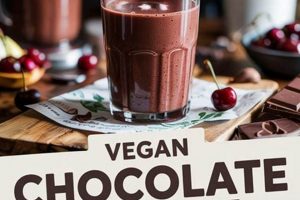
A plant-based adaptation of a traditional beverage blends rich cocoa with warming spices. Typically, it incorporates ingredients such as dark chocolate (dairy-free), plant-based milk (almond, soy, or oat), cinnamon, chili powder, and often a touch of sweetener like agave or maple syrup. The result is a comforting, spiced drink that provides a dairy-free alternative to a classic recipe. A common iteration of this drink involves blending cacao powder with almond milk, cinnamon, cayenne pepper, and a bit of coconut sugar.
This variation offers several advantages. Individuals with lactose intolerance or those adhering to a plant-based diet can enjoy a culturally significant beverage without compromising their dietary choices. The inherent antioxidants in dark chocolate, combined with the anti-inflammatory properties of cinnamon and chili, contribute to potential health benefits. Historically, cacao has held a significant place in Mesoamerican cultures, often consumed in spiced drinks for ceremonial or medicinal purposes; this adaptation allows that heritage to be honored in a way that aligns with contemporary dietary preferences.
The following sections will explore ingredient selection, preparation methods, variations on the base recipe, and considerations for sourcing ethical and sustainable components when creating this delectable spiced beverage. Further discussion will address potential pairings, serving suggestions, and modifications for different spice preferences.
Tips for Crafting Superior Vegan Mexican Hot Chocolate
Achieving a truly exceptional version of this beverage necessitates attention to detail. These guidelines offer insights for optimizing flavor, texture, and overall experience.
Tip 1: Select High-Quality Chocolate: Opt for dark chocolate with a high percentage of cacao (70% or higher). Ensure it is explicitly labeled vegan to avoid hidden dairy ingredients. The quality of the chocolate significantly impacts the final flavor profile.
Tip 2: Choose the Right Plant-Based Milk: Different plant-based milks impart unique characteristics. Oat milk generally provides a creamy texture, while almond milk offers a more subtle flavor. Experiment to determine the optimal choice based on individual preferences.
Tip 3: Control the Spice Level: Begin with a small amount of chili powder or cayenne pepper and gradually increase to achieve the desired level of heat. The type of chili used will also influence the flavor, so consider using ancho chili powder for a richer, more complex taste.
Tip 4: Temper the Chocolate: Prevent a grainy texture by melting the chocolate slowly and gently. Avoid overheating, which can cause the chocolate to seize. Using a double boiler or microwave in short intervals is recommended.
Tip 5: Sweeten Judiciously: Agave nectar, maple syrup, or coconut sugar are suitable vegan sweeteners. Add sweetener gradually, tasting as you go, to avoid excessive sweetness. The intensity of the chocolate and spices will influence the amount of sweetener required.
Tip 6: Incorporate Vanilla Extract: A small amount of pure vanilla extract enhances the overall flavor and adds a touch of warmth. Use a high-quality extract for the best results.
Tip 7: Use a Blender for Optimal Texture: After simmering, blend the ingredients together using a high-speed blender. This creates a smoother, more emulsified beverage. Be cautious when blending hot liquids.
Adhering to these guidelines will lead to a more refined and enjoyable drinking experience. The careful selection of ingredients and precise execution of techniques are crucial for maximizing flavor and achieving the desired texture.
The subsequent section will explore recipe variations and advanced techniques for further elevating the vegan beverage preparation.
1. Dairy-free chocolate

Dairy-free chocolate constitutes a foundational element in the creation of authentic plant-based spiced beverages. Its presence ensures the beverage adheres to vegan principles while offering the rich, complex flavors characteristic of traditional recipes. The quality and type of dairy-free chocolate significantly influence the overall taste profile and texture of the drink.
- Composition and Varieties
Dairy-free chocolate encompasses various formulations, primarily distinguished by the replacement of milk solids with plant-derived alternatives. Common substitutes include soy lecithin, rice milk powder, or nut butters. Dark chocolate, inherently lower in or entirely devoid of dairy, often serves as the base. Specific vegan chocolate brands prioritize ingredient sourcing and manufacturing processes to guarantee complete absence of animal products. The percentage of cacao solids also significantly impacts the intensity and bitterness of the chocolate.
- Impact on Flavor and Texture
The choice of dairy-free chocolate directly affects the resulting beverage. A high-quality dark chocolate contributes a deep, robust flavor profile, while chocolates with added plant-based milk alternatives may offer a creamier texture. The melting behavior of different dairy-free chocolates can influence the smoothness of the final product; some formulations may require careful tempering to prevent graininess. The specific flavor notes present in the chocolate, such as fruitiness or earthiness, will also complement or contrast with the spices used in the recipe.
- Ethical and Sustainable Considerations
The sourcing of cacao beans for dairy-free chocolate raises ethical and environmental concerns. Consumers may prioritize brands committed to fair trade practices, ensuring equitable compensation for cacao farmers and promoting sustainable agricultural methods. Selecting chocolate certified by organizations like Fairtrade or Rainforest Alliance supports responsible sourcing. Additionally, the environmental impact of packaging should be considered, with options favoring recyclable or compostable materials.
- Health and Nutritional Profile
Dairy-free chocolate retains the potential health benefits associated with cacao, including antioxidant properties and potential cardiovascular benefits. The absence of dairy reduces the presence of saturated fat and cholesterol. However, it is crucial to examine the ingredient list for added sugars and other additives. Choosing chocolate with a high percentage of cacao and minimal processing maximizes the nutritional value and minimizes potential drawbacks.
The interplay between dairy-free chocolate and the other components, such as plant-based milk and spices, establishes the distinctive character of vegan spiced beverages. Careful consideration of the attributes associated with dairy-free chocolate supports the creation of a beverage that is both ethically sound and enjoyable.
2. Plant-based milk

Plant-based milk serves as the crucial liquid base in a vegan adaptation of traditional Mexican hot chocolate. The replacement of dairy milk with plant-derived alternatives directly enables the beverage to align with vegan dietary restrictions. The choice of plant-based milk significantly impacts the final flavor, texture, and overall sensory experience. For example, almond milk offers a subtly nutty flavor and thinner consistency, while oat milk contributes a creamy texture and slightly sweet profile. Soy milk presents a neutral flavor and smooth texture, making it a versatile option. The functionality of plant-based milk extends beyond merely replacing dairy; it contributes unique characteristics that redefine the beverage.
The selection of a specific plant-based milk necessitates careful consideration of its heat stability and protein content. Certain varieties may curdle or separate when heated, affecting the visual appeal and mouthfeel of the hot chocolate. Furthermore, the protein content influences the beverage’s body and richness. Coconut milk, for instance, provides a significantly richer and creamier texture due to its higher fat content compared to almond or rice milk. The practical application of this understanding involves selecting a plant-based milk that complements the other ingredients, such as the type of chocolate and spices, to achieve a harmonious flavor profile.
In conclusion, plant-based milk is not merely a substitute but an integral ingredient that reshapes vegan versions of traditional recipes. Careful consideration of the diverse properties of available plant-based milks is essential for optimal results. The main challenge is to balance the flavour and texture of the dairy free alternative used with the flavour profile of the dish it’s used in; specifically the other flavours like chocolate and spices. This understanding contributes to broader culinary applications of plant-based ingredients, expanding options and promoting dietary inclusivity.
3. Spiced variations

Spiced variations are intrinsic to vegan versions of traditional Mexican hot chocolate, significantly influencing the beverage’s flavor profile and cultural authenticity. The judicious use of spices elevates the simple combination of chocolate and plant-based milk, replicating and often enhancing the complexity of the original drink.
- Traditional Spice Blends
Traditional Mexican hot chocolate typically incorporates cinnamon and chili. Cinnamon provides warmth and sweetness, complementing the bitterness of the chocolate, while chili adds a subtle heat that balances the overall flavor. Variations may include the use of ancho chili powder for a deeper, fruitier heat or cayenne pepper for a more intense spiciness. Regional differences exist; some recipes might include cloves or nutmeg. These blends contribute to the drink’s distinctive character, differentiating it from standard hot chocolate.
- Adaptations for Vegan Ingredients
Vegan adaptations of the beverage require careful consideration of how spices interact with plant-based milk. Some plant-based milks, such as oat or coconut milk, possess distinct flavors that may necessitate adjustments to the spice blend. For instance, using a stronger chili powder with coconut milk can counteract its inherent sweetness. Furthermore, the quality of the chocolate used can affect the perceived spice level; darker, more intense chocolates may require a lighter hand with the spices.
- Health and Sensory Impact
The inclusion of spices in vegan variations of Mexican hot chocolate extends beyond flavor enhancement. Cinnamon and chili possess antioxidant and anti-inflammatory properties, potentially contributing to the drink’s overall health benefits. The aroma of the spices also plays a significant role in the sensory experience, stimulating the olfactory senses and enhancing the perceived flavor. The careful selection and balancing of spices contribute to a more satisfying and complex beverage.
- Creative Spice Combinations
Beyond traditional spices, vegan versions of Mexican hot chocolate allow for creative experimentation. Adding a pinch of smoked paprika can introduce a subtle smoky flavor, while incorporating cardamom or star anise can provide a more aromatic and complex profile. Experimenting with different spice combinations can result in unique and personalized variations of the drink, catering to individual preferences. Caution is needed, however, to avoid overpowering the core flavors of chocolate and chili.
In conclusion, spiced variations are indispensable to vegan takes on Mexican hot chocolate. The selection, proportion, and combination of spices represent key determinants of the beverage’s final flavor and sensory appeal. By carefully considering the interaction between spices, chocolate, and plant-based milk, it becomes possible to craft both authentic and innovative interpretations of this traditional beverage.
4. Sweetener options

The selection of sweeteners is a critical determinant of the final flavor profile and suitability of plant-based spiced beverages. Traditional recipes frequently rely on granulated sugar or piloncillo (unrefined cane sugar), neither of which are inherently non-vegan. Consequently, plant-based alternatives are necessary to achieve an authentic, yet ethically aligned beverage. The cause-and-effect relationship between sweetener choice and the overall character of the drink is substantial. For example, using agave nectar imparts a subtle sweetness and a smoother texture, whereas maple syrup provides a distinct flavor note that complements certain spice combinations. The practical significance of this understanding lies in the ability to tailor the beverage to specific dietary needs and taste preferences, all while maintaining adherence to vegan principles.
Various sweetener options present unique advantages and disadvantages. Agave nectar boasts a high sweetness level and a low glycemic index, appealing to individuals monitoring blood sugar levels. Maple syrup, with its characteristic flavor, adds depth and complexity but contains a more pronounced flavor that may not suit all palates. Coconut sugar offers a more nuanced sweetness and a lower glycemic index compared to granulated sugar, but its darker color can affect the visual appeal of the beverage. Date syrup presents a rich, caramel-like flavor and nutritional benefits but is denser and may require adjustments to the liquid ratio. Stevia, a non-nutritive sweetener, provides intense sweetness without affecting blood sugar but can impart a slightly bitter aftertaste. Real-life examples demonstrate that the choice of sweetener directly affects the beverage’s acceptability and enjoyment. Experimentation and careful consideration of these factors are essential.
In summary, the intelligent selection of sweeteners is an indispensable aspect of crafting exceptional plant-based spiced beverages. The choice extends beyond mere sweetening, affecting flavor nuances, texture, and nutritional profile. Challenges arise in replicating the complex sweetness of traditional sweeteners while remaining committed to vegan principles. Understanding the unique properties of each alternative empowers informed decisions, leading to a final product that balances ethical considerations with sensory satisfaction. This understanding aligns with the broader theme of culinary adaptation, enabling the creation of plant-based versions of culturally significant dishes without compromising authenticity or flavor.
5. Serving temperature

Serving temperature significantly influences the sensory experience of a vegan adaptation of traditional spiced beverages. This factor affects the perception of flavor, texture, and aroma, impacting the overall enjoyment of the drink. The optimal temperature range for this beverage aims to maximize flavor expression without compromising the comfort of the consumer. Deviations from this range can negatively affect the consumer experience.
- Flavor Perception
Heat enhances the volatility of aromatic compounds, increasing their release and thereby amplifying flavor intensity. Serving the beverage too cold mutes these flavors, while serving it too hot can diminish the nuances of the spices and potentially scorch the palate. The optimal temperature allows for a balanced expression of the chocolate, spices, and sweetener, facilitating a more complex and satisfying taste profile. For instance, the subtle heat of chili powder may be imperceptible if the beverage is served lukewarm, while an overly hot temperature can make the spice overwhelming.
- Texture and Mouthfeel
Temperature directly affects the viscosity of plant-based milks and the melting point of dairy-free chocolate. Serving the beverage at an insufficient temperature may result in a grainy texture, particularly if the chocolate has not fully dissolved. Conversely, an excessively high temperature can cause the plant-based milk to separate or develop an undesirable film on the surface. The ideal serving temperature ensures a smooth, creamy texture that enhances the overall mouthfeel and promotes a pleasant drinking experience. Example: Some almond milks when heated too much can become grainy.
- Aroma Release
Aromatic compounds are more readily released at higher temperatures, contributing to the overall sensory appeal of the beverage. The aroma of cinnamon, chili, and chocolate plays a crucial role in stimulating the appetite and enhancing the perceived flavor. Serving the beverage at the correct temperature ensures that these aromas are fully expressed, creating a more immersive and satisfying sensory experience. Low temperature inhibits aroma release. High temperatures might burn subtle fragrances away.
- Palate Comfort and Cultural Context
The preferred serving temperature varies based on cultural norms and individual preferences. While some individuals may prefer a scalding hot beverage, others may find it uncomfortable or even painful. Understanding the target audience and their expectations is crucial for determining the appropriate serving temperature. The historical context of the beverage, often associated with warmth and comfort during colder months, also influences the ideal serving temperature, with most consumers associating it with a moderately hot, soothing drinking experience.
In conclusion, the serving temperature is a critical element in the presentation and enjoyment of this beverage. Its careful regulation significantly impacts flavor perception, texture, aroma, and overall palatability. Paying close attention to temperature control ensures that the intricate flavors of the spiced beverage are fully realized, leading to a more authentic and satisfying consumer experience and ensuring cultural traditions are properly honoured.
6. Texture adjustment
Texture adjustment is a critical process in crafting plant-based spiced beverages, particularly when replicating the mouthfeel of traditional, dairy-based versions. The absence of dairy requires deliberate techniques to achieve a similar level of creaminess and viscosity. Without such adjustments, the beverage may lack the desired richness, leading to an unsatisfactory sensory experience.
- Blending Techniques
High-speed blending emulsifies the ingredients, creating a smoother and more cohesive texture. This technique is particularly useful when incorporating ingredients like dairy-free chocolate or spices that may not fully dissolve during simmering. Proper blending ensures a uniform consistency, preventing graininess or separation. Failure to blend sufficiently results in a thin and potentially separated beverage. Example: Using a high-powered blender vs. a regular one to create a smooth vegan spiced beverage.
- Thickening Agents
The introduction of thickening agents compensates for the absence of dairy fats. Common vegan-friendly options include cornstarch, tapioca starch, and arrowroot powder. These agents are typically mixed with cold liquid before being added to the hot beverage to prevent clumping. The appropriate amount of thickening agent depends on the desired consistency and the specific plant-based milk used. Too much thickening agent results in a gloopy texture, while too little fails to provide the necessary body. Example: Using cornstarch in your recipe, to help provide extra body and texture to a vegan spiced beverage.
- Fat Content Augmentation
Adding ingredients with higher fat content, such as coconut cream or cashew butter, increases the beverage’s richness and creaminess. These additions contribute to a more luxurious mouthfeel, mimicking the effect of dairy fat. The specific ingredient chosen influences the final flavor profile. Coconut cream imparts a distinct coconut flavor, while cashew butter provides a more neutral creaminess. Example: A vegan spiced beverage using cashew cream is going to offer a richer texture than a standard recipe.
- Foaming and Aeration
Creating a foamy top layer enhances the visual appeal and sensory experience. Using a milk frother or immersion blender to aerate the beverage introduces air bubbles, resulting in a light and airy texture. This technique is particularly effective when serving the beverage hot, as the foam provides a pleasant contrast to the warm liquid. Different types of plant-based milks have varying foaming capabilities; oat milk tends to froth more easily than almond milk. Example: A vegan spiced beverage that’s top is frothed for a visual appeal.
Texture adjustment is not merely a cosmetic enhancement but an essential aspect of crafting compelling plant-based versions of traditional recipes. The techniques employed directly impact the beverage’s palatability and ability to satisfy consumer expectations. Experimentation and careful attention to detail are essential for achieving optimal results, allowing plant-based iterations to rival and potentially surpass their dairy-based counterparts.
Frequently Asked Questions
The following questions address common concerns and misconceptions surrounding the preparation and consumption of this specialized beverage.
Question 1: Is truly dairy-free chocolate essential for a genuine beverage?
Yes, the use of certified dairy-free chocolate is paramount. Even trace amounts of dairy can violate vegan principles and trigger allergic reactions in sensitive individuals. Thorough label inspection is imperative.
Question 2: Does the choice of plant-based milk significantly alter the final outcome?
Affirmative. Different plant-based milks possess distinct flavor profiles and consistencies. Oat milk typically provides a creamier texture, while almond milk imparts a more subtle flavor. Experimentation is advisable to determine individual preferences.
Question 3: Can the level of spiciness be adjusted to accommodate varying sensitivities?
Certainly. The quantity of chili powder or cayenne pepper can be modulated to achieve the desired level of heat. Starting with a minimal amount and gradually increasing allows for precise control.
Question 4: Are there alternative sweeteners besides agave nectar and maple syrup?
Indeed. Coconut sugar, date syrup, and stevia are viable alternatives. Each sweetener contributes unique flavor nuances and varies in terms of glycemic index and potential aftertaste. Consideration of these factors is prudent.
Question 5: What constitutes the ideal serving temperature for optimal enjoyment?
The optimal serving temperature typically falls within the range of 150-160F (65-71C). This range facilitates flavor release without posing a scalding risk. Individual preferences may warrant slight adjustments.
Question 6: How can a grainy texture be prevented when preparing this beverage?
Employing proper chocolate melting techniques, such as using a double boiler or microwave in short intervals, minimizes the risk of seizing. Ensuring complete dissolution of chocolate and spices is equally crucial. Blending the final product further enhances smoothness.
Accurate information and meticulous technique are crucial for optimal preparation. Paying close attention to these details ensures a final product that both adheres to vegan principles and delivers a rich, satisfying sensory experience.
The following section provides advanced preparation tips.
Conclusion
The preceding exploration of vegan mexican hot chocolate has elucidated its core components, from the selection of appropriate dairy-free chocolate and plant-based milks to the nuanced manipulation of spices and sweeteners. Crucially, attention has been given to achieving the desired texture and serving temperature, ensuring a satisfying sensory experience that aligns with both vegan ethical considerations and culinary expectations.
By carefully implementing these strategies, consumers can faithfully recreate this traditional beverage while adhering to a plant-based diet. Furthermore, the adaptability of the recipe encourages ongoing experimentation, allowing for the development of personalized variations that cater to individual preferences and further enrich the culinary landscape. Continued exploration of sustainable and ethically sourced ingredients remains paramount to ensure the responsible consumption and long-term viability of this increasingly popular adaptation.